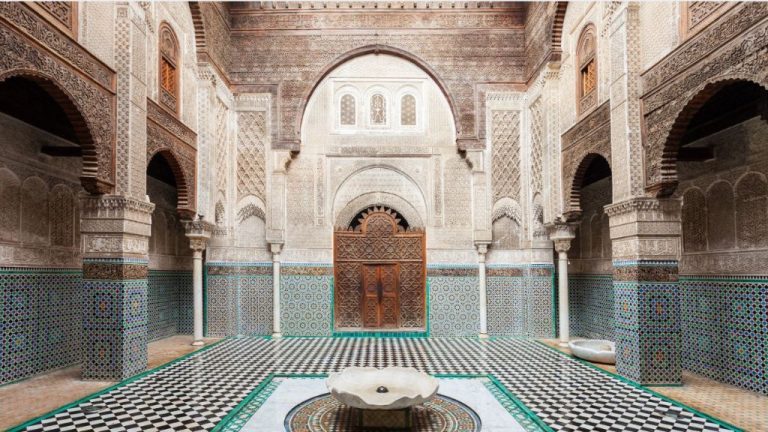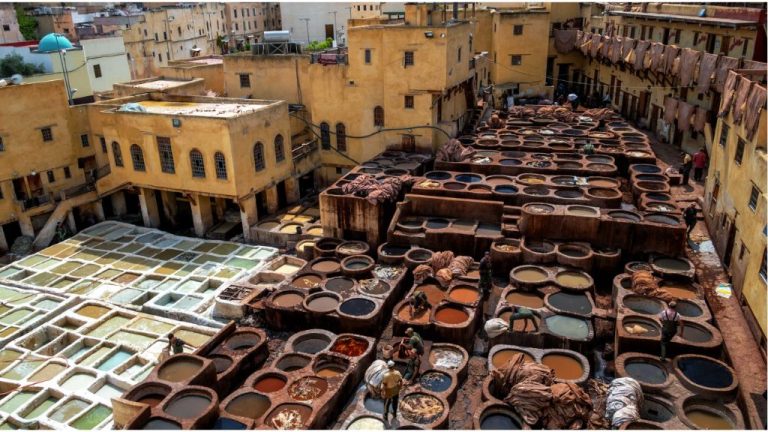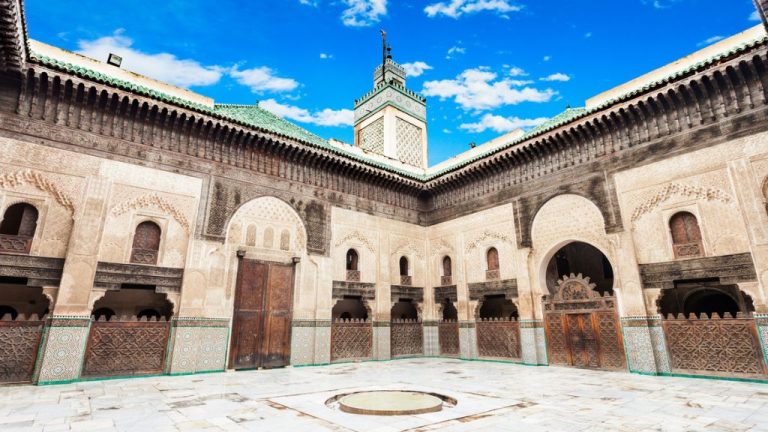

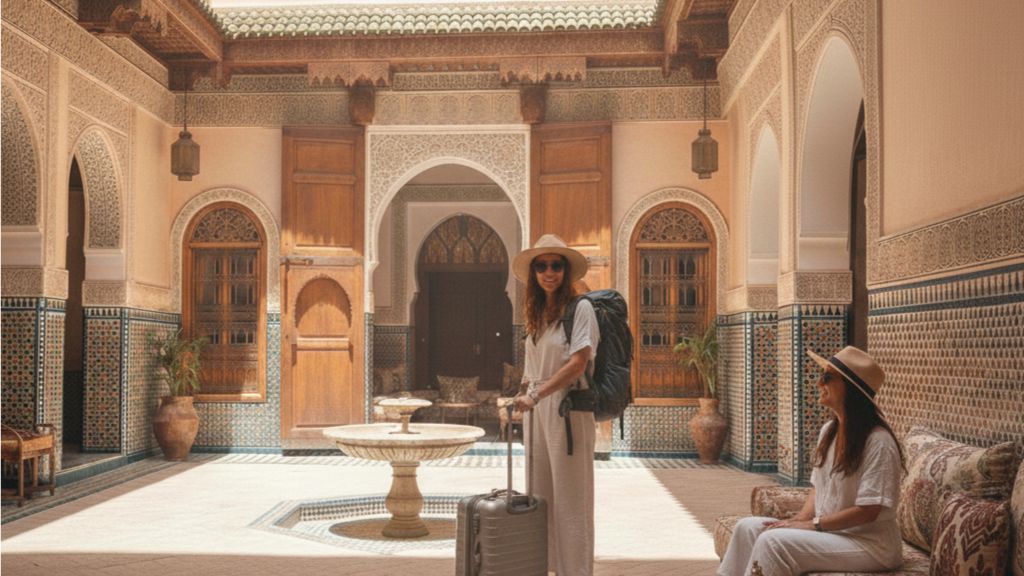
The medina presents specific challenges beyond cultural norms. Streets are uneven cobblestone. Alleys are steep and narrow. Temperatures swing between hot sun in open squares and cool shade in covered passages. You need clothes that breathe, shoes with solid grip and layers you can adjust throughout the day. Seasonal weather also varies more than many visitors expect. Fes sits inland at elevation so winters get cold and summers bake. Before diving into specific items make sure you have covered broader trip planning elements like choosing safe neighborhoods and understanding local customs through my complete solo travel guide to Fes.
Understanding Dress Codes And Cultural Expectations
Morocco is a Muslim country and Fes is one of its most conservative cities. You do not need to wear traditional Moroccan clothing or cover your hair unless you enter a mosque. But modest dress shows respect and makes daily interactions smoother. For women this means covering shoulders, chest and knees. For men it means avoiding tank tops and very short shorts. These rules apply most strongly in the medina, religious sites and residential neighborhoods. Ville Nouvelle is more relaxed but still more conservative than Western cities.
I usually wear lightweight long pants or a midi skirt with a loose cotton shirt or tunic. In cooler months I add a cardigan or light jacket. The goal is coverage without overheating. Tight or revealing clothes attract more comments and stares which drain your energy when you are alone. Blending in does not mean hiding your identity. It means making a choice that lets you move through the city with less friction. Local women wear a mix of traditional djellabas, modern modest outfits and everything in between. Following their lead works well.
Men have an easier time but should still avoid sleeveless shirts and shorts above the knee in the medina. Lightweight long pants and t-shirts work fine. A button up shirt in breathable fabric looks slightly more polished and helps in situations where you want to be taken seriously. Both men and women should keep swimwear for hotel pools or hammams and avoid wearing it in public areas.
Footwear For The Medina
Your shoes will make or break your Fes experience. The medina is essentially a giant network of stone stairs, sloped alleys and uneven surfaces worn smooth by centuries of foot traffic and donkey hooves. Flip flops and sandals without back straps are dangerous. Fashion sneakers with flat soles do not provide enough grip. High heels are impossible unless you enjoy twisted ankles.
I recommend lightweight walking shoes or hiking sandals with good tread and ankle support. Brands like Merrell, Keen or Teva make shoes that handle the terrain without looking too technical. Break them in before your trip. New shoes will destroy your feet on day one when you are walking eight to ten miles. Bring a second pair as backup in case one gets soaked or uncomfortable. I usually pack trail runners for the medina and casual slip on shoes for relaxing at my riad or going to dinner in Ville Nouvelle.
If you plan to visit a traditional hammam bring flip flops or waterproof sandals. The floors are wet and you do not want to walk barefoot. These also work for shared bathroom situations in budget riads. Avoid white or light colored shoes. The medina streets are dusty and sometimes wet with runoff from shops and workshops. Your shoes will get dirty no matter how careful you are.
Seasonal Clothing Considerations
Fes has four real seasons and packing needs shift significantly depending when you visit. Spring and fall are most comfortable with daytime temperatures in the sixties to seventies Fahrenheit and cooler evenings. Summer from June through August gets hot especially in July and August when temperatures push into the nineties or higher. Winter from December through February can be surprisingly cold with highs in the fifties and nighttime temperatures near freezing.
For spring and fall pack layers. Mornings start cool then warm up by midday. Evenings require a jacket or sweater especially if you sit on rooftop terraces. Lightweight long sleeve shirts, a cardigan and a light rain jacket cover most situations. A scarf serves multiple purposes. It adds warmth, protects from sun, covers your head if you visit a mosque and can dress up an outfit for nicer dinners.
Summer requires the lightest fabrics you can find while still maintaining coverage. Linen and cotton blends work well. Loose fits allow air circulation. A wide brimmed hat protects from sun in open squares and on day trips. Sunglasses are essential. Bring a reusable water bottle and refill it constantly. Dehydration sneaks up fast when you are walking all day in heat. Even in summer bring one long sleeve layer for heavily air conditioned spaces like museums or upscale restaurants.
Winter surprises most visitors. Riads in the medina often lack central heating. Stone walls and tiled floors stay cold. You will want warm layers including a fleece or down jacket, long pants, warm socks and possibly a hat and gloves for early morning or evening. Many riads provide extra blankets but not all. Rain is possible especially in December and January so pack a waterproof jacket. The medina floods in spots during heavy rain and streets become slippery.
Essential Items For Your Daypack
You will carry a small bag with you every day in the medina. A crossbody bag or small backpack works better than a tote or shoulder bag because it keeps your hands free and stays secure in crowded souks. Inside you need a few key items that make solo travel easier and safer.
Bring your phone with offline maps downloaded. GPS works inconsistently between high walls but having a map helps when you pop into an open square. A portable battery pack keeps your phone charged since you will use it for photos, maps and communication. Sunscreen and lip balm with SPF prevent burns even on cloudy days. The sun reflects off light colored buildings and you spend more time outside than you expect.
Pack tissues or toilet paper. Public restrooms in the medina range from basic to challenging and toilet paper is not always available. Hand sanitizer or wet wipes are also useful. A small first aid kit with bandaids, pain relievers and any prescription medications you need should stay with you. Pharmacies are common in Fes but having basics prevents minor issues from derailing your day.
Carry some cash in small bills. Many shops and restaurants do not take cards and breaking large bills can be difficult. Keep your main cash and passport in a secure pocket or hidden pouch. I use a thin belt pouch under my shirt for documents and emergency money. Your daypack should hold daily cash, your phone, water and small purchases without being bulky or tempting to thieves.
What Not To Pack
Skip anything valuable or irreplaceable. Leave expensive jewelry at home. Bring one simple watch if you need one. A basic phone case without flashy branding draws less attention than the latest model in a designer case. Fancy camera equipment marks you as a wealthy tourist. A decent smartphone camera handles most situations and is less conspicuous.
Do not pack too many clothes. Laundry service is cheap and fast in Fes. Most riads wash and dry your clothes for a few dollars. Overpacking means dragging a heavy bag through the medina when cars cannot reach your accommodation. I usually bring enough clothes for four to five days and wash halfway through longer trips.
Avoid camouflage patterns which can create problems at checkpoints or with authorities. Skip clothing with political or religious messages. Leave your shortest shorts and most revealing tops at home even if you only plan to wear them in your riad. You never know when you might need to step out quickly or when your plans change.
Accessories And Practical Additions
A lightweight scarf is probably the most versatile item you can pack. It works as a head cover, a shawl for cool evenings, a wrap to add modesty to an outfit and even a blanket on cold train rides. Choose a neutral color that matches multiple outfits. Cotton or linen scarves breathe better than synthetic materials.
Sunglasses protect your eyes and give you a slight buffer in social situations where eye contact norms differ from what you are used to. A hat with a brim helps in summer but can be awkward in tight covered alleys where space is limited. I usually clip mine to my bag when I do not need it.
Bring a small padlock if you stay in a riad with shared spaces or if you plan side trips where you need to secure your bag. Many accommodations provide lockers but not always locks. A headlamp or small flashlight helps navigate dark alleys or riads with limited lighting. Your phone flashlight works but drains battery.
If you take medication bring more than you think you need plus copies of prescriptions. Replacing specific medications in Morocco can be difficult even though pharmacies are well stocked with common drugs. Contact lens wearers should bring extra solution and backup glasses. Dust and dry air in Fes are tough on contacts.
Final Packing Check
Before you close your bag do a final review based on your specific plans. If you booked a cooking class you might want an apron or do not mind if your clothes smell like spices afterward. If you plan hammam visits bring a small toiletry bag with basics even though most places provide soap. If you have day trips to the mountains or desert pack a layer warmer than you think you need. Elevation and open landscapes change temperature fast.
Check the weather forecast for Fes the week before you leave. Climate averages help but specific conditions during your dates might require adjustments. Read recent reviews from solo travelers who visited the same season. They often mention packing mistakes or unexpected needs. Trust your instincts about what makes you comfortable. The goal is not to pack perfectly but to pack practically so you can focus on experiencing the city rather than struggling with your gear.
Final Thoughts
What you wear and pack for Fes directly impacts your comfort and safety as a solo traveler. Modest clothing reduces unwanted attention and shows cultural respect. Proper footwear prevents injuries on challenging terrain. Seasonal layers keep you comfortable through temperature swings. A well organized daypack carries essentials without weighing you down. These practical choices free you to focus on the experiences that make Fes unforgettable. Once you have your packing sorted and you are ready to explore beyond the city itself you might want to check out my guide on the best day trips from Fes for solo travelers which covers excursions to Chefchaouen, Volubilis and other destinations that make great additions to your itinerary.