
Fes hit me harder than any other city I have visited in Morocco. The medina is not just old. It is a living medieval organism where leather tanners work in methods unchanged for centuries, where donkeys still carry goods through passages too narrow for cars and where getting lost is not a possibility but a guarantee. When I first arrived alone I felt that rush of adrenaline mixed with doubt that comes before stepping into something completely unfamiliar. The noise, the smells, the visual overload can overwhelm you fast if you are not prepared. But that intensity is also what makes Fes one of the most rewarding places to travel solo in North Africa.
Solo travel in Fes requires more cultural awareness and navigation skills than wandering through European cities. Morocco is a Muslim country and Fes is one of its most traditional urban centers. You need to dress modestly, understand local customs and develop a thick skin for persistent shopkeepers and fake guides. At the same time the city offers incredible opportunities for connection. Small riads create natural meeting points. Cooking classes and hammams provide structured ways to engage with local culture. Day trips to nearby mountains and Roman ruins add variety without requiring you to change accommodation or manage complex logistics.
This guide covers everything you need to know to plan and execute a successful solo trip to Fes. I wrote it based on multiple visits, mistakes I made and lessons I learned while navigating the medina alone. Whether you are a seasoned solo traveler testing a new region or someone taking their first independent international trip this resource will help you feel prepared and confident before you arrive.
Is Fes Safe for Solo Travelers?
Safety is usually the first concern for anyone planning to visit Fes alone especially women. The good news is that serious crime against tourists is rare in the main areas of the city. Violent incidents are uncommon. The challenges you face are more likely to be scams, pushy guides trying to redirect you toward commission shops and the general confusion that comes from walking through a maze where GPS barely functions and street names change between maps and local use.
The medina feels chaotic but it is not dangerous in the way many Western cities can be at night. The main risks are petty theft in crowded areas and harassment that is usually verbal rather than physical. Women traveling alone often report catcalling and unwanted attention but physical confrontation is extremely rare. Dressing modestly helps reduce this. Covering shoulders and knees signals respect for local culture and usually results in more positive interactions. Men should also avoid tank tops and very short shorts in the old town.
Getting lost in the medina happens to everyone. The layout is intentionally confusing because it was designed for defense centuries ago. That disorientation can make you feel unsafe even when nothing bad is actually happening. The key is accepting that you will get lost and understanding that locals are used to helping confused tourists find their way back to major gates. Staying in well traveled areas after dark and learning a few basic routes near your accommodation builds confidence fast.
Common scams include fake guides who claim streets are closed or who offer to show you the way then demand high payment afterward. Taxi drivers sometimes refuse to use meters and quote inflated prices. Shop owners can be extremely persistent with sales pressure. None of these situations are dangerous but they drain your patience and budget. A calm attitude, clear boundaries and willingness to walk away solve most problems. If you want deeper coverage of specific safety strategies and how to handle uncomfortable situations you can read my detailed guide on whether Fes is safe for solo travelers which breaks down neighborhood safety, scam tactics and practical responses.
The biggest safety factor is where you choose to stay. A well located riad with good reviews from solo travelers makes a huge difference. Staff can arrange trusted taxis, recommend licensed guides and explain which alleys to avoid after dark. Staying near main gates like Bab Boujloud or Bab Rcif keeps you connected to busy areas and makes navigation simpler. If the medina feels too intense you can base yourself in Ville Nouvelle, the modern French built neighborhood with wider streets and a more familiar urban structure.
Where to Stay in Fes as a Solo Traveler
Your accommodation choice shapes your entire experience in Fes. The city splits into two distinct worlds. The ancient medina offers full immersion in traditional Moroccan life with riads built around interior courtyards, narrow twisting streets and constant sensory stimulation. Ville Nouvelle provides modern comforts, predictable navigation and breathing space from the intensity of the old town. Solo travelers need to consider not just budget but also how much cultural immersion they can handle and what kind of social atmosphere helps them recharge.
Staying inside the medina means waking to the call to prayer, the smell of fresh bread from corner ovens and the sound of artisans opening their workshops. Most riads are small family run guesthouses with shared spaces that naturally encourage interaction with other guests and staff. This setup provides built in social opportunities without forcing group dynamics. You meet people over breakfast on the rooftop or while sharing mint tea in the courtyard. Staff act as cultural translators and local fixers who arrange everything from taxis to hammam appointments.
The trade off is accessibility. Cars cannot enter the medina so taxi drivers drop you at the nearest gate. You walk the final stretch over uneven cobblestones with your luggage. If you have mobility issues or heavy bags this can be challenging. The best neighborhoods for solo travelers in the medina cluster around Bab Boujloud, Bab Rcif and along Talaa Kebira. These areas sit close to main gates which makes coming and going easier while still keeping you central to major attractions.
Ville Nouvelle appeals to travelers who want familiar urban infrastructure. Wide streets, traffic lights, chain cafés and modern hotels create an environment that feels less foreign. You control when you engage with Moroccan culture and when you pull back. Taxis are easy to find and navigation is straightforward. The downside is atmosphere. You lose the magic of sleeping in a traditional courtyard house and morning sounds shift from artisan hammers to car horns. From Ville Nouvelle you spend more time and money on taxis to reach the medina and main sights.
Budget plays a role but not in predictable ways. You can find basic riad rooms for around thirty dollars a night or spend over two hundred for luxury boutique experiences. Mid range options between sixty and one hundred dollars usually offer the best value with clean private rooms, decent breakfast and helpful staff. Booking directly with riads through email or WhatsApp often gets better rates than platforms. Mention you are traveling alone because some hosts offer reduced single rates or waive supplements during quiet periods. For comprehensive neighborhood breakdowns, pros and cons of riads versus hotels and booking strategies check out my guide on where to stay in Fes as a solo traveler.
3-5 Day Fes Solo Travel Itinerary
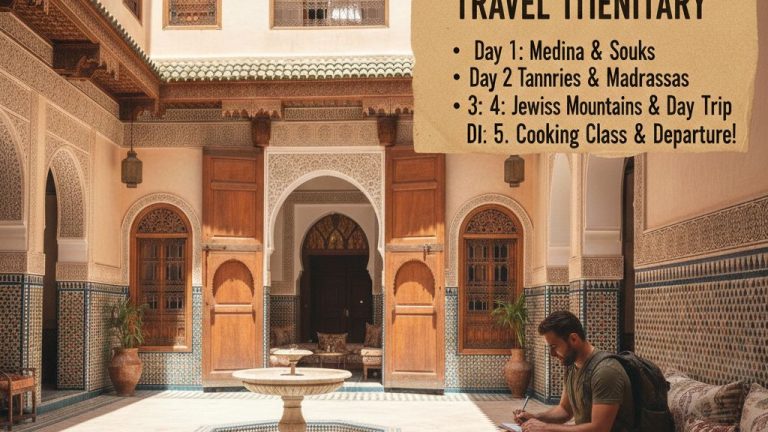
Three to five days gives you enough time to move past initial overwhelm and start connecting with Fes on a deeper level. The first day always feels the most intense as you adjust to the noise, navigation challenges and constant sensory input. By day three you start recognizing landmarks, filtering out irrelevant distractions and moving through the medina with more confidence. This itinerary balances must see highlights with unstructured time that rewards curiosity and spontaneous exploration.
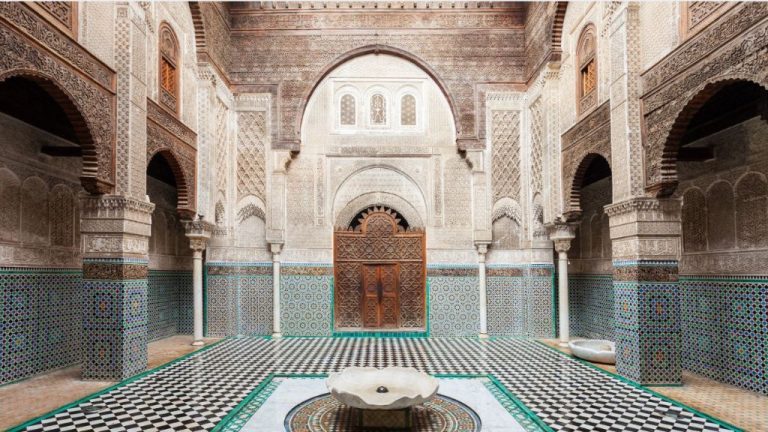
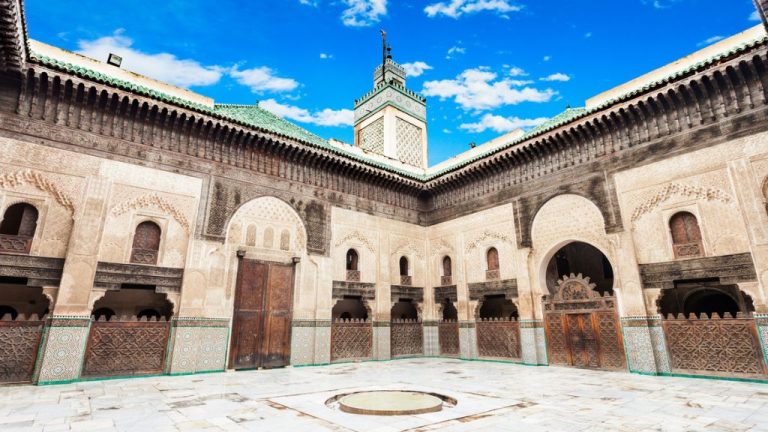
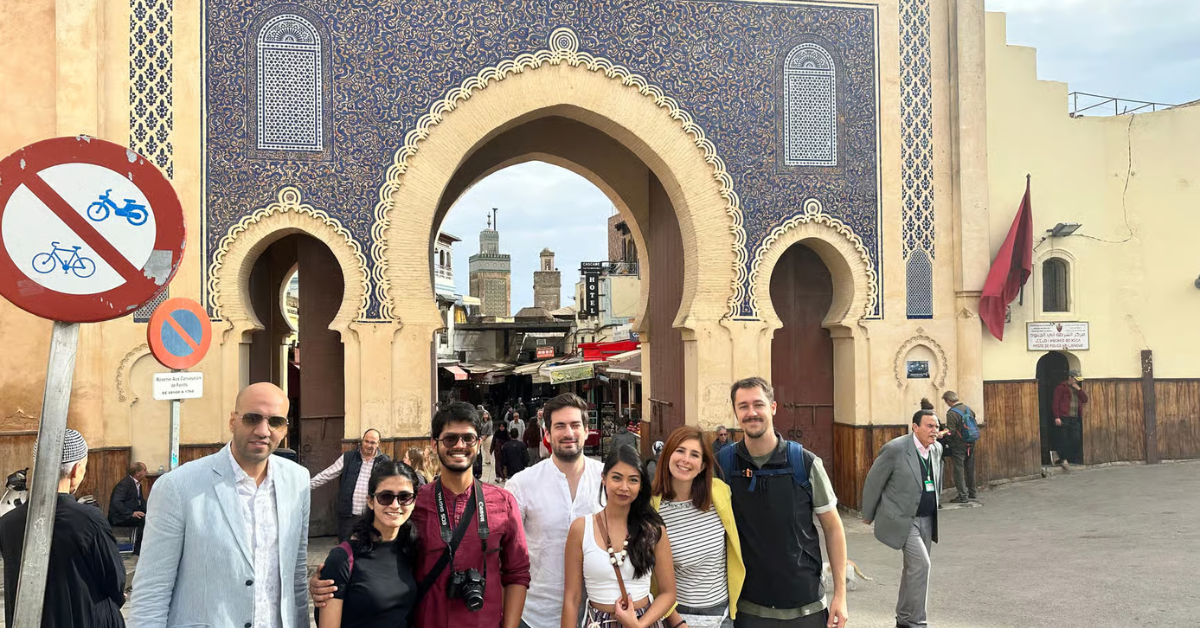
Day one should focus on orientation rather than cramming in monuments. Start with breakfast at your riad then walk to Bab Boujloud, the ornate blue gate that marks the main western entrance to the medina. From there follow Talaa Kebira downhill through the heart of the old town. This street serves as the primary artery and walking it end to end gives you a mental anchor for later navigation. Stop at Bou Inania Madrasa, a fourteenth century religious school with stunning tilework and carved cedar. Continue to Place Seffarine where metalworkers hammer copper in the open air. The sound and visual rhythm feel like stepping into a living museum.
After two hours of walking sensory fatigue sets in hard. Climb to a rooftop café, order mint tea and watch the medina from above. This pause is essential on your first day. Trying to see everything at once makes it all blur together. Use the afternoon to rest at your riad then venture out for an early dinner near Bab Boujloud. End the day before full darkness so you can learn your immediate neighborhood while there is still light.
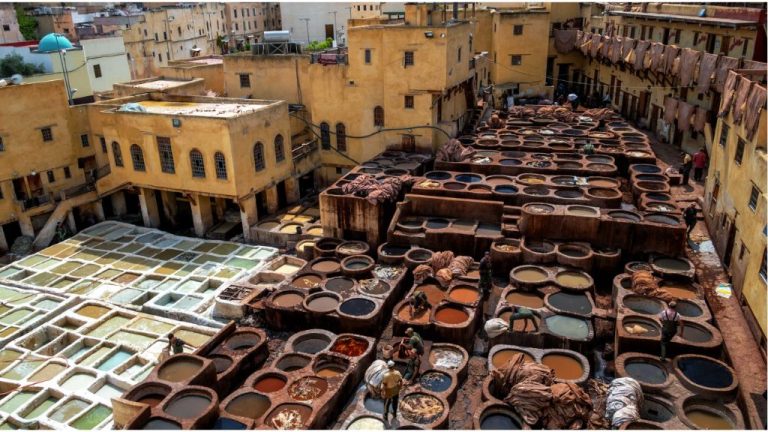
Day two takes you deeper into what makes Fes unique. Head to Chouara Tannery in the morning when light is best and workers are most active. Leather shops around the tannery offer rooftop viewpoints where you can photograph men standing in stone vats filled with natural dyes. The smell is intense. They usually hand you mint to hold under your nose. From the tannery wander through the dyers souk where colored wool hangs across narrow alleys. This area feels less touristy and more functional. Around midday find a local restaurant away from main tourist streets and take your time over tagine or couscous. Return to your riad for a siesta then visit Nejjarine Museum in the late afternoon. The restored caravanserai focuses on traditional woodworking and the rooftop café provides another peaceful view over the chaos below.
Day three shifts to sites that require more focus and reflection. Visit the Al Qarawiyyin Mosque and University area in the morning. The mosque is closed to non Muslims but you can peek through doorways and absorb the atmosphere of a neighborhood shaped by religious scholarship for over a thousand years. Walk to the Mellah, the old Jewish quarter near the royal palace. Streets here are wider with overhanging balconies that reflect the community that lived here for centuries. The Ibn Danan Synagogue and Jewish cemetery offer quiet reflective spaces. After exploring the Mellah visit the Royal Palace gates for photos of the massive brass doors then consider taking a taxi to Borj Nord fortress for panoramic views over the entire medina.
Use the afternoon for unstructured wandering. This is when the best memories happen. You stumble into a spice market. A craftsman invites you to watch him work. You find a café that serves incredible pastries. Solo travel rewards this flexibility because you follow your curiosity without coordinating with anyone else. If you want social interaction consider joining a cooking class in the evening where you shop for ingredients then prepare a meal alongside other travelers or a local family.
Day four is ideal for a day trip outside Fes. The most popular options are Chefchaouen, the blue mountain town about four hours away, or the combination of Volubilis Roman ruins and Meknes imperial city which takes a full day but offers incredible historical depth. Tours handle all logistics and provide natural opportunities to connect with other solo travelers during transport and meals. You return to Fes by evening with fresh perspective and energy for your final days in the city.
If you have a fifth day use it to revisit favorite spots, shop for souvenirs in the Attarine Souk and soak in the atmosphere without pressure. Visit the Attarine Madrasa which rivals Bou Inania for beauty but sees fewer crowds. Spend your last afternoon at a hammam if you have not done one yet or return to a rooftop café to reflect before you leave. For a complete day by day breakdown with timing suggestions, alternative routes and how to adjust based on energy levels read my full guide to a 3-5 day Fes solo travel itinerary that goes deeper into each activity and offers flexibility for different travel styles.
Best Things to Do Alone in Fes
Solo travel in Fes opens doors to experiences that group travelers often miss. When you move through the city alone you stay open to spontaneous invitations, conversations with artisans and moments of quiet observation that disappear when you coordinate with companions. Some activities feel naturally suited to solo travelers because they encourage reflection, skill building or easy connections with locals and other visitors without forced social pressure.
Joining a guided walking tour on your first or second day builds confidence faster than wandering alone with a map. You learn how the medina is organized, where major landmarks sit and how to read visual cues for navigation. Tours last three to four hours and cover main souks, madrasas and tannery viewpoints while your guide explains history and answers practical questions about money, safety and local customs. The group dynamic creates natural opportunities to meet other travelers. You might grab tea or dinner with someone afterward or you part ways with no awkwardness. Small group tours work better than massive bus operations because they move faster and feel more personal.
Moroccan cooking classes typically start with a morning market trip where you buy vegetables, spices and meat while the host explains ingredients and bargaining culture. Then you return to their home or a cooking space to prepare tagine, couscous or pastilla over three to four hours before eating what you made. This structure works beautifully for solo travelers because you stay busy with tasks so conversation flows naturally. Many classes attract other solo visitors which creates easy environments for sharing stories without pressure. You leave with skills you can recreate at home and deeper appreciation for the labor behind Moroccan meals.
Traditional hammams intimidate many first timers but the experience is one of the most memorable things you can do in Fes. Public hammams are gender separated communal spaces where locals deep clean and relax. You sit in hot steam, scrub with black soap and rough mitts then rinse with buckets of water. Going alone actually makes it easier because you control timing and do not coordinate with anyone. If you feel nervous book a private hammam session at your riad first where staff walk you through each step. Once you understand the routine you can try a neighborhood hammam for a more authentic cheaper experience. The process leaves your skin incredibly soft and your body deeply relaxed.
Fes is famous for traditional crafts that happen in small workshops scattered through the medina. Leather working, ceramic painting, woodcarving, weaving and metal work use techniques barely changed in centuries. Many artisans welcome visitors who show genuine interest. You watch them work, ask questions and sometimes try techniques yourself. Wandering solo makes it easier to stop wherever something catches your attention without feeling like you hold anyone back. Some workshops offer short classes where you paint a ceramic plate or learn basic leather stitching for around twenty to forty dollars. You leave with a handmade souvenir that carries personal meaning.
Rooftop cafés serve as essential survival tools for solo travelers. The medina overwhelms after a few hours of walking through tight alleys and constant stimulation. Climbing to a rooftop gives you physical and mental space. You see the city from above which makes the chaos below feel more manageable. Other solo travelers gravitate toward the same spots which creates natural opportunities for conversation over mint tea without forced interaction. You can also sit alone with a book or journal without anyone bothering you. The best rooftop cafés cluster near Bab Boujloud, Place Seffarine and the tanneries. Tea costs less than two dollars and you can stay as long as you want.
Evening street food around Bab Boujloud and in Ville Nouvelle offers another solo friendly experience. Vendors grill kebabs, merguez sausages and fried fish while families and other travelers eat standing or sitting on low walls. You point to what you want, watch them cook it fresh and eat alongside other people doing the same thing. Conversation happens naturally if you are open to it or you focus on your food. A full meal costs under five dollars. Trying different vendors over several nights becomes a fun personal project and the busy well lit atmosphere feels comfortable even late in the evening.
Other worthwhile solo activities include visiting the Nejjarine Museum which is quiet and self paced, attending Sufi music performances at cultural centers or riads, wandering the Mellah Jewish quarter and cemetery for reflective moments away from crowds and shopping for spices and souvenirs at your own pace without anyone getting impatient. For detailed descriptions of twelve solo friendly activities including what to expect, how to book and why each works well when you travel alone read my complete guide to the best things to do alone in Fes.
What to Wear and Pack for Fes as a Solo Traveler
Packing for Fes requires balancing respect for local culture with practical comfort when you will be walking miles every day through a medieval city built on hills. Clothing choices in Morocco directly impact how locals treat you and how safe you feel moving through different neighborhoods. Solo travelers especially benefit from blending in because it reduces unwanted attention and opens doors to more genuine connections. At the same time the medina presents specific physical challenges beyond cultural norms. Streets are uneven cobblestone. Alleys are steep and narrow. Temperatures swing between hot sun in open squares and cool shade in covered passages.
Morocco is a Muslim country and Fes is one of its most conservative cities. You do not need to wear traditional Moroccan clothing or cover your hair unless you enter a mosque. But modest dress shows respect and makes daily interactions smoother. For women this means covering shoulders, chest and knees. For men it means avoiding tank tops and very short shorts. These rules apply most strongly in the medina, religious sites and residential neighborhoods. Ville Nouvelle is more relaxed but still more conservative than Western cities. Tight or revealing clothes attract more comments and stares which drain your energy when you are alone.
Lightweight long pants or midi skirts with loose cotton shirts or tunics work well in warmer months. In cooler seasons add a cardigan or light jacket. The goal is coverage without overheating. Blending in does not mean hiding your identity. It means making a choice that lets you move through the city with less friction. Local women wear a mix of traditional djellabas, modern modest outfits and everything in between. Following their lead helps. Men can wear lightweight long pants and t-shirts or button up shirts in breathable fabric. Both men and women should keep swimwear for hotel pools or hammams and avoid wearing it in public areas.
Your shoes will make or break your Fes experience. The medina is essentially a giant network of stone stairs, sloped alleys and uneven surfaces worn smooth by centuries of foot traffic and donkey hooves. Flip flops and sandals without back straps are dangerous. Fashion sneakers with flat soles do not provide enough grip. Lightweight walking shoes or hiking sandals with good tread and ankle support handle the terrain without looking too technical. Break them in before your trip because new shoes will destroy your feet on day one when you are walking eight to ten miles. Bring a second pair as backup. If you plan to visit a traditional hammam bring flip flops or waterproof sandals for wet floors.
Fes has four real seasons and packing needs shift significantly depending when you visit. Spring and fall are most comfortable with daytime temperatures in the sixties to seventies Fahrenheit and cooler evenings. Pack layers because mornings start cool then warm up by midday. Summer from June through August requires the lightest fabrics you can find while maintaining coverage. Linen and cotton blends work well. A wide brimmed hat protects from sun and sunglasses are essential. Winter surprises most visitors because riads often lack central heating and stone walls stay cold. You will want warm layers including a fleece or down jacket, long pants, warm socks and possibly a hat and gloves for early morning or evening.
A lightweight scarf is probably the most versatile item you can pack. It works as a head cover, a shawl for cool evenings, a wrap to add modesty to an outfit and even a blanket on cold train rides. Choose a neutral color that matches multiple outfits. Cotton or linen scarves breathe better than synthetic materials. Sunglasses protect your eyes and give you a slight buffer in social situations where eye contact norms differ from what you are used to.
You will carry a small bag with you every day in the medina. A crossbody bag or small backpack works better than a tote because it keeps your hands free and stays secure in crowded souks. Inside you need your phone with offline maps downloaded, a portable battery pack, sunscreen and lip balm with SPF, tissues or toilet paper because public restrooms do not always have supplies, hand sanitizer or wet wipes, a small first aid kit with bandaids and pain relievers, and cash in small bills because many shops do not take cards. Keep your main cash and passport in a secure hidden pouch. Your daypack should hold daily essentials without being bulky or tempting to thieves.
Skip anything valuable or irreplaceable. Leave expensive jewelry at home. A basic phone case without flashy branding draws less attention. Do not pack too many clothes because laundry service is cheap and fast in Fes. Most riads wash and dry your clothes for a few dollars. Overpacking means dragging a heavy bag through the medina when cars cannot reach your accommodation. Avoid camouflage patterns which can create problems with authorities and skip clothing with political or religious messages. For seasonal packing lists, footwear recommendations, what not to bring and a final packing checklist read my detailed guide on what to wear and pack for Fes as a solo traveler.
Day Trips from Fes for Solo Travelers
Fes sits in a perfect position to explore some of Morocco’s most impressive historical sites, mountain towns and desert landscapes without committing to multi day travel. After a few intense days navigating the medina a day trip offers mental breathing space and a chance to see how diverse Morocco is beyond the imperial cities. Solo travelers benefit from the structure of organized tours or the simplicity of shared transport which removes the stress of driving unfamiliar roads while still giving you independence and flexibility.
Chefchaouen is probably the most popular day trip from Fes and for good reason. This small mountain town in the Rif range is famous for its blue washed buildings, relaxed vibe and stunning natural surroundings. The drive takes about three and a half to four hours each way through winding mountain roads with dramatic views. Most tours leave Fes around eight in the morning, give you four to five hours in Chefchaouen then return by early evening. The town itself is compact and easy to navigate on foot. You spend your time wandering narrow blue streets, shopping for local crafts like woven blankets and leather goods, eating lunch at a rooftop restaurant and taking endless photos.
The atmosphere in Chefchaouen feels calmer than Fes with less pressure from vendors and more space to move at your own pace. Solo travelers appreciate how walkable and safe the town feels. You can easily separate from your tour group for an hour or two and explore independently before meeting back at the bus. If you book a tour choose a small group option rather than a huge coach because it keeps the experience more personal and flexible. Independent travel to Chefchaouen is possible using buses from Fes but the schedule limits your time in town and return options are tight. For a day trip an organized tour makes more sense.
Combining Volubilis and Meknes in one day gives you a solid mix of ancient Roman history and Moroccan imperial architecture. Volubilis is the best preserved Roman site in Morocco with impressive mosaics, columns and foundations spread across a hillside with views toward distant mountains. The site dates back over two thousand years and was once a prosperous city producing olive oil and grain for the empire. Walking through the ruins with a guide brings the history alive in ways that solo wandering does not.
From Volubilis most tours continue to Meknes about thirty minutes away. Meknes is one of Morocco’s four imperial cities and was the capital under Sultan Moulay Ismail in the seventeenth century. Main highlights include the massive Bab Mansour gate, the royal stables and granaries, the mausoleum of Moulay Ismail and a more compact medina that feels less overwhelming than Fes. You usually get a couple hours to explore with a guide then free time for lunch and shopping. This day trip works perfectly for solo travelers interested in history who want structure and expert commentary. Tours handle all transport and entry fees. You share the experience with other travelers which often includes solo visitors from different countries. The whole trip takes about eight to nine hours door to door and costs less than the Chefchaouen trip because distances are shorter.
The Middle Atlas mountain region offers a completely different landscape from the medina or desert. This day trip usually includes stops in Ifrane, Azrou and surrounding cedar forests. Ifrane is known as Morocco’s Switzerland because of its alpine style architecture, clean streets and cooler climate. It feels surreal after days in Fes. From Ifrane the route continues to Azrou and nearby cedar forests where wild Barbary macaques live. You can walk forest trails and watch monkeys in their natural habitat. The forests are beautiful and the air feels incredibly fresh compared to the medina. This trip appeals to solo travelers who want nature and a break from historical sites. The drive takes about an hour each way to Ifrane and slightly longer to the forests. Most tours include lunch and time to walk around Ifrane’s main park and lake.
Other options include Sefrou, a small town thirty kilometers south of Fes that sees far fewer tourists and offers authentic interactions in a compact medina with a river running through the center. You can reach it independently using local buses or grand taxis in about thirty minutes. Moulay Idriss is a holy town built on two hills near Volubilis. It works well as an add on to a Volubilis and Meknes trip or as a standalone half day excursion for travelers interested in religious history and off the beaten path experiences. Some travelers also consider long day trips to Rabat or Casablanca by train though these push time limits because of the three to four hour journeys each way.
Most riads can arrange day trips through trusted partners though this is not always the cheapest option. You can also book directly through tour companies or platforms like GetYourGuide or Viator which offer reviews and fixed pricing. Small group tours cost more than large bus tours but provide better experiences. Confirm pickup location and time the night before and have your riad host’s phone number in case you need to coordinate morning of. Bring layers regardless of season because mountain and desert trips involve temperature changes. For detailed descriptions of seven day trips including what to expect, independent versus tour options and practical booking tips read my complete guide to the best day trips from Fes for solo travelers.