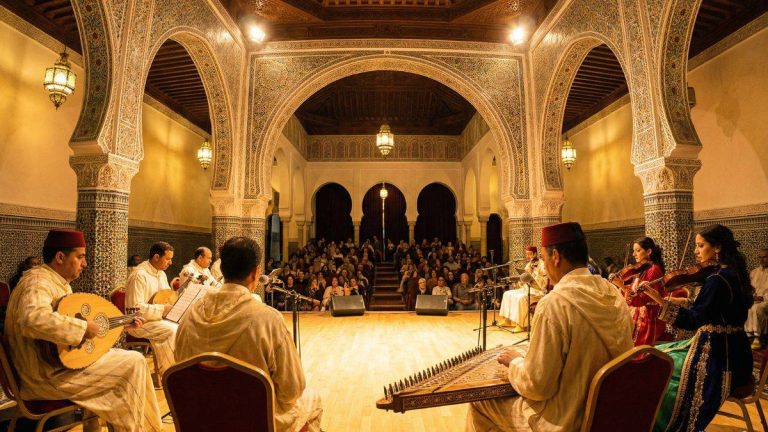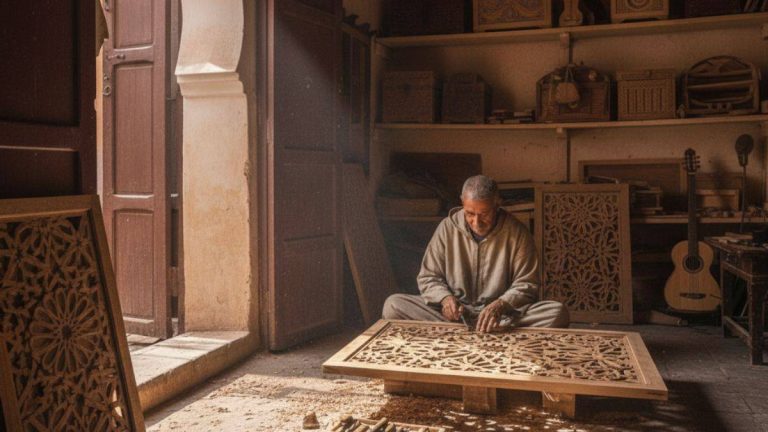

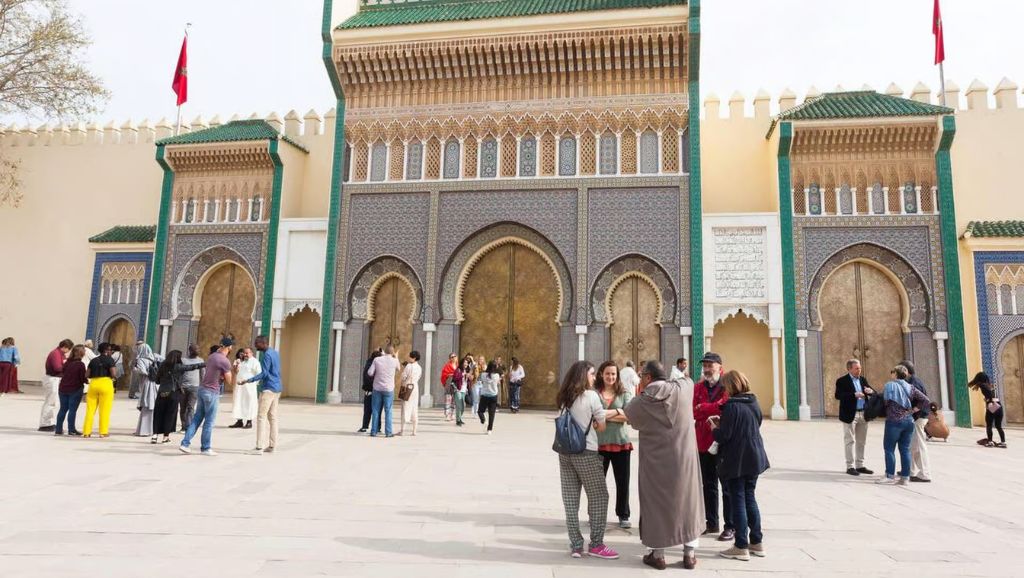
Fes, one of Morocco’s oldest cities, is a living testament to the rich cultural and intellectual history of the country. Founded in 789 AD by Idris I, the city has played a central role in shaping Morocco’s identity. Fes became the political, cultural, and religious heart of the country, attracting scholars, traders, and artists from all over the Islamic world. The city’s history is marked by its thriving intellectual and spiritual life, with Fes serving as a hub of learning and culture for centuries.
Throughout its history, Fes has been home to numerous dynasties that have left their mark on the city’s architecture, culture, and educational institutions. From the Idrisid dynasty to the Almoravids, Almohads, and Merenids, Fes has been shaped by the rulers who sought to elevate the city’s status in the Islamic world. Each of these dynasties contributed to Fes’s development as a major center of knowledge, arts, and trade.
Fes’s historical significance is reflected in its many historic landmarks, including the University of Al Quaraouiyine, which remains one of the oldest continuously operating educational institutions in the world. The city’s medina, Fes el-Bali, is a UNESCO World Heritage site and a living museum of Morocco’s rich past. Walking through the narrow, winding streets of the medina, visitors are transported back in time to an era when Fes was the intellectual capital of the Islamic world.
From its early days as a small settlement to its rise as a center of scholarship and religion, the history of Fes is a fascinating tale of growth, culture, and influence. Today, Fes remains one of Morocco’s most important cities, preserving its cultural heritage while embracing the future.
Foundation and early history
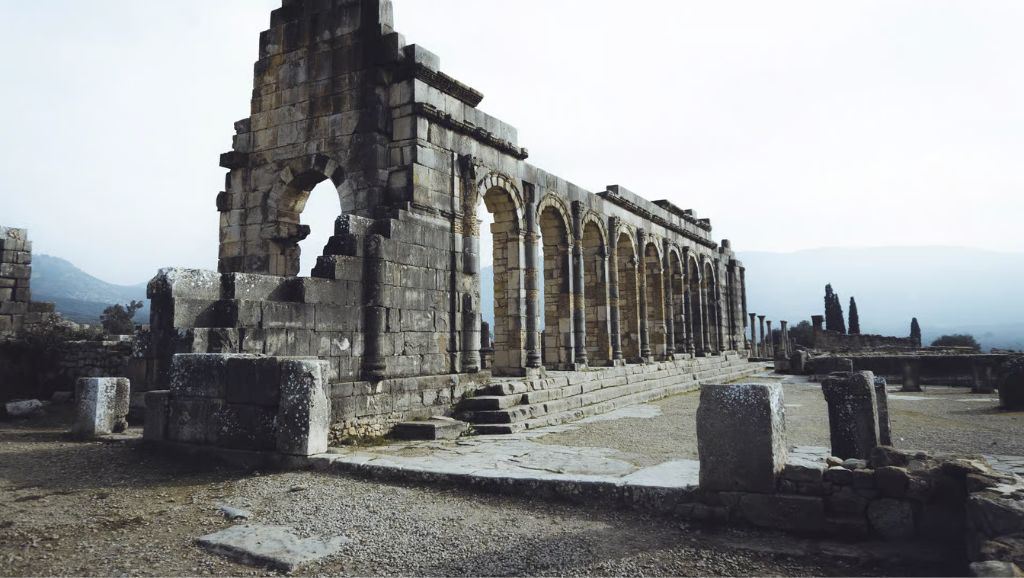
Fes, founded in 789 AD by Idris I, is one of Morocco’s oldest cities and holds a unique place in the country’s history. The city was established on both banks of the River Fes, and its location was strategically chosen for its proximity to trade routes and fertile lands. Idris I, a descendant of the Prophet Muhammad, sought to create a thriving city that would serve as both a religious and political center. Over the years, Fes expanded into a flourishing metropolis, attracting people from all over the Islamic world. The foundation of the city marked the beginning of a new era in Morocco, with Fes becoming a vital cultural and educational hub.
The early history of Fes is intertwined with the Idrisid dynasty, which played a crucial role in the city’s development. The Idrisids were responsible for building many of Fes’s early mosques, palaces, and institutions. Under their rule, Fes became a center of Islamic scholarship, which laid the groundwork for the city’s future role as one of the most important centers of education in the Islamic world.
Fes during the idrisid dynasty
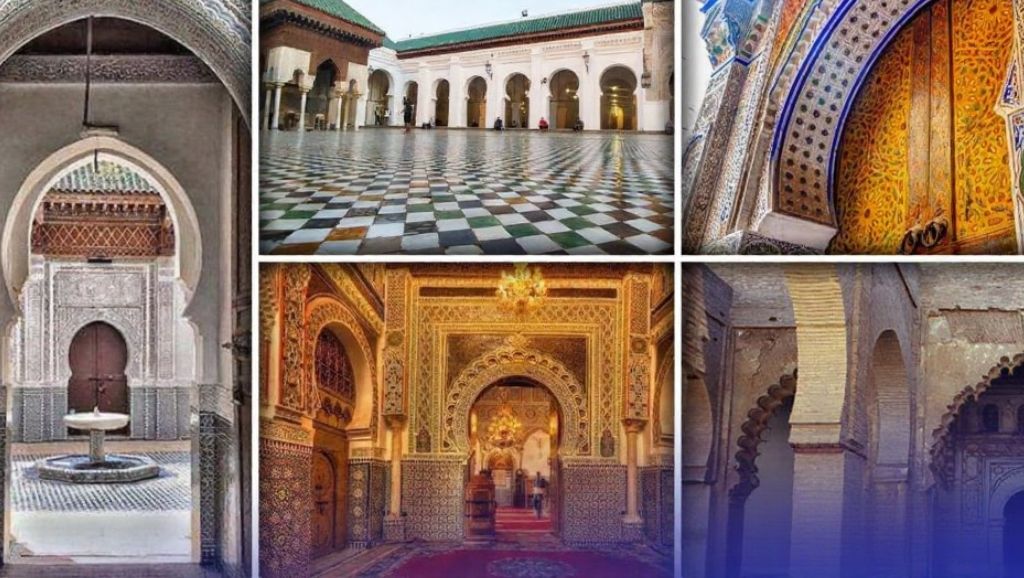
The Idrisid dynasty was the first Arab dynasty to rule Morocco, and it played a pivotal role in shaping the early history of Fes. Under Idris I and his successors, Fes became a political, religious, and cultural center in North Africa. The city’s intellectual legacy was established during this period, with scholars from across the Islamic world coming to Fes to study theology, law, science, and philosophy.
Fes’s religious significance grew during the Idrisid era, and the city became a focal point for the spread of Islam throughout the region. One of the most important religious institutions to be founded during this time was the University of Al Quaraouiyine, which would go on to become one of the oldest universities in the world. This institution attracted some of the most influential scholars of the time, further cementing Fes’s status as a cultural and intellectual powerhouse.
The Idrisids also played an important role in the city’s urban development. The city was divided into two main parts: the original settlement, which was located on the western side of the river, and the new settlement on the eastern bank. These two parts would eventually merge to form the Fes we know today. The architectural style of the period blended Islamic, Berber, and Andalusian influences, creating the foundation for Fes’s distinctive architectural character.
Fes as a center of knowledge and culture
By the 10th century, Fes had firmly established itself as one of the leading centers of learning and culture in the Islamic world. The city attracted scholars, poets, philosophers, and scientists from all over the Islamic Empire, contributing to its reputation as the intellectual capital of North Africa. Fes was not only a place of learning but also a center for trade and commerce, connecting the Mediterranean with sub-Saharan Africa.
The University of Al Quaraouiyine, founded in 859 AD, played a central role in Fes’s rise as a center of knowledge. The university was established by Fatima al-Fihri, a woman who is often credited with founding one of the first universities in the world. Over the centuries, the university has attracted scholars from all parts of the world, making it a significant institution for religious, scientific, and philosophical studies.
Fes was also home to numerous other educational institutions, including madrasas (Islamic schools) and libraries. These institutions were integral to the development of the city’s intellectual life. Fes’s rich intellectual and cultural heritage is still visible today, with many of its historical buildings and institutions continuing to serve as important centers of learning.
Fes’s role in the spread of Islam
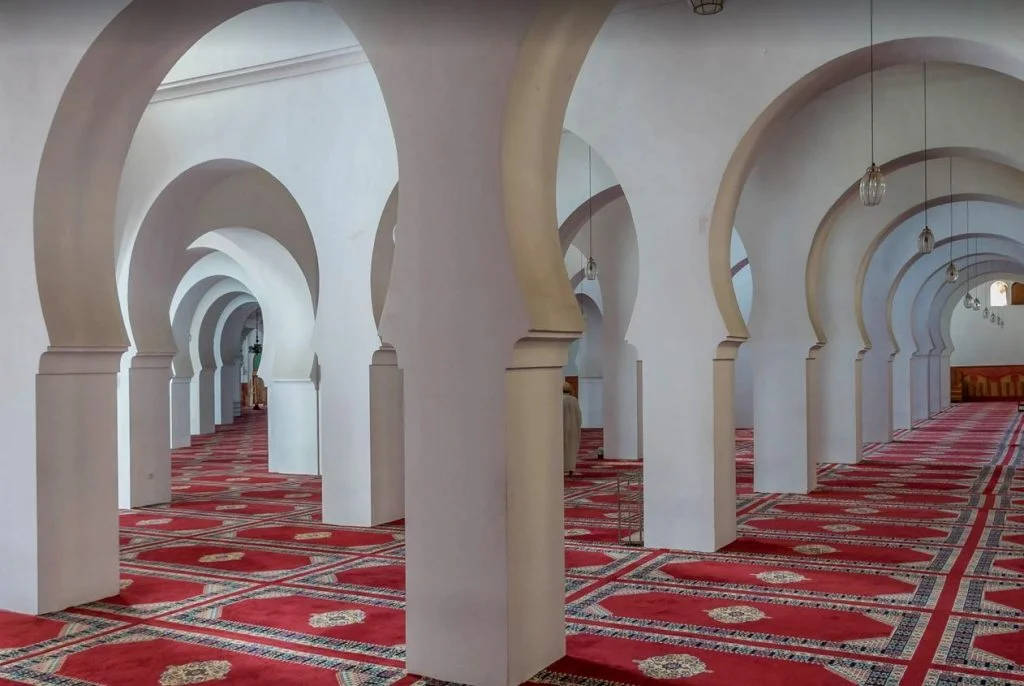
Fes has played a crucial role in the spread of Islam in North Africa and beyond. As a religious and intellectual center, Fes attracted pilgrims, scholars, and traders from across the Islamic world. The city became known for its religious tolerance, with different Islamic sects coexisting peacefully in the city. This openness contributed to Fes’s status as a key player in the spread of Islamic knowledge and practices throughout Morocco and beyond.
The city’s role in the spread of Islam can also be seen in its architecture. Many of Fes’s most important religious buildings, such as the Zaouia Moulay Idriss and the Bou Inania Madrasa, were constructed to serve both as places of worship and centers for Islamic learning. These buildings are some of the finest examples of Islamic architecture and reflect Fes’s position as a major center of Islamic culture.
Fes under later dynasties
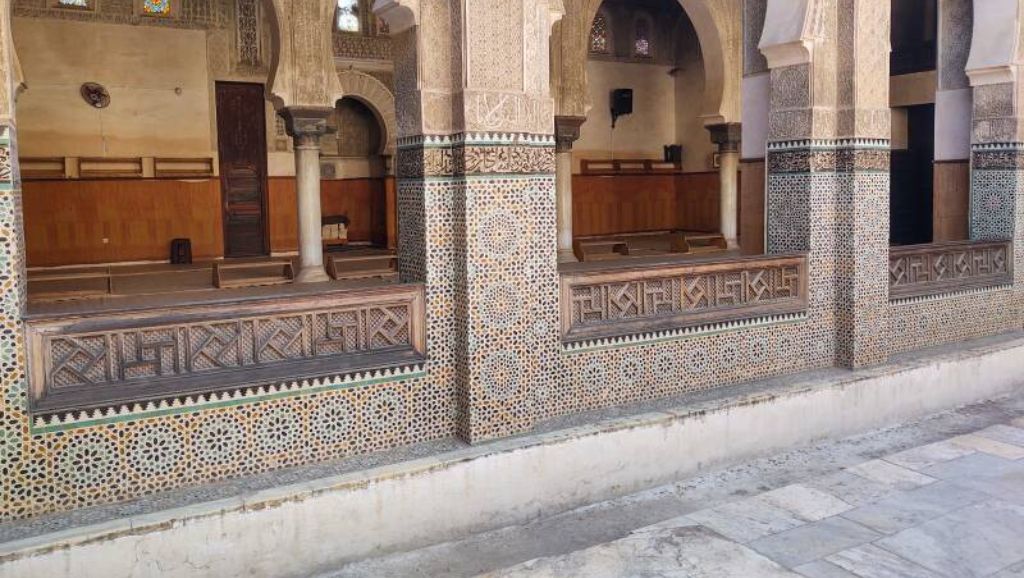
After the Idrisid dynasty, Fes continued to thrive under the rule of several other dynasties, including the Almoravids, Almohads, and Merenids. Each of these dynasties left its mark on Fes, contributing to the city’s cultural, architectural, and intellectual legacy.
The Almoravid dynasty, which ruled Fes in the 11th century, played a significant role in expanding the city’s influence. The Almoravids are credited with establishing Fes as a major center of Islamic scholarship, and they constructed several important buildings, including the Karaouiyine Mosque, which remains one of Fes’s most iconic landmarks.
The Almohads, who came to power in the 12th century, continued the work of the Almoravids, further enhancing Fes’s reputation as a cultural and intellectual hub. The Merenid dynasty, which ruled in the 14th century, is responsible for many of Fes’s most famous architectural landmarks, including the Merenid Tombs and the Bou Inania Madrasa.
Fes’s legacy today
Today, Fes remains one of Morocco’s most culturally significant cities. Its history as a center of learning and culture is still evident in the city’s numerous mosques, madrasas, and universities. The influence of the Idrisid dynasty, as well as later dynasties, is reflected in the city’s architecture, which blends Islamic, Berber, and Andalusian styles. Fes continues to be a beacon of Moroccan history and culture, attracting visitors from around the world who come to explore its rich heritage and vibrant culture.