
Understanding local culture and etiquette is one of the best ways to connect with people and have a smoother experience in Tangier. Morocco is a welcoming country, but it has strong traditions and customs that travelers should respect. Taking the time to learn a few basics will make your solo trip more enjoyable and help you avoid uncomfortable situations.
Greetings and Social Interactions
Moroccans are warm and friendly, and greetings are an important part of daily life. A simple handshake with your right hand is the standard greeting between men or between people of the same gender. If someone places their hand on their chest after shaking hands, it is a sign of respect and warmth. Women traveling alone may find that some men avoid physical contact out of respect for cultural norms, so don’t be offended if a handshake is not offered.
Learning a few basic phrases goes a long way. “Salaam alaikum” (peace be upon you) is the most common greeting, and the response is “Wa alaikum salaam” (and peace be upon you). “Shukran” means thank you, and “La shukran” means no thank you. These simple phrases show respect and can open doors to friendly conversations. Many people in Tangier speak French or Spanish, so if you know either language, it will help you communicate more easily.
Dress Code and Modesty
Morocco is a Muslim country, and dressing modestly is a sign of respect. For both men and women, covering shoulders and knees is recommended, especially in more conservative neighborhoods or when visiting religious sites. Women should avoid tight or revealing clothing, as it can attract unwanted attention. Loose-fitting pants, long skirts, and tops with sleeves are ideal. Bringing a scarf is useful for covering your head when entering mosques or if you want extra coverage in crowded areas.
Men should avoid going shirtless outside of beach areas. Wearing shorts is acceptable in Tangier, but longer shorts or pants are better for blending in. Dressing modestly does not mean you have to sacrifice style or comfort, and you will see many young Moroccans wearing modern clothing that still respects local values.
Dining Etiquette
Food is central to Moroccan culture, and sharing a meal is a sign of friendship and hospitality. If you are invited to someone’s home, it is an honor and should be accepted if possible. Always remove your shoes at the door and wait for your host to direct you where to sit. Traditional meals are often served on a large communal plate, and it is polite to eat only from the section directly in front of you.
Moroccans traditionally eat with their right hand, using bread to scoop up food. The left hand is reserved for personal hygiene and should not be used for eating or passing items. If you are uncomfortable eating with your hands, it is acceptable to ask for utensils, but trying the traditional way shows respect and is part of the cultural experience.
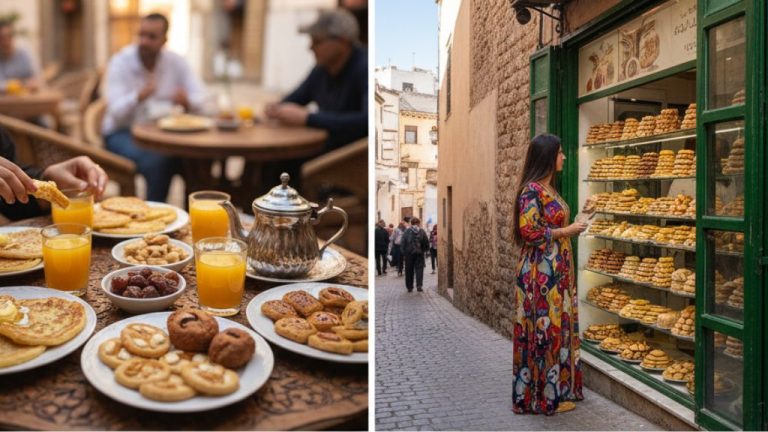
Mint tea is a symbol of hospitality and will be offered to you in homes, shops, and cafes. Refusing tea can be seen as rude, so it is best to accept at least one glass. The tea is poured from a height to create foam on top, which is part of the ritual. Complimenting your host on the tea or the food is always appreciated.
Using Your Right Hand
The right hand is used for all social interactions in Morocco. This includes eating, handing over money, giving and receiving gifts, and shaking hands. The left hand is considered unclean, so always be mindful of which hand you use. If you are left-handed, it takes some practice, but making the effort shows respect for local customs.
Public Behavior and Displays of Affection
Public displays of affection are not common in Morocco and are best avoided. Holding hands, hugging, or kissing in public can make locals uncomfortable and may attract negative attention. A friendly handshake or a wave is acceptable, but anything more should be saved for private spaces. Solo travelers should be aware that staring is more common in Morocco than in Western countries, and it is not always meant as a threat. Maintaining confident body language and avoiding prolonged eye contact can help reduce unwanted attention.
Religious Respect
Islam is deeply woven into Moroccan daily life, and respecting religious practices is important. The call to prayer happens five times a day and can be heard throughout the city. This is a normal part of life in Tangier, and you will quickly get used to it. If you are near a mosque during prayer time, avoid walking directly in front of people who are praying.
If you visit a mosque that allows non-Muslims, dress modestly and remove your shoes before entering. Some mosques do not allow non-Muslim visitors, so always check before entering. Photography inside mosques is usually not allowed without permission, so ask first or enjoy the moment without your camera.
During Ramadan, Muslims fast from sunrise to sunset. As a visitor, you are not expected to fast, but it is respectful to avoid eating, drinking, or smoking in public during daylight hours. Many restaurants remain open but may have limited hours, and some locals appreciate when travelers show awareness of the holy month.
Tipping and Bargaining
Tipping is common in Morocco and is expected for good service. In restaurants, around 10 percent is standard if service is not included. Tipping taxi drivers, porters, and guides is also appreciated. Small amounts go a long way, and a few dirhams show your gratitude.
Bargaining is part of shopping culture in the souks and markets. Prices are rarely fixed, and vendors expect you to negotiate. Start by offering about half of the asking price and work your way up. The process should be friendly and respectful, not aggressive. If you are not interested in buying, politely say “La shukran” and walk away.
Final Thoughts
Learning about local culture and etiquette makes your time in Tangier richer and more rewarding. Moroccans appreciate when travelers make an effort to respect their customs, and this openness often leads to genuine connections and memorable experiences. If you want to dive deeper into planning your solo trip to Tangier, check out my full guide on solo travel in Tangier .