
Tangier sits where two continents meet and two seas collide. The city has been a crossroads for centuries, drawing travelers, artists, and adventurers from around the world. For solo travelers, Tangier offers a unique mix of accessibility and authenticity that makes it stand out from other Moroccan destinations.
The city is smaller and more manageable than Marrakech or Casablanca, which means you can navigate it confidently on your own. The medina is less overwhelming, the people are used to tourists, and there is a genuine warmth in how locals interact with visitors. Tangier also sits just across the Strait of Gibraltar from Spain, making it an easy entry point into Morocco for those coming from Europe.
Whether you are looking to explore ancient medinas, relax by the sea, or venture into the Rif Mountains, Tangier is a perfect base. The blend of European and African influences gives the city a character unlike anywhere else in Morocco. Walking through the streets, you will see French colonial architecture next to traditional Moroccan riads, and hear a mix of Arabic, French, Spanish, and English spoken around you.
This guide covers everything you need to know for a successful solo trip to Tangier. From practical safety tips to the best places to eat and stay, each section is designed to help you make the most of your time in this fascinating city.
Why Tangier is Perfect for Solo Travelers
Tangier stands out as one of the most welcoming cities in Morocco for solo travelers. The tourist infrastructure is well-developed, which means hotels, restaurants, and transportation are easy to navigate even if you have never been to Morocco before. The city has a strong expat community and a history of hosting international visitors, so locals are generally friendly and helpful toward foreigners.
The size of Tangier is another advantage. Unlike sprawling cities like Casablanca, most of Tangier’s main attractions are within walking distance of each other. The medina is compact enough to explore in a day, but layered enough to keep you coming back. You can wander through the narrow streets without feeling lost or overwhelmed, and the presence of visible police in tourist areas adds an extra sense of security.
Tangier also offers a calmer pace compared to busier Moroccan cities. The streets are lively but not chaotic, and you can find quiet corners to relax without much effort. The mix of modern cafes and traditional tea houses means you have plenty of options for taking a break and watching life unfold around you. The city’s location on the coast adds to the relaxed vibe, with sea breezes and ocean views that make it feel more open and airy than inland destinations.
For first-time solo travelers to Morocco, Tangier provides a soft introduction to the culture. The city has absorbed influences from Europe, Africa, and the Middle East, creating a unique atmosphere that feels both familiar and exotic. You can ease into Moroccan life here before heading to more traditional cities like Fes or the Sahara Desert. If you want to dive deeper into what makes Tangier ideal for solo exploration, you can read more about why Tangier is perfect for solo travelers
Essential Safety Tips for Solo Travelers in Tangier
Safety is always a priority when traveling alone, and Tangier is generally a safe city for solo travelers who stay aware of their surroundings. The city has a visible police presence in tourist areas, and violent crime against tourists is rare. Most safety concerns involve petty theft, pickpocketing, and the occasional scam, all of which can be avoided with basic precautions.
Keeping your valuables secure is the first step. Use a money belt or a cross-body bag that stays close to your body, especially in crowded markets and busy streets. Avoid displaying expensive jewelry, cameras, or large amounts of cash. Pickpockets target distracted tourists, so stay alert when navigating the medina or using public transportation. Keeping a photocopy of your passport and storing the original in your hotel safe is a smart move in case of loss or theft.
Walking with confidence and purpose helps you blend in and reduces the chances of being approached by touts or unofficial guides. If someone offers unsolicited help or tries to lead you somewhere, politely decline and keep moving. The phrase “La shukran” (no thank you) is useful and respected. Scams involving fake guides or overpriced goods are common in tourist areas, so always agree on prices beforehand and avoid accepting services you did not request.
Solo female travelers should take extra care with clothing choices. Dressing modestly by covering shoulders and knees helps avoid unwanted attention and shows respect for local culture. Loose-fitting clothing is both comfortable and appropriate. At night, stick to well-lit and busy streets, and consider taking a taxi back to your accommodation rather than walking alone. Your hotel can arrange trusted drivers if you need reliable transportation after dark.
Sharing your daily plans with someone you trust, whether a friend back home or your hotel staff, adds an extra layer of security. Keeping your phone charged and having offline maps downloaded ensures you can navigate even without internet access. If you ever feel uncomfortable or threatened, look for a police officer or step into a shop or cafe for assistance. For more detailed safety advice tailored to solo travelers, check out the full guide on safety tips for solo travelers in Tangier .
Top Things to Do in Tangier for Solo Explorers
Tangier offers a rich mix of historical sites, cultural experiences, and natural beauty that keeps solo travelers engaged. The city rewards curiosity, and exploring on your own allows you to move at your own pace and follow whatever captures your interest.
The medina is the heart of Tangier and the best place to start exploring. Walking through its narrow, winding streets gives you a sense of the city’s layered history. White-washed buildings line the alleys, and small shops sell everything from spices to handmade leather goods. The Grand Socco marks the entrance to the medina and serves as a central meeting point where locals gather and vendors sell fresh produce. From there you can dive deeper into the maze of streets, discovering hidden cafes and rooftop terraces with sweeping views of the city and the sea.
The Kasbah district sits on a hill overlooking Tangier and offers some of the best views in the city. The old Sultan’s Palace has been converted into the Kasbah Museum, where you can learn about Morocco’s royal history and see artifacts from different periods. The streets around the Kasbah are quieter and more residential, with colorful doors and flower-filled courtyards. The Kasbah Museum and the Museum of Contemporary Art are both worth a visit if you want to understand more about Tangier’s artistic and cultural heritage.
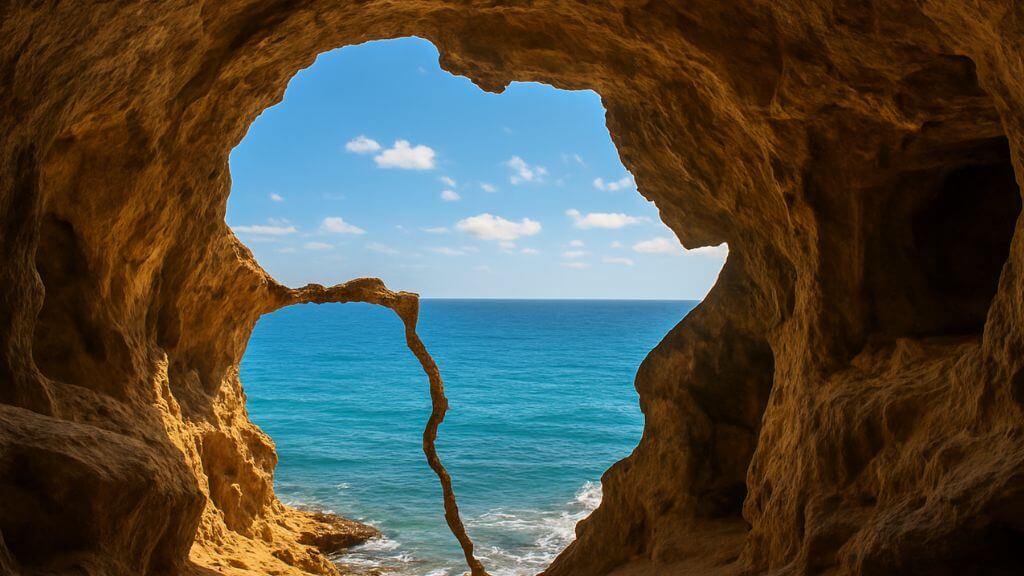
One of the most iconic spots near Tangier is the Caves of Hercules. The caves are carved into the cliffs and are famous for their opening that looks like the shape of Africa. According to legend, Hercules rested here after completing his labors. The caves are about a 30-minute drive from the city center, and many travelers combine the visit with a stop at Cape Spartel, where the Atlantic Ocean meets the Mediterranean Sea. The lighthouse at Cape Spartel is a landmark, and the coastal views are dramatic and worth the trip.
The Petite Socco is a small square in the heart of the medina and has been a gathering place for writers, artists, and travelers for decades. Cafe Gran Central is a legendary spot where you can sit with a coffee or mint tea and watch the world go by. The square has a timeless quality, and you can easily spend an hour here people watching and soaking up the atmosphere. Nearby, the Phoenician Tombs are carved into the cliffs and offer a quiet spot with panoramic views of the sea and Gibraltar.
For a deeper look at what to see and do in Tangier, including local markets and hidden gems, explore the full guide on things to do in Tangier for solo travelers .
Best Places to Stay and Eat in Tangier
Finding the right place to stay makes a big difference when traveling solo. Tangier has options for every budget, from social hostels to boutique riads. Location matters, and staying near the Grand Socco gives you easy access to both the medina and the modern parts of the city.
Socco Hostel is one of the best choices for solo travelers on a budget. The hostel is clean, social, and located right in the medina near the Petite Socco. The atmosphere is welcoming, and you will meet other travelers looking to explore the city together. The dorms are comfortable, and the staff are knowledgeable about Tangier and happy to share tips. Riad AMR is another excellent option for solo travelers who want a quieter, more traditional experience. This riad is tucked into the medina and offers a peaceful courtyard and a rooftop terrace with beautiful views. The rooms are modest but comfortable, and the homemade breakfast is a highlight.
For those willing to spend more, Villazancot offers great value with spacious rooms and a convenient location near the Grand Socco. The blend of Moroccan and modern design creates a comfortable atmosphere, and the staff go out of their way to make you feel at home. La Tangerina is a boutique riad that combines traditional architecture with modern comforts. The rooms are beautifully decorated, and the rooftop terrace is perfect for unwinding after a day of exploring.
Tangier’s food scene is diverse and affordable. The best meals are often found in small local restaurants rather than touristy spots. Restaurant la Réception is a favorite for authentic Moroccan cuisine, serving tagines, chicken pastilla, and fresh bread with every meal. The atmosphere is relaxed, and the prices are reasonable. Restaurant Kebdani is another solid choice, known for grilled meats and flavorful salads. The portions are generous, and the service is friendly.
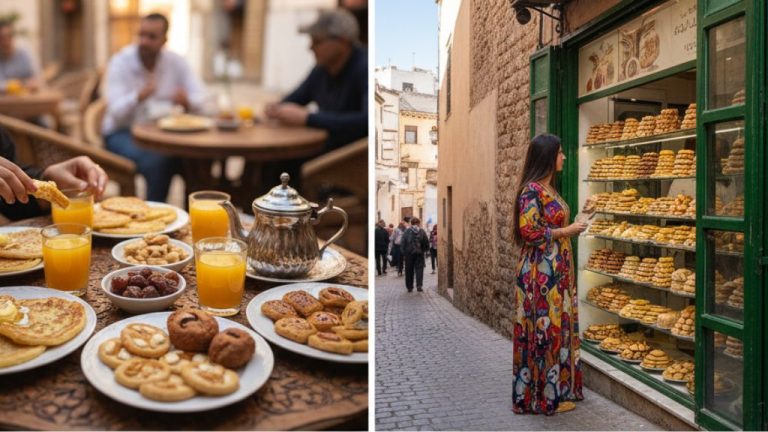
Street food is everywhere in Tangier and is safe to eat if you choose busy stalls with fresh ingredients. Sfenj (fried doughnuts) and msemen (savory pancakes) are popular breakfast items, and fresh fruit juice stands are scattered throughout the medina. Cafe Garden Beach near Cape Spartel is a hidden gem offering fresh fish, tajine baysara, and grilled skewers with a view of the ocean.
For a complete breakdown of where to stay and eat in Tangier, including tips for dining solo, check out the detailed guide on accommodations and restaurants in Tangier [link].
Day Trips from Tangier for Solo Adventurers
Tangier is an excellent base for exploring the surrounding region. Several amazing destinations are within a few hours and are easy to reach by bus, shared taxi, or private tour. Day trips add variety to your itinerary and let you experience more of Morocco beyond the city.
Chefchaouen is the most popular day trip from Tangier and is about two and a half hours away. Known as the blue pearl of Morocco, Chefchaouen is famous for its blue-washed buildings and relaxed atmosphere. The medina is small and easy to navigate, making it perfect for solo travelers. The main square is surrounded by cafes and restaurants, and from there you can explore the kasbah or walk to Ras El Ma, a natural spring on the edge of town. Hiking up to the Spanish Mosque offers stunning views over the blue city and the surrounding mountains.
Buses to Chefchaouen run several times a day from Tangier, with the earliest departure around 7:45 am. Shared taxis are faster but can be cramped. Private tours are more expensive but offer the flexibility to visit Tetouan on the way back. If you take the bus, check the return schedule so you don’t miss the last bus back to Tangier.
Tetouan is closer to Tangier, about an hour away, and offers a more authentic experience with fewer tourists. The medina is a UNESCO World Heritage site and reflects strong Andalusian influences. The streets are clean and well-preserved, and the souks are lively. The Royal Palace is beautiful from the outside, with intricate tile work and carved doors. The Archaeological Museum is small but interesting, with artifacts from the region’s Roman past.
Asilah is a charming coastal town about 45 minutes south of Tangier. The medina is small and filled with colorful murals painted by local and international artists. Walking along the old Portuguese ramparts offers views of the ocean and the white-washed buildings below. The beach is wide and sandy, perfect for a quiet afternoon. Fresh fish is the specialty here, and there are several seafood restaurants along the waterfront.
Cape Spartel and the Caves of Hercules are closer to Tangier and make for a half-day trip. Cape Spartel is the northwestern tip of Africa, where the Atlantic Ocean meets the Mediterranean Sea. The lighthouse is a landmark, and the views from the cliffs are dramatic. The Caves of Hercules are famous for the opening shaped like the African continent and are a popular photo spot. The area can get crowded with tour groups, so visiting early in the morning or late in the afternoon is better.
For more details on day trips from Tangier, including transportation tips and what to expect, read the full guide on day trips for solo adventurers .
Cultural Insights and Local Etiquette in Tangier
Understanding local culture and etiquette is essential for connecting with people and having a smoother experience in Tangier. Morocco is a welcoming country with strong traditions and customs that travelers should respect. Taking the time to learn a few basics will make your solo trip more enjoyable and help you avoid uncomfortable situations.
Greetings are an important part of daily life in Morocco. A simple handshake with your right hand is the standard greeting between men or between people of the same gender. If someone places their hand on their chest after shaking hands, it is a sign of respect and warmth. Women traveling alone may find that some men avoid physical contact out of respect for cultural norms, so don’t be offended if a handshake is not offered. Learning a few basic phrases goes a long way. “Salaam alaikum” (peace be upon you) is the most common greeting, and the response is “Wa alaikum salaam” (and peace be upon you). “Shukran” means thank you, and “La shukran” means no thank you.
Morocco is a Muslim country, and dressing modestly is a sign of respect. For both men and women, covering shoulders and knees is recommended, especially in more conservative neighborhoods or when visiting religious sites. Women should avoid tight or revealing clothing, as it can attract unwanted attention. Loose-fitting pants, long skirts, and tops with sleeves are ideal. Bringing a scarf is useful for covering your head when entering mosques or if you want extra coverage in crowded areas. Men should avoid going shirtless outside of beach areas. Wearing shorts is acceptable in Tangier, but longer shorts or pants are better for blending in.
Food is central to Moroccan culture, and sharing a meal is a sign of friendship and hospitality. If you are invited to someone’s home, it is an honor and should be accepted if possible. Always remove your shoes at the door and wait for your host to direct you where to sit. Traditional meals are often served on a large communal plate, and it is polite to eat only from the section directly in front of you. Moroccans traditionally eat with their right hand, using bread to scoop up food. The left hand is reserved for personal hygiene and should not be used for eating or passing items. If you are uncomfortable eating with your hands, it is acceptable to ask for utensils, but trying the traditional way shows respect and is part of the cultural experience.
Mint tea is a symbol of hospitality and will be offered to you in homes, shops, and cafes. Refusing tea can be seen as rude, so it is best to accept at least one glass. The tea is poured from a height to create foam on top, which is part of the ritual. Complimenting your host on the tea or the food is always appreciated.
The right hand is used for all social interactions in Morocco. This includes eating, handing over money, giving and receiving gifts, and shaking hands. The left hand is considered unclean, so always be mindful of which hand you use. If you are left-handed, it takes some practice, but making the effort shows respect for local customs.
Public displays of affection are not common in Morocco and are best avoided. Holding hands, hugging, or kissing in public can make locals uncomfortable and may attract negative attention. A friendly handshake or a wave is acceptable, but anything more should be saved for private spaces. Solo travelers should be aware that staring is more common in Morocco than in Western countries, and it is not always meant as a threat. Maintaining confident body language and avoiding prolonged eye contact can help reduce unwanted attention.
Islam is deeply woven into Moroccan daily life, and respecting religious practices is important. The call to prayer happens five times a day and can be heard throughout the city. If you are near a mosque during prayer time, avoid walking directly in front of people who are praying. If you visit a mosque that allows non-Muslims, dress modestly and remove your shoes before entering. Some mosques do not allow non-Muslim visitors, so always check before entering. Photography inside mosques is usually not allowed without permission, so ask first or enjoy the moment without your camera.
During Ramadan, Muslims fast from sunrise to sunset. As a visitor, you are not expected to fast, but it is respectful to avoid eating, drinking, or smoking in public during daylight hours. Many restaurants remain open but may have limited hours, and some locals appreciate when travelers show awareness of the holy month.
Tipping is common in Morocco and is expected for good service. In restaurants, around 10 percent is standard if service is not included. Tipping taxi drivers, porters, and guides is also appreciated. Small amounts go a long way, and a few dirhams show your gratitude. Bargaining is part of shopping culture in the souks and markets. Prices are rarely fixed, and vendors expect you to negotiate. Start by offering about half of the asking price and work your way up. The process should be friendly and respectful, not aggressive. If you are not interested in buying, politely say “La shukran” and walk away.
For a deeper understanding of cultural customs and how to navigate them as a solo traveler, explore the full guide on cultural insights and etiquette in Tangier .