
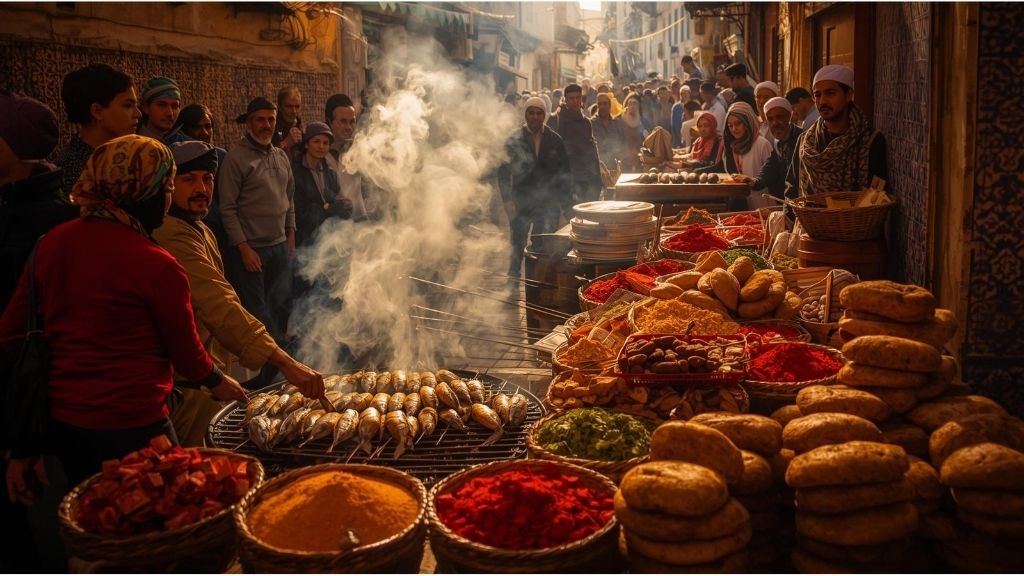
Street food in tangier reveals the city’s soul in ways sit-down restaurants can’t match. These vendors occupy the same corners their fathers and grandfathers did, flipping the same recipes perfected over generations. The food costs almost nothing but the flavors carry the weight of tradition and the pride of craftspeople who’ve dedicated their lives to mastering a single dish.
Morning rituals start with msemen
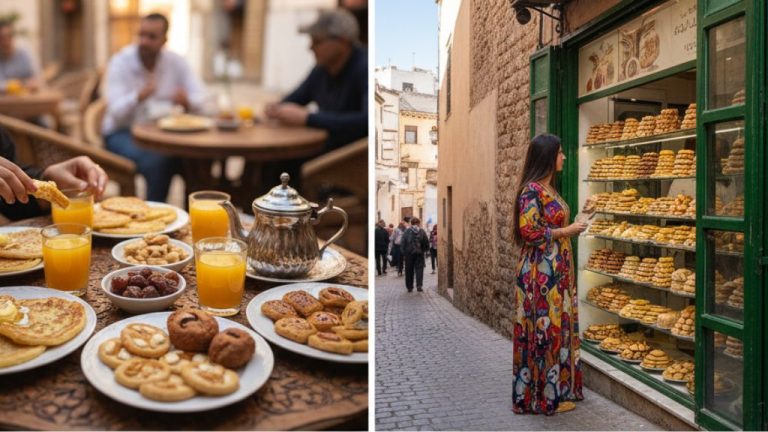
Before most tourists wake up, vendors set up griddles near the grand socco and throughout the medina. The smell of browning butter and toasting bread signals the start of another day. Women in traditional dress flip msemen with practiced movements, their hands moving so fast you can barely follow the technique.Msemen are square layered flatbreads made from semolina dough that gets folded multiple times with oil between each layer. The result resembles a flaky pastry but has a more substantial chew. Fresh off the griddle they’re hot enough to burn your fingers but waiting for them to cool means missing the peak moment when the layers separate perfectly.
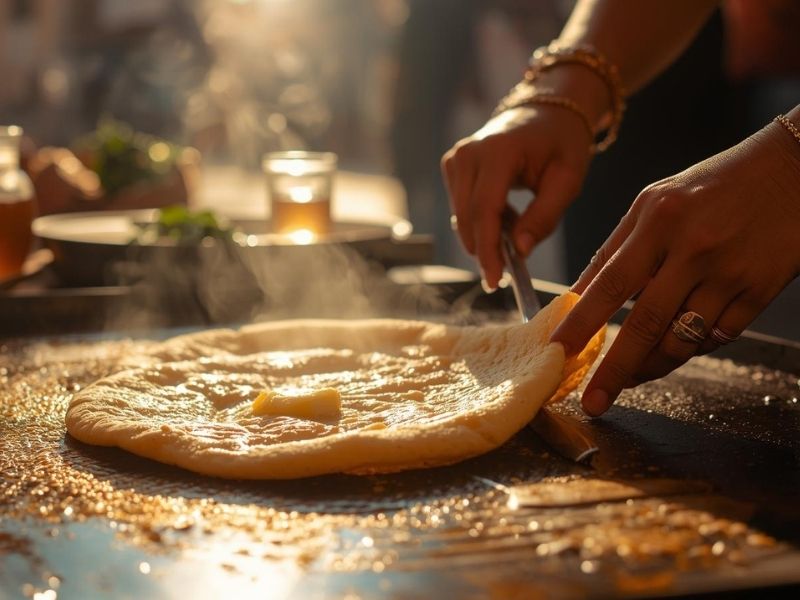
Most vendors sell them for five to eight dirhams each. You can eat them plain or the vendor will add honey and butter for a dirham or two more. Some people prefer them with soft cheese or jam. Locals grab several and eat them walking to work or sit at nearby cafes dunking them in milky coffee.The best msemen vendor operates near the entrance to the petit socco. She’s been there for thirty years and her technique shows in every fold. The msemen come out golden with visible layers and just enough crispiness on the outside. A line forms most mornings which tells you everything about quality.Rghaif are msemen’s round cousin and you’ll find them at the same stalls. They use similar dough and technique but the circular shape changes the texture slightly. Some vendors specialize in one or the other while others make both. Trying them side by side lets you appreciate the subtle differences.
Harira stands serve Tangier’s soul food
Harira soup vendors appear throughout the medina especially in the late afternoon when people want something warming. The soup simmers in huge pots on portable burners and the steam rises carrying scents of tomatoes, lentils, and spices. A bowl costs maybe ten dirhams and comes with dates and a small sweet pastry.The soup itself is thick enough to coat a spoon. Lentils and chickpeas provide protein while broken vermicelli noodles add body. Tomatoes form the base along with onions, celery, and loads of fresh herbs. The spice mix varies by vendor but always includes coriander, cumin, and black pepper.Harira gained religious significance because it traditionally breaks the ramadan fast at sunset. During ramadan every harira stand does serious business as people line up before the call to prayer. Outside of ramadan it still feels like comfort food that connects tangerines to their traditions.
The vendor near the american legation museum makes particularly good harira. He adds beaten eggs at the end which creates silky ribbons throughout the soup. His version leans more toward spicy than others with generous black pepper. He serves it with fresh bread for soaking up every drop.Some vendors offer vegetarian harira without meat though this is less common. The version with lamb or beef has more depth but the vegetarian preparation still satisfies if you eat plant based. The long cooking time builds flavor regardless of whether meat is involved.
Grilled sardines straight from the port
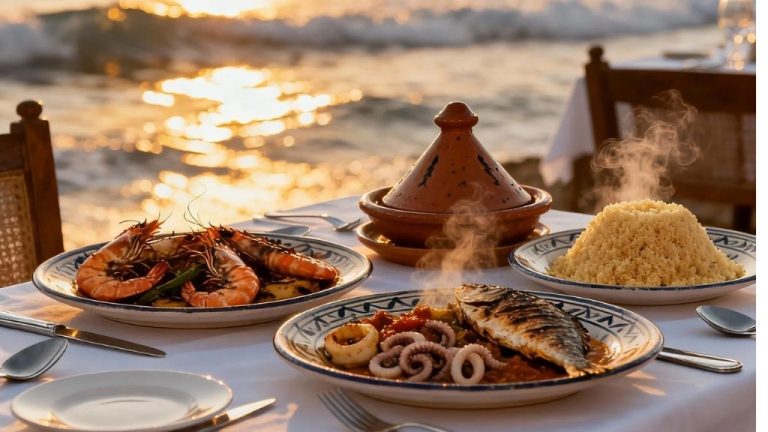
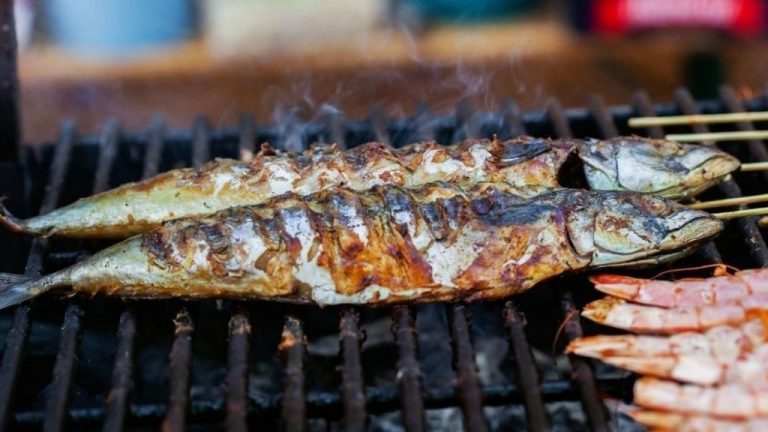
Small grills pop up near the fish market after boats unload their catches. Vendors buy sardines directly from fishermen and grill them minutes later. The fish cost almost nothing, maybe twenty dirhams for six sardines grilled and served with bread and a simple salad.Fresh sardines in tangier bear little resemblance to canned sardines. They’re plump with silver skin that crisps on the grill while the flesh stays moist and rich. The vendors season them only with salt and maybe a squeeze of lemon. Anything more would mask the natural sweetness of truly fresh fish.Eating grilled sardines requires a technique. You pull the meat off with your teeth leaving the bones behind. Locals make it look effortless but it takes practice. The vendors will debone them for you if you ask though you might get gentle teasing about it.The smoke from these grills visible from blocks away draws crowds during lunch hours. Workers from the port area line up for quick cheap meals. Tourists who find these vendors often call them the highlight of their tangier food experience because the quality to price ratio seems impossible.
Some vendors also grill other small fish like mackerel or anchovies depending on the daily catch. The preparation stays the same, just salt and fire letting the fish speak for itself. This simplicity represents moroccan coastal cooking at its most essential.
Bocadillo stands bridge cultures
Tangier’s history as an international zone left traces in the food culture. Bocadillo stands sell sandwiches that blend spanish and moroccan influences. The vendors use round moroccan bread but fill it with combinations that wouldn’t be out of place in andalusia.The most common version features fried fish, usually sardines or small sole. The fish gets dipped in light batter and fried until crispy then stuffed into bread with tomatoes, lettuce, onions, and harissa. The contrast between hot crispy fish and cool crunchy vegetables works perfectly. These sandwiches run about fifteen to twenty dirhams.
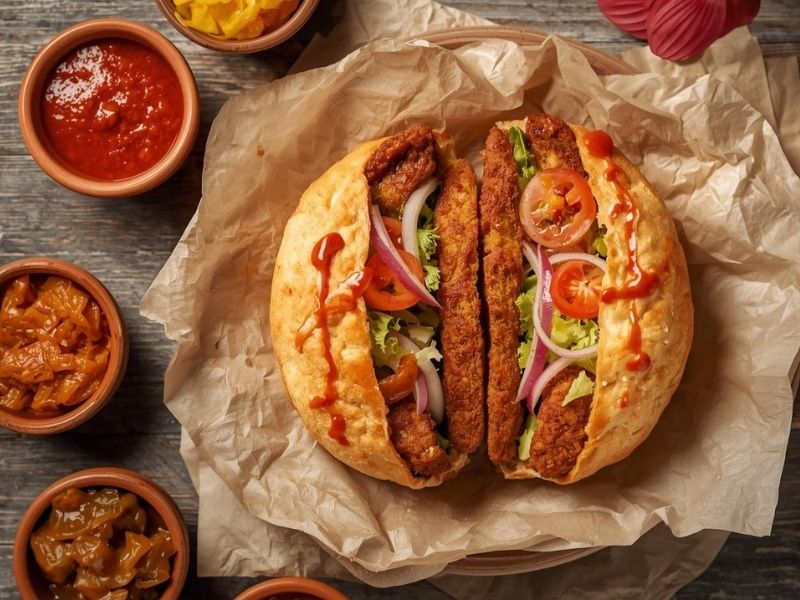
Kefta bocadillos use spiced ground beef formed into patties and grilled. The meat gets its flavor from cumin, paprika, and fresh herbs. The vendor adds the usual vegetables plus sometimes fries right in the sandwich. This creates a handheld meal substantial enough to power you through hours of medina exploration.Chicken bocadillos feature grilled chicken breast seasoned simply with salt, pepper, and a touch of cumin. The chicken stays moist and the bread soaks up the juices. Some vendors offer a spicy version with harissa mixed into mayonnaise spread on the bread.The stands near petit socco see heavy traffic because they’re positioned where multiple medina paths converge. Vendors there have the system down to an art with one person grilling, another assembling, and a third handling money. During peak lunch hours they produce sandwiches at impressive speed without sacrificing quality.
Snail soup for the adventurous
Walking through certain medina streets you’ll spot vendors with huge pots full of snails swimming in broth. This dish called ghlal divides people sharply into lovers and skeptics. The snails cook for hours in a broth flavored with thyme, mint, anise, and other herbs until they’re tender.A bowl costs about ten dirhams and comes with a pin for extracting the snails from their shells. The technique requires patience as you work the pin into the shell to pull out the meat. The snails themselves taste earthy and pick up all the herb flavors from the broth.Moroccans believe snail soup has medicinal properties and helps with digestion and other ailments. Whether that’s true or not, locals drink the broth and eat the snails as a traditional remedy. The broth itself tastes pleasantly herbal and warming.First timers often hesitate when confronted with a bowl of snails. The vendors find this amusing and will demonstrate the extraction technique. Once you get past any squeamishness the actual eating isn’t difficult. The texture resembles other shellfish, firm but not rubbery when properly cooked.The best snail vendors work near BAB EL FAHS in the medina. They’ve been there for decades and know exactly how long to cook the snails and which herbs create the best balance. Going with a local friend helps because they can guide you through the experience and vouch for quality.
Sweet treats from street vendors
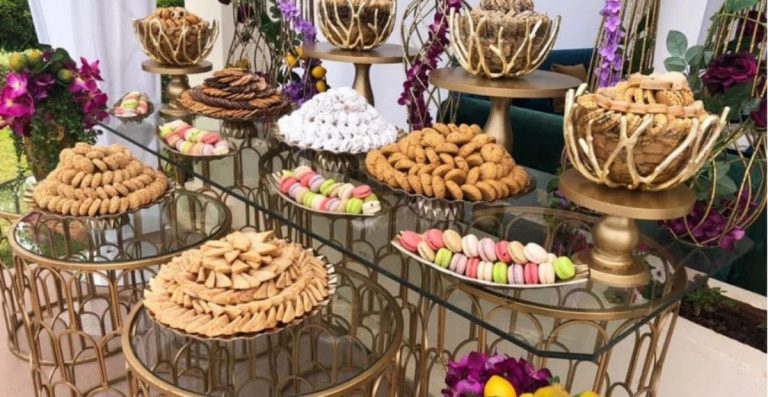
Chebakia vendors appear especially during ramadan but some operate year round. These sesame cookies get shaped into flowers then fried and soaked in honey. They’re sticky, sweet, and incredibly rich. One or two cookies is usually enough given how much honey they absorb.Sfenj are moroccan doughnuts, rounds of yeasted dough fried until puffy and golden. Vendors make them fresh throughout the day and they’re best eaten warm. Plain sfenj cost about two dirhams each and the vendors will dust them with sugar if you want. The texture is lighter and less sweet than american doughnuts.Seasonal fruit vendors set up with whatever is ripe. In summer you’ll find carts piled with prickly pears that the vendors peel with remarkable speed despite the spines. They hand you the peeled fruit on a piece of paper and you eat it immediately. Spring brings strawberries and cherries. Fall means pomegranates and fresh figs.Fresh squeezed orange juice stands cluster throughout the medina. A large glass costs five to ten dirhams depending on location and they squeeze it in front of you. The oranges in Morocco taste incredibly sweet and juicy. The vendors often add a splash of lemon to balance the sweetness.Peanut vendors roast nuts in rotating drums over charcoal. The smell attracts customers from streets away. A paper cone of warm peanuts costs just a few dirhams and makes a perfect snack while wandering the souks.
Navigating street food safely
Contrary to tourist fears, street food in Tangier is generally quite safe if you choose vendors carefully. Look for places with high turnover where food doesn’t sit around. Vendors who cook to order right in front of you present minimal risk.Hot food is safer than room temperature food. Grilled sardines fresh off the fire or harira bubbling in a pot carry less risk than salads sitting out. The heat kills potential bacteria. This is true everywhere not just in morocco.Vendors who serve mostly locals have proven themselves over time. If you see tangerines eating somewhere regularly, trust that they know the quality and safety are reliable. Following the crowd rarely steers you wrong with street food.Bring hand sanitizer or look for vendors near mosques which always have washing facilities. Eating with your hands is common so clean hands matter. Most vendors provide napkins but having tissues in your pocket helps.Your stomach needs time to adjust to new bacteria even from perfectly safe food. Starting slowly with one or two street food items per day lets your system adapt. Going from zero street food to three meals worth in one day might cause discomfort even if nothing was actually contaminated.
Pricing and payment etiquette
Street food prices stay remarkably consistent across vendors. A bowl of harira will cost roughly the same whether you buy it near the grand socco or deep in the medina. Vendors aren’t really negotiating on food prices the way spice sellers are with goods.Having small bills and coins makes transactions smoother. Many vendors can’t break a two hundred dirham note especially early in the day. Carrying twenties, tens, and fives keeps things moving and prevents awkward situations.Some vendors list prices on small signs while others just tell you the cost when you order. If you’re unsure about price, ask before ordering to avoid surprises. Reputable vendors have no problem stating prices upfront.Tipping isn’t expected at street food stalls. The prices already provide fair profit margins for vendors. If someone provides exceptional service or you become a regular customer, rounding up a dirham or two is appreciated but not required.
Best times and locations
Morning street food concentrates around the grand socco and the entrances to the medina. This is when msemen vendors, fresh juice stands, and coffee sellers do their biggest business. Getting there between seven and nine puts you in the middle of local breakfast culture.Lunch hours from noon to two see the most variety. Grilled sardine vendors, bocadillo stands, and harira sellers all operate simultaneously. The streets get crowded but that energy adds to the experience.Late afternoon before sunset brings another wave of street food especially harira. During ramadan this becomes the busiest time as people prepare to break their fast.The medina has the highest concentration of street vendors but you’ll also find good options around the grand socco and in neighborhood markets throughout tangier. The kasbah area has fewer street food options since it’s more residential and touristy.Fridays after mosque see families out eating street food as a treat. The atmosphere shifts from purely functional eating to more social occasions. Weekend evenings especially in summer have a festival feel with multiple vendors and crowds of people strolling and snacking.
Why street food matters
These vendors preserve recipes and techniques that might otherwise disappear. A harira vendor who learned from his grandmother keeps that specific version alive through his work. The food carries family history and neighborhood identity in each bowl.Street food provides affordable nutrition for working class tangerines. Not everyone can afford restaurant meals but street vendors make good food accessible to all economic levels. This democratic aspect of street food strengthens community bonds.For visitors, street food offers the most direct connection to how locals actually eat. Restaurants adapt to tourist expectations but street vendors cook for their neighbors. Eating what they eat brings you closer to understanding daily life in tangier.The informal economy around street food supports numerous families. The sardine griller feeds his kids with profits from those twenty dirham plates. The msemen vendor put her daughter through school flipping flatbreads. These aren’t just meals but livelihoods.
Street food in tangier exists at the intersection of necessity, tradition, and community. The vendors aren’t trying to impress anyone but simply doing what they know how to do well. That authenticity translates into food that tastes honest and real in ways polished restaurants sometimes don’t. For a deeper understanding of the cooking techniques behind these street snacks, consider joining one of tangier’s hands-on cooking workshops where instructors demystify these deceptively simple preparations.