
Safety concerns top the list for anyone planning independent travel to Morocco. While Marrakech welcomes millions of solo visitors annually, understanding local dynamics helps you navigate confidently. From persistent touts in Jemaa el-Fnaa to navigating the medina’s labyrinthine alleys, knowing what to expect transforms anxiety into preparedness. This guide addresses real safety considerations, debunks common myths, and provides practical strategies that let you enjoy Marrakech’s magic while staying aware and protected throughout your journey.
The Reality of Street Hassle
The biggest challenge in Marrakech isn’t crime or danger. It’s the constant attention from people trying to sell you something or guide you somewhere or convince you that you need their help.
Walk through Jemaa el-Fnaa and within thirty seconds someone will approach offering to show you the best leather shop. Pause to look at your phone and a helpful local appears insisting you’re lost and he knows exactly where you’re going. Stop to photograph something interesting and a guy materializes demanding payment for being in your shot.
This happens all day every day in tourist areas. The vendors and touts and self-appointed guides never stop because enough tourists eventually say yes to make the harassment worth it.
I remember my first afternoon in the medina when I got approached probably fifteen times in an hour. By the end I felt angry and defensive and ready to snap at anyone who spoke to me. That’s not a safety issue but it absolutely affects your experience and state of mind.
The key is learning to say no firmly and keep moving. “La shukran” means no thank you in Arabic and becomes your most used phrase. Don’t stop walking. Don’t make eye contact. Don’t engage in conversation because that’s when they hook you with questions about where you’re from or compliments on your Arabic or whatever tactic works.
Some solo travelers especially women worry this attention indicates danger. It doesn’t. These guys want your money not to hurt you. They’re pushy and annoying but not threatening in a physical sense. Learning to distinguish between harassment and actual danger lets you navigate confidently.
Common Scams to Avoid
Marrakech runs on tourist scams that range from mildly annoying to genuinely expensive. Knowing the classics helps you spot them immediately.
The fake guide scam tops the list. Someone approaches claiming you look lost and offers to show you to your destination. They walk with you making friendly conversation and suddenly you’re at your riad or restaurant and they demand 100-200 dirhams for guiding services you never requested. I’ve had this attempted multiple times and always refuse to pay. They get angry but eventually give up.
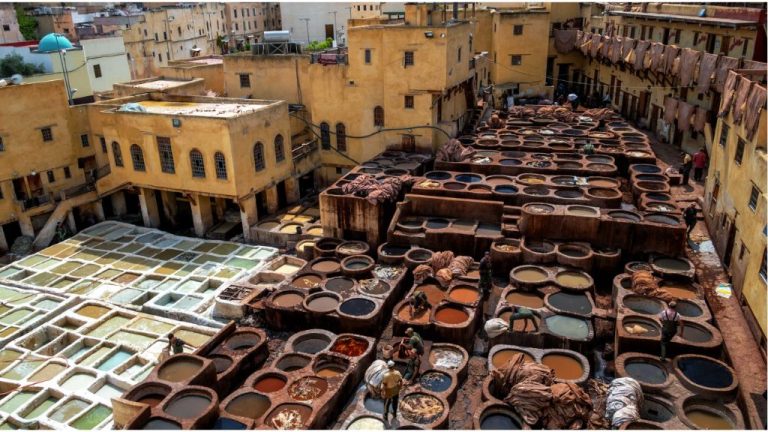
Tannery tours represent another common setup. A helpful person offers to show you the famous leather tanneries for free. You follow them through the medina to a tannery where they suddenly demand money and pressure you to buy overpriced leather goods. The tanneries themselves are legitimate but the commission-based guides inflate prices absurdly.
Carpet shop schemes involve someone striking up conversation and inviting you for tea at their family’s shop. The tea is free but you’ll spend an hour watching carpet demonstrations while facing intense sales pressure. I made this mistake once early on and wasted half my afternoon in a shop buying something I didn’t want.
Restaurant redirections happen when you’re walking toward a place you researched and someone claims it closed or moved. They offer to take you to a better spot which turns out to be their cousin’s restaurant with tourist prices and mediocre food. Always trust your research and ignore these claims.
The best defense against scams? Never accept unsolicited help and never follow strangers to shops or restaurants. If you genuinely need directions ask shopkeepers or cafe staff rather than people hanging around tourist areas.
Safety for Solo Female Travelers
Women traveling alone face additional considerations in Morocco due to cultural differences around gender roles and interactions.
I know plenty of solo female travelers who’ve visited Marrakech without serious problems. The city sees enough independent women that you won’t stand out as unusual. But you will likely experience more attention and comments than male travelers.
Catcalling happens. Men will make kissing sounds or say things in French or Arabic as you walk past. It’s gross and annoying but typically stops at verbal harassment. Responding usually escalates the situation so most women develop a strategy of ignoring completely and moving on.
Dress codes matter more for women trying to minimize attention. You don’t need to cover everything but showing shoulders or wearing shorts above the knee attracts more stares and comments. I’ve watched female friends navigate the same streets in different outfits and the difference in harassment levels was obvious.
Physical touching occasionally occurs in crowded spaces. Someone might brush against you or put a hand on your back in ways that feel deliberate. Trust your instincts and create space immediately. These situations rarely escalate but they’re uncomfortable and violating.
Walking alone at night requires more caution for women. Stick to well-lit main streets and consider taking taxis after dark especially in quieter medina sections. I know women who walk everywhere at all hours without issues and others who prefer not to risk it. Your comfort level matters most.
The solo female travelers I’ve met who had the best experiences all mentioned the importance of confidence. Walking with purpose and projecting certainty that you know where you’re going reduces the number of approaches. Looking lost or uncertain invites more attention.
Theft and Petty Crime
Pickpocketing exists in Marrakech like any tourist destination but it’s not rampant. I’ve never been pickpocketed in Morocco though I know people who have lost phones or wallets in crowded areas.
The souks and Jemaa el-Fnaa present the highest risk because of dense crowds and distractions. Keep valuables in front pockets or a bag you can see. Don’t leave phones sitting on cafe tables. Be aware when someone bumps into you or creates a commotion nearby.
Bag slashing happens occasionally where someone cuts a strap or bag bottom to grab contents. Cross-body bags with the bag in front of you work better than backpacks you can’t see. I use a simple canvas bag that wouldn’t be worth stealing and keep my phone and wallet separate.
Room theft in accommodations is rare. Most riads have safes and I’ve never heard of issues with staff stealing from guests. Still use common sense and lock up passports and extra cash.
Violence against tourists is extremely rare. Morocco depends heavily on tourism and authorities take tourist safety seriously. You’re far more likely to be scammed than physically threatened.
Practical Safety Measures
Some basic precautions make solo travel in Marrakech significantly smoother.
Save your riad’s location and phone number offline before exploring. Cell service can be spotty in the medina and having that information accessible without internet has saved me multiple times when lost.
Share your general plans with someone back home. I text my sister when I’m heading out for the day and check in each evening. It’s a simple safety net that costs nothing.
Carry emergency cash separately from your main wallet. I keep 200 dirhams in my shoe which would cover a taxi back to my riad if I lost everything else.
Learn basic Arabic phrases beyond just no thank you. Knowing how to say help or I need police or leave me alone gives you options if a situation escalates beyond normal hassle.
Trust reputable tour companies for day trips outside the city. Going to the Atlas Mountains or Sahara with random people offering cheap deals creates unnecessary risk. Established companies cost more but provide accountability.
Register with your embassy if staying more than a week. Most embassies offer free registration that helps them contact you if something goes wrong in the country.
When to Seek Help
Know where to go if you need assistance. Your riad staff should be your first resource for problems. They can help with everything from calling police to finding medical care to dealing with scams.
Tourist police wear special uniforms and patrol major sites. They speak better English than regular police and handle tourist-related issues specifically. I’ve seen them shut down aggressive touts and help lost travelers multiple times.
The emergency number in Morocco is 19 for police though getting English speakers can be challenging. Having your riad call on your behalf works better in most situations.
Your embassy can assist with serious problems like lost passports or legal issues though they have limited power to intervene in local matters. Save their contact information before traveling.
My Take After Multiple Visits
Marrakech requires thicker skin than many destinations. The hassle factor exhausts some people to the point where they can’t enjoy the incredible parts of the city. If constant seller attention and cultural friction around gender norms sounds unbearable then maybe Morocco isn’t your spot right now.
But if you can accept those annoyances as the price of admission? Marrakech offers experiences you won’t find anywhere else. I’ve had incredible meals and conversations and moments wandering the medina at dawn when everything glows orange and quiet.
The safety concerns are manageable with awareness and preparation. You’re not risking your life walking around. You’re just dealing with cultural differences and tourist industry aggression that feel more intense when you’re alone.
Once you’ve got safety basics covered the fun part begins. Figuring out what to actually do in this wild city and how to experience it in ways that work for solo travelers looking to explore without feeling isolated the whole time.