
Moroccan cuisine offers one of travel’s greatest pleasures, but dining alone in an unfamiliar culture presents unique challenges. From figuring out which street food stalls are safe to finding restaurants where solo diners feel comfortable, eating well in Marrakech requires local knowledge. The city’s culinary landscape spans everything from humble tajine spots frequented by locals to elegant riads serving multi-course feasts. Understanding where to eat, what to order, and how to navigate food experiences independently enriches your journey while keeping you healthy and satisfied.
Essential Moroccan Dishes
Start with tajine because you’ll see it everywhere and it’s often your safest solo dining option. Tajine refers both to the conical clay pot and the slow braised dish cooked inside it. Meat or vegetables simmer for hours with spices dried fruit and preserved lemons until everything turns tender and aromatic.
Common variations include chicken with olives and preserved lemon. Lamb with prunes and almonds. Beef with vegetables. Kefta which is spiced meatballs in tomato sauce. Each tajine comes as an individual portion so you’re never stuck ordering for two.
I always go for chicken lemon olive when I see it done well. The preserved lemons give this sharp salty brightness that cuts through rich sauce. Scooping everything up with fresh bread becomes almost meditative after a long day of medina chaos.
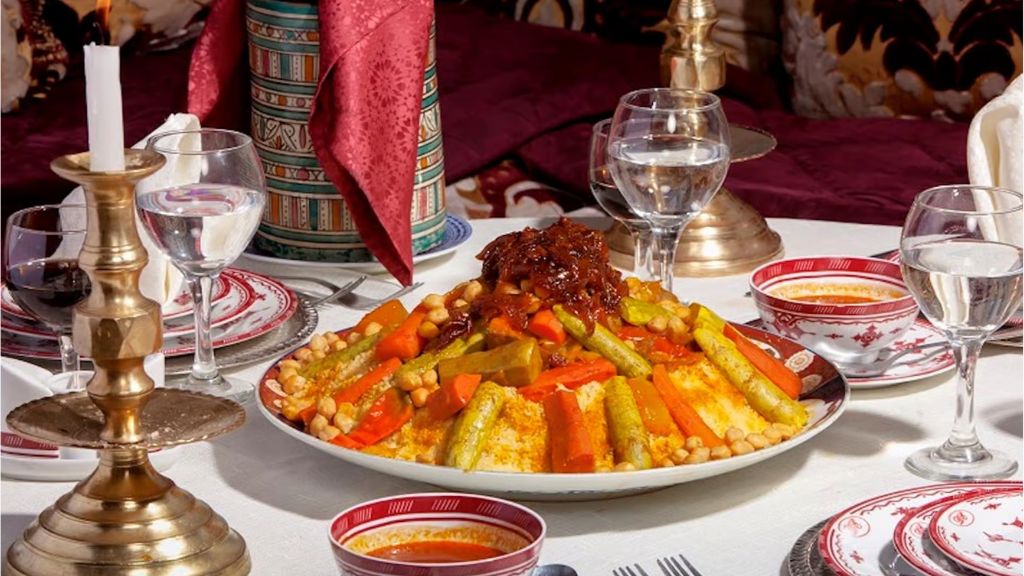
Couscous traditionally appears on Fridays as a family meal but restaurants serve it daily. Steamed semolina grains piled high with vegetables and meat all finished with a light broth. It’s filling and comforting in a way that feels like someone’s grandmother cooked it.
Pastilla shows up less often but deserves attention when you find it. Layers of thin pastry filled with spiced meat traditionally pigeon but often chicken now then dusted with powdered sugar and cinnamon. The sweet savory combination sounds strange but works beautifully.
Harira is a thick soup made with tomatoes lentils chickpeas and lamb. Moroccans break their Ramadan fast with harira but street vendors sell it year round. A bowl costs almost nothing and fills you up on cold evenings.
Mechoui means slow roasted lamb that falls off the bone. You’ll find it at specialized restaurants where whole lambs rotate over coals in the window. Point to what looks good and they’ll carve you a portion with cumin salt to sprinkle over.
Don’t skip Moroccan salads which aren’t lettuce based but cooked vegetable dishes served at room temperature. Zaalouk is smoky eggplant and tomato. Taktouka is roasted peppers. Carrot salad comes sweet with cinnamon. Restaurants bring several small plates to start your meal and I often make a whole lunch from these.
Street Food Essentials
Street food in Marrakech can be incredible or it can wreck your stomach. Knowing what to eat and where to eat it makes all the difference.
Fresh orange juice dominates Jemaa el Fnaa with competing vendors squeezing fruit into glasses right in front of you. It costs 4-6 dirhams and tastes better than any juice back home. I drink it almost daily but always watch them pour it fresh rather than accepting something already sitting out.
Snail soup sounds adventurous but locals swear by it for digestion. Small bowls of broth swimming with tiny snails that you pull out with toothpicks. The broth tastes like spiced tea more than seafood. I tried it once mostly for the experience and it was fine but not something I crave.
Msemen are layered flatbreads fried on griddles until crispy and served plain or stuffed with cheese honey or spiced meat. Fresh msemen in the morning with coffee makes a perfect breakfast. Look for women cooking them on street corners in residential neighborhoods rather than tourist areas.
Brochettes mean meat skewers grilled over charcoal. Kefta ground meat mixed with herbs and spices. Chicken liver which I skip but locals love. Merguez sausages. The smoke and char give everything great flavor and they’re safe because meat cooks thoroughly over high heat.
Fried fish appears in certain neighborhoods away from the main tourist zones. Whole small fish seasoned and fried crispy. Served with bread and sometimes harissa. I’ve had good luck with fish near Bab Doukkala gate where locals actually eat.
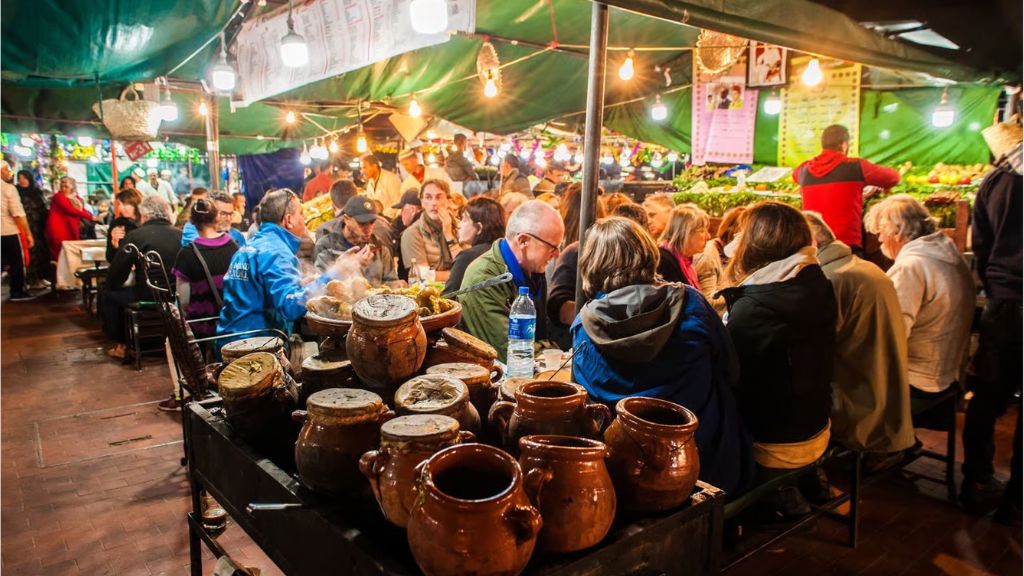
Avoid the food stalls in Jemaa el Fnaa at night unless you have a strong stomach and low standards. They target tourists and quality varies wildly. Plus the aggressive touts pulling you toward their stalls ruins any enjoyment. Better street food exists throughout the medina if you’re willing to walk a bit.
Where To Eat Alone Without Feeling Awkward
Solo dining anxiety hits differently in Morocco than Europe or North America. Moroccan culture centers heavily on communal eating so restaurants sometimes seem confused by lone diners.
Smaller neighborhood cafes work perfectly for solo meals. These basic spots serve tajine couscous and salads to working locals who eat quickly and leave. No one cares that you’re alone because half the customers are too. Prices stay low and food tends to be reliable if not fancy.
I have a few favorite spots I return to each visit. The staff recognize me after a couple meals and start bringing extra bread or suggesting what’s good that day. That familiarity makes solo eating feel less isolated.
Rooftop restaurants accommodate solo diners naturally because you’re there for the view as much as the food. Grab a table along the edge watch the medina spread out below and no one questions why you’re dining alone. The atmosphere carries you through the meal.
Riad restaurants where you’re staying obviously work well since you’re already a guest. Many riads offer dinner with advance notice and eating in your accommodation removes any social pressure about dining solo.
Street food eliminates awkwardness entirely. You order you eat standing or perched on a stool you leave. No lingering no waiter hovering wondering why you’re taking up a table alone.
For nicer dining experiences I’ve learned to go earlier around 7pm rather than peak dinner time. Restaurants are less crowded and staff have more time to chat if you want conversation. Late dinners when couples and groups fill every table can feel more isolating.
Food Safety For Solo Travelers
Getting sick alone in a foreign country ranks among travel’s worst experiences. A few precautions keep your stomach happy.
Busy places are safer than empty ones. High turnover means fresher ingredients and less time for bacteria to grow. If locals crowd a stall or restaurant that’s usually a good sign.
Watch food preparation when possible. Meat cooked thoroughly over high heat or braised for hours poses less risk than lukewarm dishes sitting out. Vegetables should look fresh not wilted or browning.
Avoid tap water completely. That includes ice in drinks and salads washed in tap water. Stick to bottled water and skip ice unless you’re at a very nice restaurant where you trust their standards.
Peel your own fruit when buying from markets. Oranges bananas apples all fine. Pre cut fruit salad from street vendors is risky because you don’t know what water they used for washing.
Dairy products need caution. Fresh yogurt from sealed containers is usually fine. Cheese from market stalls in the heat less so. Use common sense about storage and refrigeration.
I carry Imodium and rehydration salts just in case. Most stomach issues pass quickly if you rest and stay hydrated. Severe problems lasting more than a day warrant seeing a doctor.
Start conservatively your first few days. Let your system adjust before diving into adventurous street food. I always play it safer at the beginning then branch out once I know my stomach is handling things well.
Traditional Breakfast Options
Moroccan breakfast looks different than Western expectations. No eggs or bacon or pancakes. Breakfast here means bread olive oil honey jam and mint tea.
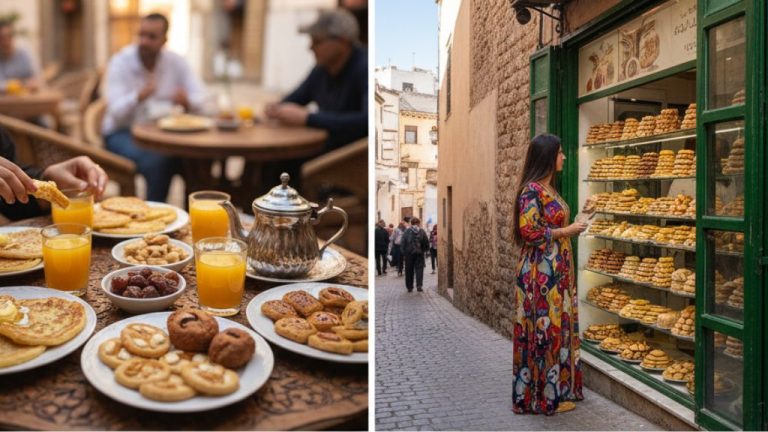
Msemen or rghaif are the breakfast breads you’ll see most often. Msemen is square and layered. Rghaif is similar but rolled differently. Both get eaten with honey butter or jam alongside mint tea.
Beghrir are spongy pancakes riddled with holes that soak up honey or butter. They’re slightly sweet and have this unique texture from the yeast batter. I love them but not every place makes them well.
Harcha is a semolina flatbread that tastes somewhere between bread and cake. Usually served plain or with butter and honey. Dense and filling.
Baghrir and harcha vendors set up early morning in residential areas. Follow the smell of fresh baking and you’ll find them. Grab breakfast to go or eat standing while it’s hot.
Most riads include breakfast with your room. Expect fresh bread with an assortment of jams honey cheese olives and fresh orange juice. It’s simple but sets you up well for morning exploration before the heat hits.
Coffee culture in Morocco leans heavily toward espresso served in small cups or café au lait which is half coffee half steamed milk. The coffee itself tends to be strong and slightly bitter. Pair it with something sweet.
Restaurant Recommendations By Area
In the northern medina near Dar el Bacha I always hit the small places along Rue Fatima Zohra. Basic tajine spots where workers eat lunch. Nothing fancy but consistently good and cheap.
Around Jemaa el Fnaa I skip most obvious tourist restaurants and head slightly north into the souks. Look for places with handwritten Arabic menus and customers who aren’t carrying cameras. Your best meals often hide behind anonymous doorways.
Café des Épices near Place des Épices offers solid food decent prices and a great terrace for solo dining. It’s popular with travelers so you might meet people but the vibe stays relaxed.
Le Jardin in the medina center has beautiful garden seating and a menu mixing Moroccan and international dishes. Slightly pricier but the setting justifies it and solo diners blend in easily.
For mechoui head to Mechoui Alley near Bab Aghmat. Several restaurants specialize in slow roasted lamb and the quality stays high because it’s what they do all day. Point at meat that looks good and they’ll serve you.
Gueliz offers more international options and cafes with wifi when you need a break from Moroccan food. I’ve found decent pizza pasta and burgers along Avenue Mohammed V when tajine fatigue sets in.
Navigating Menus And Ordering
Many traditional restaurants don’t have English menus or prices listed. This intimidates solo travelers but you can manage it.
Learn key words. Djaj is chicken. Lahm is meat usually lamb or beef. Khodra means vegetables. Samak is fish. These basics help you decode Arabic menus.
Point at what other diners are eating if it looks good. Most restaurants serve similar dishes so you can usually communicate what you want through gestures and a few words.
Ask prices before ordering to avoid surprises. Hold up fingers to confirm numbers if language barriers exist. Most restaurants are honest about prices but clarifying upfront prevents awkward bill situations.
Set menus work well for solo travelers. Many places offer fixed price meals with soup salad tajine and tea. You know the cost upfront and don’t have to piece together a meal from individual items.
Portions in Morocco are generous. One tajine easily fills you up especially with bread. Don’t over order your first few meals until you understand how much food you actually need.
Mint Tea Culture
Moroccan mint tea deserves its own section because it’s more than just a drink. It’s a ritual and a social lubricant and something you’ll consume multiple times daily.
The tea is Chinese green tea steeped with fresh mint and loaded with sugar. Served hot in small glasses from metal teapots poured from height to create foam. The first pour is traditionally for the host to taste. Guests receive the second and third pours.
Every meal ends with mint tea. Every shop visit includes offers of tea. Accepting tea signals you’re open to conversation and commerce. Declining repeatedly can seem rude though you’re not obligated to buy anything just because someone served you tea.
I drink mint tea constantly in Marrakech. Morning afternoon evening. It’s refreshing despite being hot and the sugar gives you energy for more walking. Plus taking tea breaks forces you to slow down and observe rather than rushing through experiences.
Cafes charge 6-10 dirhams for mint tea. Some places bring cookies or nuts alongside it. Sit as long as you want. No one rushes you to leave after finishing your glass.
My Eating Strategy
Over multiple trips I’ve developed a pattern that works for me. Light breakfast at my riad. Mid morning mint tea and msemen from a street vendor. Cheap tajine or street food lunch. Long break during hot afternoon. Early dinner at a mid-range place or rooftop. Evening stroll for fresh juice or snacks.
This rhythm keeps costs down while ensuring good food experiences. I splurge on one or two special meals per trip but mostly eat where locals eat. The food quality is often better at simple spots anyway because they focus on doing a few things well.
Solo dining becomes easier after the first awkward meal. You realize no one actually cares that you’re eating alone. Moroccans might be curious about you traveling solo but they’re not judging your dinner companions or lack thereof.
The freedom to eat what you want when you want ranks among solo travel’s best perks. Some days I skip proper meals entirely and graze on street snacks. Other days I sit for a long lunch and read while food comes in waves. No negotiation or compromise needed.
Marrakech food culture rewards curiosity and openness. Try things. Point at mysterious dishes. Accept tea from shop owners. Eat where smoke rises from grills and where locals line up. Your stomach might protest occasionally but the memorable meals far outweigh any temporary discomfort.