
I remember stepping off the train in Marrakech for the first time completely alone with a backpack and absolutely no idea what I was getting into. The noise hit me first. Then the heat. Then someone trying to sell me a carpet before I’d even left the station.
That trip changed how I think about travel. Marrakech demands your full attention in ways few cities do. It overwhelms and fascinates and occasionally frustrates you all within the same hour. But traveling solo here taught me more about navigating foreign places and trusting my instincts than any guidebook ever could.
Morocco’s red city isn’t the easiest destination for your first solo adventure. The medina maze confuses even experienced travelers. The constant vendor attention exhausts people who aren’t prepared for it. Cultural differences around gender roles and social interaction require awareness and adjustment.
But here’s what makes it worth the challenge. Marrakech rewards independent travelers who lean into the chaos rather than fighting it. You move at your own pace. You choose whether to spend hours photographing doorways or skip the museums entirely in favor of rooftop lounging. You meet people when you want company and disappear into quiet riads when you need space.
This guide covers everything I wish someone had told me before my first solo trip. When to go and where to stay. How to handle safety concerns without paranoia. What experiences actually deliver value and which ones waste your time and money. Plus the practical details about food budgets and navigation that make the difference between struggling and thriving.
Whether you’re planning your first international solo trip or you’ve traveled alone extensively but never to Morocco this breakdown gives you the foundation to explore Marrakech confidently.
Planning Your Solo Trip to Marrakech
Timing shapes your entire Marrakech experience in ways that go beyond just weather. I’ve visited in brutal July heat and mild October afternoons and freezing January mornings. Each season offers different advantages depending on what matters most to you.
Spring from March through May lands in that sweet spot most travel guides recommend. Temperatures hover around 20-28°C during the day which means comfortable exploration without melting into the pavement. Gardens across the city burst into bloom and the light turns everything golden. I visited in April once and the colors in Jardin Majorelle looked absolutely stunning.
The catch with spring? Everyone knows it’s prime season. Hotels charge premium rates especially around Easter when European families flood the city. You’ll share Jemaa el-Fnaa with significantly more tourists than other times of year. Book accommodations at least two months ahead if you’re targeting April or early May.
Summer brings the opposite scenario. June through August sees temperatures regularly hitting 38-42°C. The city bakes under relentless sun and walking through the medina at midday feels like moving through an oven. Most travel sites warn you away from summer completely.
But summer also brings the absolute lowest prices of the year. Luxury riads go for budget hostel rates. Restaurants have empty tables. The crowds vanish because locals who can afford it escape to the coast. If you’re comfortable with extreme heat and plan your days strategically summer actually works surprisingly well for solo travelers.
Fall might be my personal favorite though I’m biased because my first solo trip happened in October. The weather shifts from brutal summer heat to something far more reasonable. September still runs hot but by October temperatures settle into that comfortable 22-28°C range. The city comes back to life after summer’s slowdown without reaching winter’s tourist chaos.
Winter from December through February surprises people who assume Morocco stays warm year-round. Temperatures drop to 12-18°C during the day and nights can hit 5-8°C. The Atlas Mountains get snow and you’ll see it from the city on clear days. You’ll need layers and many riads don’t have heating so those tile floors get cold.
Your travel style matters more than general recommendations. If you hate crowds and don’t mind heat then summer or late fall works perfectly. Budget travelers should target January-February or July-August for the best accommodation deals. Festival timing adds another layer with events like the Marrakech Popular Arts Festival in July or the International Film Festival each November.
Understanding seasonal patterns helps you choose the window that matches your priorities. The best time to visit Marrakech for solo travelers really depends on whether you value perfect weather social opportunities budget savings or avoiding crowds most.
Where to Stay in Marrakech as a Solo Traveler
Location affects everything about your Marrakech experience. How much you’ll walk. How safe you feel coming home at night. Whether you’ll actually meet other travelers. After staying in different parts of the city across multiple trips I’ve learned that choosing the right neighborhood matters as much as picking the right accommodation.
The medina is what most people picture when they think of Marrakech. Ancient walls surrounding a maze of narrow alleys packed with souks and riads and enough chaos to overwhelm your senses within five minutes. Staying inside the medina puts you at the heart of everything. You can roll out of your riad and be in Jemaa el-Fnaa within ten minutes of walking.
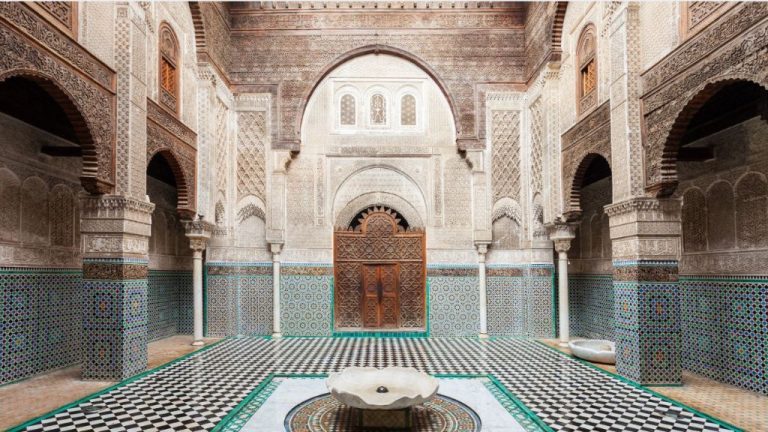
The accommodation here runs almost entirely to riads which are traditional houses built around interior courtyards. Most have been converted into guesthouses ranging from basic budget spots to luxury properties with pools and spa services. I’ve stayed in riads where breakfast on the rooftop terrace became my favorite part of each day.
But medina life comes with tradeoffs. Those narrow alleys mean no cars which sounds charming until you’re dragging luggage over uneven stones trying to find your riad. Google Maps loses its mind in the medina because GPS signals bounce off walls. I still get turned around sometimes and I know the area fairly well.
Solo travelers need to think about navigation and safety walking back to your riad after dark through empty alleys. The medina isn’t dangerous but it’s dark and confusing and you’re alone. I always make sure I know my route and have my riad’s phone number saved before going out at night.
Gueliz sprawls west of the medina as Marrakech’s modern district. Wide boulevards with actual traffic lights. Pharmacies and banks and a real shopping mall. It feels like any mid-sized city which either appeals or defeats the whole point of coming to Morocco depending on your perspective.
I stayed in Gueliz during one trip when I needed a break from medina intensity. The neighborhood gave me space to breathe and regroup. You can walk down streets without constant vendor attention and find familiar chains if you’re craving something predictable.
Accommodation here skews toward hotels rather than riads. You’ll find international brands and local chains with amenities like gyms and business centers. Prices often run lower than comparable medina properties because tourists prioritize authentic stays.
For solo travelers Gueliz offers real advantages. Navigation makes sense with numbered streets and working GPS. You can walk to restaurants and cafes at any hour without safety concerns. The neighborhood attracts fewer tourists which means you’ll interact more with locals going about normal life.
The downside? You’re removed from the main attractions. Getting to the medina requires a 20-30 minute walk or a taxi ride. That adds up over several days especially if you’re going back and forth multiple times.
Hivernage sits between the medina and Gueliz as a green buffer zone filled with gardens and upscale hotels. The neighborhood developed during French colonial period and still carries that legacy in wide tree-lined streets and art deco architecture. This area caters to luxury travelers with properties like La Mamounia setting the tone.
Solo travelers on a budget can skip Hivernage entirely. The neighborhood doesn’t offer the social atmosphere of medina guesthouses or the practical advantages of Gueliz. You’re paying for polish and privacy which matters more to couples or families than independent travelers trying to meet people.
If this is your first time in Marrakech and you want the full experience stay in the medina. Pick a riad in the northern section near Dar el Bacha or around Mouassine which puts you close to major sites but away from the most intense tourist zones. Look for properties with good reviews about helping guests navigate and providing clear arrival instructions.
Budget solo travelers should consider small guesthouses in the medina or hotels in Gueliz. A basic medina riad starts around 200-300 dirhams per night while Gueliz hotels can go even lower. Solo travelers prioritizing safety and ease over atmosphere will prefer Gueliz especially for longer stays when medina intensity becomes exhausting.
Understanding where to stay in Marrakech as a solo traveler helps you pick accommodation that matches your comfort level and travel style rather than just booking the prettiest riad photos.
Safety Tips for Solo Travelers in Marrakech
People always ask me if Marrakech is safe before their first trip. Usually with this worried tone like they’ve heard stories and want confirmation they’re not making a terrible mistake.
The honest answer? Marrakech is generally safe but comes with annoyances that can feel threatening if you’re not prepared for them. I’ve never felt physically unsafe in the city but I have felt harassed and overwhelmed and frustrated to the point of wanting to hide in my riad.
The biggest challenge in Marrakech isn’t crime or danger. It’s the constant attention from people trying to sell you something or guide you somewhere or convince you that you need their help. Walk through Jemaa el-Fnaa and within thirty seconds someone will approach offering to show you the best leather shop. Pause to look at your phone and a helpful local appears insisting you’re lost and he knows exactly where you’re going.
This happens all day every day in tourist areas. The vendors and touts and self-appointed guides never stop because enough tourists eventually say yes to make the harassment worth it. I remember my first afternoon in the medina when I got approached probably fifteen times in an hour. By the end I felt angry and defensive and ready to snap at anyone who spoke to me.
The key is learning to say no firmly and keep moving. “La shukran” means no thank you in Arabic and becomes your most used phrase. Don’t stop walking. Don’t make eye contact. Don’t engage in conversation because that’s when they hook you with questions about where you’re from or compliments on your Arabic or whatever tactic works.
Some solo travelers especially women worry this attention indicates danger. It doesn’t. These guys want your money not to hurt you. They’re pushy and annoying but not threatening in a physical sense. Learning to distinguish between harassment and actual danger lets you navigate confidently.
Common scams run the gamut from mildly annoying to genuinely expensive. The fake guide scam tops the list. Someone approaches claiming you look lost and offers to show you to your destination. They walk with you making friendly conversation and suddenly you’re at your riad and they demand 100-200 dirhams for guiding services you never requested.
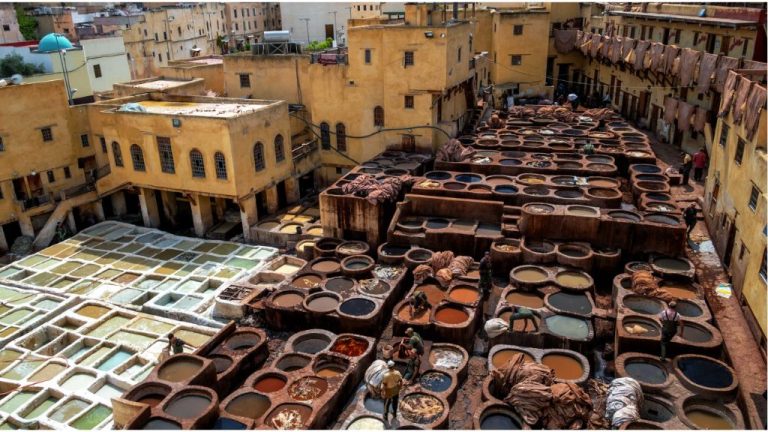
Tannery tours represent another common setup. A helpful person offers to show you the famous leather tanneries for free. You follow them through the medina to a tannery where they suddenly demand money and pressure you to buy overpriced leather goods. The tanneries themselves are legitimate but the commission-based guides inflate prices absurdly.
Carpet shop schemes involve someone striking up conversation and inviting you for tea at their family’s shop. The tea is free but you’ll spend an hour watching carpet demonstrations while facing intense sales pressure. I made this mistake once early on and wasted half my afternoon in a shop buying something I didn’t want.
The best defense against scams? Never accept unsolicited help and never follow strangers to shops or restaurants. If you genuinely need directions ask shopkeepers or cafe staff rather than people hanging around tourist areas.
Women traveling alone face additional considerations in Morocco due to cultural differences around gender roles and interactions. I know plenty of solo female travelers who’ve visited Marrakech without serious problems. The city sees enough independent women that you won’t stand out as unusual. But you will likely experience more attention and comments than male travelers.
Catcalling happens. Men will make kissing sounds or say things in French or Arabic as you walk past. It’s gross and annoying but typically stops at verbal harassment. Responding usually escalates the situation so most women develop a strategy of ignoring completely and moving on.
Dress codes matter more for women trying to minimize attention. You don’t need to cover everything but showing shoulders or wearing shorts above the knee attracts more stares and comments. Physical touching occasionally occurs in crowded spaces. Someone might brush against you or put a hand on your back in ways that feel deliberate. Trust your instincts and create space immediately.
Walking alone at night requires more caution for women. Stick to well-lit main streets and consider taking taxis after dark especially in quieter medina sections. The solo female travelers I’ve met who had the best experiences all mentioned the importance of confidence. Walking with purpose and projecting certainty that you know where you’re going reduces the number of approaches.
Pickpocketing exists in Marrakech like any tourist destination but it’s not rampant. I’ve never been pickpocketed in Morocco though I know people who have lost phones or wallets in crowded areas. The souks and Jemaa el-Fnaa present the highest risk because of dense crowds and distractions. Keep valuables in front pockets or a bag you can see. Don’t leave phones sitting on cafe tables.
Violence against tourists is extremely rare. Morocco depends heavily on tourism and authorities take tourist safety seriously. You’re far more likely to be scammed than physically threatened.
Some basic precautions make solo travel in Marrakech significantly smoother. Save your riad’s location and phone number offline before exploring. Cell service can be spotty in the medina and having that information accessible without internet has saved me multiple times when lost. Share your general plans with someone back home. Carry emergency cash separately from your main wallet. Learn basic Arabic phrases beyond just no thank you.
Your riad staff should be your first resource for problems. They can help with everything from calling police to finding medical care to dealing with scams. Tourist police wear special uniforms and patrol major sites. They speak better English than regular police and handle tourist-related issues specifically.
Marrakech requires thicker skin than many destinations. The hassle factor exhausts some people to the point where they can’t enjoy the incredible parts of the city. But if you can accept those annoyances as the price of admission the safety concerns are manageable with awareness and preparation. Understanding what’s actually dangerous versus what’s just culturally different helps you relax and explore with confidence rather than constant worry.
Top Things to Do in Marrakech Solo
Marrakech can feel intense at first especially when you arrive alone. The sounds the smells the colors the constant movement around you. It hits all at once. But once you settle in the city becomes one of the most rewarding places to explore solo because you choose your own pace.
Over the years I’ve tested different ways of experiencing Marrakech on my own. Some days I wanted quiet corners and slow walks. Other days I wanted to dive headfirst into the chaos and let the city carry me. These are the activities that kept me coming back.
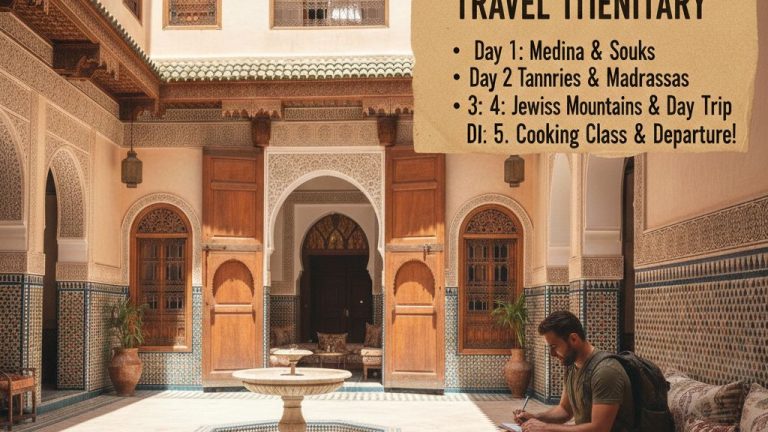
Wandering the souks really is the classic Marrakech experience even if it sounds cliché. The covered market streets twist and turn in every direction with stalls selling leather lanterns spices ceramics carpets metalwork and everything in between. As a solo traveler you can move at your own speed. No one rushing you to the next shop. No debate about where to turn.
I like starting near Jemaa el Fnaa and slowly working my way toward the quieter northern parts of the medina where workshops replace tourist stalls. You will get lost. Everyone does. That’s part of the experience. When I realize I’ve completely lost my sense of direction I head toward any main-looking alley and follow the flow until I recognize something.
Watching sunset on Jemaa el Fnaa from a rooftop cafe transforms the overwhelming square into something magical. Around late afternoon I head to a rooftop on the square and claim a table along the edge. Order a mint tea and watch as the sun drops and the square slowly transforms. Food stalls set up metal frames. Carts roll into position. Lights flicker on one by one.
From up there you stay slightly removed from the chaos but still inside the energy. As a solo traveler it’s the perfect way to experience the square without feeling swallowed by the crowd.
Jardin Majorelle shows up in almost every Marrakech guide for a reason. The electric blue buildings tall cacti bamboo forest and water features create a calm pocket far from medina noise. The key is timing. Go early in the morning as soon as it opens. Later in the day the garden fills with tour groups and selfie crowds and the peaceful atmosphere disappears.
Taking a cooking class might be the most solo friendly activity in Marrakech. You join a small group head to a local market with a Moroccan cook buy ingredients together then spend a few hours preparing dishes like tajine zaalouk and Moroccan salads. You learn something useful and you automatically meet other travelers without forced small talk. The shared task gives you something to focus on.
The first time I went to a proper local hammam I’ll admit I felt slightly nervous. You strip down you let strangers scrub you and you don’t fully understand the routine at first. But once you lean into it the whole experience becomes incredibly grounding. Public hammams separate by gender so solo travelers never stand out. After an hour of steaming scrubbing and rinsing I always leave feeling like someone reset my entire body.
A small group walking tour gives you context about the history the architecture the hidden corners behind anonymous doors that you miss wandering alone. It’s also an easy way to meet other solo travelers without committing to spending your whole day together. I’ve finished tours and then grabbed lunch with people I met that morning more than once.
Both Bahia Palace and El Badi Palace sit within walking distance of each other in the southern medina. Bahia shows off intricate tilework carved cedar ceilings colorful glass windows and lush courtyards. El Badi stands mostly in ruins with massive sunken courtyards and nesting storks along the walls. Solo travel really shines in places like these. You’re free to linger where you feel drawn without worrying about someone else’s schedule.
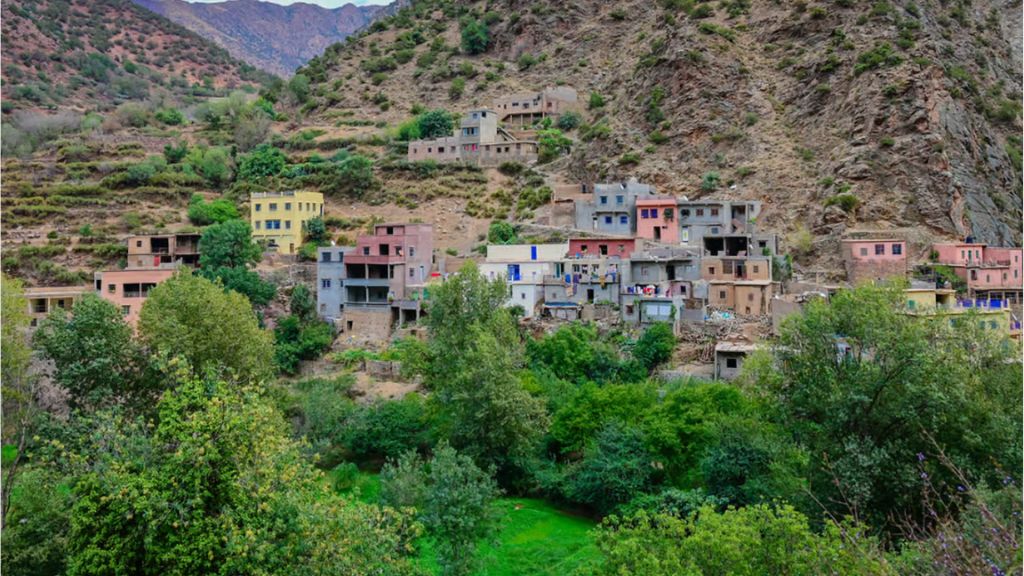
One of the best parts of Marrakech is how quickly you can trade medina noise for mountain silence. Day trips to the nearby Atlas Mountains leave regularly and work well for solo travelers who don’t want to organize everything themselves. Most trips include a village visit short hike and lunch in a local home or small restaurant. Standing on a ridge in the mountains after days of medina intensity always resets my brain.
Marrakech rooftops make solo dining feel natural rather than awkward. You’re not sitting in a brightly lit restaurant staring at four walls. You’re watching the city shift color as the sun goes down while calls to prayer overlap from different mosques. I like arriving just before sunset finding a corner table and ordering a simple dinner. Staff in these places are usually used to solo diners. No one gives you strange looks for eating alone.
The Saadian Tombs hide behind high walls near the Kasbah Mosque. They were sealed for centuries and rediscovered in the early 1900s. The site itself is relatively small but detailed. I tend to go early when it’s quieter. As a solo traveler you can stand off to the side and actually absorb the space instead of rushing along with a group.
Beyond the traditional souks Marrakech has grown a scene of modern concept stores mixing Moroccan craft with contemporary design. Places that curate handmade pieces rather than piling them to the ceiling. Browsing these shops gives you ideas of what fair prices look like and what quality actually means. Nobody pressures you to purchase and staff are often happy to share stories about the makers they work with.
Marrakech wakes slowly. At sunrise the streets sit almost empty except for cleaners washing down pavements and bakery workers loading bread into ovens. Dawn walks are perfect for solo travelers who want to experience the city without constant approaches. Few vendors are working that early. You can photograph doors alleys and small scenes without people stepping into your frame trying to sell something.
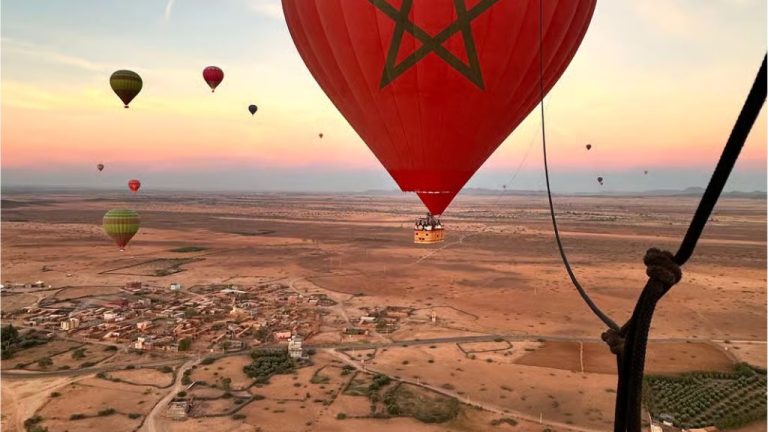
If your budget stretches a little a sunrise hot air balloon ride over the outskirts of Marrakech creates one of those core travel memories that stick for years. You get picked up before dawn driven out to launch sites then float over fields and small villages as the sun climbs. There’s something about that quiet gliding feeling looking down at tiny roads and distant mountains that makes all the medina noise feel far away.
Even if you’re comfortable eating alone a guided food tour at night gives you a different angle on the city. You follow a local through back streets you’d never find on your own sample snacks from stalls you might otherwise avoid and sit down to shared plates with strangers who stop being strangers pretty quickly.
Figuring out what to actually do when traveling solo to Marrakech means balancing structured activities with free exploration. Some experiences work better with a guide or group while others reward solo wandering. The beauty of independent travel is choosing exactly how much solitude or company feels right on any given day.
Marrakech Food Guide for Solo Travelers
Food might be the best part of traveling solo in Marrakech. No compromises about where to eat or how long to linger over mint tea. No one rushing you or complaining that they don’t like spicy food. Just you and whatever smells good that day.
Moroccan cuisine is rich with slow cooked flavors and spice combinations that feel both familiar and completely foreign. After years of eating my way through Marrakech I’ve figured out what works and what doesn’t when you’re dining alone in a culture where food often centers on communal sharing.
Start with tajine because you’ll see it everywhere and it’s often your safest solo dining option. Tajine refers both to the conical clay pot and the slow braised dish cooked inside it. Meat or vegetables simmer for hours with spices dried fruit and preserved lemons until everything turns tender and aromatic. Each tajine comes as an individual portion so you’re never stuck ordering for two.
Common variations include chicken with olives and preserved lemon. Lamb with prunes and almonds. Beef with vegetables. Kefta which is spiced meatballs in tomato sauce. I always go for chicken lemon olive when I see it done well. The preserved lemons give this sharp salty brightness that cuts through rich sauce.
Couscous traditionally appears on Fridays as a family meal but restaurants serve it daily. Steamed semolina grains piled high with vegetables and meat all finished with a light broth. It’s filling and comforting in a way that feels like someone’s grandmother cooked it.
Harira is a thick soup made with tomatoes lentils chickpeas and lamb. Moroccans break their Ramadan fast with harira but street vendors sell it year round. A bowl costs almost nothing and fills you up on cold evenings.
Don’t skip Moroccan salads which aren’t lettuce based but cooked vegetable dishes served at room temperature. Zaalouk is smoky eggplant and tomato. Taktouka is roasted peppers. Carrot salad comes sweet with cinnamon. Restaurants bring several small plates to start your meal and I often make a whole lunch from these.
Street food in Marrakech can be incredible or it can wreck your stomach. Knowing what to eat and where to eat it makes all the difference. Fresh orange juice dominates Jemaa el Fnaa with competing vendors squeezing fruit into glasses right in front of you. It costs 4-6 dirhams and tastes better than any juice back home. I drink it almost daily but always watch them pour it fresh rather than accepting something already sitting out.
Msemen are layered flatbreads fried on griddles until crispy and served plain or stuffed with cheese honey or spiced meat. Fresh msemen in the morning with coffee makes a perfect breakfast. Look for women cooking them on street corners in residential neighborhoods rather than tourist areas.
Brochettes mean meat skewers grilled over charcoal. Kefta ground meat mixed with herbs and spices. Chicken liver which I skip but locals love. Merguez sausages. The smoke and char give everything great flavor and they’re safe because meat cooks thoroughly over high heat.
Avoid the food stalls in Jemaa el Fnaa at night unless you have a strong stomach and low standards. They target tourists and quality varies wildly. Plus the aggressive touts pulling you toward their stalls ruins any enjoyment. Better street food exists throughout the medina if you’re willing to walk a bit.
Solo dining anxiety hits differently in Morocco than Europe or North America. Moroccan culture centers heavily on communal eating so restaurants sometimes seem confused by lone diners. Smaller neighborhood cafes work perfectly for solo meals. These basic spots serve tajine couscous and salads to working locals who eat quickly and leave. No one cares that you’re alone because half the customers are too.
I have a few favorite spots I return to each visit. The staff recognize me after a couple meals and start bringing extra bread or suggesting what’s good that day. That familiarity makes solo eating feel less isolated.
Rooftop restaurants accommodate solo diners naturally because you’re there for the view as much as the food. Grab a table along the edge watch the medina spread out below and no one questions why you’re dining alone. The atmosphere carries you through the meal.
Street food eliminates awkwardness entirely. You order you eat standing or perched on a stool you leave. No lingering no waiter hovering wondering why you’re taking up a table alone.
Getting sick alone in a foreign country ranks among travel’s worst experiences. A few precautions keep your stomach happy. Busy places are safer than empty ones. High turnover means fresher ingredients and less time for bacteria to grow. Watch food preparation when possible. Meat cooked thoroughly over high heat or braised for hours poses less risk than lukewarm dishes sitting out.
Avoid tap water completely. That includes ice in drinks and salads washed in tap water. Stick to bottled water and skip ice unless you’re at a very nice restaurant where you trust their standards. Peel your own fruit when buying from markets. Pre cut fruit salad from street vendors is risky because you don’t know what water they used for washing.
I carry Imodium and rehydration salts just in case. Most stomach issues pass quickly if you rest and stay hydrated. Start conservatively your first few days. Let your system adjust before diving into adventurous street food.
Moroccan breakfast looks different than Western expectations. Msemen or rghaif are the breakfast breads you’ll see most often. Beghrir are spongy pancakes riddled with holes that soak up honey or butter. Harcha is a semolina flatbread that tastes somewhere between bread and cake. Most riads include breakfast with your room. Expect fresh bread with an assortment of jams honey cheese olives and fresh orange juice.
In the northern medina near Dar el Bacha I always hit the small places along Rue Fatima Zohra. Basic tajine spots where workers eat lunch. Nothing fancy but consistently good and cheap. Around Jemaa el Fnaa I skip most obvious tourist restaurants and head slightly north into the souks. Look for places with handwritten Arabic menus and customers who aren’t carrying cameras.
Café des Épices near Place des Épices offers solid food decent prices and a great terrace for solo dining. Le Jardin in the medina center has beautiful garden seating and a menu mixing Moroccan and international dishes. For mechoui head to Mechoui Alley near Bab Aghmat where several restaurants specialize in slow roasted lamb.
Many traditional restaurants don’t have English menus or prices listed. Learn key words. Djaj is chicken. Lahm is meat usually lamb or beef. Khodra means vegetables. Point at what other diners are eating if it looks good. Ask prices before ordering to avoid surprises.
Moroccan mint tea deserves attention because it’s more than just a drink. It’s a ritual and a social lubricant and something you’ll consume multiple times daily. The tea is Chinese green tea steeped with fresh mint and loaded with sugar. Served hot in small glasses from metal teapots poured from height to create foam.
Every meal ends with mint tea. Every shop visit includes offers of tea. I drink mint tea constantly in Marrakech. Morning afternoon evening. Cafes charge 6-10 dirhams for mint tea. Sit as long as you want. No one rushes you to leave after finishing your glass.
Over multiple trips I’ve developed a pattern that works for me. Light breakfast at my riad. Mid morning mint tea and msemen from a street vendor. Cheap tajine or street food lunch. Long break during hot afternoon. Early dinner at a mid-range place or rooftop. Evening stroll for fresh juice or snacks.
Solo dining becomes easier after the first awkward meal. You realize no one actually cares that you’re eating alone. The freedom to eat what you want when you want ranks among solo travel’s best perks. Navigating Marrakech food culture and understanding where to find great meals without getting sick transforms your trip from good to genuinely memorable.
Marrakech Travel Budget and Money-Saving Tips
Money questions always come up when people plan their first solo trip to Marrakech. Everyone wants to know if it’s actually cheap or if that’s just outdated backpacker talk from years ago.
The truth sits somewhere in the middle. Marrakech can be incredibly affordable if you know where to spend and where to save. But tourist areas inflate prices fast and solo travelers face challenges like paying full accommodation rates without splitting costs.
After tracking expenses across multiple trips at different budget levels I can break down what you’ll actually spend and where your money goes.
A budget solo traveler can manage on about 400-600 dirhams per day which works out to roughly 40-60 dollars. That covers basic accommodation street food and local transport with minimal paid activities. A mid-range solo traveler falls closer to 800-1200 dirhams per day with nicer riads occasional restaurant meals some guided tours and regular taxis when you don’t feel like walking.
Where you sleep eats the biggest chunk of any travel budget. Basic medina guesthouses start around 150-250 dirhams per night for a simple private room. Mid-range riads usually sit between 400-800 dirhams. Luxury riads and boutique hotels jump to 1200-3000 dirhams or more. Solo travelers pay the same as couples for rooms which stings a bit. Some guesthouses offer smaller single rooms at reduced rates but they’re rare.
Food costs depend entirely on where you eat. Street food and local cafes keep expenses low. A bowl of harira soup costs 5-10 dirhams. Fresh orange juice runs 4-6 dirhams. A plate of grilled meat with bread and salad might be 40-60 dirhams. You can eat well all day spending maybe 80-100 dirhams if you stick to local spots. Mid-range restaurants in the medina charge 80-150 dirhams for tajine or couscous dishes.
Getting around Marrakech costs less than almost any city I’ve visited. Walking handles most medina exploration. Petit taxis use meters and charge reasonable rates. A cross-town ride might cost 20-30 dirhams. From Gueliz to the medina often lands around 25 dirhams. I probably spend 50-100 dirhams on taxis during an average day when I’m using them regularly.
Major sites charge modest entry fees. Bahia Palace and the Saadian Tombs sit around 70 dirhams. Jardin Majorelle is pricier but still reasonable compared to European attractions. Guided activities cost more but often deliver better value than wandering alone. A half day cooking class might run 400-600 dirhams including market visit and meal. Walking tours go for 150-300 dirhams for a couple hours.
Shopping and souvenirs can blow your budget faster than anything else if you’re not careful. Quality leather bags run 300-800 dirhams. Ceramic tagines cost 80-200 dirhams. Small poufs land between 200-400 dirhams. Rugs obviously range wildly from 500 dirhams for small pieces to thousands for large handwoven carpets. Everything is negotiable and bargaining becomes part of the experience.
Certain costs hit solo travelers harder than couples. Single room rates mean you’re paying full accommodation costs without splitting. Private tours and experiences designed for multiple people don’t offer solo discounts. Taxis become less efficient since you can’t divide fares. And tour commissions and scams target solo travelers more aggressively.
A few tactics help stretch your budget without sacrificing experience quality. Staying longer often earns riad discounts for multi-night stays. Eating breakfast at your riad then loading up on cheap street food for lunch saves money while still giving you nice dinners. Booking activities directly instead of through hotel concierges avoids extra markups. Avoiding food stalls in Jemaa el Fnaa for full meals and walking a few streets away usually finds better value.
On my last week-long trip my daily average hit about 950 dirhams including a 500 dirham per night riad. I ate street food most days and splurged on two nice dinners. Did one paid walking tour and one cooking class. Visited the main monuments. Took taxis when tired. Bought a leather bag and some spices. That felt like a comfortable balance of experience and value.
Marrakech offers strong value compared to European cities or even other popular tourist destinations. Your money stretches further here than in most places if you understand local prices and typical costs. Once you have budget basics sorted the next decision is when to actually visit because timing influences everything from rates to crowd levels and that circles back to choosing the best season for your solo trip.