
Fes, one of Morocco’s oldest cities, is often regarded as the heart of the country’s rich history and culture. Founded in the 9th century, Fes has long been a center of knowledge, art, and religion. With its labyrinthine streets, ancient buildings, and vibrant culture, Fes continues to attract visitors from all over the world. The city has witnessed the rise and fall of dynasties, the growth of Islamic scholarship, and the evolution of Moroccan traditions. Today, Fes stands as a beautiful blend of the old and the new offering visitors a glimpse into Morocco’s fascinating past while embracing the future.
In this article, we will explore the key aspects that make Fes such a unique and captivating destination. From its historical roots to its modern-day developments, Fes is a city that never fails to leave a lasting impression on anyone who visits.
The history of Fes
Fes was founded in 789 AD by Idris I, a descendant of the Prophet Muhammad. The city grew rapidly and soon became a major center of culture and religion in Morocco. During the 9th and 10th centuries, Fes emerged as the political and cultural capital of Morocco. The city’s importance was solidified under the rule of the Idrisid dynasty, which established Fes as a center of learning and intellectual growth.
Fes became renowned for its religious and academic institutions, most notably the University of Al Quaraouiyine. Founded in 859 AD, the university is recognized as one of the oldest existing institutions of higher learning in the world. It attracted scholars from across the Islamic world and contributed to Fes’s reputation as a hub of intellectual activity.
Throughout its history, Fes played an important role in the spread of Islam in North Africa and beyond. The city was home to numerous dynasties, including the Almoravids, Almohads, and Merenids, each of which left its mark on Fes’s architecture, culture, and society. Fes’s strategic location made it a key point of trade, connecting the Mediterranean with sub-Saharan Africa.
Today, Fes is a living testament to Morocco’s rich history. Its streets are lined with ancient buildings, many of which are centuries old. Walking through the city feels like stepping back in time, with every corner telling a story of Morocco’s past.
Exploring the medina of Fes
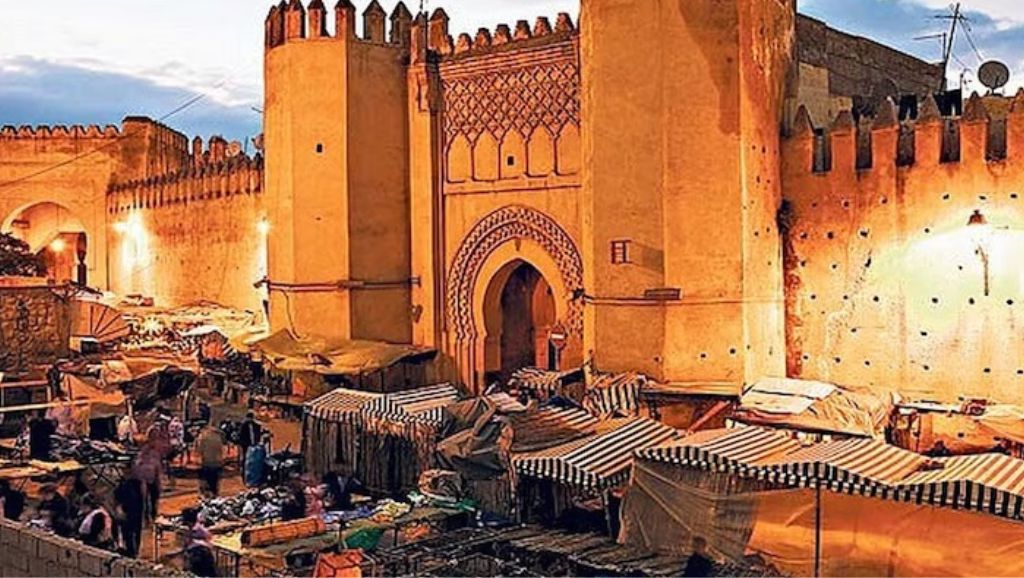
The heart of Fes is its medina, Fes el-Bali. This UNESCO World Heritage site is home to over 9,000 narrow streets, alleyways, and courtyards. It is one of the world’s largest car-free urban areas, where the hustle and bustle of everyday life is still very much in tune with tradition. The medina is a maze of hidden treasures, offering visitors a unique glimpse into Moroccan culture and heritage.
Walking through the souks, or markets, of Fes is an unforgettable experience. The souks are a sensory overload, filled with the sounds of bargaining, the smells of spices, and the vibrant colors of traditional crafts. The city is famous for its leather goods, and a visit to the tanneries of Fes is a must for anyone interested in Moroccan craftsmanship. The tanneries have been operating for centuries, using traditional methods to dye leather in a variety of vibrant colors.
Another key attraction in the medina is the , the oldest continuously ope University of Al Quaraouiyine rating university in the world. Visitors can explore its historic buildings, including its library, which houses rare manuscripts and texts from the Islamic world.
As you wander through Fes el-Bali, you will also come across several madrasas, or religious schools. These architectural gems are known for their intricate tile work, carved wood, and marble columns. Some of the most notable madrasas include the Bou Inania Madrasa and the Al-Attarine Madrasa.
Fes’s architectural wonders
Fes is a city known for its stunning architecture, much of which dates back to the medieval period. The city’s architecture is a beautiful blend of Islamic, Andalusian, and Berber styles, creating a unique visual identity. The most famous example of this blend is the Bab Boujloud, or Blue Gate, which serves as the main entrance to the old city. The gate is adorned with blue and green tiles, and its ornate design makes it one of Fes’s most recognizable landmarks.
Another architectural highlight is the Royal Palace of Fes. Although the palace itself is not open to the public, visitors can admire its impressive gates and the surrounding gardens. The palace’s architecture is a fine example of Moroccan craftsmanship, with intricate woodwork, colorful tiles, and delicate ironwork.
The Merenid Tombs, located on a hill overlooking Fes, offer a peaceful retreat and a stunning view of the city. These tombs are the final resting place of the Merenid dynasty, which ruled Fes in the 14th century. The site is a popular spot for visitors who want to enjoy a panoramic view of Fes’s medina and the surrounding landscape.
Fes is also home to several beautiful mosques, including the Zaouia Moulay Idriss, which is dedicated to the founder of the city, Idris I. The mosque is a place of pilgrimage for many Moroccan Muslims and is an important religious site in the city.
Culture and traditions of Fes
Fes is a city steeped in tradition, and its cultural heritage can be seen in everything from its craftsmanship to its festivals. The city is famous for its artisan products, including leather goods, ceramics, textiles, and metalwork. Fes pottery is particularly well-known for its intricate designs and vibrant colors. Artisans in Fes still use traditional methods to create beautiful pottery, which can be found in the city’s souks.
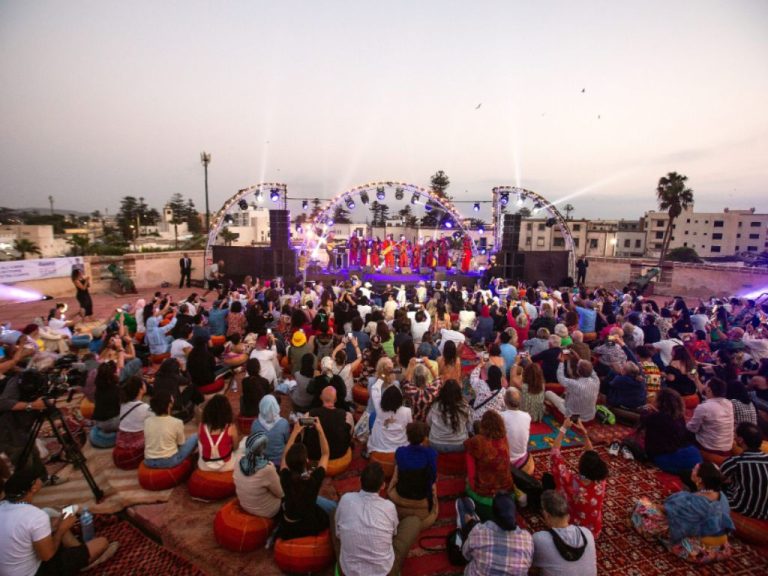
Fes is also known for its festivals, which celebrate the city’s rich cultural and spiritual traditions. One of the most important events in Fes is the Fes Festival of World Sacred Music. This festival brings together musicians from around the world to perform sacred music from various religious traditions. The festival is a celebration of spiritual diversity and takes place in some of Fes’s most historic venues.
Another significant event is the Fes Festival of Sufi Culture, which celebrates the mystical traditions of Sufism. This festival includes lectures, performances, and spiritual gatherings, providing visitors with a deeper understanding of the philosophy and practices of Sufism.
The city is also home to a rich tradition of music, including Andalusian music, which blends Arab, Berber, and Andalusian influences. The city’s musical heritage is celebrated during various festivals throughout the year, offering visitors the chance to experience the unique sounds of Fes.
Modern Fes and future developments
While Fes is deeply rooted in history, it is also a city that embraces modernity. Over the years, Fes has seen significant development, particularly in areas like infrastructure, technology, and education. One of the key developments in the city is the Fes Tech Hub, which is helping to position Fes as a center for innovation and entrepreneurship. The hub provides a space for tech startups and entrepreneurs to collaborate and develop new technologies.
The city has also seen growth in the contemporary art scene, with Fes Contemporary Art Gallery providing a platform for local and international artists to showcase their work. The gallery features a wide range of art forms, from traditional to modern, and plays an important role in Fes’s cultural development.
Fes is also a city that places a strong emphasis on education. The University of Al Quaraouiyine continues to be a leading institution of higher learning, and the city is home to several other universities and research centers that contribute to Morocco’s intellectual growth.
Fes’s cuisine and food scene
No visit to Fes would be complete without sampling its delicious cuisine. The city is known for its traditional Moroccan dishes, which are rich in flavor and spices. Tagine, a slow-cooked stew made with meat, vegetables, and spices, is one of the most popular dishes in Fes. The city is also known for its pastilla, a savory pie made with pigeon meat, almonds, and spices, all wrapped in flaky pastry.
Fes is also famous for its street food, including kebab, b’stilla, and various types of sweets like chebakia, a sesame-based pastry that is typically served during Ramadan. The city is home to several food festivals, including the Fes Food Festival, where visitors can sample traditional Moroccan dishes and learn about the country’s culinary traditions.
For food lovers, Fes offers a wide variety of dining options, from street food stalls to fine dining restaurants. Whether you are looking for a casual meal or an upscale dining experience, Fes has something for every taste.