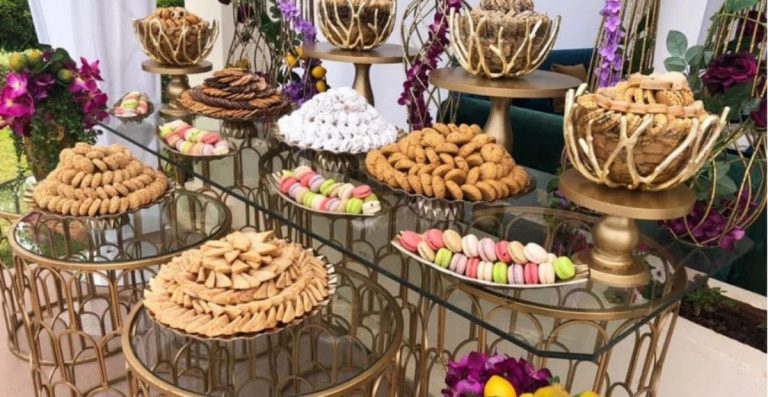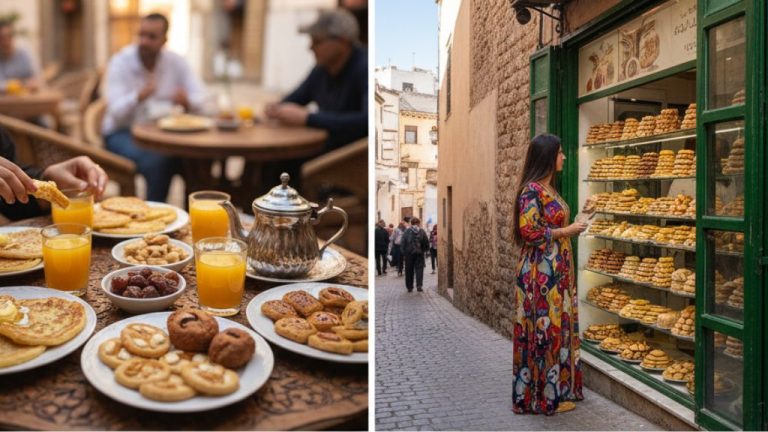

In Fez, pastry prices mainly change based on four things: how much almond/pistachio is in there, the finish (premium “fine pastry” vs traditional), the packaging (gift tray/box), and whether you’re eating on-site (tea room) or taking it to go. Below you’ll find realistic budgeting ranges (in a practical sense), plus an easy way to compare two shops without getting played.
What makes the price go up (or down)
You can usually guess the price tier before you even ask.
- Ingredients: almonds, pistachios, butter, pure honey, imported chocolate = more expensive; semolina, flour, sesame = more budget-friendly.
- Labor: highly detailed pieces (thin dough work, shapes, glazing) = pricier.
- Positioning: “fine pastry” (premium display + gift-ready packaging) usually costs more than traditional spots that sell by weight.
- Service: a tea room (tea + plated pastries + ambiance) means a higher ticket than buying to-go.
Price formats in Fez (simple reference points)
These are quick mental benchmarks—then you confirm at the counter.
- Buying by weight (traditional assortment): usually sold per kilo; start with 250 g or 500 g so you can try without overspending.
- Buying per piece: perfect to sample 2–6 items; often ends up slightly more expensive than buying by weight, but great for discovery.
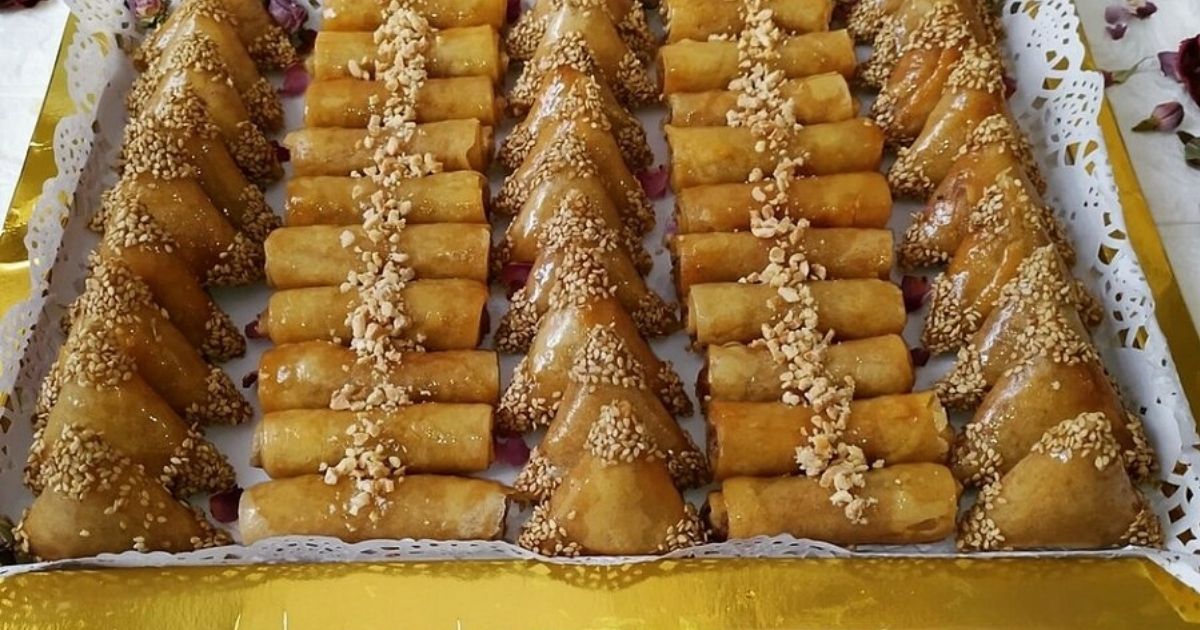
- Gift tray / rigid box: you pay for the selection + sometimes the packaging; ideal if you’re gifting or traveling.
- Tea room: you’re paying for the experience think “tea/coffee + 2–3 pastries” as a pause ticket, not a price-per-kilo situation.
Budget by scenario (very practical)
Scenario 1: “I just want to taste”
- Goal: 6 to 10 different bites.
- Strategy: 200–300 g of assorted pastries + 2 “signature” pieces (often almond-based).
- Tip: ask for “a mixed assortment, not too sweet” if you don’t love honey-heavy pastries.
Scenario 2: “I want a gift to bring back”
- Goal: a clean, stable tray that travels well.
- Strategy: mostly dry cookies (fekkas/ghriba/shortbread) + a few premium pieces (gazelle horns, etc.).
- Tip: ask for a rigid box, and avoid very honey-soaked pastries if you’ve got a long trip.
Scenario 3: “I want a tea-room break”
- Goal: enjoy without dealing with packaging.
- Strategy: mint tea + a mixed pastry plate, then buy to-go if you fall in love with something.
- Tip: if you want to control your spend, ask for “just 2 pieces” instead of a large plate.
How to compare two pastry shops (without getting it wrong)
Price alone doesn’t mean much if one place serves bigger pieces, richer recipes, or fresher batches.
- Compare same weight: order “250 g of assorted pastries” in two places, then judge texture + freshness.
- Compare the same “family”: gazelle horns vs gazelle horns (not gazelle horns vs ghriba).
- Check the “dry vs honeyed” ratio: a super-honeyed box can look generous but gets overwhelming fast.
- Do a “holding test”: if you’re traveling, buy 2–3 dry cookies (fekkas/ghriba) and see how they hold up over 24–48 hours.
Common mistakes (and how to avoid them)
- Buying too much: Moroccan pastries are rich—250–500 g of variety beats a huge, repetitive tray.
- Forgetting packaging: without a rigid box, lots of pastries crush easily—ask for it right away.
- Going 100% honey: amazing, but harder to transport and quickly becomes “too sweet” for many North American palates.
- Not asking for the best-seller: one question “What’s the freshest today?”—avoids most disappointments.