
Understanding costs before arrival prevents financial stress and helps you maximize your Marrakech experience. Solo travelers face unique budget considerations—paying single supplements for accommodation while enjoying the flexibility to splurge or save spontaneously. Morocco offers exceptional value compared to European destinations, but tourist areas inflate prices significantly. From negotiating riad rates to avoiding common overcharging schemes, strategic planning stretches your dirham further. This detailed breakdown covers realistic daily expenses across budget levels, helping you plan a trip that balances comfort with financial sensibility.
Daily Budget Overview
Let me start with realistic daily totals based on three different travel styles. These assume you’re staying multiple days so initial costs like airport transfers get spread out.
Budget solo traveler: 400-600 dirhams per day which converts to roughly 40-60 dollars. This covers basic accommodation street food and local transport with minimal paid activities.
Mid-range solo traveler: 800-1200 dirhams per day or about 80-120 dollars. You get nicer riads occasional restaurant meals some guided tours and regular taxis when you don’t feel like walking.
Comfortable solo traveler: 1500-2500 dirhams per day around 150-250 dollars. Luxury riads with pools quality dining experiences private tours and zero stress about costs.
Most solo travelers I meet fall somewhere in the mid-range category. They want comfort and good experiences but also appreciate getting value for their money.
Accommodation Costs
Where you sleep eats the biggest chunk of any travel budget. In Marrakech accommodation varies wildly based on location style and season.
Basic medina guesthouses start around 150-250 dirhams per night for a simple private room. These places are family run clean enough but minimal on atmosphere. Shared bathrooms are common at this price point.
Mid-range riads run 400-800 dirhams per night. You get a nicely decorated room breakfast included usually a small pool or terrace and staff who actually help with planning. This range offers the best value in my experience.
Luxury riads and boutique hotels charge 1200-3000 dirhams or more per night. Full spa services beautiful tilework multiple pools staff who remember your name. If you’re splurging this is where to do it because Marrakech luxury still costs less than European equivalents.
Solo travelers pay the same as couples for rooms which stings a bit. Some guesthouses offer small single rooms at reduced rates but they’re rare. Budget accordingly and don’t expect discounts for traveling alone.
Gueliz hotels sometimes run cheaper than medina riads especially mid-week. I’ve found decent three star hotels for 300-400 dirhams when booking last minute.
Food And Drink Expenses
Food costs depend entirely on where you eat. The price gap between tourist restaurants and local spots is massive.
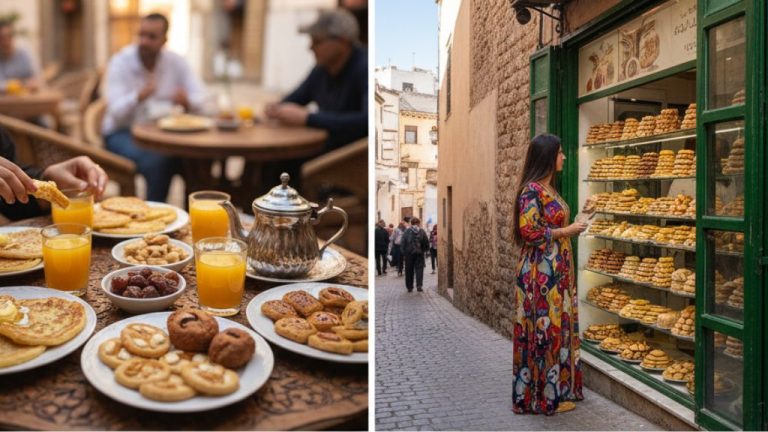
Street food and local cafes keep costs incredibly low. A bowl of harira soup costs 5-10 dirhams. Fresh orange juice runs 4-6 dirhams. A plate of grilled meat with bread and salad goes for 40-60 dirhams. I can eat well all day spending maybe 80-100 dirhams total.
The catch with cheap eating is knowing which stalls to trust. I stick to busy places where locals eat and avoid anything sitting out uncovered for hours. After the first few days you develop instincts about which spots look clean.
Mid-range restaurants in the medina charge 80-150 dirhams for tajine or couscous dishes. Add mint tea and maybe an appetizer and you’re at 120-200 dirhams per meal. Tourist focused spots near Jemaa el Fnaa hit the higher end of that range.
Nicer riads and restaurants price meals at 200-400 dirhams or more especially if you’re ordering wine. Alcohol gets expensive in Morocco because of taxes and limited availability. A beer costs 40-60 dirhams. Wine by the glass runs 60-80 dirhams.
I usually mix eating styles. Street food for lunch. Mid-range restaurant for dinner every few days. Splurge meal once during the trip. This keeps average food costs around 200-300 dirhams daily.
Solo dining doesn’t really affect prices in Morocco since most dishes are individual portions anyway. You’re not missing out on sharing multiple plates like you might in other countries.
Transportation Within The City
Getting around Marrakech costs less than almost any city I’ve visited. Walking handles most medina exploration. When you need wheels options stay cheap.
Petit taxis use meters and charge reasonable rates. A 10-15 minute ride across town runs 20-30 dirhams. From Gueliz to the medina costs maybe 25 dirhams. Drivers sometimes claim meters are broken and want to negotiate a flat rate which always ends up higher. Insist on the meter or find another taxi.
I probably spend 50-100 dirhams on taxis during an average day when I’m using them. Some days I walk everywhere and spend nothing.
Buses exist but as a solo traveler taxis are cheap enough that dealing with bus routes and schedules isn’t worth the hassle. Save your energy for more interesting challenges.
Airport transfers cost 70-100 dirhams via official taxi stand or around 150-200 dirhams if your riad arranges pickup. The riad option is worth it for arrival when you’re tired and potentially lost.
Activities And Entry Fees
Major sites charge modest entry fees. Bahia Palace costs 70 dirhams. Saadian Tombs run 70 dirhams. Jardin Majorelle is 150 dirhams or 300 dirhams if you add the Berber Museum and Yves Saint Laurent Museum.
Most palaces and monuments fall in the 50-100 dirham range. Budget maybe 200-300 dirhams total to cover main attractions if you visit them all over several days.
Guided activities cost more but often deliver better value than wandering alone. A half day cooking class runs 400-600 dirhams including market visit and meal. Walking tours go for 150-300 dirhams for 2-3 hours.
Day trips outside Marrakech vary widely. Shared Atlas Mountains tours start around 300-400 dirhams. Essaouira day trips cost 250-350 dirhams. Private tours obviously jump much higher.
Hammam experiences range from 20 dirhams at a basic local bathhouse to 400-800 dirhams at a fancy spa. I’ve done both ends of that spectrum and honestly the mid-range hotel hammams around 200-300 dirhams hit a nice balance.
You could skip all paid activities and still have a rich Marrakech experience just wandering and observing. Or you could fill your days with tours and classes spending 500-1000 dirhams daily on experiences. Most solo travelers land somewhere between doing a few organized things and plenty of free exploration.
Shopping And Souvenirs
This category explodes budgets faster than anything else if you’re not careful. Moroccan crafts are beautiful and vendors are skilled at convincing you that you need things.
Quality leather bags run 300-800 dirhams depending on size and leather quality. Ceramic tagines cost 80-200 dirhams. Small poufs go for 200-400 dirhams. Rugs obviously vary wildly from 500 dirhams for small pieces to thousands for large handwoven carpets.
Everything is negotiable. Start at maybe 40-50 percent of the asking price and meet somewhere in the middle. Walking away often brings prices down further. I’ve had vendors chase me down the street dropping prices with each step.
Budget maybe 500-1000 dirhams for shopping if you plan to buy a few quality items. Or set aside nothing and just enjoy looking without the pressure to purchase.
Solo travelers actually have an advantage shopping because you’re only dealing with your own budget and preferences. No partner questioning why you need another tagine or suggesting you negotiate harder.
Money Saving Strategies
A few tactics help stretch your budget without sacrificing experience quality.
Stay longer. Many riads discount rates for stays over 4-5 nights. A week-long stay might drop your nightly rate by 20-30 percent. Plus you waste less money on arrival logistics and getting oriented.
Eat breakfast at your riad then load up on cheap street food for lunch. Save restaurant meals for dinner when you want to sit and relax. This pattern keeps food costs down while still giving you nice dining experiences.
Book activities directly rather than through hotel concierges or tour companies. That cooking class the riad offers for 800 dirhams? The actual cooking school probably charges 500 dirhams if you contact them yourself.
Avoid Jemaa el Fnaa food stalls for full meals. They target tourists and charge double what you’d pay a few streets away. Walk ten minutes in any direction and find better food for less money.
Learn basic Arabic numbers so you can understand prices and negotiate better. Vendors switch languages and price expectations when they realize you understand a bit.
Visit during shoulder season when accommodation rates drop significantly. The weather difference between April and June is minimal but the price difference is real.
Where Solo Travelers Overspend
Certain costs hit solo travelers harder than couples or groups.
Single room rates as mentioned mean you’re paying full accommodation costs without splitting. A couple spending 600 dirhams on a room pays 300 dirhams each. You pay 600 dirhams alone.
Private tours and experiences designed for multiple people don’t offer solo discounts. That private day trip to Essaouira costs the same whether one person or four fill the car.
Taxis become less efficient. Couples share rides. You pay the full fare alone every time.
Tour commissions and scams target solo travelers more aggressively. It’s easier to pressure one person than a group. This leads to paying for things you didn’t want.
The mental accounting of constantly converting prices and deciding if something is worth it gets exhausting when you have no one to discuss decisions with. Sometimes you just pay extra to avoid more negotiation.
Sample Daily Budgets
Let me walk through actual daily spending at different levels.
Budget day 250 dirham riad. 80 dirhams food mostly street stalls. 30 dirhams taxis. 70 dirhams palace entry. 30 dirhams mint tea and snacks. Total around 460 dirhams.
Mid-range day 600 dirham riad. 200 dirhams food mix of street and restaurants. 60 dirhams taxis. 300 dirhams cooking class. 40 dirhams cafe time. Total around 1200 dirhams.
Comfortable day 1200 dirham riad with pool. 350 dirhams meals at nice restaurants. 80 dirhams taxis. 500 dirhams private hammam and massage. 70 dirhams museum entries. Total around 2200 dirhams.
These are snapshots not exact prescriptions. Some days cost more when you do big activities. Other days cost almost nothing when you just wander.
Hidden Costs To Remember
A few expenses catch people off guard if they haven’t budgeted for them.
SIM cards or international phone plans. A local SIM with data costs maybe 100-150 dirhams and saves you from relying on spotty wifi. Worth every dirham.
Tips. Moroccan service culture expects small tips. 5-10 dirhams for helpful riad staff. 10-20 percent at restaurants if service isn’t included. Small amounts but they add up.
Bottled water. Tap water isn’t safe to drink. Budget 10-15 dirhams daily for large water bottles.
Luggage storage if you arrive early or leave late. Some riads offer it free. Others charge 50-100 dirhams.
Medical supplies. Having basic medication and bandaids costs maybe 100 dirhams at a pharmacy but saves you trouble later.
My Actual Spending
During my last week-long trip I tracked everything carefully. My daily average hit about 950 dirhams including a 500 dirham per night riad.
I ate street food most days and splurged on two nice dinners. Did one paid walking tour and one cooking class. Visited the main monuments. Took taxis when tired. Bought a leather bag and some spices.
That felt like a comfortable balance of experience and value. I never stressed about money but also didn’t waste it on things that didn’t matter.
For a solo traveler willing to stay in basic places and eat mostly local food you could definitely do Marrakech on 400-500 dirhams daily. For someone wanting comfort and nice experiences without going luxury 1000-1200 dirhams daily delivers a really good trip.
Final Thoughts On Value
Marrakech offers incredible value compared to European cities or even other popular tourist destinations. Your money stretches further here than almost anywhere I’ve traveled.
The key is understanding where to spend and where to save. Splurge on a beautiful riad because that becomes your sanctuary. Save money eating street food because it’s delicious and authentic. Pay for a good cooking class because you’ll remember it for years. Skip overpriced tourist restaurants because better options exist two streets away.
Solo travel costs more than traveling with others but Marrakech remains affordable enough that the single supplement doesn’t break most budgets. You just need to be more intentional about spending decisions.
Once you have budget basics sorted the next consideration becomes what you’re actually going to eat in this city. Understanding Marrakech food culture and knowing where to find the best meals takes your trip from good to genuinely memorable.