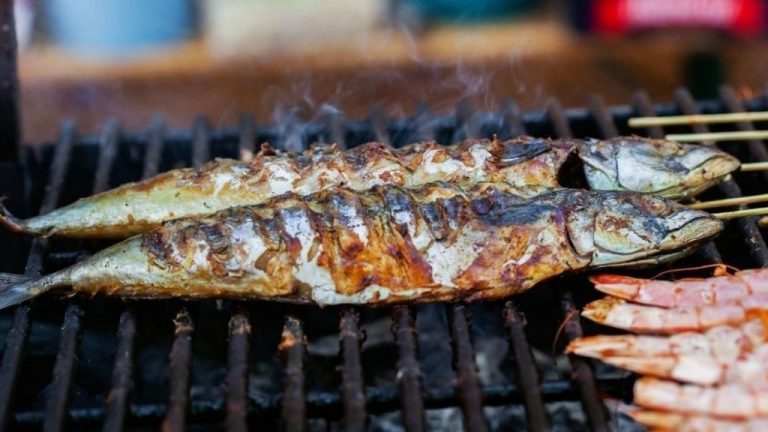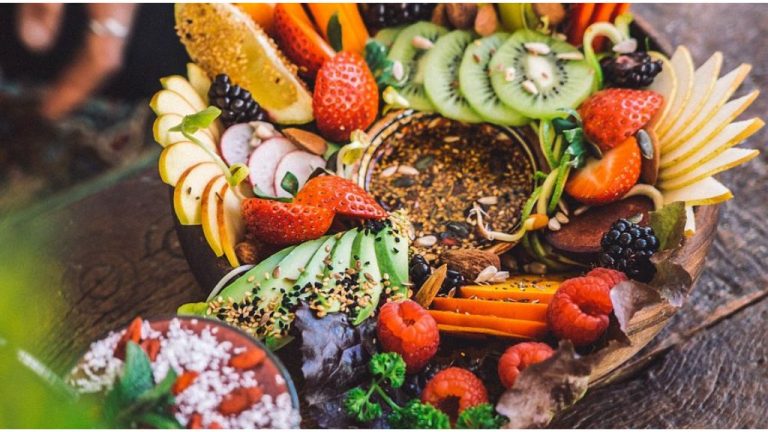

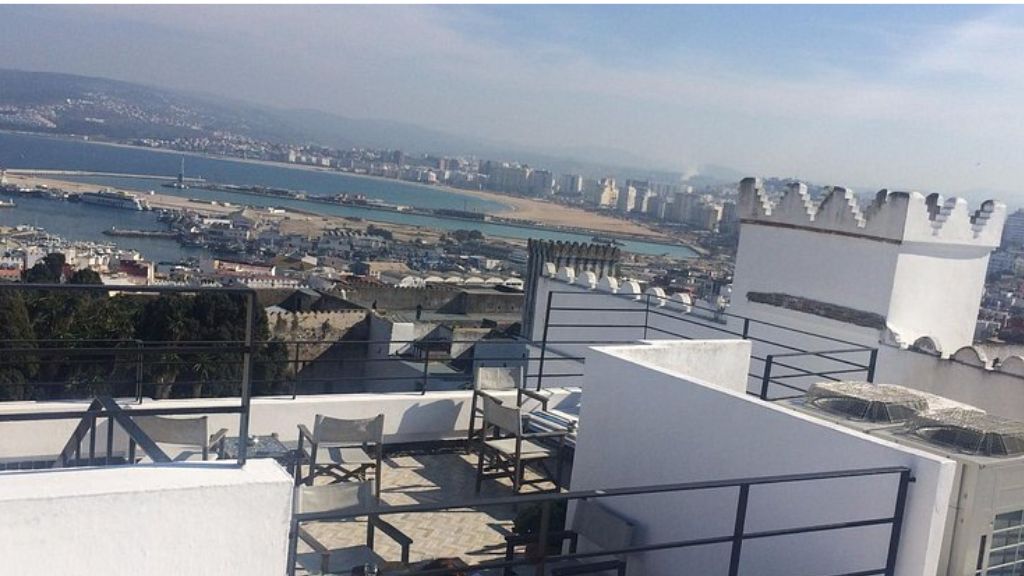
Tangier’s identity as a crossroads city finds perfect expression in its modern restaurants where chefs blend moroccan foundations with european techniques and global influences. These establishments attract travelers seeking innovation without abandoning connection to place. The dining rooms occupy restored colonial buildings or sleek contemporary spaces and the plates reflect centuries of cultural exchange distilled into current culinary language.
Understanding Tangier’s fusion evolution
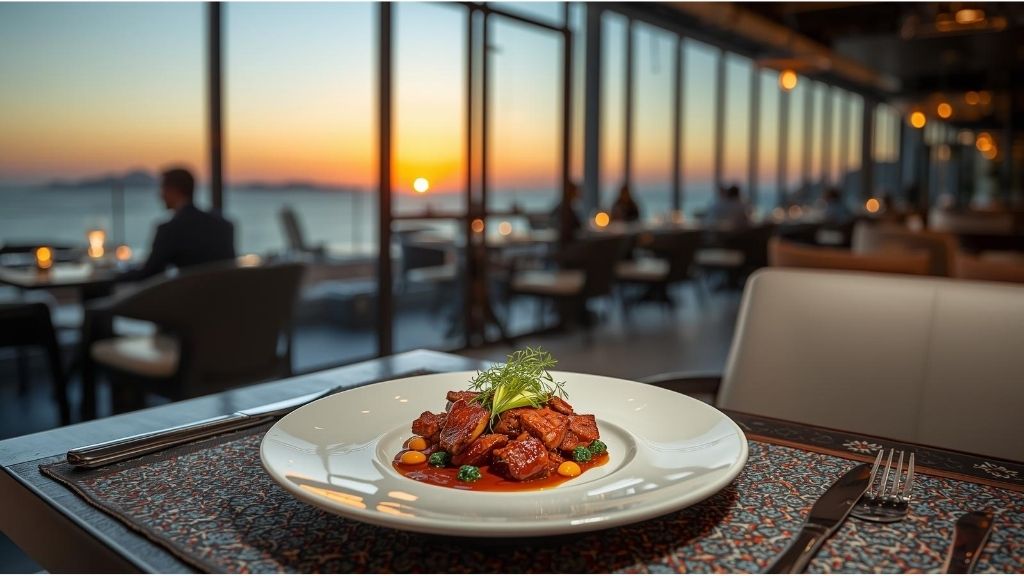
The city spent decades under international administration when spanish, french, british, and american influences mixed freely with moroccan traditions. That legacy lives on in restaurants where chefs trained in paris apply french technique to local ingredients or where spanish tapas concepts merge with moroccan small plates.This isn’t fusion for fusion’s sake but rather an honest reflection of tangier’s layered identity. A chef who grew up eating his grandmother’s tagines while also frequenting french bistros naturally creates food that honors both traditions. The results feel authentic to Tangier even when they wouldn’t exist anywhere else in Morocco.Modern restaurants here target both international visitors and wealthy moroccans seeking sophisticated dining. The clientele tends toward educated, well traveled people comfortable with culinary experimentation. This audience supports restaurants that take risks and push boundaries.Prices at these establishments run higher than traditional moroccan restaurants but remain reasonable compared to major european cities. Expect to pay 200 to 400 dirhams for a main course with wine adding significantly more depending on your choices.
LE SALON BLEU pioneered contemporary Moroccan
This restaurant inside a restored riad helped launch Tangier’s modern dining scene over a decade ago. The chef studied in lyon before returning home to reimagine moroccan classics. The dining room features original zellige tilework and carved cedar but the plating and presentations announce contemporary ambitions.Their deconstructed pastilla separates the traditional components into individual elements on the plate. Spiced chicken appears as a perfect roulade, the almond filling becomes a smooth puree, and phyllo crisps stand upright for textural contrast. Cinnamon sugar gets applied as a delicate dust rather than a heavy topping. The flavors remain recognizably pastilla but the presentation belongs to modern fine dining.Lamb tagine transforms into a composition where the meat gets cooked sous vide for precise temperature control then finished on the grill. The traditional vegetables appear as carefully cut batons and purees. Preserved lemon foam adds the classic brightness without the chunks. Some purists argue this strays too far from tradition but the technique showcases ingredient quality.The wine program emphasizes moroccan producers alongside french and spanish selections. The sommelier knows which local wines actually merit attention versus which ones trade on novelty. Pairing suggestions lean toward interesting matches rather than safe conventional choices.Reservations are essential especially for the courtyard tables which book weeks ahead in peak season. Dinner service only, starting around seven thirty. The dress code isn’t formal but shorts and flip flops feel out of place. Count on 800 to 1200 dirhams per person with wine.
El REDUCTO brings spanish influence forward
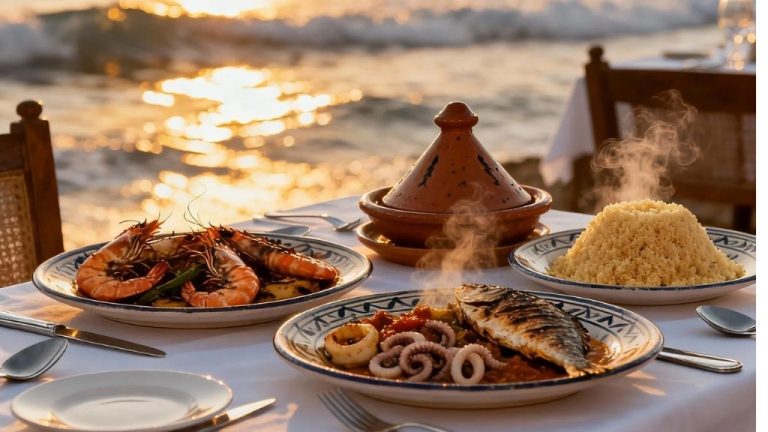
Located in a former Spanish consulate building, this restaurant celebrates Tangier’s iberian connections through food. The chef spent years in san sebastian learning basque techniques before opening in tangier. The menu reads like sophisticated spanish cuisine with moroccan ingredients woven throughout.Octopus might be the signature dish here. They cook it low temperature for hours until completely tender then char it quickly on a plancha. But instead of spanish paprika they use moroccan spices and serve it over chickpea puree flavored with cumin. The garnish includes harissa oil bringing heat that spanish versions lack.Seafood plays a major role given Tangier’s coastal location. Grilled prawns come with chermoula butter that reimagines the traditional herb marinade as a french style compound butter. Red mullet gets prepared escabeche style with the moroccan spice profile shifted toward ras el hanout instead of spanish pimenton.The tapas concept works naturally with moroccan small plate traditions. You can order multiple dishes to share which mirrors how Moroccans eat salads and mezze before main courses. Dates stuffed with almond paste and wrapped in bacon bridge Moroccan and spanish flavors in one perfect bite.The bar makes excellent cocktails using local ingredients. A gin and tonic gets Moroccan treatment with verbena instead of standard botanicals. They muddle fresh mint into mojitos which feels natural given mint tea’s importance in tangier. The bartender knows his craft and takes drink making seriously.Lunch service offers better value with a set menu around 200 dirhams for three courses. Dinner runs significantly higher especially if you order multiple tapas. The terrace overlooks the strait and sunset reservations provide memorable views. Budget 600 to 900 dirhams per person for dinner with drinks.
NORD PINUS Tangier serves french mediterranean
This hotel restaurant occupies a building with serious artistic pedigree. The space hosted writers and artists throughout the twentieth century and maintains that bohemian sophisticated atmosphere. The kitchen applies french technique to mediterranean ingredients from both shores of the strait.The menu changes seasonally based on what’s available in markets. Spring might bring lamb with fava beans and mint while summer focuses on tomatoes and peppers. Fall sees game birds prepared french bistro style with moroccan spice notes. Winter menus lean toward braises and stews that reference tagines without copying them directly.Their approach to fish shows restraint and skill. A whole sea bass gets roasted simply with herbs and olive oil then filleted tableside. The accompaniments might include moroccan style cooked vegetable salads alongside french potato preparations. The combination feels natural rather than forced.Desserts veer more french than moroccan with proper technique applied to classic preparations. Tarte tatin appears alongside panna cotta flavored with orange blossom water. The pastry chef trained in paris and it shows in the precision and execution.The wine list deserves attention as one of tangier’s best curated selections. French bottles dominate but moroccan wines get fair representation. The markups stay reasonable for a hotel restaurant. Staff can guide you toward interesting choices rather than defaulting to famous labels.Lunch on the terrace provides one of tangier’s most pleasant dining experiences. The setting feels relaxed despite the quality of food and service. Dinner shifts more formal though never stuffy. Figure 700 to 1000 dirhams per person depending on wine choices.
Le MIRAGE reinterprets comfort food
This newer restaurant targets younger diners seeking comfort food elevated through technique and quality ingredients. The chef worked in london and new york before returning to tangier with ideas about casual fine dining. The space feels modern and relaxed with an open kitchen and minimal decor.Burgers here use moroccan spiced lamb rather than plain beef. The meat gets mixed with herbs and cumin then grilled and topped with caramelized onions and harissa aioli. French fries cook in a mix of olive oil and argan oil creating unique flavor. This isn’t fusion confusion but thoughtful adaptation of american casual food to local tastes.
Their take on pizza uses Moroccan flatbread as the base. Toppings might include merguez sausage, preserved lemon, and fresh herbs. The crust has more chew than italian pizza but works perfectly with the bold toppings. It’s familiar enough to be comfortable while tasting distinctly of tangier.Pasta dishes incorporate moroccan ingredients in ways that make sense. Pappardelle with lamb ragu uses spices from tagine cooking. Seafood linguine includes chermoula in the sauce base. The pasta itself is made fresh daily and cooked properly al dente.The bar scene attracts a local crowd especially on weekends. Cocktails lean toward classics executed well rather than molecular gastronomy experiments. Prices stay moderate for the quality with most mains under 150 dirhams. This accessibility makes it popular with younger moroccans and expats.
ANNA AND PAOLO brings italian sensibility
An italian couple runs this intimate restaurant near the kasbah. They source ingredients from both italy and local markets creating genuine italian dishes with moroccan touches where appropriate. The dining room seats maybe twenty people and reservations are absolutely necessary.Their pasta is exceptional because paolo makes it fresh several times daily. Tagliatelle with bottarga uses fish roe from the mediterranean along with moroccan olive oil. The combination tastes of the sea without being heavy. Each strand of pasta carries just enough sauce.
Anna handles the front of house and her warmth makes everyone feel like a dinner guest rather than a customer. She’ll guide you through the menu based on what’s particularly good that day and what she thinks suits your mood. Her recommendations rarely miss.Fish preparations lean italian with simple grilling or baking but the accompaniments often pull from moroccan traditions. Grilled branzino might come with a side of zaalouk or taktouka. The cultures meet on the plate without clashing.The wine list focuses on italian bottles especially from southern regions. Anna argues convincingly that southern italian wines pair better with moroccan spices than french wines do. Her selections support this theory and she pours generous glasses.Dinner only, typically tuesday through saturday. The menu changes but usually offers three or four choices per course. Total cost runs 500 to 700 dirhams per person with wine. The intimate setting isn’t ideal for large groups but perfect for couples or close friends.
Rooftop restaurants offer views and fusion
Several rooftops in the medina and ville nouvelle host restaurants that trade partially on spectacular views. The food quality varies but the best combine location with serious cooking. These spots work well for sunset cocktails followed by dinner as the city lights emerge.
El morocco club mentioned earlier has a rooftop section separate from the main dining room. The roof menu offers lighter fare than downstairs including creative salads and grilled items. Watching the sun set over the strait while drinking local wine captures tangier’s geographic drama.
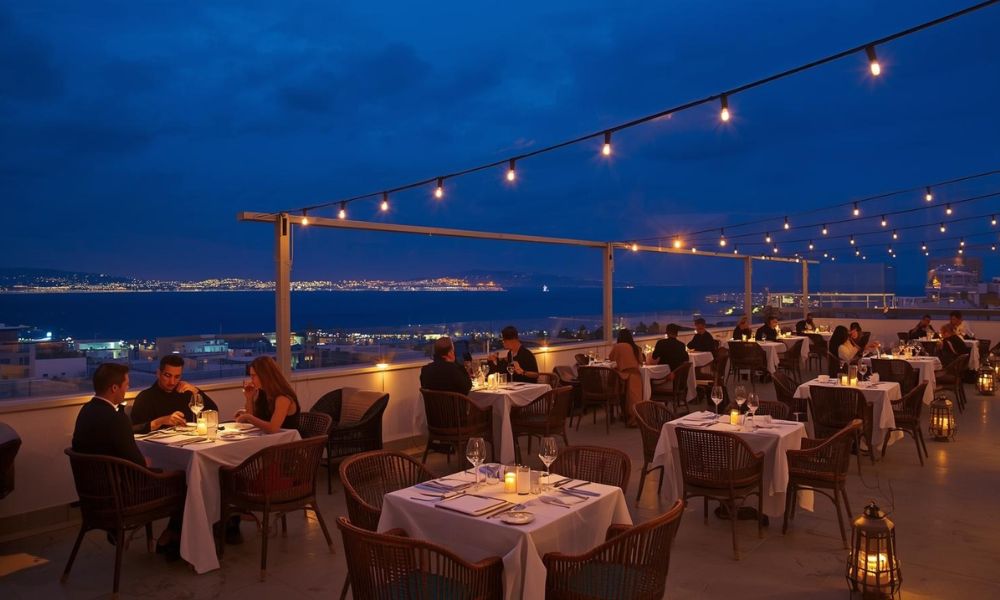
Tangier inn rooftop serves modern takes on moroccan dishes with mediterranean influences. Their grilled vegetable platter includes eggplant, peppers, and zucchini prepared three ways showing range in technique. The space feels casual and prices stay moderate making it accessible for multiple visits during a trip.
What modern means in Tangier context
Modern cooking in tangier doesn’t mean abandoning tradition but rather being in active conversation with it. Chefs reference classic dishes while exploring how contemporary technique and global influences might enhance or reinterpret them. The best modern restaurants show deep respect for moroccan culinary heritage even as they push forward.Presentation matters more at these establishments than at traditional spots. Plating considers visual appeal and dishes often arrive looking like careful compositions. This isn’t just instagram pandering but part of fine dining’s sensory experience where appearance primes your palate.Service standards rise at modern restaurants with trained staff who understand wine service and course pacing. The formality level varies but professionalism remains consistent. Staff typically speak multiple languages fluently and can explain dishes in detail.
Ingredient sourcing shows commitment
Top modern restaurants maintain relationships with specific farmers and fishermen. They’ll tell you which village the lamb came from or which boat caught the fish. This farm to table approach ensures quality and supports local food systems.Some restaurants grow their own herbs or maintain agreements with market vendors for first selection of certain ingredients. A chef might reserve all the best tomatoes from a particular farmer during peak season. These relationships require investment but result in measurably better food.Imported ingredients appear but selectively. A restaurant might import italian pasta but source everything else locally. Or they’ll use french butter for pastry while moroccan olive oil handles everything else. The choices reflect culinary philosophy about when imports add value versus when local products suffice.
Navigating reservations and dining customs
Book ahead for any restaurant mentioned here especially during spring and fall. Summer brings fewer tourists but wealthy moroccans vacation in tangier then filling restaurants. Winter offers easiest availability but some places reduce hours.Dinner starts later than in northern europe or america. Restaurants begin service around seven thirty or eight and locals often don’t arrive until nine or later. Showing up at six thirty might find the kitchen unprepared.Multiple course dining works better than rushing. These restaurants design menus for leisurely meals lasting two or more hours. Trying to finish quickly means missing the point and probably annoying the kitchen. Embrace the slower pace.Dress codes aren’t rigid but smart casual fits best. Clean jeans work fine but beachwear doesn’t. Men don’t need jackets though some might feel underdressed without one at the fanciest spots. Women have more flexibility but overly casual clothes feel out of place.
The future of Tangier dining
Young moroccan chefs increasingly return home after training abroad bringing new ideas and techniques. This trend suggests tangier’s modern restaurant scene will continue evolving and improving. The city’s inherent diversity supports culinary experimentation in ways more conservative moroccan cities might resist.International attention grows as food writers discover tangier’s dining scene. This exposure brings both opportunities and challenges. Restaurants gain customers but face pressure to maintain standards while handling increased volume.The balance between preserving tradition and encouraging innovation remains ongoing. Tangier seems positioned to honor both impulses given its history of cultural mixing. The best modern restaurants prove you don’t have to choose between respecting heritage and pushing culinary boundaries.
Modern mediterranean restaurants in Tangier demonstrate how a city’s complex history can fuel creative cooking. Each plate tells stories about cultural exchange, ingredient quality, and chef’s vision. Dining at these establishments connects you to tangier’s contemporary identity while acknowledging the layers underneath. For context on how these modern interpretations evolved from traditional preparations, explore the authentic moroccan dishes that form the foundation these chefs build upon.