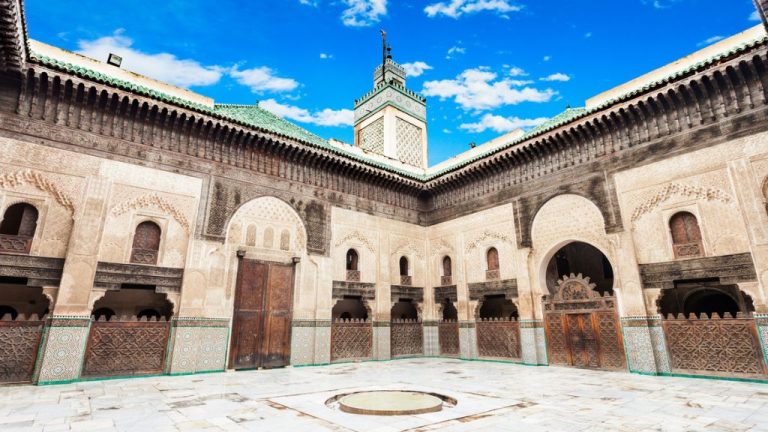

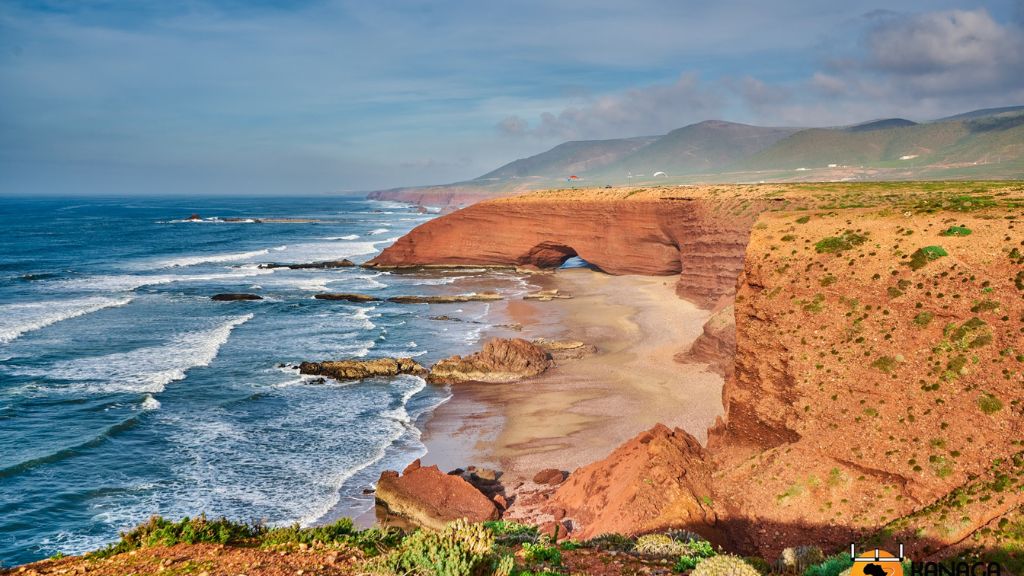
Dakhla sits at the edge of two worlds. The Atlantic stretches wide and steady on one side. The Sahara opens silently on the other. Between them, life slows in a way that feels rare. For couples, this balance creates something special. Romance here is not staged. It is felt gradually through space, light, and shared time.
I am Lena Bayley. Years of travel taught me that the most meaningful romantic destinations are not the loudest or most polished. They are places that give couples room to notice each other again. Dakhla does exactly that. Days feel open. Schedules loosen. Conversations deepen without effort.
For American couples in particular, Dakhla offers a sense of distance without disconnection. It feels far enough to reset habits, yet welcoming enough to feel at ease. Romance grows here through rhythm rather than spectacle. Walks replace rush. Silence replaces noise. Presence replaces performance.
This guide brings together the emotional and practical layers that shape romantic getaways for couples in Dakhla. Each section explores one dimension of the experience, from atmosphere and timing to daily flow and comfort. Together, they form a complete picture of why this destination resonates so deeply with couples seeking reconnection.
Why Dakhla is romantic for couples
Romance in Dakhla begins with space. Physical space, emotional space, mental space. The city does not crowd couples with attractions or expectations. It allows them to arrive as they are and soften into the environment.
Dakhla stretches along a calm lagoon, with desert opening just beyond. Water and sand exist side by side. This contrast shapes the emotional tone of the destination. The lagoon absorbs sound. The desert expands perspective. Together they create an atmosphere where couples naturally slow down.
Silence plays an important role here. Not an empty silence, but a shared one. Couples walk without filling every moment with words. Sitting together feels complete without distraction. This quality of stillness is rare and deeply romantic. It allows emotions to surface without being pushed.
Unlike many romantic destinations, Dakhla does not rely on curated experiences. There are no rigid paths to follow. No pressure to perform romance in a certain way. Each couple defines their own version through simple acts. A walk along the water. A shared tea. Watching light change over the lagoon.
Time behaves differently in Dakhla. Days are not packed. Mornings unfold gently. Evenings arrive without urgency. This pace supports reconnection. Couples find time to listen again. To notice gestures. To rediscover ease.
The landscape reinforces this rhythm. Open horizons reduce mental noise. Facing the desert together often shifts perspective. Concerns feel lighter. Conversations feel more honest. Romance grows through clarity rather than intensity.
Accommodation design also contributes to this feeling. Many places favor openness and privacy. Rooms face outward toward nature instead of inward toward crowds. This allows couples to feel contained yet free. Mornings begin quietly. Evenings feel personal.
What makes Dakhla especially romantic is its lack of demands. It does not ask couples to do more. It invites them to be more present. That presence becomes the foundation of intimacy.
This emotional core is explored more deeply in why Dakhla is romantic for couples, where the subtle elements of place and connection come together to shape the experience.
Understanding this atmosphere is the first step. The next question couples often ask is when this feeling is at its best. Timing influences light, wind, and mood, which leads naturally in to Why Dakhla is romantic for couples.
Best time to visit Dakhla for couples
Timing shapes emotion as much as place. In Dakhla, the same lagoon can feel deeply introspective or quietly vibrant depending on the season. For couples, choosing when to visit influences rhythm, privacy, and the overall tone of the stay.
Dakhla enjoys a mild desert coastal climate. Extreme temperatures are rare. What changes most through the year is wind and light. These elements affect how days unfold together.
Winter, from December to February, feels calm and reflective. Days are cool and comfortable. Evenings invite closeness. The lagoon remains still. Tourist presence stays low. Couples who value intimacy and long conversations often find winter ideal. Walks feel refreshing. Dinners feel cozy. Silence feels shared rather than empty.
Spring brings balance. From March to May, light grows brighter and temperatures warm gently. Wind remains moderate. This season suits couples who want a mix of rest and exploration. Lagoon walks stay peaceful. Boat moments feel smooth. Desert excursions remain comfortable. Many couples feel spring offers the most complete expression of Dakhla’s character.
Summer introduces stronger winds without heavy heat. From June to August, the ocean moderates temperatures. Days feel long and open. The landscape gains movement. This season attracts couples who enjoy energy during the day balanced by calm evenings. Romance here feels expansive rather than quiet.
Autumn, from September to November, marks a return to softness. Wind eases. The lagoon regains its mirror like quality. Crowds thin naturally. This period often feels overlooked, which enhances privacy. Couples describe autumn as emotionally comfortable. Nothing overwhelms. Everything flows.
Dakhla never feels crowded in a conventional sense. Still, seasons influence how present others feel. Winter and autumn offer the most solitude. Spring feels balanced. Summer brings more activity without breaking calm.
Pricing follows a gentle curve. Winter and early spring remain stable. Summer may offer better availability due to longer stays by active travelers. Couples with flexible dates often find value by avoiding major holiday periods.
Choosing when to visit Dakhla is less about weather charts and more about emotional intention. Some couples seek silence. Others seek movement. Some seek reflection. Others seek renewal. Dakhla accommodates all when timing aligns with intention.
This seasonal awareness connects naturally with the broader atmosphere described in romantic getaways for couples in Dakhla. Place and time work together to shape experience.
Once timing feels clear, attention turns toward how to spend days together. Shared moments define the stay, which leads into Best time to visit Dakhla for couples.
Romantic things to do in Dakhla
Romance in Dakhla grows through shared presence rather than constant activity. Experiences here are shaped by nature and rhythm. Couples choose moments and let them unfold without pressure.
The lagoon forms the emotional center of daily life. Morning walks along its edge feel grounding. Air remains fresh. Water stays still. Couples walk side by side without distraction. Conversation flows easily or silence feels comfortable. At sunset, light softens and reflections deepen. Many couples stop without planning to. Sitting together and watching the sky change becomes a memory that needs no explanation.
Simple boat moments on calm water offer a different perspective. From the lagoon, the city fades. Sound softens. Movement feels gentle. Sitting close while watching birds skim the surface creates quiet connection. The value lies in being together rather than in distance traveled.
Beyond the lagoon, the desert opens wide. Short drives lead to landscapes where sound disappears. Couples sit facing open land and shared silence takes on meaning. Some talk. Others do not. Both feel intimate. The desert removes distraction and sharpens focus.
Evenings often bring clear skies. Stargazing happens naturally. Couples step outside after dinner and stay longer than expected. Looking up together invites perspective. These moments feel unplanned yet deeply emotional.
Wellness experiences in Dakhla are calm and grounded. Many lodges offer simple spa treatments inspired by local traditions. Sharing wellness allows bodies to soften and minds to slow. Touch becomes intentional. Romance grows through care rather than excitement.
Meals unfold without hurry. Fresh seafood. Honest flavors. Tables facing water or open skies. Couples linger and talk while light shifts. Dining becomes part of the rhythm rather than an event.
Daily routines also carry romance. Morning coffee on a terrace. Afternoon rest. Evening walks. Repetition builds intimacy. Couples begin to move in sync without schedules.
Some couples enjoy gentle water activities together. Calm kayaking or paddle boarding builds cooperation and trust. Movement stays shared and unforced.
Photography often becomes an act of shared observation. Light changes constantly. Couples capture details rather than landmarks. Noticing together creates dialogue.
These experiences extend the emotional foundation explored in romantic getaways for couples in Dakhla. Activities here support presence rather than distraction.
Once couples understand how to share their days, the question of where to stay becomes central. Accommodation shapes intimacy in powerful ways, which leads into Romantic things to do in Dakhla.
Romantic hotels in Dakhla for couples
Where a couple stays shapes how they connect. In Dakhla, accommodation is not a background detail. It becomes part of the relationship. Space, light, silence, and view all influence how couples experience time together.
Romantic hotels in Dakhla favor intention over excess. Most are small in scale. Many blend into the landscape rather than dominate it. This design philosophy creates intimacy without isolation.
Privacy feels natural here. Hotels are often spread out. Rooms open toward water or desert instead of inward corridors. Couples do not feel observed or rushed. Mornings unfold slowly. Evenings feel personal. Shared moments remain uninterrupted.
Many accommodations face the lagoon. This matters deeply. Water brings calm. Light reflects gently into rooms. Even simple interiors feel elevated by open horizons. Couples wake to quiet and fall asleep to stillness. Visual openness supports emotional ease.
Eco lodges play a central role in Dakhla’s romantic identity. Built with local materials and designed to breathe, they integrate nature into daily life. Sounds of wind and water replace traffic. Nature feels present without sacrificing comfort. Couples slow down naturally in these spaces.
Many hotels attract adults through atmosphere rather than rules. Quiet design. Gentle pacing. Shared spaces that encourage conversation instead of noise. Pools feel restful. Common areas support ease. This subtle orientation enhances intimacy without limiting warmth.
Room design often leans toward minimalism. Clean lines. Natural textures. Soft lighting. Nothing competes for attention. This simplicity helps couples turn inward. Rooms become places to talk, rest, and reconnect rather than simply sleep.
Outdoor living matters. Terraces, decks, and private seating areas extend the room into the landscape. Morning coffee. Sunset tea. Night conversations under stars. These rituals shape emotional memory.
Service in Dakhla respects intimacy. Staff remain attentive without intrusion. Couples feel cared for while remaining free. This balance allows romance to unfold without obligation.
Choosing accommodation based on relationship rhythm matters. Some couples seek seclusion. Others enjoy light interaction. Dakhla offers both. Understanding personal rhythm reduces friction and deepens connection.
This thoughtful approach to staying aligns with the broader planning mindset within romantic getaways for couples in Dakhla. Environment supports connection when chosen with care.
Once accommodation feels right, couples begin to shape their days more intentionally. Time becomes structure. Structure becomes rhythm, which leads into Romantic hotels in Dakhla for couples.
Dakhla itinerary for couples
An itinerary in Dakhla is not a schedule to follow. It is a rhythm to feel. The destination rewards couples who respect energy more than structure. Distances are short. Time feels wide. This allows days to breathe.
For a three day stay, simplicity works best. The first day should remain light. Arrival, a gentle walk along the lagoon, and a quiet dinner facing water. Let the body settle. Let the mind slow. The second day opens space for light exploration. Morning by the lagoon. A calm boat moment. Lunch without hurry. Afternoon rest. Sunset watched from the same place where morning began. Repetition creates intimacy. The third day closes softly with breakfast outdoors and a final walk. Even a short stay can feel complete when days are not overloaded.
A five day stay allows couples to deepen rhythm. The first two days mirror the short escape. Settling in. Observing. Sharing silence. Day three opens outward with a short desert drive. Time away from the lagoon offers perspective. Sitting together facing open land often deepens conversation. Day four returns to water and rest. A wellness moment. A long meal. Evening under stars. Day five closes the loop as couples return to the place that felt most personal. Emotional continuity forms through return.
A full week allows couples to inhabit Dakhla rather than visit it. Days lose names. Routine forms naturally. Morning coffee. Lagoon walk. Shared meals. Rest. Midweek suits deeper exploration with desert moments or longer time on water. The final days often feel the most intimate. Planning fades. Presence takes over. This is where Dakhla reveals its full romantic potential.
Rest matters as much as activity. In Dakhla, rest is not empty time. It is active presence. Afternoon naps. Quiet reading. Shared silence. These moments strengthen bonds subtly but powerfully. An itinerary that includes rest respects the emotional pace of the place.
Meals anchor the day. Breakfast sets tone. Lunch invites pause. Dinner closes the circle. Couples who treat meals as moments rather than stops experience greater intimacy. Conversation flows when time is generous.
Flexibility becomes a romantic tool. Weather, mood, and energy shift. Dakhla supports adaptation. Couples who listen to themselves rather than a fixed plan often feel more satisfied.
Every relationship has its own rhythm. Early risers. Night talkers. Active mornings. Quiet evenings. Dakhla accommodates all. Alignment between days and emotional rhythm allows romance to flow without effort.
This approach echoes the emotional foundation described throughout romantic getaways for couples in Dakhla. Place supports connection when rhythm is respected.
Once days feel clear, practical questions often arise. Flights. Culture. Comfort. Preparation shapes ease, which leads into Dakhla itinerary for couples.
Dakhla travel tips for American couples
Practical details shape emotional experience more than many couples expect. When logistics feel heavy, connection fades. When preparation feels light, romance has space to grow. Traveling to Dakhla from the United States is simpler than it appears, especially with a few thoughtful choices.
Most American couples reach Dakhla through Morocco’s main gateways, usually Casablanca. From there, a domestic flight leads south. Connections are reliable and airports remain calm. Travel days can feel long but manageable. Planning a buffer night in Casablanca often protects energy and eases the transition.
Entry into Morocco is straightforward for U.S. passport holders. No visa is required for short stays. Passports should remain valid for the duration of travel. Keeping accommodation details accessible helps move smoothly through arrival procedures. Simple preparation removes unnecessary stress.
Dakhla feels safe and relaxed. The pace is slow. Couples walk freely during the day and evening. Respectful dress and awareness of surroundings support comfort. Public displays of affection remain subtle. This balance allows couples to relax rather than stay alert.
Cultural awareness enhances the experience. Courtesy and discretion are valued in Morocco. In Dakhla, this feels natural rather than restrictive. Couples who observe local customs often feel warmly welcomed. Politeness opens doors. Shared respect becomes part of the romantic exchange with the place.
Money management is simple with a little planning. Cash remains useful, especially outside hotels. Credit cards are accepted in many accommodations but not everywhere. Exchanging money before arrival or at major airports simplifies daily life. Small denominations help with taxis and cafés.
Connectivity remains reliable. Hotels and lodges offer stable internet. Local SIM cards provide good mobile data. Many couples choose to limit screen time intentionally. Dakhla supports digital rest. Conversations deepen when phones stay quiet. Staying connected while disconnecting emotionally creates balance.
Packing with intention matters. Comfort comes first. Light layers, sun protection, and comfortable walking shoes suit the environment. Evenings near the lagoon can feel cooler. A light jacket adds ease without bulk. Thoughtful packing reduces decisions during the stay.
Healthcare facilities in Dakhla cover routine needs. Travel insurance adds peace of mind. Couples should carry personal medications and essentials. Preparation allows attention to remain on shared moments rather than contingencies.
Language rarely becomes a barrier. Arabic and French are common. English is understood in hotels and tourism settings. Simple phrases and patience go far. Language differences often turn into moments of shared humor.
Above all, respecting the pace of the place enhances romance. Dakhla moves slowly. Waiting becomes part of the rhythm rather than an inconvenience. Couples who release urgency often feel deeper connection. the guide on Dakhla travel tips for American couples expands on specific spots and times that feel especially intimate