
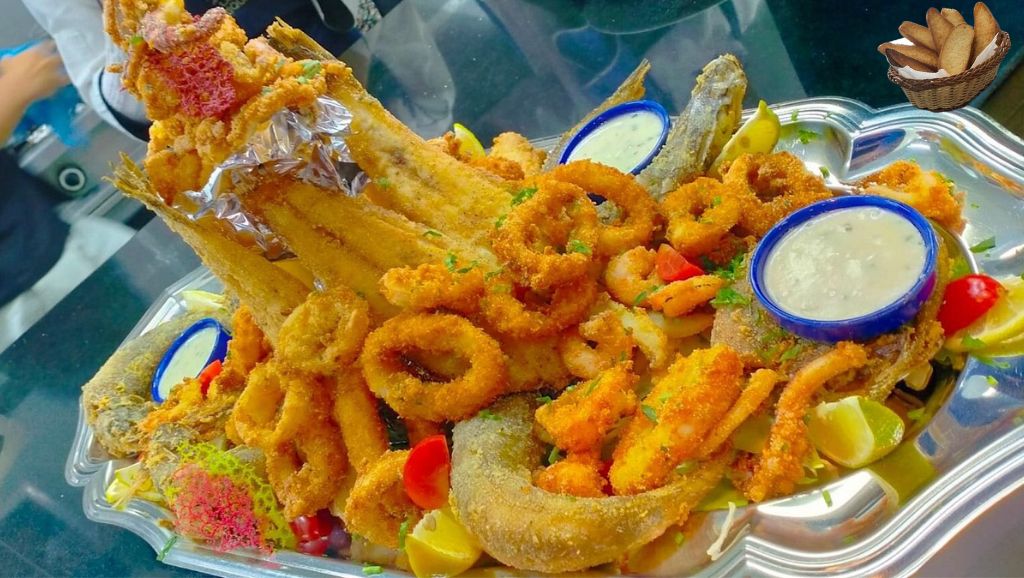
Food in dakhla reflects the environment and history of the region. it is shaped by the ocean the desert and the traditions of sahrawi life. meals are simple but meaningful focused on sharing nourishment and time rather than complexity. discovering local food is an essential way to understand daily life and culture. this culinary journey is an important chapter within the complete guide to dakhla and the moroccan sahara.
Seafood and ocean based cuisine in dakhla
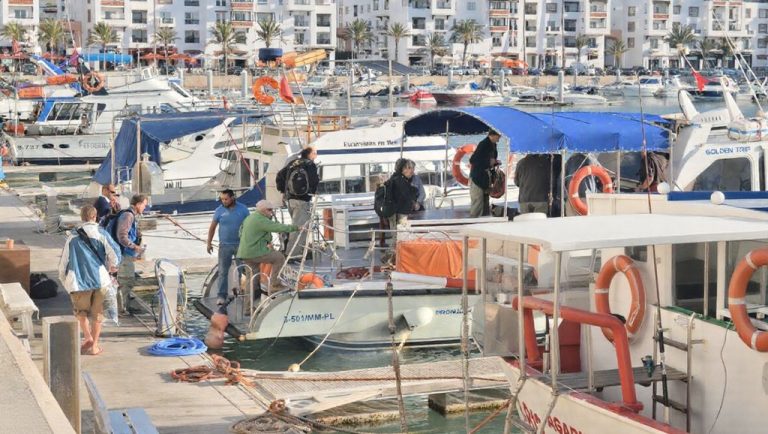
The atlantic ocean plays a central role in dakhla’s gastronomy. fresh fish and seafood are widely available and form the foundation of many local meals. fishing is not only an economic activity but also part of cultural identity.
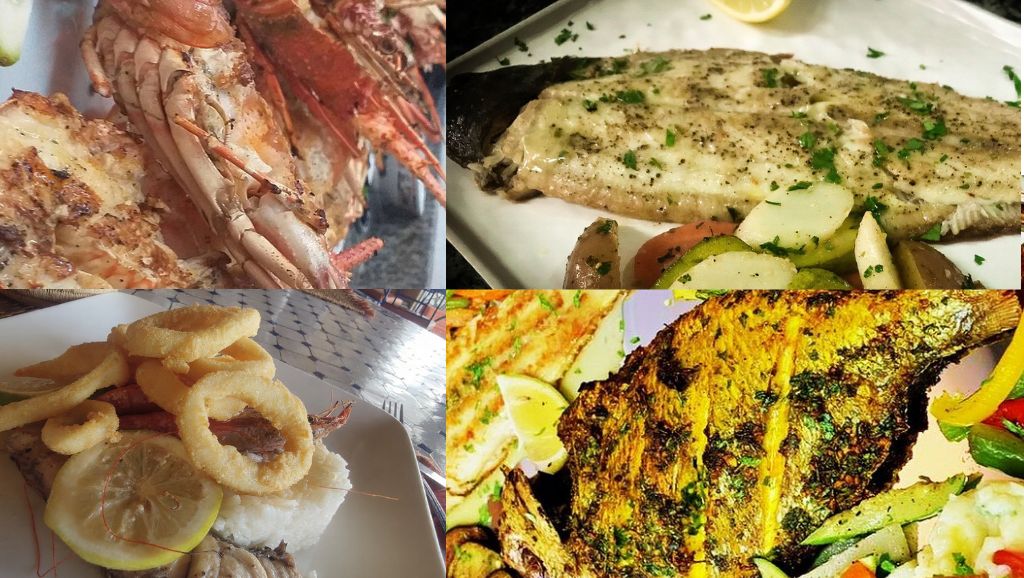
common catches include sea bream sardines lobster and octopus. these ingredients are usually prepared simply grilled or cooked with minimal seasoning to preserve natural flavors. meals often take place near the coast or in small family run restaurants.
fish markets offer a glimpse into daily life. fishermen return early in the morning and seafood is sold fresh within hours. this closeness between sea and table defines the authenticity of dakhla cuisine.
ocean based food experiences represent one of the most accessible ways to connect with the region and are strongly featured in the complete guide to dakhla and the moroccan sahara.
Traditional Sahrawi dishes and desert flavors
Beyond seafood dakhla’s cuisine includes traditional sahrawi dishes adapted to desert conditions. these meals are designed to be nourishing filling and suitable for harsh environments.
meat based dishes often use camel goat or lamb. cooking methods are slow and focus on preserving moisture and flavor. spices are used carefully with emphasis on cumin coriander and local herbs.
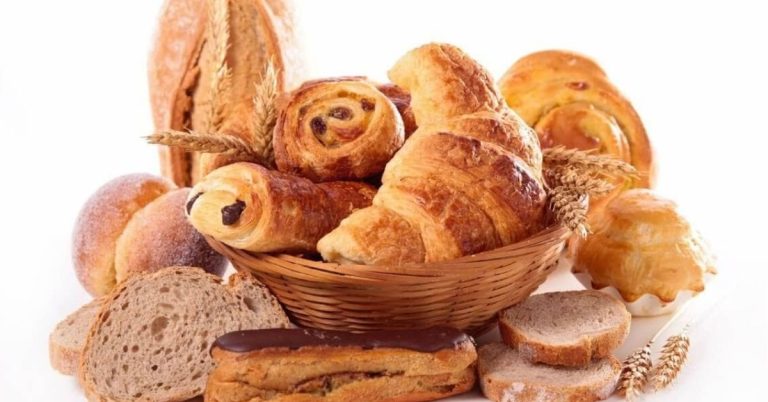
one of the most symbolic elements of sahrawi food culture is bread. bread is baked in simple ovens or directly in hot sand during desert journeys. it is shared communally and eaten with hands reinforcing social bonds.
these dishes reflect resilience and adaptation. they connect food to survival history and identity within the complete guide to dakhla and the moroccan sahara.
The ritual of tea and hospitality
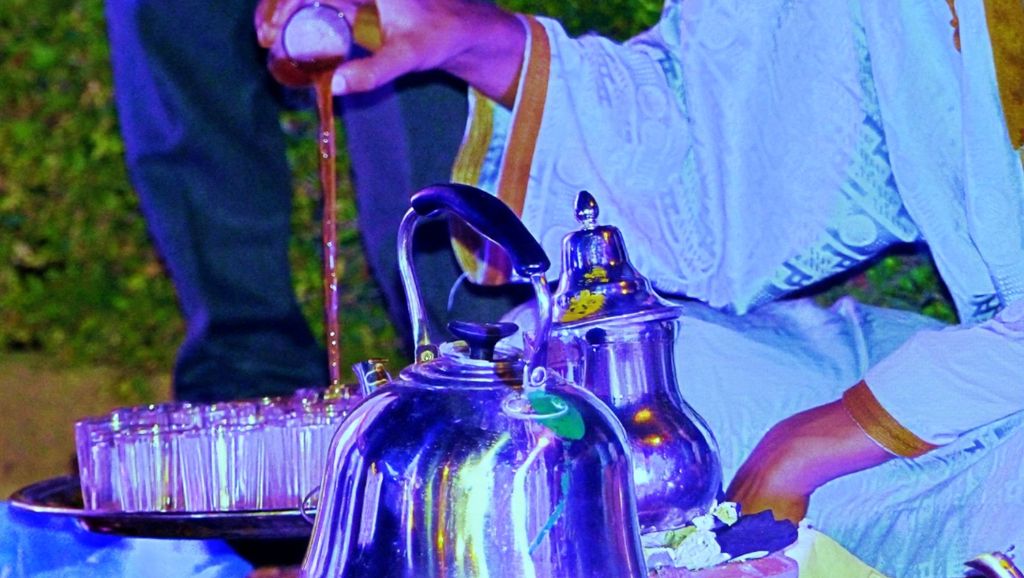
Tea holds a special place in dakhla’s culinary culture. it is more than a drink. it is a ritual that represents hospitality patience and respect. tea is usually prepared with green tea leaves mint and sugar.
the preparation follows a specific rhythm. tea is poured slowly and served in small glasses. several rounds are offered each with a slightly different taste. conversation flows naturally during this process.
tea gatherings are moments of pause in daily life. they can take place at home in the desert or at the end of a meal. accepting tea is a sign of openness and connection.
this ritual strengthens social ties and offers insight into cultural values. it is a key element within the complete guide to dakhla and the moroccan sahara.
Where to eat in dakhla local restaurants and food spots
Eating in dakhla is usually informal and relaxed. many local restaurants focus on seafood grilled meats and traditional dishes. décor is simple and attention is placed on freshness and generosity.
small restaurants near the lagoon or harbor are popular for lunch. meals are often served with bread salads and tea. prices remain accessible and portions are generous.
street food is also part of the experience. grilled sardines sandwiches and fresh juices are commonly found. eating outdoors allows visitors to observe daily life and engage casually with locals.
choosing local food spots supports small businesses and ensures a more authentic experience. these places are often recommended within the complete guide to dakhla and the moroccan sahara.
Home cooking and shared meals
home cooked meals offer the most intimate insight into dakhla’s food culture. families cook using traditional methods and recipes passed through generations. ingredients are seasonal and sourced locally whenever possible.
meals are usually shared from large plates placed at the center. everyone eats together reinforcing equality and connection. guests are encouraged to eat generously and at a comfortable pace.
sharing food at home often becomes a cultural exchange. stories are told traditions explained and relationships built. these moments stay with travelers long after the meal ends.
home cooking reflects the true spirit of dakhla and adds emotional depth to the complete guide to dakhla and the moroccan sahara.
Food as a reflection of environment and lifestyle
the simplicity of dakhla cuisine reflects the surrounding environment. desert and ocean demand respect and moderation. food choices follow availability rather than excess.
meals are not rushed. time is taken to eat digest and connect. this approach to food aligns with the slow rhythm of life in the region.
understanding local gastronomy helps visitors appreciate the balance between nature and culture. it reinforces the holistic experience described in the complete guide to dakhla and the moroccan sahara.
How gastronomy completes the experience of dakhla
food in dakhla is not about luxury or trend. it is about connection nourishment and tradition. each meal carries stories of land sea and people.
this satellite article focuses on gastronomy while remaining connected to the complete guide to dakhla and the moroccan sahara which provides broader travel context. together they offer a complete and grounded understanding of the destination.