
Marrakech Popular Arts Festival and Living Traditions
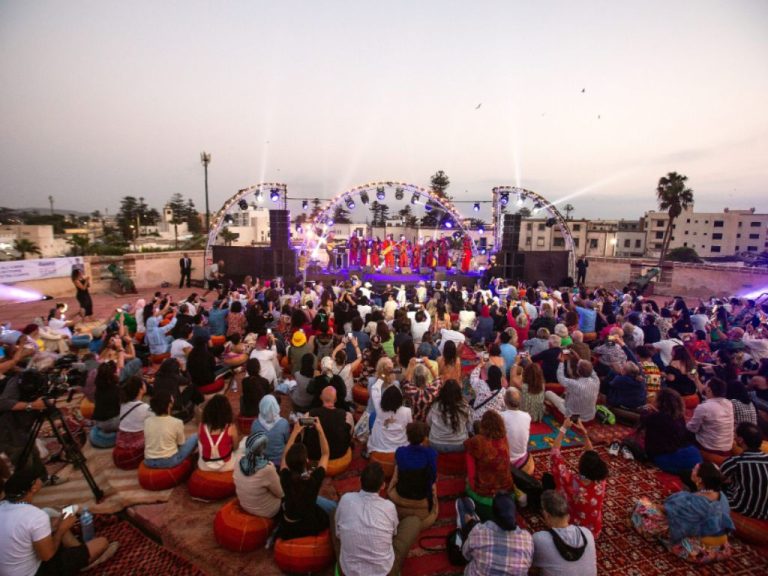
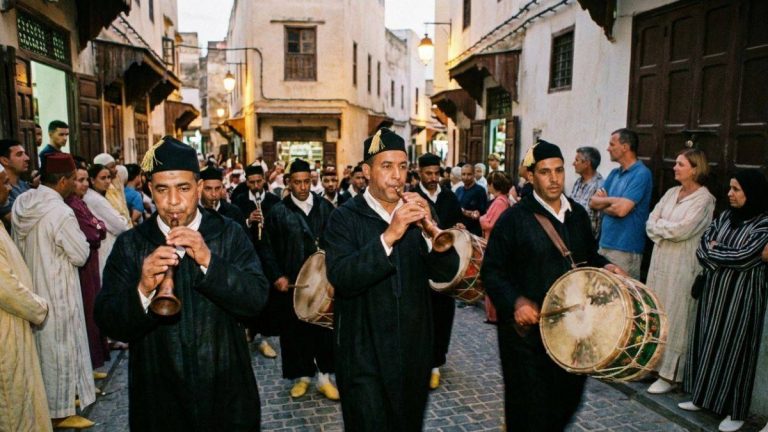
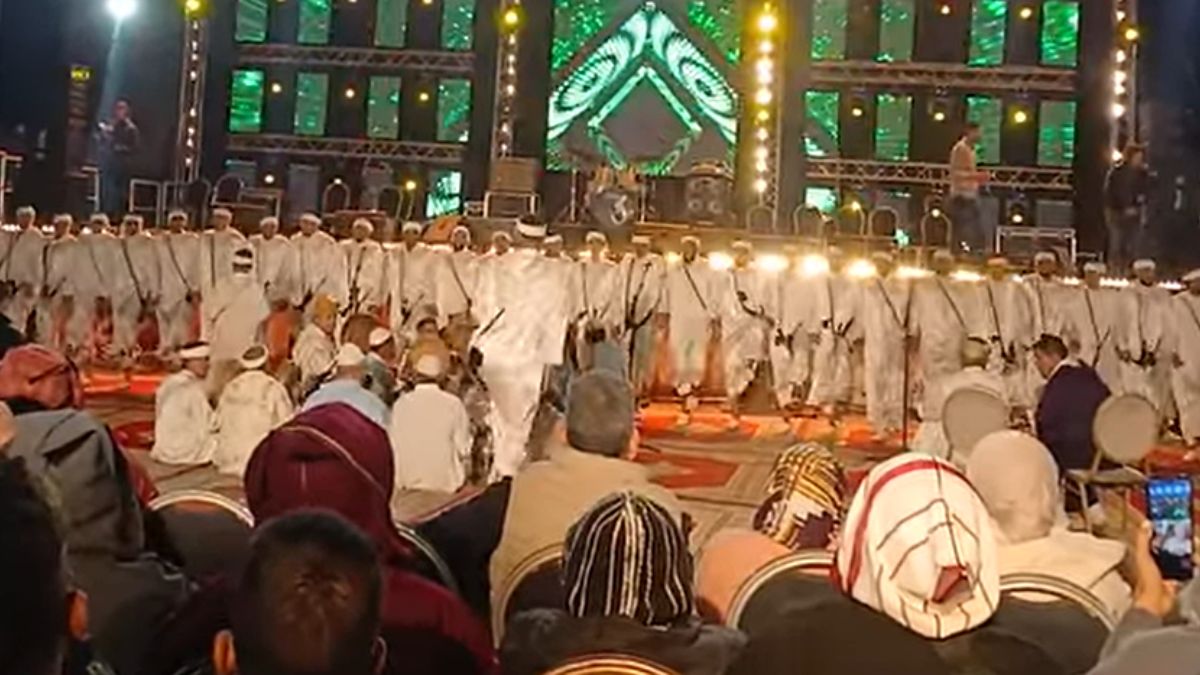
The first time I attended the Marrakech Popular Arts Festival, I felt as if I had stepped into a living tapestry of history. The air was warm and carried the mixed scent of dust, leather, and roasted spices. Around me, dancers, musicians, and storytellers moved with ease, their gestures and voices alive with centuries of tradition. You do not just observe here—you become part of the rhythm.
Tradition in motion
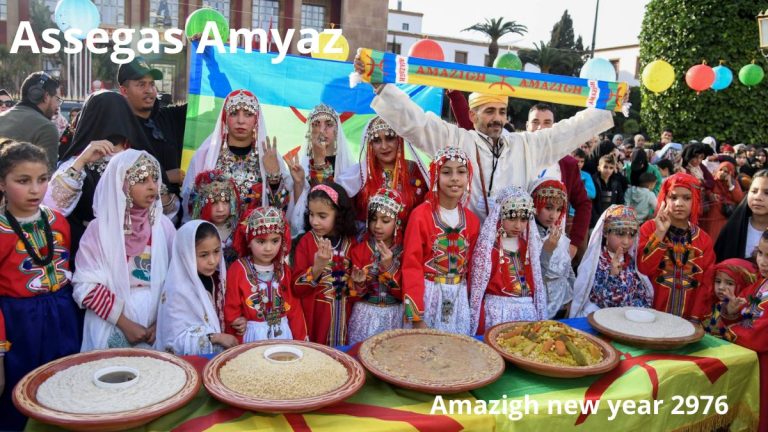
Unlike staged performances, this festival celebrates culture as a living, breathing entity. Movements shift slightly with each repetition, and rhythms respond to the moment. I remember standing near a group from the High Atlas. Their costumes were thick, layered, embroidered fabric, visually heavy but graceful in motion. Ankle bells chimed softly, the sound traveling through the stone under my feet. You feel the tradition in your body before your mind can interpret it.
This is a key aspect of cultural wellness, a principle central to the Marrakech complete travel guide, where experience supersedes explanation.
Jemaa el-Fna as the festival heart
Many performances unfold in Jemaa el-Fna. By day, the square is chaotic; by festival night, it transforms. Circles of attention form organically. Children sit close to storytellers. Elders observe quietly. Visitors like me learn to do the same. The uneven stone underfoot, the drift of smoke from food stalls, the echo of distant drums—all create an immersive sensory experience.
Sensory immersion
The festival is more than visuals. Closing your eyes allows sound, smell, and touch to dominate. The clapping of hands, the rustle of fabric, the warmth of the evening air—all become part of the experience. Sitting quietly between performances enhances this mindfulness. Here, cultural tourism overlaps with wellness, grounding you in the moment.
Learning through observation
Elders guide younger performers with gestures and glances. I spoke with a dancer whose hands were rough and eyes calm. He told me he learned by watching his grandfather. There were no words. Visitors are invited to learn in the same way: through attentive presence, not explanation.
Respectful participation
Dress modestly. Observe before engaging. Follow cues from locals. Phones should stay down. I found that stepping back often created opportunities—someone may offer tea, warm in your hands, releasing the scent of fresh mint.
Why the festival reshapes your travel
Many travelers leave Marrakech with a slower pace. Presence and attentiveness, cultivated at this festival, carry into the rest of the city. You begin to notice details—the texture of stone, the rhythm of footsteps, the soft layering of sound.
If you want to deepen your connection with living tradition, the next experience naturally flows into spiritual festivals in Morocco experienced in Marrakech, where collective silence and chant guide inner reflection.
When you travel, do you let tradition teach you its rhythm, or do you impose your own?