
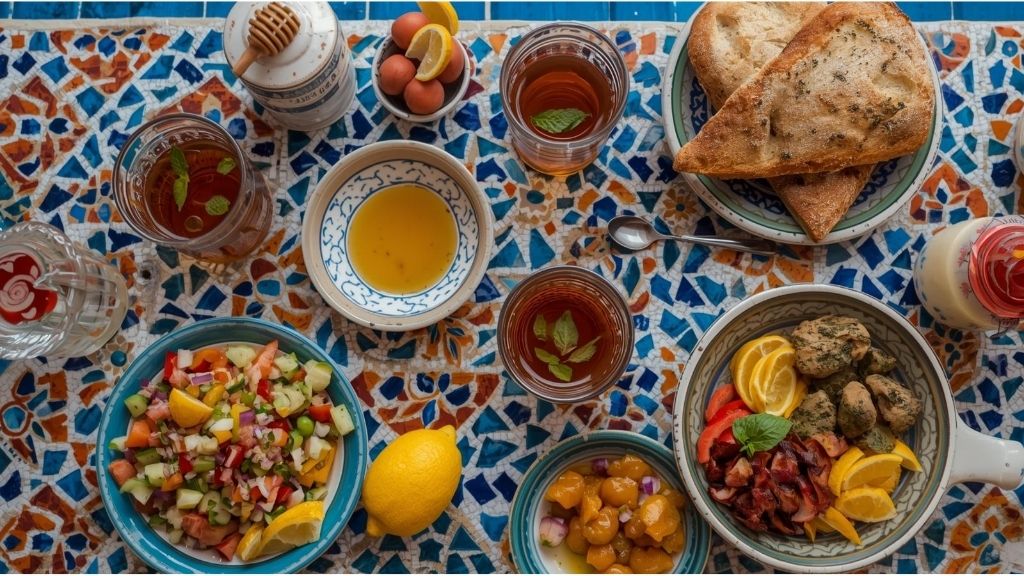
Marrakech doesn’t just feed you. It nourishes something deeper, something most modern cities have forgotten how to touch. Walk through the medina at dawn and you’ll smell bread baking in communal ovens where families have brought their dough for generations. By midday, tagine pots simmer on rooftops while mint tea ceremonies unfold in countless courtyards. Every meal here carries intention beyond satisfying hunger.This ancient city understands what science is just beginning to prove: food serves as our most powerful medicine when we choose and prepare it with knowledge. Moroccan culture never separated eating from healing. The spices that flavor your tagine also reduce inflammation in your gut. The mint tea offered as hospitality simultaneously aids your digestion. The hammam experience you enjoy connects directly to specific foods that amplify its detoxifying effects.
American travelers often arrive in Marrakech seeking exotic experiences and Instagram moments. Many leave having discovered something more valuable, a complete system of wellness built around food that actually works. The Moroccan approach doesn’t require expensive supplements or complicated protocols. It relies on fresh ingredients, time-tested preparation methods and an understanding that nourishing your body means honoring where food comes from and how it reaches your plate.This guide explores Marrakech’s healing food culture from multiple angles. You’ll learn which spices carry genuine therapeutic properties and how to use them effectively. You’ll discover the relationship between traditional hammam rituals and the foods that support detoxification. You’ll find authentic places where mint tea ceremonies still follow proper protocols that make the experience meaningful rather than merely photogenic. You’ll identify restaurants sourcing ingredients ethically and preparing them to maximize both flavor and nutrition.More importantly, you’ll understand the principles underlying these practices so you can integrate them into your own life regardless of where you live. Moroccan food wisdom isn’t locked behind geographic or cultural barriers. The knowledge belongs to anyone willing to learn it with respect and apply it with consistency. Consider this your invitation into a way of eating that has sustained communities through centuries and offers solutions to modern health challenges that conventional medicine often struggles to address.
Traditional Moroccan spices and their wellness benefits
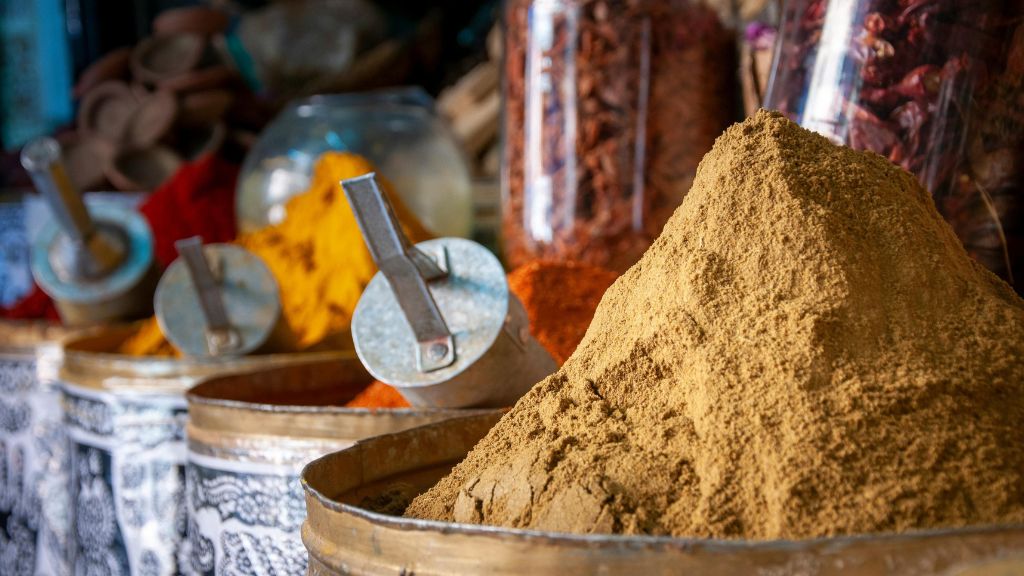
The spice souks of Marrakech assault your senses in the best possible way. Mountains of saffron, cumin, turmeric and dozens of other aromatics fill the air with scents that make your mouth water and your mind sharpen. These aren’t just flavor enhancers but concentrated plant medicines that Moroccan families have relied on for generations to prevent illness and support healing.Every Moroccan grandmother keeps specific spices for specific purposes. Turmeric paste treats cuts and bruises while cumin tea soothes upset stomachs. Ginger with honey fights off colds and saffron lifts dark moods. This knowledge passes from mother to daughter through daily cooking rather than formal instruction. The kitchen functions as both laboratory and pharmacy where food preparation and medicine-making overlap seamlessly.Modern research increasingly validates what Moroccan tradition has always known. Turmeric contains curcumin with anti-inflammatory effects rivaling pharmaceutical drugs but without the side effects. Cumin stimulates digestive enzymes and helps maintain healthy gut bacteria. Ginger accelerates stomach emptying and reduces nausea through multiple mechanisms. Saffron influences neurotransmitters in ways that genuinely affect mood and emotional wellbeing.The genius lies not just in using these spices individually but in combining them strategically. Ras el hanout, the master blend that might contain twenty different spices, creates synergistic effects where the whole exceeds the sum of parts. Black pepper increases curcumin absorption by two thousand percent. Cinnamon balances the warming effect of ginger. The combinations evolved through centuries of experimentation and observation, creating formulas that maximize therapeutic benefit.Understanding these spices transforms how you think about seasoning food. Each addition becomes a deliberate choice about supporting specific body systems or addressing particular needs. You stop reaching for the salt shaker reflexively and start considering which spices would benefit whoever will eat the meal. This shift from mindless seasoning to intentional spice use represents one of the most accessible ways to improve your diet’s therapeutic value.Moroccan markets teach you quality assessment through sensory evaluation. Vendors let you smell, sometimes taste, and always see their products before purchase. You learn that vibrant color indicates freshness and that aroma intensity reveals potency. Whole spices maintain their properties far longer than pre-ground versions, so you buy whole and grind as needed. These practical skills ensure you’re working with ingredients that actually deliver the promised benefits.The accessibility of spice-based wellness makes it particularly valuable. Unlike expensive supplements or complicated protocols, adding therapeutic spices to your daily cooking requires minimal investment and integrates seamlessly into normal routines. You don’t need special equipment or extensive training. You need quality spices, basic knowledge about their properties and willingness to experiment until you find combinations you enjoy.
For deeper exploration of how individual spices work and specific ways to incorporate them, discovering Moroccan healing spices and their ancient wellness secrets provides detailed guidance on selecting, storing and using these powerful ingredients in both traditional and contemporary applications.
Marrakech’s best hammam and food rituals for detox

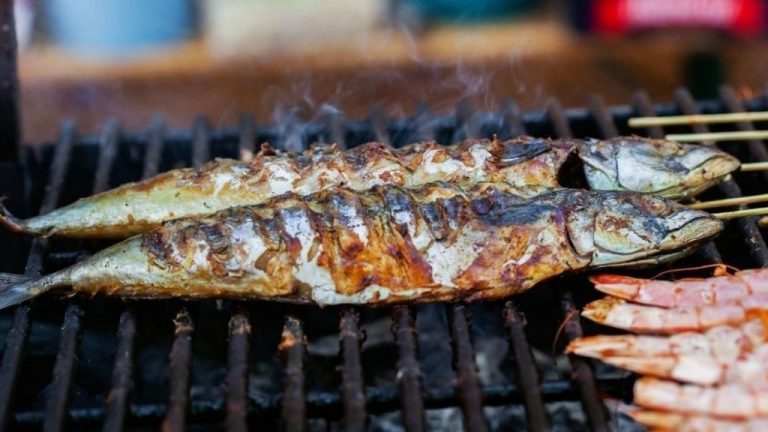
The hammam represents one of Morocco’s most distinctive wellness traditions, but most visitors miss how intimately it connects to food practices. The steam and scrubbing open pathways for elimination that specific foods and drinks then support. Understanding this relationship transforms the hammam from a spa novelty into a comprehensive detoxification system that addresses multiple body systems simultaneously.Traditional Moroccans schedule hammam visits with the same regularity Americans might schedule gym sessions. Thursday or Friday afternoon means time at the hammam, preparing body and spirit for the weekly day of rest. This consistency creates cumulative benefits that occasional visits can’t match. Your body adapts to the routine and becomes more efficient at releasing stored toxins during each session.The physical process moves through stages of increasing heat that gradually open pores and stimulate circulation. You begin in warm rooms that acclimate your system without shocking it. As your core temperature rises and sweating starts, you move to hotter chambers where the real detoxification work happens. The moist heat penetrates deeply, loosening toxins from tissues and encouraging them to exit through your largest organ, your skin.What happens after leaving the hammam matters as much as the session itself. Your body has just released significant fluids along with toxins and needs careful replenishment. Plain water alone doesn’t suffice because you’ve lost electrolytes and minerals along with the water. Traditional post-hammam drinks include herbal infusions chosen specifically to support the organs of elimination while replacing what sweating depleted.Verbena tea acts as a gentle diuretic that continues the cleansing process without stressing your kidneys. Artemisia supports your liver as it processes toxins released from storage in fat tissues. Fresh orange juice with orange blossom water provides vitamin C for immune support and natural sugars that restore energy quickly. These aren’t random beverage choices but strategic selections based on deep understanding of physiology.The recovery meal follows about an hour later when your digestive system is ready for substantial food. Light vegetable-based soups, grilled fish with herb sauces and simple salads provide nutrients without overwhelming a system focused on elimination. Heavy proteins, fried foods and excessive sugars all create burdens that interfere with the detoxification process the hammam initiated.Creating a regular hammam and food ritual establishes eating patterns that support ongoing wellness rather than periodic cleansing. Many people structure their week around hammam days, eating especially clean beforehand to maximize what gets released and having the right recovery foods ready afterward. This rhythm creates accountability and turns wellness from abstract concept into concrete practice with defined beginning and end points.The psychological dimension deserves recognition too. Having a dedicated time each week for physical renewal creates mental space for reflection and stress release. Modern life rarely gives us permission to focus entirely on bodily care without guilt about productivity. The hammam tradition normalizes this self-care and integrates it into cultural expectations rather than treating it as indulgence.You don’t need access to an authentic Moroccan hammam to benefit from these principles. Creating a home version through hot baths or steam showers combined with the same herbal teas and strategic food choices delivers meaningful results. What matters most is the combination of heat-induced elimination followed by targeted nourishment that supports your body’s continued detoxification work.
Learning more about the specific Marrakech hammam experience paired with traditional detox foods reveals the practical details of how to structure these sessions and what to consume before, during and after for maximum benefit to your digestive system and overall vitality.
Where to find authentic mint tea ceremonies in Marrakech
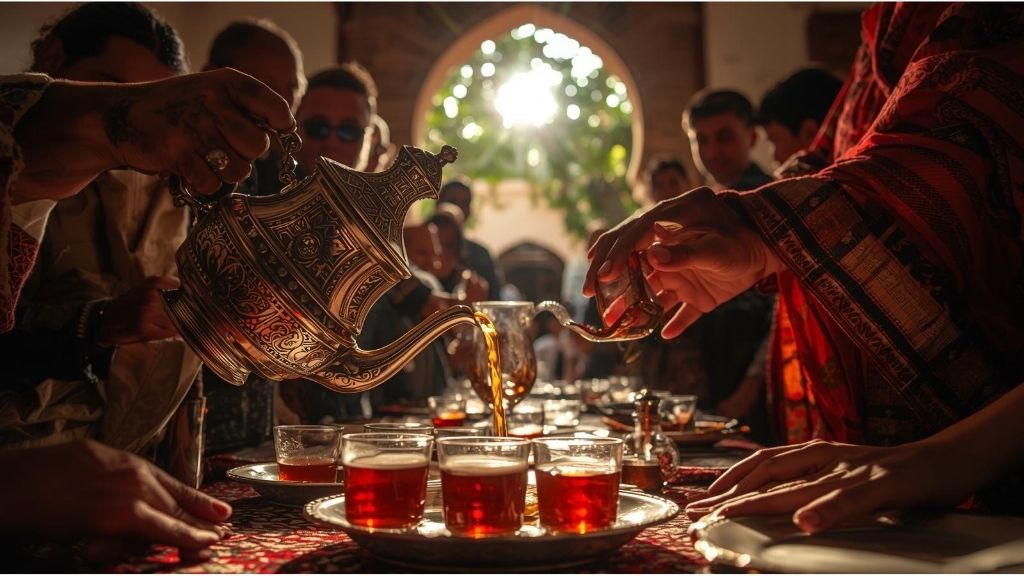
Mint tea in Morocco transcends beverage status to become a language of connection and respect. The preparation ceremony follows protocols refined over generations, where every gesture carries meaning. The high pour aerates the tea while cooling it slightly. The foam crowning each glass indicates proper technique. The three-glass tradition creates a complete experience rather than a quick caffeine hit.Tourist cafes serve mint tea but rarely honor the ceremonial aspects that make the experience meaningful. Finding places where preparation still follows traditional protocols requires knowing where locals actually gather. These spaces prioritize the ritual over speed and understand that tea service means creating moments of genuine connection rather than just delivering drinks.The small cafes tucked into medina corners attract neighborhood men throughout the day. These establishments have minimal decoration, just essential tea equipment and simple seating. The owner or a regular patron typically handles preparation, performing the ritual while conversing with others present. Walking in respectfully usually earns you a welcoming glass and glimpse into authentic Moroccan social life.The three-glass custom encourages lingering rather than rushing. Each glass supposedly tastes different despite coming from the same pot. The first is gentle as life, the second strong as love, the third bitter as death. This progression reflects both changing flavors as tea steeps longer and the philosophical arc of a meaningful visit. Refusing tea without good reason can offend, since accepting creates shared experience that facilitates connection more effectively than words alone.Quality ingredients matter enormously for authentic taste. Chinese gunpowder green tea provides the robust base that stands up to generous amounts of fresh spearmint. The mint must be fresh because dried versions lack essential oils that give the tea its characteristic flavor and digestive properties. Sugar plays a traditional but controversial role, creating intensely sweet drinks that balance bitterness and sharpness according to the saying that tea should be bitter as life, sweet as love, gentle as death.The Mellah, the old Jewish quarter, contains tea houses that have served their communities for decades. These spaces preserve older customs and attract eclectic mixes of elderly locals, artists and knowledgeable travelers. The pace moves slowly with conversations flowing as continuously as the tea. Entering requires patience and observation rather than demanding immediate service. Watch how others behave and follow their lead.Rooftop terraces offer another venue for authentic ceremonies, particularly at sunset when the city transitions from busy daytime energy to gentler evening moods. These spaces feel distinctly different from polished hotel bars. The furniture might be mismatched and setup casual, but tea preparation proceeds with full attention to tradition. The informal atmosphere actually enhances experience by removing performance aspects that creep into tourist-oriented venues.Understanding the digestive benefits adds another dimension to appreciating mint tea. The combination of green tea and mint provides specific support for processing food comfortably. Green tea stimulates enzyme production while mint relaxes digestive tract muscles, reducing cramping and bloating. The hot liquid maintains stomach warmth which helps break down food more efficiently. This becomes particularly important after eating the rich spiced dishes characterizing Moroccan cuisine.The ritual of sitting and sipping slowly also benefits digestion by forcing a pause between eating and other activities. This rest period allows your body to focus energy on digestive processes rather than immediately moving to physical or mental work. Modern habits of eating quickly and rushing away disrupt digestion in ways the tea ceremony naturally counteracts.Tea also functions as social currency that establishes relationships transcending commercial transactions. Shopkeepers offering tea create contexts where interactions can unfold respectfully rather than reducing everything to buying and selling. Accepting the tea acknowledges this relationship without obligating you to purchase anything, though abrupt departure after drinking would be considered rude.Several cooking schools in Marrakech include tea ceremony instruction as part of their programs, teaching not just mechanical steps but cultural context making the ritual meaningful. Students learn proper equipment selection, the importance of quality ingredients and specific techniques creating characteristic flavor and presentation. The instruction emphasizes that ceremony requires practice to master, particularly the high pour that looks effortless but demands coordination and confidence.Beyond technique, good instruction explains social protocols around tea service. You learn when to serve tea, how to be a gracious guest and the subtle communications happening through the ceremony. This cultural knowledge transforms tea from a drink you can make at home into a practice connecting you to Moroccan values and traditions.Seasonal variations occasionally appear though spearmint dominates year-round. Winter months might see additions of warming herbs like sage that support immunity. Special occasions sometimes include orange blossom or rose water adding delicate floral notes appropriate for celebrations. Summer variations might emphasize mint even more heavily or use slightly less sugar for more refreshing drinks.Bringing mint tea ceremony into your daily life doesn’t require moving to Morocco. The practice adapts well to different settings once you understand core principles. Starting your day with careful preparation creates mindful moments setting positive tones. Afternoon tea breaks provide structured pauses refreshing mental energy. Sharing tea with friends and family introduces them to the ceremony’s social dimensions and creates shared experiences strengthening relationships.For comprehensive understanding of how mint tea fits into broader Moroccan traditions, exploring the authentic mint tea ceremony in its cultural context reveals the full depth of this practice and its role in daily life, social bonding and digestive wellness throughout Morocco’s history.
Farm-to-table dining: Organic restaurants in Marrakech
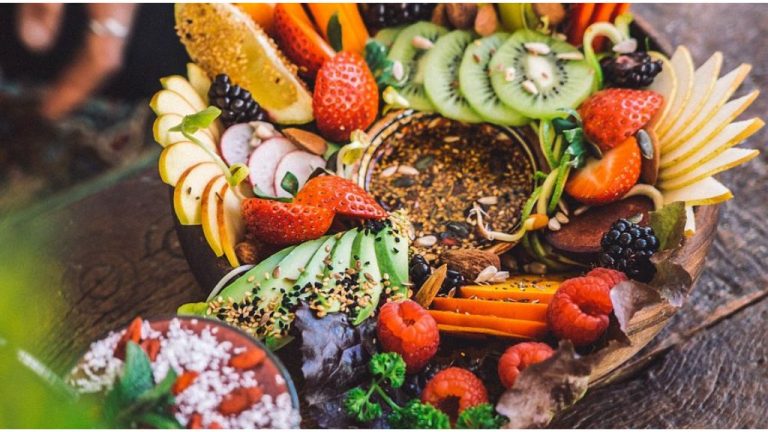
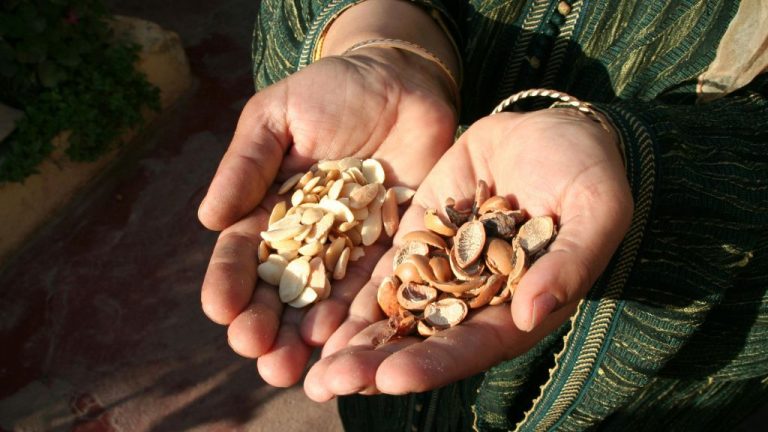
Modern Marrakech has witnessed a quiet revolution as restaurants reconnect with agricultural traditions that industrial food systems nearly severed. A growing number of establishments now source ingredients from local organic farms and Berber cooperatives, creating menus reflecting seasonal availability rather than year-round consistency. This approach honors Morocco’s agricultural heritage while addressing contemporary concerns about food quality, environmental sustainability and nutritional value.The movement began when chefs noticed that conventional produce had lost the intense flavors they remembered from childhood. Tomatoes tasted watery, herbs grew weak and the vital connection between farm and table had stretched too thin. These culinary pioneers began seeking small farms still practicing traditional methods without synthetic pesticides or fertilizers. The quality difference proved so dramatic that returning to conventional ingredients became unthinkable.Several restaurants now exemplify this farm-to-table commitment while maintaining authentic Moroccan character. Pepo Kitchen works directly with farms in the Ourika Valley, receiving daily deliveries of produce picked that morning. Their constantly changing menu reflects what’s actually growing rather than what guests expect to see. This seasonal honesty creates anticipation for ingredients at their peak and education about natural growing cycles.Nomad takes a contemporary approach with modern space and lighter preparations that showcase quality ingredients without heavy sauces. They operate their own small farm where staff grow herbs and specialty vegetables, ensuring access to the freshest possible garnishes. What they can’t grow comes from vetted organic suppliers who meet strict quality standards verified through regular farm visits.La Famille built its reputation on vegetarian food so fresh and flavorful that meat eaters don’t miss animal protein. The restaurant’s garden creates an oasis where diners eat surrounded by herbs and edible flowers garnishing their plates. Bees from restaurant hives pollinate the garden and produce honey appearing in desserts and tea. The mostly female staff includes the owner who personally selects produce each morning from longtime farm partners.Le Jardin occupies a restored riad with commitment to sourcing at least eighty percent of ingredients from organic and small-scale producers. The chef works with women’s cooperatives producing preserved lemons, olive oil and argan oil using traditional methods passed through generations. Their Moroccan salad plate presents eight preparations made from vegetables at seasonal best, each receiving individual attention with distinct spice combinations.These restaurants don’t just serve organic food but embody philosophy about how eating should connect us to land, farmers and cultural heritage. Menus tell stories about ingredient origins and the people growing them. This transparency builds trust and helps diners understand why meals cost more than street food or conventional offerings. The price reflects fair compensation for farmers practicing sustainable agriculture and restaurant commitment to quality over profit maximization.True farm-to-table establishments embrace seasonal limitations rather than fighting them. Menus shift dramatically between winter and summer, reflecting what actually grows during different times of year. Spring brings tender fava beans and artichokes appearing in light salads. Summer overflows with tomatoes and peppers dominating menus during brief abundance. Fall introduces squashes and root vegetables perfect for roasting. Winter features hearty greens and citrus sustaining people through cooler months.Many organic restaurants work directly with Berber cooperatives in the Atlas Mountains and surrounding areas. These cooperatives, often run by women, produce exceptional quality olive oil, argan oil, honey and preserved lemons using unchanged methods. The cooperative model ensures fair compensation and supports communities maintaining traditional agricultural knowledge. Restaurants gain access to ingredients of unmatched quality while cooperatives secure reliable markets valuing their products appropriately.The argan oil used comes from cooperatives where women hand-crack nuts and cold-press oil in small batches. This labor-intensive process produces oil far superior to industrially processed versions. The same applies to olive oil from ancient groves where trees have grown for centuries without chemical treatments. These ingredients don’t just add flavor but carry essence of their place and people.Price considerations create legitimate concerns about accessibility and elitism. Organic restaurants cost more than conventional options because sustainable farming requires more labor and yields less per acre. Farmers deserve fair compensation for producing clean food without degrading their land. Small-scale operations lack economies reducing costs in industrial systems. However, the value proposition becomes clearer considering what you actually receive: peak-season ingredients, fair labor practices and knowledge your money supports positive change.Several more affordable options prove organic eating doesn’t require luxury budgets. Earth Cafe caters to vegans and vegetarians seeking organic food in casual, accessible settings. The relaxed atmosphere and moderate prices make healthy eating available to budget travelers and locals. They source from the same farms as expensive restaurants but manage costs through simple spaces and straightforward preparations.Cafe Clock blends cultural programming with food menus increasingly emphasizing organic and local sourcing. Their cooking classes teach ingredient sourcing as much as preparation techniques. Students visit markets with instructors to select produce, learning quality identification and respectful negotiation. This educational component spreads awareness about why ingredient choices matter and how to make better decisions when shopping independently.Finding these restaurants requires research since they’re dispersed throughout the city. Most maintain active social media with current menus and location information. Reading recent reviews helps gauge whether establishments maintain standards or have declined. Some require reservations, especially during high season. Writing addresses in French or Arabic helps taxi drivers locate smaller venues they might not recognize by name.Choosing organic farm-to-table restaurants during your visit supports farmers practicing sustainable agriculture and establishments committed to quality. Your spending directly influences whether these operations can survive and expand or whether market forces push them toward cheaper conventional ingredients. Talking about these restaurants and sharing experiences through reviews amplifies their reach to more customers sharing these values.
For travelers wanting to learn cooking techniques making these restaurants special, exploring Marrakech cooking classes focused on traditional healing recipes provides hands-on experience with preparation methods and ingredient combinations transforming simple organic produce into extraordinary meals supporting both culinary pleasure and bodily wellness.
Cooking classes that teach Moroccan healing recipes
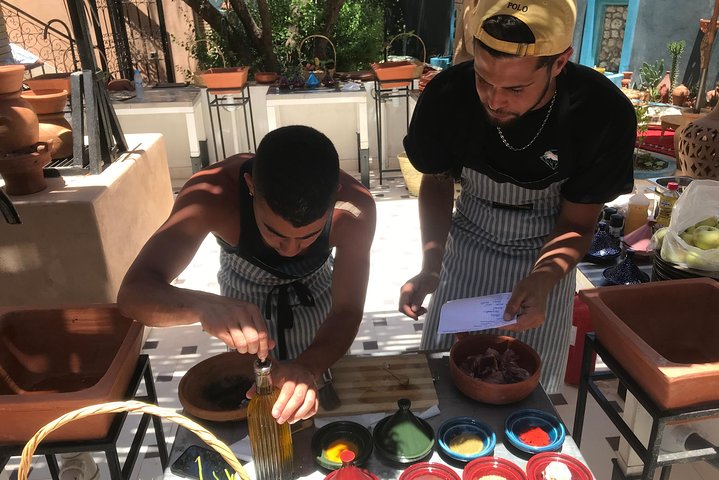
Watching a Moroccan grandmother prepare tagine reveals knowledge that cookbooks can never fully capture. Her hands know exactly how spice paste should feel and when vegetables have softened to ideal texture. She adjusts recipes instinctively based on season, available ingredients and who will eat the meal. This intuitive mastery comes from decades of daily practice and represents living tradition that formal education struggles to transmit.Cooking classes in Marrakech offer the closest thing to apprenticing with these expert home cooks. The best instructors don’t just teach recipes but share the therapeutic principles underlying ingredient choices and preparation techniques. You learn which spice combinations aid digestion, how cooking methods affect nutrient availability and why certain foods pair together for maximum health benefit. This knowledge transforms cooking from mechanical recipe following into intentional medicine-making.Most valuable classes begin with guided market tours where you select ingredients alongside your instructor. Walking through the souks teaches you to evaluate produce quality, identify unfamiliar ingredients and negotiate respectfully with vendors. Your guide explains seasonal patterns, shows you varieties unavailable in Western markets and demonstrates proper selection techniques. You discover that brightest vegetables aren’t always tastiest and that slightly imperfect produce often has superior flavor.The social dynamics of market shopping become clear as you watch your instructor interact with long-established vendor relationships. These connections built over years involve mutual respect, good-natured bargaining and genuine concern for each other’s wellbeing. You see how food procurement functions as social practice strengthening community bonds rather than just commercial transaction focused on price.Traditional cooking equipment plays crucial roles in achieving authentic results. Learning to use tagine pots properly matters because their unique design creates cooking environments modern pots can’t replicate. The conical lid causes moisture to condense and drip back onto food, essentially basting it continuously. This self-basting keeps ingredients tender while concentrating flavors. The clay or ceramic material distributes heat evenly, preventing hot spots that can char food.Many classes begin with spice blending because this foundation determines therapeutic properties of everything you’ll cook. You learn to toast whole spices until fragrant, activating essential oils and making compounds more bioavailable. The instructor explains what each spice contributes beyond flavor, detailing digestive benefits, anti-inflammatory properties or immune support. Creating ras el hanout involves combining up to twenty spices in precise proportions where each component serves specific purposes.Grinding spices by hand in traditional mortar and pestle gives tactile feedback about texture and allows precise control of fineness. Some spices should be coarsely ground while others need powder consistency. The physical effort creates appreciation for work going into proper food preparation and respect Moroccan cooks have for their ingredients. This hands-on engagement connects you to the process in ways electric grinders never can.Learning to build tagine properly represents one of the most valuable skills you’ll take home. The layering of ingredients follows principles ensuring everything cooks perfectly despite different requirements. Harder vegetables go on bottom where heat concentrates while delicate ingredients rest higher where they cook more gently. The instructor demonstrates arranging ingredients for both functional cooking and visual appeal, reflecting cultural values around making food appealing to all senses.Bread-making instruction appears in many classes because no Moroccan meal feels complete without fresh khobz for scooping up tagines and dips. The simple dough of flour, water, yeast and salt becomes something special through proper kneading, shaping and baking techniques. Your hands learn how dough should feel at different stages and when to stop kneading. Over-worked dough becomes tough while under-worked dough lacks structure.Preserved lemon preparation opens understanding of how Moroccans extend seasonal abundance and create ingredients with enhanced nutritional properties. The fermentation process preserves lemons while developing probiotics supporting gut health and creating unique flavors impossible with fresh citrus. The instructor explains how salt draws out liquid while preventing harmful bacteria, creating environments where beneficial microorganisms thrive.The extensive salad course starting most Moroccan meals receives detailed attention. These aren’t simple green salads but cooked and raw vegetable preparations with distinct spice profiles. Each salad provides different nutritional benefits and prepares the digestive system for heavier courses to come. Zaalouk demonstrates how vegetables transform through different cooking techniques. The eggplant gets roasted until soft while tomatoes cook down into concentrated sweetness.Proper couscous preparation requires specific equipment and technique most people outside North Africa never learn. The couscoussier, a special steamer pot, allows grain to cook in steam rising from stew below. This method keeps couscous light and fluffy while infusing it with aromatic steam. The instructor demonstrates working couscous by hand, fluffing it multiple times during cooking to prevent clumping and ensure even steaming.Moroccan soups like harira provide concentrated nutrition in easily digestible form. The cooking class teaches building these soups layer by layer where each addition contributes specific nutritional or therapeutic benefits. Lentils provide protein and iron, tomatoes add lycopene and vitamin C, fresh herbs contribute antioxidants and digestive support. The technique of blending some ingredients while leaving others whole creates textural interest and helps nutrients absorb more efficiently.Sweet treats receive attention too with instruction in making chebakia or other traditional pastries containing nuts, honey and spices chosen for health properties beyond taste. The instructor shares traditional beliefs about when and why to serve specific sweets. Dates stuffed with almond paste appear during Ramadan to break fasts because they provide easily absorbed nutrients after fasting. Honey cookies get served to guests as gestures wishing them sweetness in life.The class ends with reflection on what you’ve learned and discussion of applying lessons in your own kitchen. The instructor provides tips for sourcing ingredients outside Morocco and suggests substitutions when authentic items aren’t available. You leave with recipes written down but more importantly with principles allowing you to improvise and adapt. Many classes provide take-home spice blends or preserved ingredients you helped make during the session.The real value emerges not during class itself but in months and years afterward as you integrate these techniques into regular cooking. Start by making one or two dishes frequently until they become automatic. Once comfortable with those, add new recipes gradually. This incremental approach builds confidence and prevents overwhelming feelings that sometimes follow intensive learning experiences.Consider creating Moroccan meal routines, perhaps cooking tagine every weekend or making couscous for Friday gatherings with friends. Regular practice reinforces techniques while ritualistic aspects create something to look forward to. Sharing these meals with others spreads knowledge and creates community around food, just as happens in Morocco.Choosing the right class requires careful research because Marrakech offers numerous options ranging from tourist-oriented quick sessions to serious multi-day workshops. Look for classes including market visits, using traditional equipment and emphasizing wellness aspects of Moroccan cooking. Avoid operations rushing through recipes without explaining why behind techniques or relying heavily on pre-prepared ingredients.Small class sizes allow more individual attention and hands-on participation. Courses limited to four or six students let everyone work directly with ingredients rather than just watching demonstrations. The higher cost of intimate classes usually proves worthwhile through deeper learning they enable. Read reviews focusing on what participants actually learned rather than just whether they had fun.The cooking class ultimately serves as gateway into Moroccan culture more broadly. Through food preparation you encounter values of hospitality, family connection, respect for tradition and mindful resource use. These values inform not just cooking but all aspects of how Moroccans live and interact with each other. Understanding food’s role helps you appreciate other cultural practices you encounter during your visit.
For comprehensive exploration of how cooking class techniques apply in authentic restaurant settings and how traditional preparation methods maximize ingredients’ healing potential, learning about Marrakech cooking classes teaching healing recipes reveals the full scope of hands-on culinary education available and its connection to Morocco’s food-as-medicine philosophy.
How Moroccan tagine supports gut health and digestion
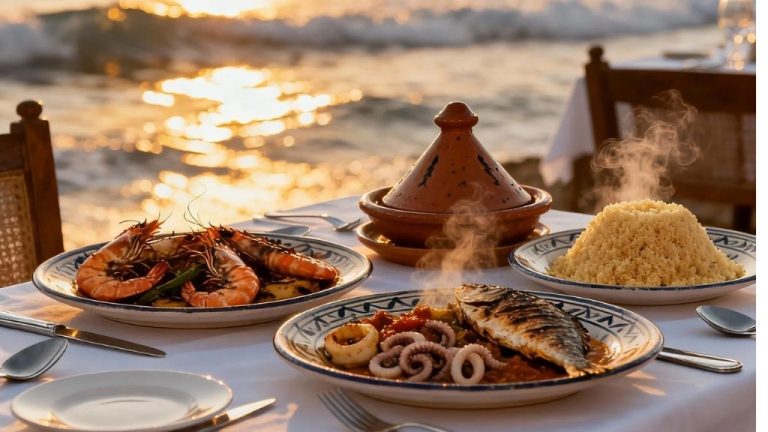
The clay pot with its distinctive cone-shaped lid represents more than just cookware. Traditional tagine design creates unique cooking environments that maximize both nutrient preservation and digestibility. The science behind why tagine-cooked food supports gut health better than the same ingredients prepared differently reveals sophisticated understanding embedded in this ancient cooking method.Slow cooking at low steady heat breaks down complex carbohydrates and proteins into simpler forms your digestive system processes more easily. Tough vegetable fibers soften without losing beneficial structure, making nutrients more accessible while maintaining fiber your gut microbiome needs. The extended cooking time allows enzymes naturally present in foods to remain active longer, pre-digesting components before they reach your stomach.The conical lid creates self-basting systems where moisture condenses on cool interior surfaces and drips back onto cooking food. This constant circulation keeps ingredients moist without requiring excessive liquid. The design emerged from practical necessity in regions where water scarcity made every drop precious. Moroccan cooks developed pots minimizing liquid requirements while maximizing flavor development and nutrient retention.The sealed cooking environment traps aromatic compounds that might otherwise evaporate. These volatile molecules include many therapeutic components in spices and herbs. By keeping them contained, the tagine ensures beneficial compounds infuse into food rather than dissipating into air. You receive maximum benefit from every ingredient added to the pot.Vegetables featured abundantly in tagines provide fiber essential for healthy gut function. The slow moist heat softens vegetable cell walls without completely destroying structure. This partial breakdown makes fiber more tolerable for sensitive digestive systems while maintaining enough integrity to feed beneficial gut bacteria. Carrots, turnips, squash and other root vegetables contain both soluble and insoluble fiber working together to support optimal digestive function.Many tagines incorporate chickpeas, lentils or fava beans providing prebiotic fiber feeding beneficial bacteria in your gut. These legumes contain resistant starches passing through your small intestine undigested and arriving in your colon where gut bacteria ferment them. This fermentation produces short-chain fatty acids reducing inflammation and supporting intestinal barrier function.The slow cooking makes legumes more digestible by breaking down oligosaccharides commonly causing gas and bloating. While quick-cooked beans might produce digestive discomfort, tagine-cooked legumes cause fewer issues because extended heat exposure reduces problematic compounds. People who typically avoid beans due to digestive problems often tolerate tagine preparations better.Specific spices used in tagine cooking target digestive function deliberately. Cumin stimulates enzyme production and has carminative properties reducing gas formation. Ginger accelerates stomach emptying and reduces nausea. Turmeric provides anti-inflammatory benefits calming intestinal irritation. Each spice serves therapeutic purposes beyond adding flavor.The slow cooking allows spices to release active compounds gradually into dishes. Quick cooking at high heat can destroy delicate therapeutic molecules but tagine’s gentle heat preserves them. The oil present in most tagines helps extract fat-soluble compounds from spices, making them more bioavailable when you eat finished dishes.Traditional tagines often feature lamb, chicken or fish cooked until tender enough to fall off bones. This extended cooking breaks down connective tissues and makes protein more digestible. The collagen in meat converts to gelatin during slow cooking, creating substance that actually soothes and heals gut lining. Bone broth forms naturally when cooking meat tagine-style with bones included.Most tagines begin with olive oil used to sauté aromatics and create flavor bases. Olive oil contains oleic acid and polyphenols reducing gut inflammation and supporting growth of beneficial bacteria. The monounsaturated fats help absorb fat-soluble vitamins and phytonutrients from vegetables and spices cooked in tagines. The low cooking temperature preserves olive oil’s delicate compounds that higher heat would destroy.Preserved lemons frequently appearing in tagines add complex citrus notes and important probiotics. The fermentation process creates beneficial bacteria similar to those in yogurt or sauerkraut. These probiotics colonize your gut and support digestive function while crowding out harmful bacteria. The soft rind contains high concentrations of vitamin C and bioflavonoids supporting immune function and reducing inflammation.Almost every tagine starts with sautéed onions and garlic forming flavor foundations. These allium vegetables contain prebiotic compounds feeding beneficial gut bacteria. They also have antimicrobial properties helping control harmful bacteria without disrupting good ones. The balance they provide supports healthy microbiomes.Many tagines feature tomatoes providing lycopene, powerful antioxidants particularly beneficial for gut health. Cooking tomatoes actually increases lycopene availability because heat breaks down cell walls and makes this compound easier to absorb. The oil present in tagines further enhances absorption since lycopene is fat-soluble.Fresh herbs added near cooking’s end provide additional digestive support and nutrient density. Cilantro helps eliminate heavy metals from bodies and provides antioxidants protecting gut cells. Parsley offers chlorophyll supporting detoxification and provides vitamins K and C important for tissue repair. The timing of herb addition matters because their delicate compounds degrade quickly at high temperatures.The way Moroccans consume tagine contributes to digestive benefits as much as ingredients and cooking methods. Tagine typically appears as main course after starter salads preparing digestive systems with raw vegetables and stimulating spices. This progression from raw to cooked follows digestive logic, beginning with foods easiest to break down.Moroccans eat tagine slowly, often sharing from communal platters and using bread to scoop up bites. This measured pace allows proper chewing and gives satiety signals time to reach brains before overeating occurs. The social nature of shared meals creates relaxed atmospheres supporting optimal digestion by keeping nervous systems calm.The flexibility of tagine cooking allows adaptation for various digestive sensitivities and health conditions. Someone with irritable bowel syndrome might prepare versions emphasizing easily digested vegetables like zucchini and carrots while limiting gas-producing ingredients. People recovering from illness can make brothier tagines providing nutrition without requiring much chewing or digestive work.Incorporating tagine-style cooking into regular routines doesn’t require moving to Morocco or buying specialized equipment. Heavy pots with tight-fitting lids can approximate traditional tagine function well enough to deliver most benefits. The key lies in adopting slow cooking approaches and thoughtful ingredient combinations rather than having perfect pots.Understanding tagine’s digestive benefits opens awareness to how traditional cooking methods often embody wisdom science is only now beginning to validate. Cultures developing over centuries created food preparation techniques serving both practical and health purposes. The knowledge didn’t come from laboratories but from generations of observation and experience.For foundational understanding of the therapeutic spices making tagine so powerful for digestive wellness, exploring traditional Moroccan healing spices and their ancient wellness secrets provides detailed knowledge about ingredients transforming tagine from simple stew into medicine supporting gut health and overall vitality through every flavorful bite.
Anyway
Marrakech’s healing food culture offers more than exotic flavors and Instagram-worthy presentations. It provides a complete system for nourishing your body that has sustained communities through centuries of change. The wisdom embedded in these culinary traditions addresses modern health challenges that conventional medicine often struggles to resolve. Inflammation, digestive problems, stress-related illnesses and metabolic dysfunction all respond to the food-as-medicine approach Moroccans have practiced since long before these conditions became epidemic.What makes this system particularly valuable is its accessibility. You don’t need expensive supplements, complicated protocols or specialized equipment to benefit from Moroccan food wisdom. You need quality ingredients, knowledge about their properties and willingness to slow down enough to prepare food with intention. The spices filling Marrakech’s souks cost pennies per serving yet deliver therapeutic effects rivaling pharmaceutical interventions without the side effects.The cooking methods matter as much as the ingredients themselves. Slow tagine cooking, careful spice toasting, proper fermentation and strategic herb addition all contribute to making food more digestible and nutritionally potent. These techniques evolved through generations of observation about what works, creating a body of practical knowledge that modern nutritional science is only beginning to understand and validate.Beyond the physical benefits, Moroccan food culture teaches important lessons about how we should relate to eating. The emphasis on sharing meals from communal platters builds social bonds that support mental and emotional health. The ritual aspects of tea ceremonies and market shopping create mindfulness practices disguised as daily necessities. The seasonal eating patterns reconnect us to natural cycles that industrial food systems have tried to erase.Bringing these principles into your own life doesn’t require abandoning your cultural background or completely restructuring your kitchen. Start with one or two practices that resonate most strongly. Maybe you begin incorporating therapeutic spices into familiar dishes. Perhaps you establish a weekly ritual around slow-cooked meals shared with friends. You might create a simple tea ceremony marking transitions between work and rest. Small consistent changes accumulate into meaningful transformation over time.The restaurants, cooking classes and traditional practices you discover in Marrakech serve as inspiration and education for changes you’ll implement at home. Take photos not just of finished dishes but of techniques and ingredient combinations. Ask questions about why things are done specific ways. Buy spices and preserved ingredients to bring home, choosing quality over quantity so what you carry back actually gets used rather than sitting forgotten in your pantry.Remember that food wisdom from any culture adapts to different contexts while maintaining core principles. You probably can’t source preserved lemons from Moroccan cooperatives year-round, but you can make your own or find local equivalents. The specific ingredients matter less than understanding the principles they represent. Fermented foods, anti-inflammatory spices, slow cooking methods and mindful eating practices transcend geographic and cultural boundaries.The knowledge you gain in Marrakech about food’s healing potential extends far beyond Moroccan cuisine. Once you understand how spices affect digestion or why cooking methods influence nutrient availability, you start seeing opportunities to apply these insights everywhere. Your relationship with food transforms from passive consumption to active participation in your own wellbeing. Every meal becomes a chance to nourish yourself intentionally rather than just filling your stomach.This shift in perspective represents the most valuable thing Marrakech’s food culture can teach you. The city’s spice markets, hammams, tea ceremonies and communal meals all reinforce the same message: what you put into your body matters profoundly and deserves your attention and respect. This isn’t about perfectionism or rigid rules but about approaching food with consciousness and care.As you prepare to leave Marrakech, consider which aspects of the healing food culture you encountered here speak most clearly to your needs and interests. Maybe the anti-inflammatory properties of traditional spices address chronic pain you’ve struggled with. Perhaps the digestive support from properly prepared tagines could resolve discomfort you’ve accepted as normal. The detoxification rituals combining hammam and strategic eating might offer a reset your system desperately needs.Whatever calls to you most strongly, pursue that thread when you return home. Buy the ingredients, practice the techniques and create your own versions of the rituals that impressed you. Share what you’ve learned with family and friends, not by preaching but by inviting them to experience the food and observe the effects themselves. Good food speaks for itself once people actually taste the difference quality ingredients and proper preparation create.The Moroccan approach to food as medicine succeeds because it never feels like deprivation or sacrifice. The meals taste incredible, the social aspects bring joy and the health benefits arrive as welcome bonuses rather than the sole purpose. This integration of pleasure and wellness represents sophisticated wisdom about human nature. Sustainable changes must satisfy multiple needs simultaneously or they won’t last beyond initial enthusiasm.Your journey through Marrakech’s healing food culture doesn’t end when you leave the city. It begins there, with exposure to possibilities you might not have imagined existed. The real work happens when you return to familiar kitchens and routines armed with new knowledge about how food can transform health and wellbeing. The clay tagine pot you buy becomes a tool for creating medicine. The spice blend you bring home turns into a daily wellness practice. The tea ceremony you learned evolves into a ritual marking important moments.These aren’t just souvenirs or travel memories but seeds of genuine change you’ll cultivate over time. Some will flourish immediately while others might lie dormant until circumstances make them relevant. Trust that the knowledge you’ve absorbed will surface when you need it, guiding choices and inspiring experiments in your own kitchen. The wisdom embedded in Marrakech’s food culture belongs to anyone willing to learn and apply it with respect for its origins.If you’re looking to deepen your understanding of how all these elements work together in practice, discovering the authentic mint tea ceremony and its role in Moroccan daily life provides a perfect entry point for integrating these wellness principles into your routine through a simple ritual that combines therapeutic ingredients, mindful preparation and social connection in ways that support both digestive health and emotional wellbeing.