
- I arrive in Marrakech on a soft winter evening, just as the city prepares to host the Africa Cup of Nations. The air carries the scent of orange blossom and warm dust. You immediately feel it. Morocco does not simply host an event; it draws you into its living rhythm, here and now. As I walk toward Jemaa el-Fna, I think about how this tournament fits naturally into a broader story of travel and meaning, one you may already sense through Marrakech complete travel guide . This journey begins with people before stadiums.
AFCON in Morocco as a cultural and human experience
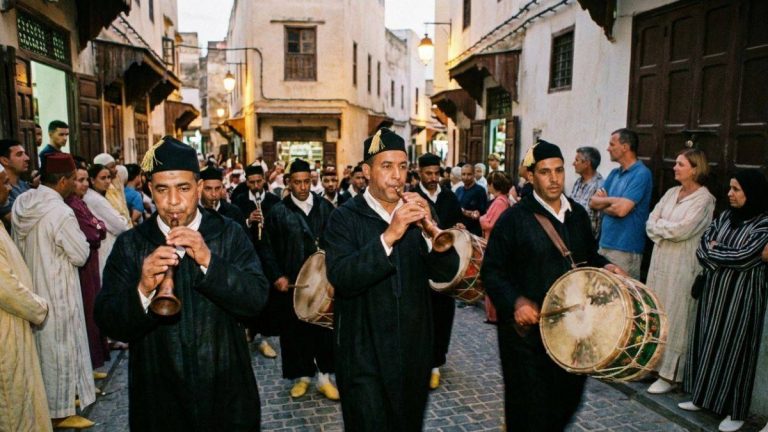
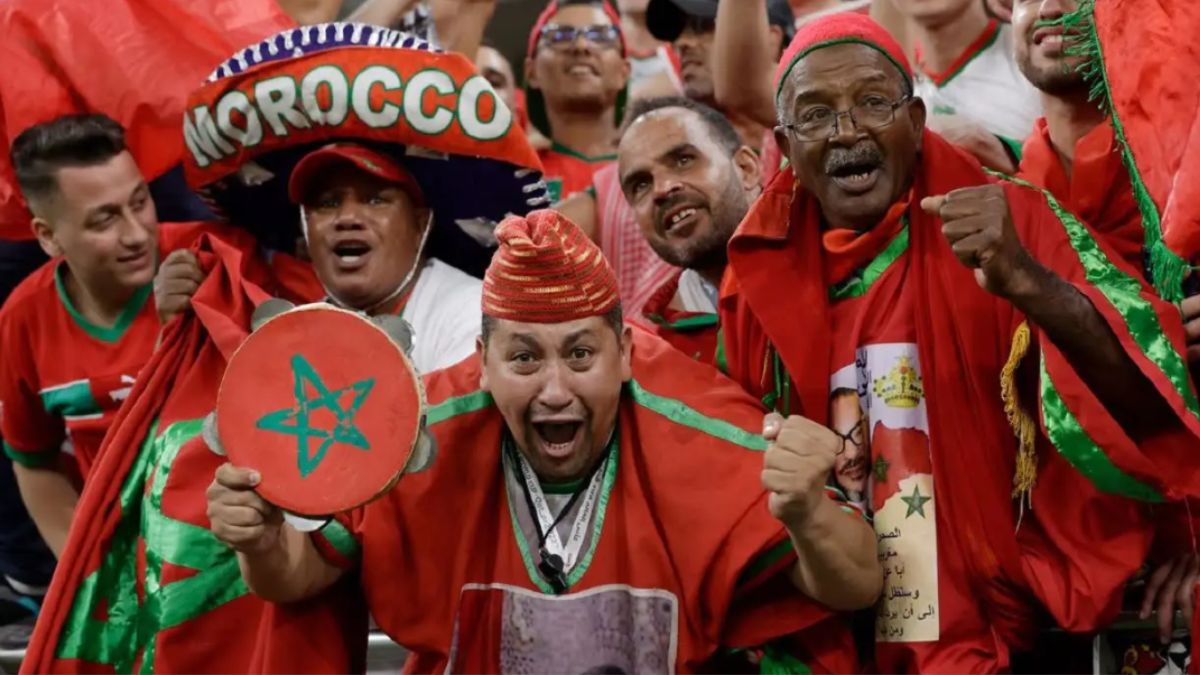
When I attend an AFCON match in Morocco, I realize that football here is not isolated from daily life. It blends into it. I hear the echo of drums long before I see a stadium. The sound is deep and steady, like a heartbeat shared by thousands. Vendors pass by with trays of mint tea. The glass warms my fingers. The sweetness settles on my tongue.
I am not treated as a spectator. I am received as a guest. Moroccans look at me directly, smiling without expectation. I remember an elderly man in a red djellaba who insists I share his bench outside a café. We do not speak the same language, yet we share roasted peanuts and silence filled with respect. This benevolence is lived, not staged.
AFCON unfolds as a gateway into Moroccan values, inviting me to experience them firsthand. Hospitality here is tied to well-being. It slows me down. Between matches, I wander through the medina. The texture of the stone walls is cool under my hand. The call to prayer floats above the crowd, softening the excitement of the day. These moments prepare me for deeper immersion, especially when I explore Cultural and Well-Being Tourism in Marrakech Festivals that shape the spirit of the country.
I begin to understand that hosting AFCON is an act of cultural generosity. Morocco opens its doors to Africa and to me. The event becomes less about winning and more about belonging. As I sit among fans from Senegal, Egypt, or Ghana, I share laughter and stories. This shared humanity transforms a sporting event into a soulful journey.
The energy I feel in Marrakech extends beyond the city. It flows toward other host cities and into the countryside, where traditions remain rooted and alive. That connection naturally leads me to reflect on how festivals and gatherings nourish inner balance, much like Marrakech Popular arts festival and living traditions that invite travelers to reconnect with themselves.
How do I imagine this experience evolving as I follow the tournament deeper into Moroccan life?
Marrakech during AFCON: the city that vibrates with care and joy
Marrakech during AFCON feels like a living organism. The city breathes faster but never loses its grace. In the morning, I walk through the medina while shopkeepers lift their metal shutters. The sound scrapes the silence, then fades into greetings and laughter. I smell fresh khobz baking nearby. That warm scent follows me as the city slowly wakes.
I notice how Marrakech knows how to host without overwhelming. Between two matches, I escape the crowd and step into a riad courtyard. The marble under my feet is cool. Water trickles softly from a fountain. This contrast is essential. Morocco understands balance. Excitement and calm coexist. This is why AFCON fits so well into the rhythm of the city.
I am guided naturally toward moments of well-being. A local friend tells me that celebration must leave space for the soul. I follow his advice and visit a traditional hammam late afternoon. Steam wraps around my skin. The scent of black soap lingers in the air. When I step out, lighter and grounded, the city’s noise feels distant. These rituals echo the deeper meaning behind Marrakech Popular arts festival and living traditions, where care of the body supports clarity of the mind.
As match time approaches tonight, energy rises again, enveloping the streets in anticipation. Streets near cafés fill. Televisions glow behind glass windows. Drums appear. Chants align in rhythm. I sit with strangers. Someone hands me sunflower seeds. Another pours tea. Conversation flows easily. Football becomes a common language.
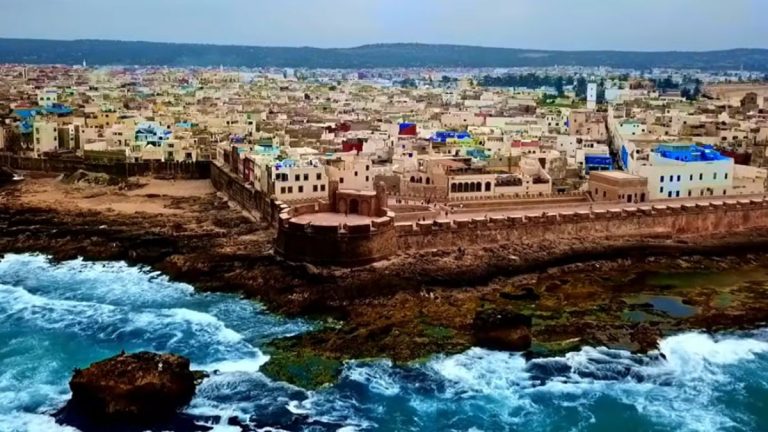
Marrakech protects its identity while opening to the world. Flags from across Africa fly, yet the city remains deeply Moroccan. This sense of rooted openness mirrors what I experience when exploring Morocco’s major cultural destinations beyond sports. Each place welcomes me without losing itself.
At night, after the match, Jemaa el-Fna transforms. Smoke from food stalls curls into the air. I hear metal spoons tapping bowls, storytellers raising their voices, musicians tuning instruments. The square pulses. I stand still, absorbing it all, feeling energized and calm. That paradox defines Marrakech during AFCON.
Do I let Marrakech redefine what a major sports celebration can offer my own sense of balance?
Moroccan hospitality as a path to collective well-being
Hospitality in Morocco is not a service. It is a posture of the heart. During AFCON, this truth is visible everywhere. I take a late train after a match. The carriage is full. A family notices I am standing and immediately makes space. The mother smiles and places a hand over her chest. No words are needed. I feel safe. I feel considered.
This benevolence creates collective well-being. When people feel welcomed, tension dissolves. I sense it in the way crowds move. Even in moments of intense excitement, there is patience. The sound of chants rises, then settles into laughter. This emotional intelligence is deeply cultural. It reflects values I encounter when exploring Moroccan traditions of welcome and sharing beyond major events.
I notice how this hospitality shapes the body and mind in real time. In a small café near the stadium, I sit on a wooden stool, its surface smooth from years of use. The owner pours tea slowly. Mint leaves release their aroma as hot water touches them. This simple ritual grounds everyone present. It reminds me that care does not require luxury.
I am invited into this rhythm. Strangers speak openly. They ask where I come from, then share stories of their city. During AFCON, many Moroccans see visitors as messengers. I carry impressions back home. That responsibility is taken seriously. It aligns with the deeper purpose of cultural gatherings and echoes the spirit found in spiritual festivals that unite communities across Morocco.
This atmosphere shapes how I experience matches. Victories are celebrated without arrogance. Losses are met with dignity. I watch fans comfort each other after a tense game. Hands rest on shoulders. Voices soften. Emotional maturity transforms sport into a lesson in humanity.
As I travel from one city to another following AFCON, I notice the same gestures repeating. Shared meals. Guided directions. Warm glances. These acts form an invisible network of care. They make movement feel light. They make travel restorative.
When was the last time a sporting event made me feel emotionally held rather than merely entertained?
Traveling through AFCON cities as a sensory journey
Following AFCON across Morocco feels like tracing a living map of sensations. Each city carries its own tempo, yet the same welcoming pulse runs through them all. Traveling from Marrakech toward Rabat, the landscape shifts gently. Red earth gives way to green plains. The train hums steadily, a soft metallic rhythm inviting reflection rather than distraction.
I experience the tournament through movement. In Rabat, the air feels lighter, touched by the Atlantic. Walking near the stadium early evening, a breeze carries the smell of the ocean mixed with grilled sardines. The pavement is cool beneath my shoes. Locals gather calmly, greeting friends, guiding visitors. This coastal serenity contrasts beautifully with match night intensity and mirrors what I sense when exploring Marrakech Popular Arts Festival and living traditions
Each AFCON city I visit teaches me something about balance right now. Casablanca offers density and energy. The soundscape is sharper: car horns, footsteps, voices overlapping. Yet inside a small neighborhood café, time slows. Ceramic cups warm my palms. Coffee tastes strong and grounding. These pauses are essential. They allow me to absorb excitement without exhaustion, like the mindful pace encouraged in spiritual festivals in Morocco experienced in Marrakech
I am not rushed from stadium to hotel. Morocco invites me to linger. In Fes, if my journey leads me there between matches, history surrounds me. The scent of leather from tanneries drifts through the air. Stone alleys echo softly under my steps. Even without a game that day, AFCON feels present through conversations and shared anticipation. Sport becomes a thread connecting places rather than a destination in itself.
What makes this journey restorative is intention. Cities prepare themselves to receive without losing rhythm. Transportation flows smoothly. Volunteers smile easily. Streets remain human in scale. This harmony allows me to stay present. It is the same coherence I feel when exploring festive pilgrimages and spiritual journeys in Morocco, where movement carries meaning rather than stress.
As I move from city to city, I carry impressions rather than fatigue. Colors shift. Sounds change. Yet my body remains calm. This is rare during large events. AFCON in Morocco is designed not only to entertain but to nourish.
Do I imagine following a tournament as a path of discovery rather than a race between venues?
Football, spirituality and shared emotion
At moments during AFCON in Morocco, football is already transcending competition before my eyes. One evening just before kickoff, stadium lights glow softly against the darkening sky. Around me, conversations lower naturally. A collective pause settles in. Anticipation becomes almost sacred.
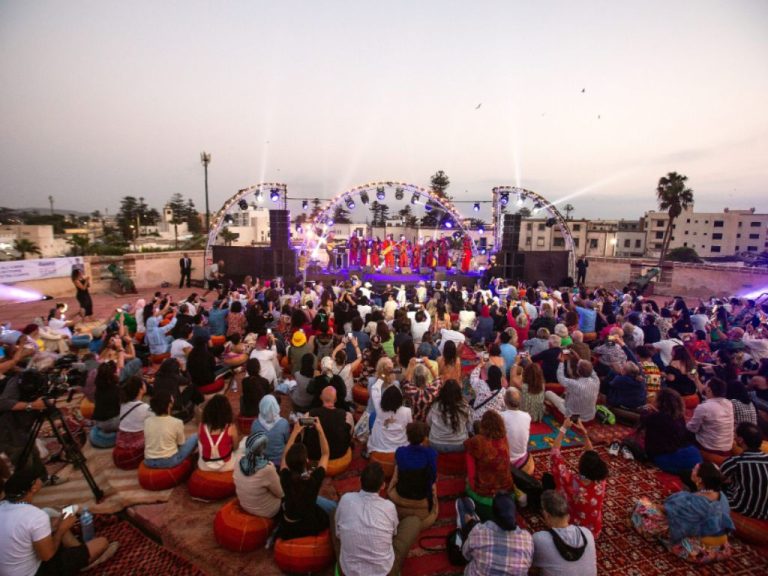
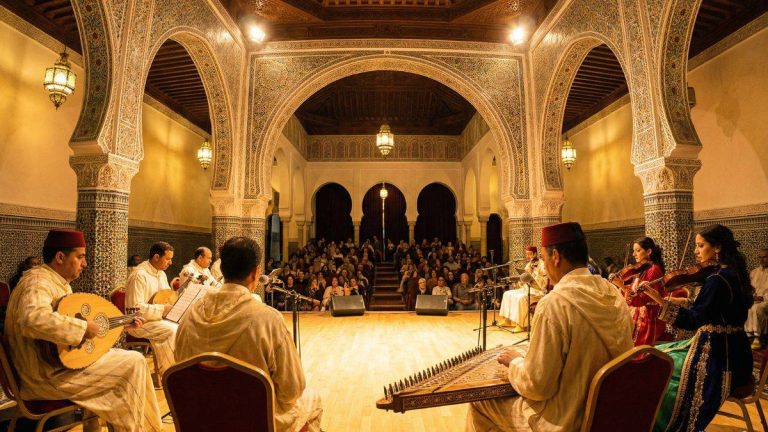
I sense spirituality not through doctrine but through presence. Chants rise and fall like waves. Drums echo in steady patterns. My chest vibrates with the sound. Thousands of people breathe together. The body recognizes unity before the mind names it. This shared emotion mirrors Moroccan spiritual gatherings and sacred festivals, where rhythm and repetition guide inner alignment.
Many fans close their eyes briefly after a goal. Hands lift. Smiles soften. Gratitude appears alongside joy. Football becomes a vessel for expression. It allows emotions often held back in daily life to surface safely. This release is deeply therapeutic. It connects directly to well-being.
Outside the stadium, this spirituality continues quietly. I follow a group of supporters into a small mosque courtyard at sunset. The call to prayer flows gently. The scent of incense lingers. No one speaks. We stand side by side, still wearing team colors. The moment feels natural, not contradictory. Sport and spirituality coexist without friction.
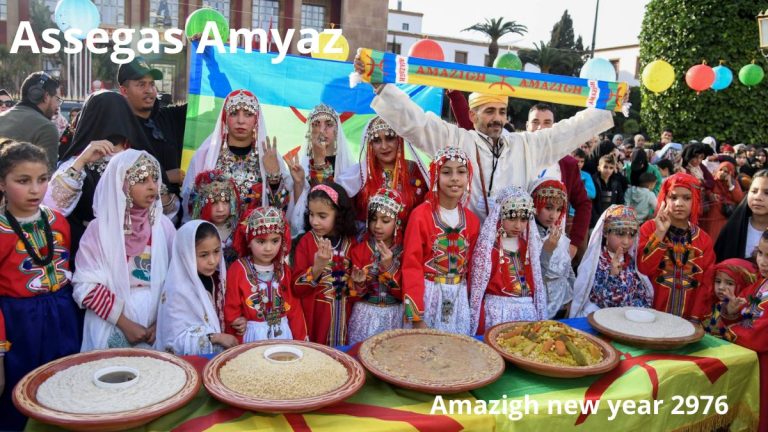
Moroccan culture does not compartmentalize life. Celebration, faith, rest, and joy intertwine. AFCON amplifies what already exists. This holistic vision is also what I encounter when engaging with festive rituals that connect body and spirit throughout the country.
Such experiences recalibrate my relationship with events. I stop chasing highlights. I start noticing transitions: the walk home after a match, the quiet tea shared at midnight, the echo of chants fading into the night. These spaces are where meaning settles.
When I reflect on the emotional weight of shared moments like these, do I feel how sport can become a form of collective meditation rather than pure spectacle?
Why AFCON in Morocco invites a different way of traveling
AFCON in Morocco quietly redefines, in real time, what it means to attend a major international event. I notice it in how my days unfold without pressure. Matches structure time, but they never dominate it. I wake up without urgency. Morning light filters through wooden shutters. The city greets me gently. This rhythm encourages a slower, more intentional way of traveling.
I am invited to participate rather than consume. Locals do not rush me toward attractions. They ask me to sit. To drink tea. To feel the moment. Sitting on a low cushion in a neighborhood café, the fabric is coarse yet comforting. A radio plays an old song softly. Outside, children kick a ball in the street. This simplicity restores me. It reflects the philosophy found in slow travel experiences rooted in Moroccan culture.
What makes this invitation powerful is coherence. Infrastructure, hospitality, and culture align. Transportation is smooth. Volunteers guide with patience. Streets remain human in scale. This harmony allows me to stay present. It is the same coherence I feel when exploring traditional journeys linked to Moroccan festivities, where movement carries meaning rather than stress.
I begin to travel inward as much as outward. Between matches, I reflect. I observe my own reactions. Excitement does not exhaust me. It energizes me softly. This balance is rare. AFCON here is not an interruption of life but an extension of it.
As AFCON continues across cities and communities, it becomes clear that the true legacy of this tournament is experiential. It shows me another way to move through the world, guided by attention, care, and shared humanity.
Am I ready to let an event guide me not only across places, but toward a more balanced way of traveling?
Living Morocco’s rhythm as AFCON unfolds
As AFCON continues to unfold across Morocco, I find myself less focused on results and more attuned to what happens between matches. The shared smiles in cafés. The lingering scent of mint tea after sunset. The way chants soften into conversation as night settles. I am not waiting for a final. I am already inside the experience.
This tournament is still writing itself, day after day, through human encounters and quiet rituals. I feel how Morocco hosts Africa with patience and care, allowing celebration and well-being to coexist. Traveling this way changes my perspective in real time. I slow down. I listen more. I become present.
AFCON becomes a gateway rather than a destination. It naturally leads me toward deeper journeys, whether through Moroccan spiritual celebrations and sacred times, immersive stays inspired by slow travel experiences rooted in Moroccan culture, or ongoing explorations of Cultural and Well-Being Tourism in Marrakech Festivals and festive pilgrimages and cultural routes across Morocco that nourish both body and soul.
While the tournament is still alive, still breathing, how am I letting this shared rhythm reshape the way I experience travel right now?