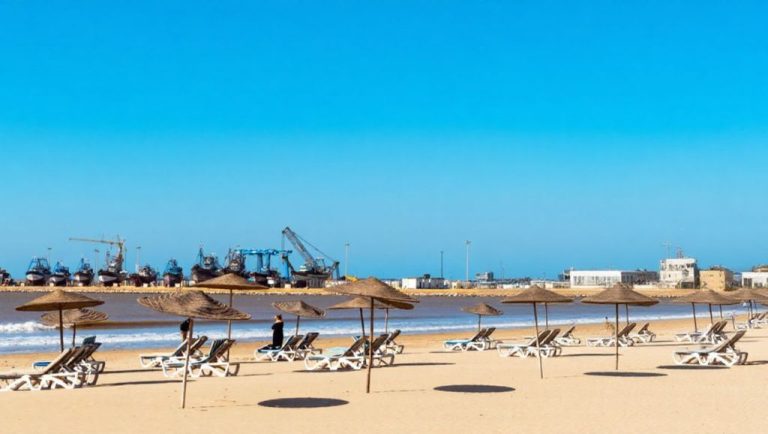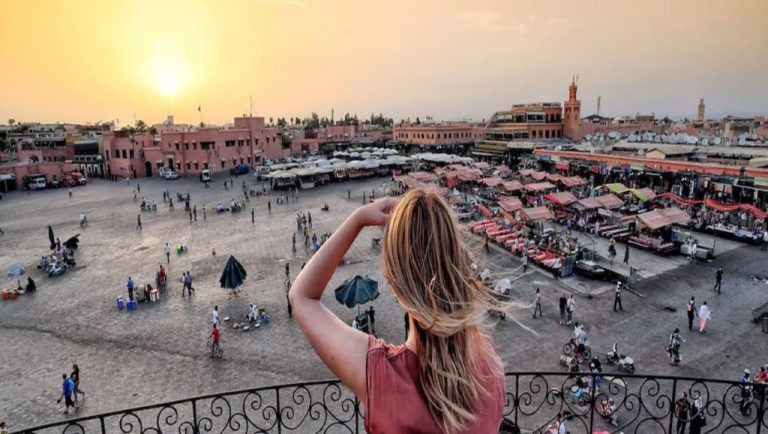

Essaouira is not a city that reveals itself at first glance. At first, visitors notice the ocean breeze, the white-and-blue buildings, and the relaxed rhythm of daily life. But beneath this calm surface lies a deep and complex cultural identity shaped by centuries of encounters, exchanges, and creativity. Culture in Essaouira is not frozen in the past; it is lived, shared, and constantly reinterpreted. To understand Essaouira is to understand how history, art, music, and craftsmanship continue to shape the city’s soul today. you can explore our complete destination guide to Essaouira, Morocco : a complète destination guide
Essaouira : a city at the crossroads of civilizations
Long before it became a destination for travelers seeking authenticity, Essaouira was known as Mogador, a strategic port connecting Africa, Europe, and the Arab world. Its geographic position made it a natural crossroads where goods, people, and ideas circulated freely. Traders, sailors, and communities from different horizons settled here, each leaving traces that still define the city.
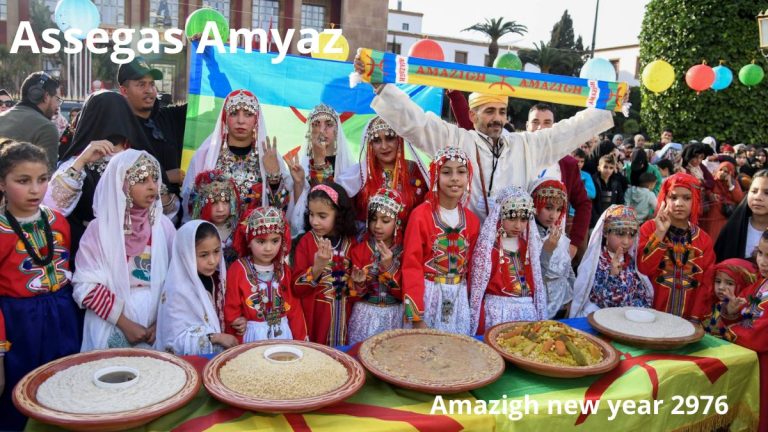
Amazigh roots form the foundation of the region’s identity, while Arab culture brought language and traditions. Jewish communities played a major role in trade and craftsmanship, and African influences shaped music and spiritual practices. European presence, especially Portuguese and later French, added architectural and urban elements that remain visible today.
What makes Essaouira unique is not just this diversity, but the way it coexisted. The city developed a culture of openness and tolerance that continues to define social life . This multicultural heritage explains the welcoming atmosphere visitors often feel and the ease with which tradition and modernity interact.
The Medina : a living UNESCO heritage
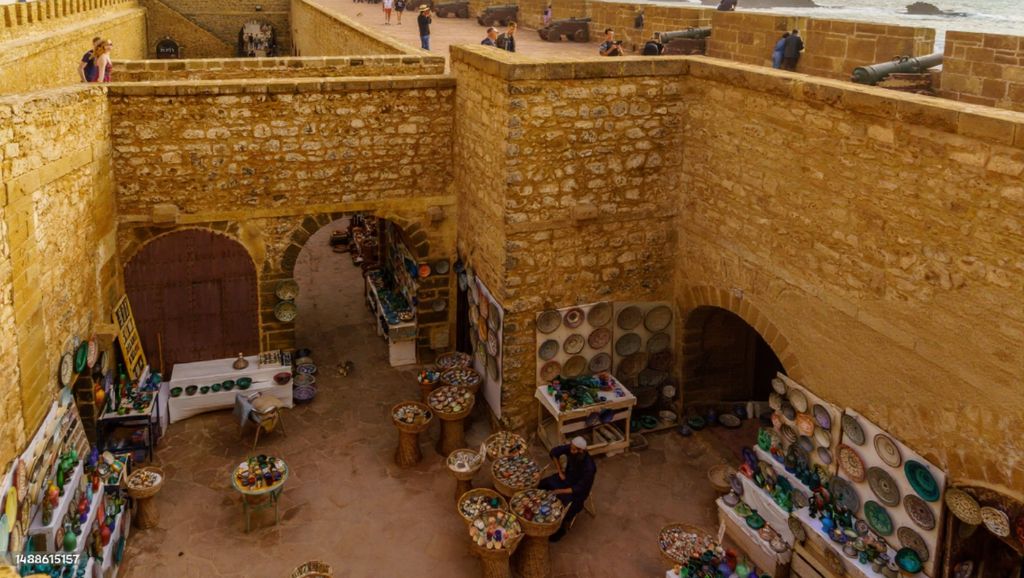
The medina of Essaouira is one of the most distinctive in Morocco. Recognized as a UNESCO World Heritage Site, it stands out for its structured layout and harmonious design. Unlike labyrinthine medinas elsewhere, Essaouira’s medina was carefully planned in the 18th century, combining Moroccan craftsmanship with European military architecture.
Wide streets, open squares, and ocean-facing ramparts give the medina a sense of space and light. Whitewashed walls and blue shutters reflect the city’s maritime identity, while carved wooden doors hint at the craftsmanship within.
Yet the medina is far from a static historical site. It is a living neighborhood where families reside, artisans work, children play, and daily routines unfold. Shops, cafés, workshops, and homes coexist naturally. This balance between preservation and daily life makes the medina a space where heritage remains alive and relevant.
Art as a way of life in Essaouira
Art is not confined to galleries in Essaouira; it is embedded in the city’s rhythm. For decades, artists from Morocco and beyond have been drawn to Essaouira’s light, calm energy, and sense of freedom. Painters, sculptors, photographers, and writers often describe the city as a place where creativity flows naturally.
Small galleries line the medina streets, showcasing both traditional and contemporary works. Street art and handmade objects appear unexpectedly, turning everyday walks into moments of discovery. Many artists live and work here, maintaining close ties with the local community.
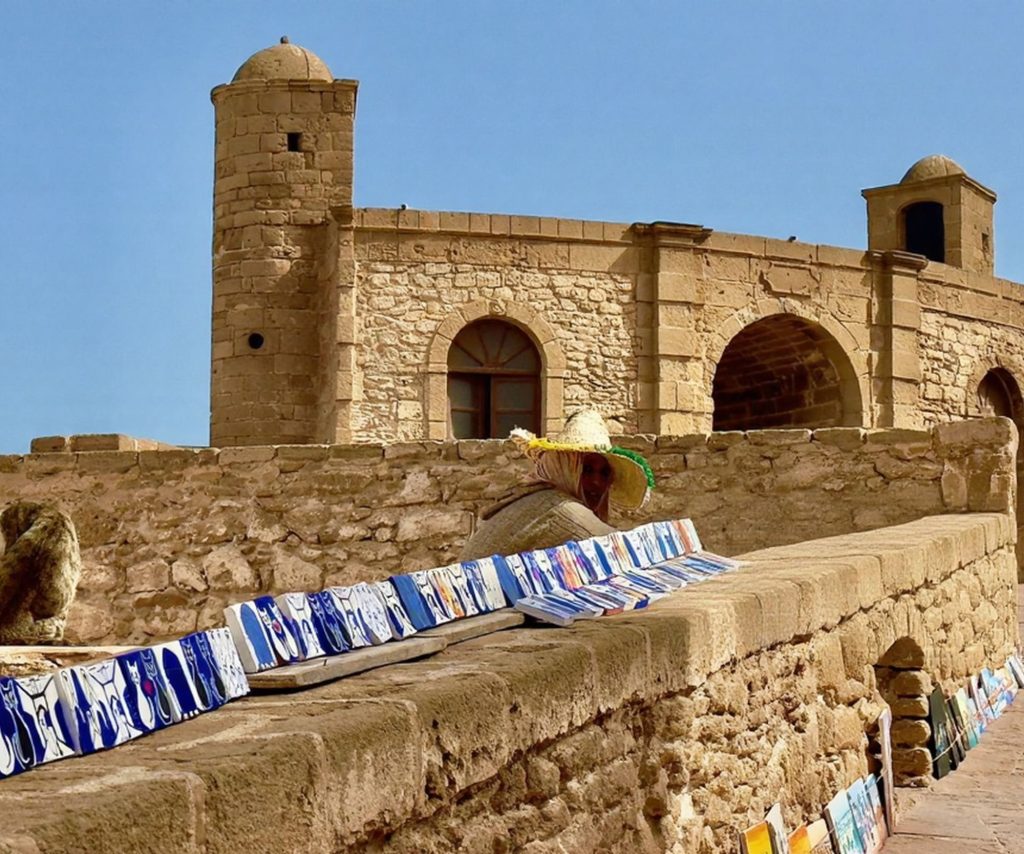
This creative ecosystem contributes to the city’s identity. Art in Essaouira is accessible, authentic, and deeply connected to place rather than global trends. It reflects local stories, emotions, and landscapes, reinforcing the city’s reputation as a cultural refuge.
Gnaoua music and spiritual expression
Music is one of the most powerful expressions of Essaouira’s cultural heritage, and Gnaoua music stands at its heart. Rooted in African spiritual traditions, Gnaoua music blends rhythm, chant, and ritual. It tells stories of memory, resilience, and cultural transmission.
Historically linked to communities of Sub-Saharan African origin, Gnaoua music carries spiritual meaning while remaining deeply communal. In Essaouira, it is not limited to festivals or performances. It can be heard during ceremonies, informal gatherings, and spontaneous street moments.
This musical tradition contributes to the city’s unique atmosphere, reinforcing the idea that culture here is lived rather than staged. Music acts as a bridge between past and present, spirituality and everyday life.
Traditional crafts and ancestral know-how
Craftsmanship is another pillar of Essaouira’s cultural identity. Artisans play a crucial role in preserving ancestral knowledge while adapting to contemporary realities. Among the city’s most emblematic crafts is thuya woodwork, recognized for its rich patterns and natural fragrance.
Thuya wood is transformed into boxes, furniture, and decorative objects using techniques passed down through generations. Workshops scattered throughout the medina serve as spaces of creation and transmission, where young apprentices learn from experienced masters.
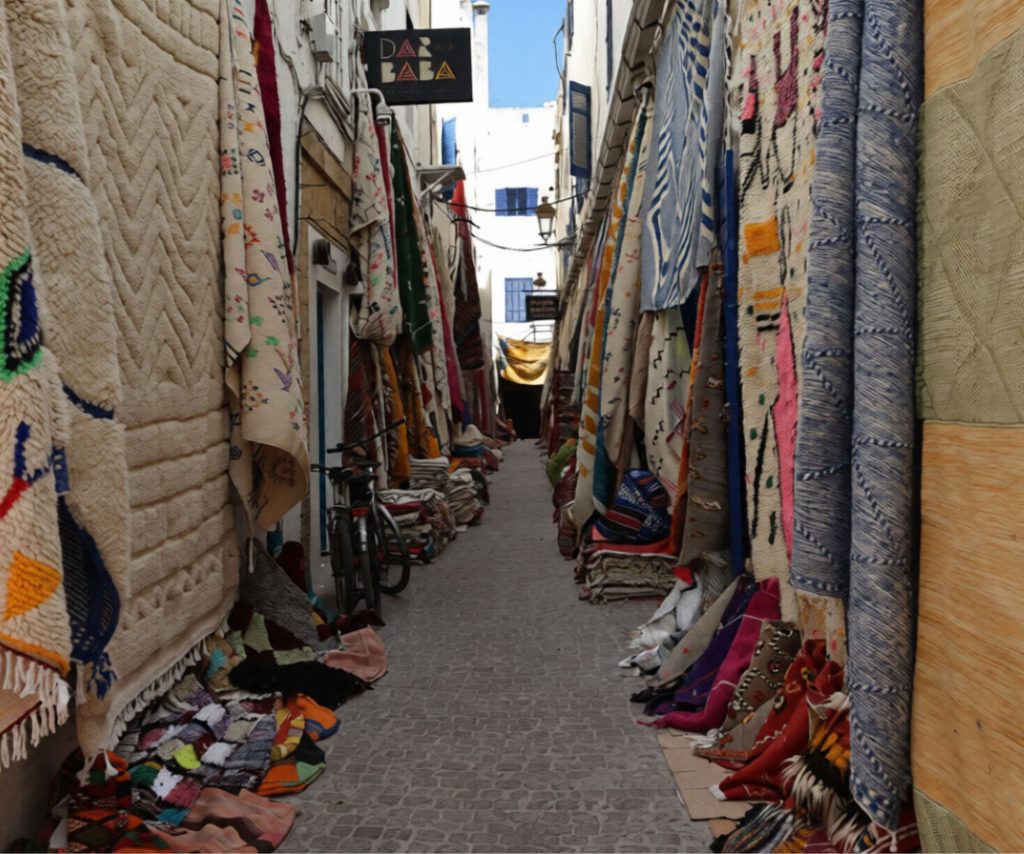
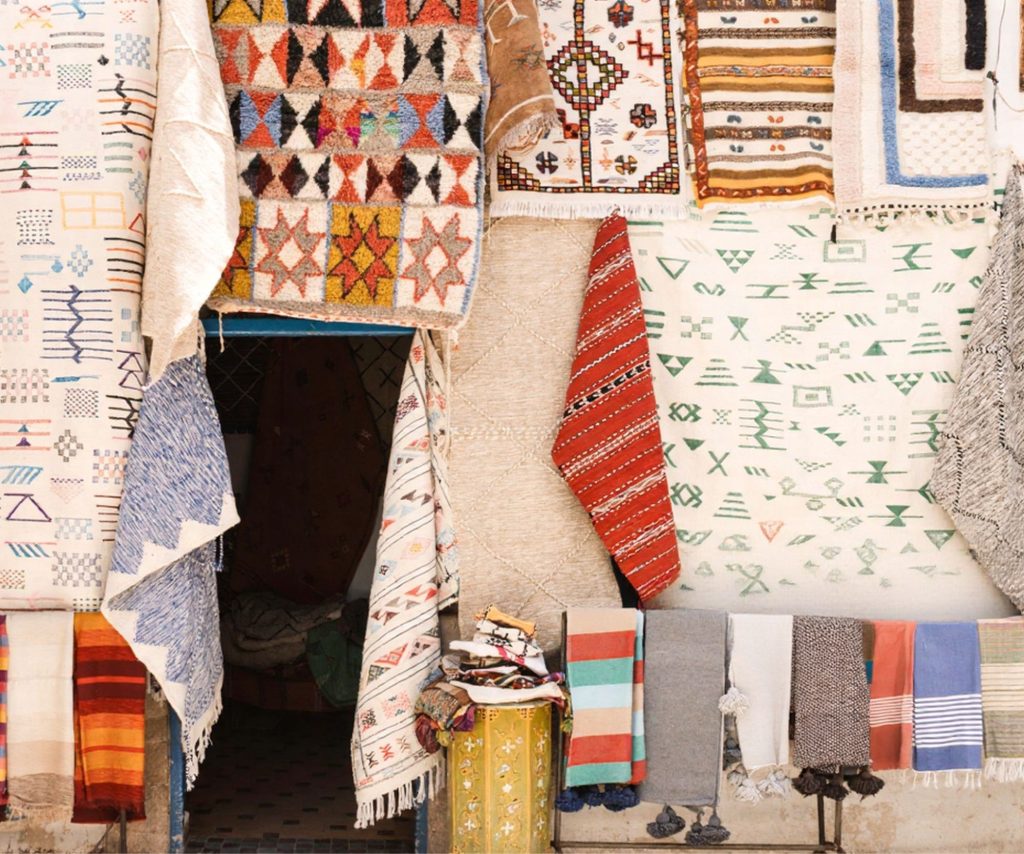
Beyond thuya wood, weaving, metalwork, and leather craftsmanship also contribute to the city’s artisanal landscape. These crafts are not merely souvenirs; they are expressions of cultural continuity and local pride.
A culture that evolves without losing its soul
Essaouira’s culture is not frozen in time. While deeply rooted in tradition, it continues to evolve. Younger generations reinterpret heritage through contemporary art, music, and entrepreneurship. Cultural spaces, festivals, and collaborative projects allow new voices to emerge while respecting the past.
This ability to evolve without losing authenticity is one of the city’s greatest strengths. Tradition and innovation coexist, creating a dynamic cultural environment that feels both grounded and open.
Visitors often sense this balance intuitively. It explains why Essaouira feels timeless yet current, traditional yet creative.
Why culture is the key to understanding Essaouira
Culture in Essaouira goes far beyond history, music, or artistic expression. It shapes the way people live, interact, and experience the city on a daily basis. The medina, local crafts, and cultural traditions all reflect a broader lifestyle rooted in openness, creativity, and balance. Understanding this cultural dimension helps travelers connect more deeply with the city, not only through its heritage but through its overall atmosphere and rhythm.
Essaouira’s cultural heritage is not something to observe from a distance. It is something to experience, listen to, and engage with. History, art, music, and craftsmanship are woven into everyday life, shaping a city that feels deeply human and welcoming.
For travelers seeking more than surface-level experiences, Essaouira offers a rare opportunity : with a living culture that continues to evolve while honoring its roots.