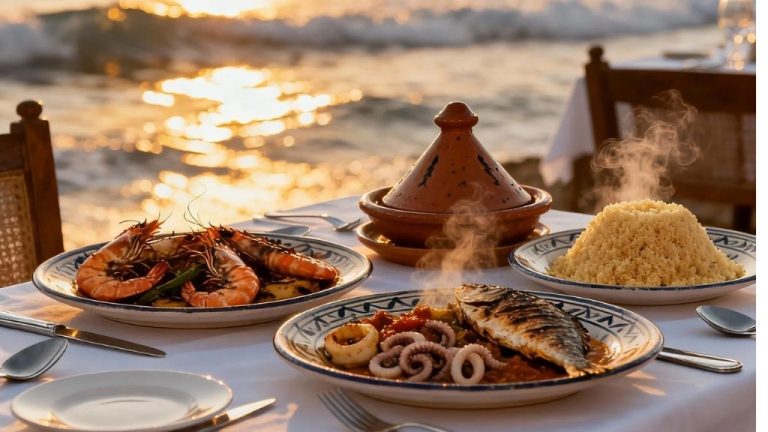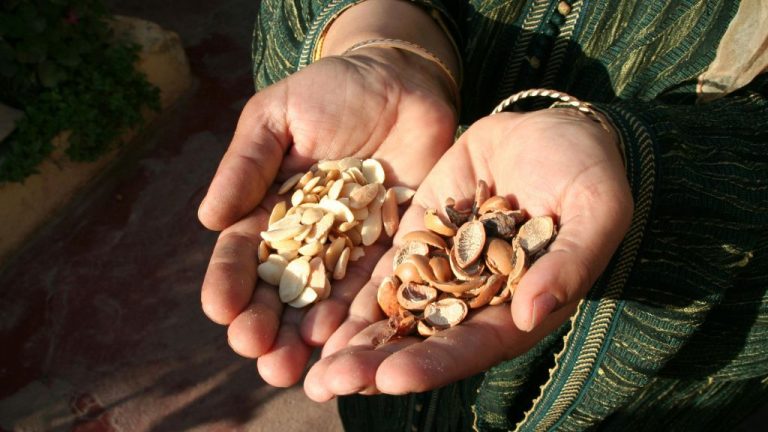

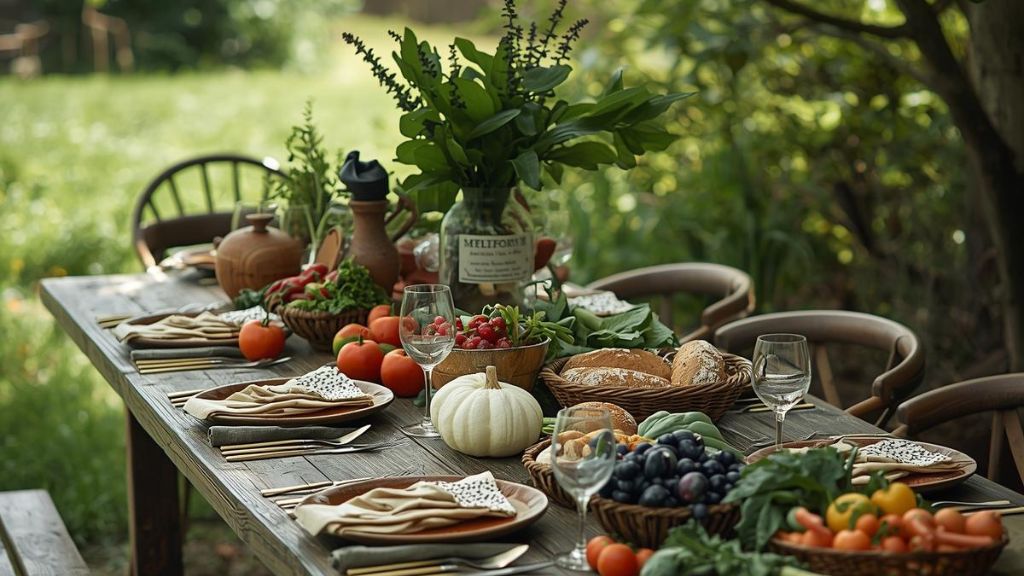
The menu at La Table by Madada changes every few days based on what shows up at the market that morning. No industrial supply chains, no frozen backup inventory, just the chef walking through the medina souks and selecting what looks best. This approach mirrors what Alice Waters pioneered at Chez Panisse fifty years ago except here it never stopped being how restaurants operate because the infrastructure for anything else never really developed.
The accidental organic movement
Essaouira developed its organic food scene without meaning to. Berber farmers in the surrounding countryside never adopted industrial pesticides and chemical fertilizers not because of environmental consciousness but because they couldn’t afford them. Traditional farming methods persisted by economic necessity rather than ideological choice.When European and American expats arrived in the 1990s seeking organic produce they found it already existed just without certification or marketing. These farms had been growing food the same way for generations using compost, crop rotation, and natural pest management because that’s what their grandparents taught them.
Now several restaurants source exclusively from these traditional farms and proudly note origins on menus. The connection isn’t performative like in California where farm names get dropped for status points. It’s practical acknowledgment that the tomatoes came from Hassan’s garden fifteen kilometers away where his family has farmed since his grandfather’s time.
Restaurants that get it right
La Fromagerie occupies a restored riad with a rooftop terrace overlooking the medina and ocean beyond. The name references their specialty in local goat cheese that compares favorably to anything California’s artisan cheese scene produces. The menu builds around seasonal ingredients with an emphasis on vegetables and fresh fish.Their signature salad combines local greens, roasted beets, goat cheese, walnuts, and preserved lemon vinaigrette. Everything except the walnuts comes from within thirty kilometers. The quality matches what you’d find at Chez Panisse or Zuni Café but the price runs $8 instead of $24. You can actually afford to eat well here without calculating whether this meal means skipping lunch tomorrow.
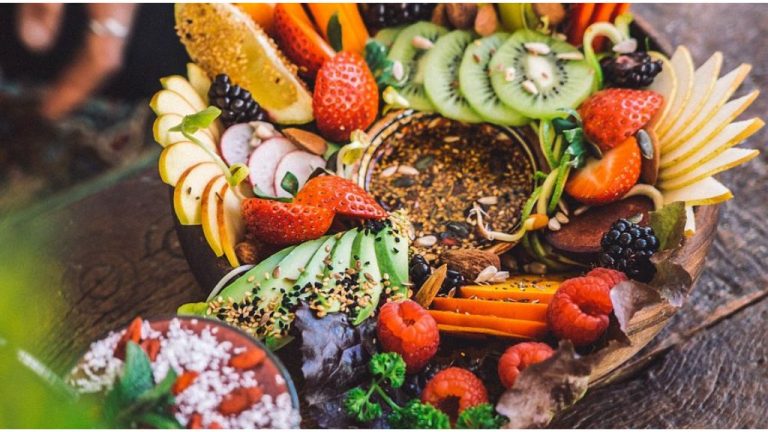
Ocean Vagabond serves the wellness bowls that became Instagram famous in Los Angeles. Quinoa, roasted vegetables, tahini dressing, fresh herbs, and your choice of grilled fish or marinated tofu. The owner includes a California expat who got tired of mediocre food in Morocco and created the menu she couldn’t find elsewhere. Everything sources locally except quinoa which comes from Peru but at least bypasses the longest supply chains.
The space feels deliberately Californian with blonde wood, plants everywhere, natural light flooding through large windows, and that carefully casual aesthetic Venice Beach cafés perfect. The difference is you can sit for hours without pressure to free up the table and coffee refills come without attitude.
La Table by Madada offers the most elevated dining experience while maintaining farm-to-table principles. Chef Stéphane trained in France and creates French-Moroccan fusion using whatever the market provides. His five-course tasting menu costs $35 and changes completely based on seasonal availability.
A recent menu featured heirloom tomato carpaccio with argan oil, grilled octopus with chickpea puree, local sea bass with saffron beurre blanc, lamb tagine with apricots, and orange blossom panna cotta. Every component traced back to specific farms or boats. The execution level rivals San Francisco’s best restaurants at one third the price.
Market culture enables everything
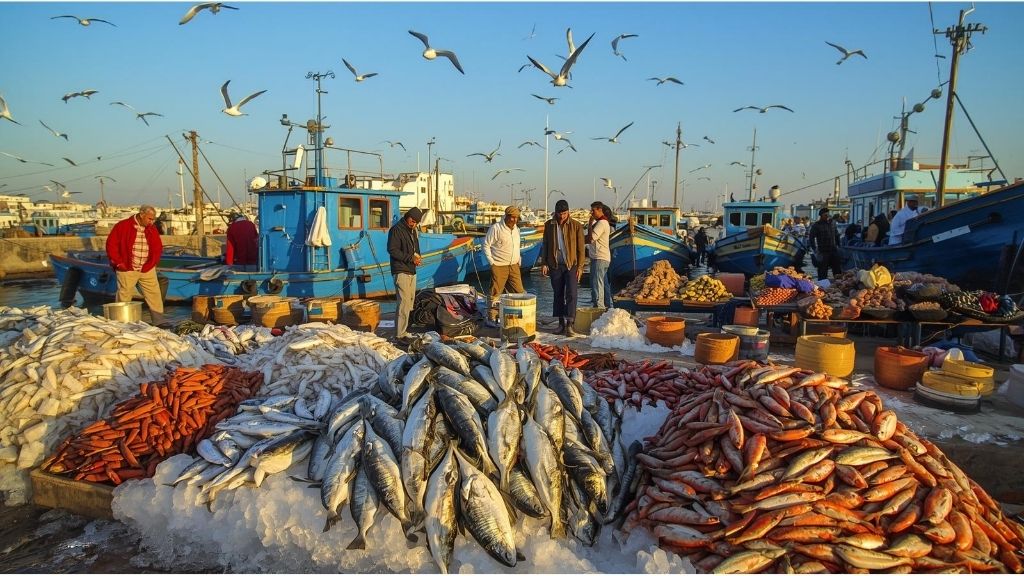
Daily markets in Essaouira function like California farmers markets except they happen every single day instead of weekly. The fish market operates from sunrise until around noon with the morning’s catches displayed on ice. Fishermen sell directly or through sons and nephews, cutting out middlemen and keeping prices low.Vegetable markets scatter through the medina with produce picked that morning from nearby farms. No refrigerated trucks, no warehouses, no week-long journeys from field to table. The directness shows in flavor and also in how quickly things sell out. Show up after ten in the morning and the best tomatoes are gone.This daily market rhythm shapes how restaurants operate and how locals shop. You don’t meal plan for the week because you don’t know what will be available. You adapt to what the land and sea provide which is exactly how seasonal eating originally worked before supermarkets made everything available always.
Several restaurant chefs shop the markets personally each morning rather than delegating to staff. You’ll see them examining fish, negotiating with vegetable vendors, selecting herbs bunch by bunch. This direct engagement ensures quality and also maintains relationships with suppliers that span years or decades.
Sustainability without virtue signaling
Restaurants in Essaouira take sustainability seriously without making it their entire brand identity. Fish gets selected based on which species are abundant that season. Chefs ask fishermen about population levels and avoid anything that seems stressed. This happens through conversation not certification programs.Plastic straws don’t exist in most places not because of bans but because they never became standard. Glass bottles get returned and reused. Food scraps go to composting or to families who use them. The circular economy operates naturally because waste costs money and nothing gets wasted when margins are thin.
La Fromagerie pioneered package-free shopping in Essaouira. Bring your own containers and they’ll fill them with cheese, olives, tapenade, hummus, or anything else from the deli case. The system works on trust and results in dramatically less plastic waste. Several other businesses adopted similar approaches after seeing it succeed.Water conservation shows up in kitchen practices and garden maintenance. Morocco faces real water scarcity issues and coastal towns feel the pressure. Restaurants use greywater for gardens, install low-flow fixtures, and generally avoid waste. Again this happens from necessity rather than marketing angle.
The organic question
“Organic” in Essaouira means asking farmers and building trust relationships rather than checking certification stamps. The woman selling tomatoes at the medina market grew them in her family garden using methods her grandmother taught her. That’s organic even without paperwork.This trust-based system resembles how California’s organic movement began in the 1970s before USDA certification and corporate co-option. You knew your farmer, saw their land, understood their practices. The knowledge came from relationship not from reading labels in stores.Some California visitors struggle with this informal approach wanting official verification. But the farmers here can’t afford certification costs and their practices often exceed organic standards anyway. They’ve never used chemicals because they never had access to them. Their “organic” credentials trace back generations.
Progressive restaurants work directly with specific farms ensuring supply chain transparency without bureaucratic overhead. The chef knows exactly where food comes from because he drove there yesterday to discuss the winter planting schedule. This direct knowledge surpasses any certification standard.
Comparing costs to California
A farm-to-table dinner in Essaouira runs $15 to $25 per person for a complete meal with wine. The equivalent experience in San Francisco or Los Angeles costs $60 to $90 minimum and often exceeds $100. The quality difference is negligible and freshness often favors Essaouira because supply chains measure meters not miles.That price differential means you can actually afford to eat well every day rather than saving farm-to-table dining for special occasions. The financial accessibility transforms how you relate to food. It becomes daily nourishment rather than luxury indulgence requiring budget calculations.A morning at the market spending $20 gets you enough produce, fish, cheese, and bread for multiple meals. The same amount in Berkeley or Santa Monica buys maybe two days worth of ingredients. This difference matters enormously for travelers wanting to cook in riad kitchens or for anyone considering extended stays.
The affordability doesn’t mean lower quality. The fish is demonstrably fresher, the vegetables were picked this morning, and the cheese came from goats grazing on coastal herbs. You’re not sacrificing quality for price you’re accessing direct supply chains without markup layers.
Zero waste becomes possible
Living waste-free in California requires significant effort and compromise. You order from specialty suppliers, pay premiums for bulk items, and generally work against systems designed around single-use packaging. In Essaouira the infrastructure naturally supports zero waste if you make minimal effort.Markets don’t use plastic bags. You bring baskets or cloth bags and vendors fill them directly. Bread comes unwrapped from communal ovens. Cheese gets cut to order and wrapped in paper. Olives go into your container. The default is package-free rather than package-free being the alternative requiring extra steps.Several riads and guesthouses maintain this approach offering bulk items and encouraging guests to refill containers rather than buying new packages. The system works because it always worked this way. Plastic packaging arrived relatively recently in Morocco and never fully displaced traditional methods.
Composting happens naturally through networks of people who use kitchen scraps for animals or gardens. Leave your vegetable trimmings by the door and someone collects them. Food waste has value so it doesn’t go to landfills. These informal systems accomplish what California tries to mandate through complex regulations.
Seasonal eating becomes effortless
Eating seasonally in California requires discipline and often sacrifice. You want tomatoes in February but commit to eating seasonally so you skip them. In Essaouira seasonal eating happens automatically because nothing else is available. The market has what’s currently growing and that’s it.This limitation sounds restrictive but actually simplifies everything. No decision fatigue about whether to buy the imported strawberries in November. No guilt about choosing convenience over principles. You eat what the season provides and discover meals you never would have considered otherwise.Winter brings root vegetables, citrus, and preserved foods. Spring explodes with greens, peas, and early fruits. Summer means tomatoes, peppers, and stone fruits. Fall delivers squash, late figs, and pomegranates. The rhythm connects you to agricultural cycles in ways supermarket abundance erases.
Restaurants celebrate seasonal transitions with special menus highlighting first-of-season ingredients. The excitement around spring peas or first apricots reminds you that food comes from specific times and places rather than existing in perpetual availability. This reconnection matters for wellness beyond just nutritional content.
What California can learn
Essaouira demonstrates that farm-to-table dining becomes affordable and sustainable when it’s cultural norm rather than upscale trend. The premium prices California restaurants charge reflect positioning rather than actual costs. Direct sourcing, seasonal menus, and reduced waste don’t require luxury margins.The informal certification systems work better than bureaucratic alternatives when scaled appropriately. A town of 80,000 people can maintain trust relationships that become impossible in cities of millions. But neighborhoods within large cities could potentially recreate these dynamics if infrastructure supported it.The daily market model deserves serious consideration. Weekly farmers markets in California help but daily markets would transform shopping patterns and reduce food waste significantly. Restaurants could adapt menus in real time rather than planning weeks ahead. The increased flexibility benefits everyone.Most importantly Essaouira shows that good food doesn’t require complicated explanations or justifications. Fresh fish grilled simply, vegetables harvested this morning, bread from communal ovens. The straightforwardness produces better outcomes than elaborate preparations using ingredients shipped from across continents.
For California wellness seekers exhausted by premium prices and performative sustainability, this Atlantic town offers alternative model worth experiencing. The farm-to-table philosophy here never became philosophy because it never stopped being practice. You eat well, spend less, and remember that good food comes from good relationships with land and people who work it. When you’re ready to explore how Essaouira’s wellness approach extends into other realms, the bohemian culture reveals another dimension where California and Morocco discover their shared soul.