
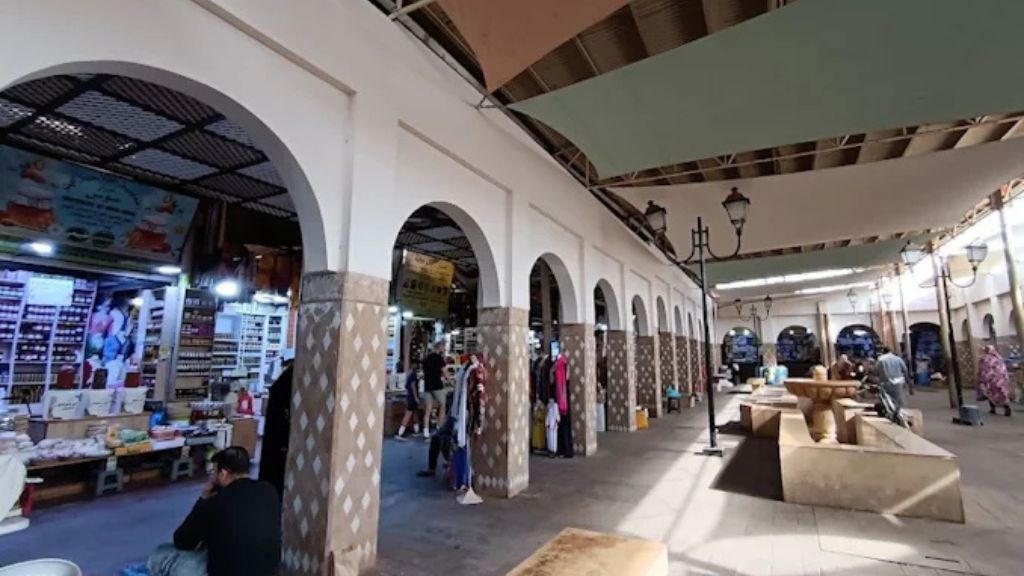
Souk El Had sprawls across multiple acres with six thousand vendors selling everything from vegetables picked this morning to traditional spices and handmade crafts. The scale overwhelms first-time visitors but the organization follows logical patterns once you understand the layout. Produce sections cluster together while fish vendors occupy their own area and spice merchants line specific corridors. Mastering this market means accessing the freshest ingredients at prices that make California farmers markets look expensive. The experience connects you directly to Agadir’s food culture and wellness approach where daily shopping from local sources defines how people eat and live rather than being an occasional farmers market outing.
Understanding the scale
Souk El Had operates Sunday through Thursday and closes on Fridays for the Muslim day of prayer. Saturday sees reduced hours with many vendors taking the day off. The market opens around eight in the morning though serious shoppers arrive earlier when produce is freshest and crowds haven’t formed yet. By noon the best items are gone and the intensity peaks with locals finishing their daily shopping.Six thousand stalls sounds abstract until you walk the market and realize the number means something. The place stretches far enough that you can’t see from one end to the other. Multiple entrances serve different sections and finding your way back to where you started requires either good spatial memory or willingness to wander until you recognize landmarks. First-timers should allow at least two hours for initial exploration.The market replaced the old souk in the 1990s after the previous version burned down. The current structure uses concrete and metal construction that reduces fire risk while maintaining the essential character of Moroccan market culture. The covered sections protect shoppers from sun and occasional rain. Ventilation allows air circulation that keeps temperatures somewhat manageable even during summer heat.Local residents shop here multiple times per week since daily access to fresh ingredients drives Moroccan cooking culture. Tourists visit for the experience and photo opportunities but the market functions primarily as practical infrastructure for feeding a city of half a million people. Understanding this dual nature helps you navigate the space more effectively.
Navigating the layout
The main entrance near the Grand Mosque puts you directly into the produce section where vegetables and fruits dominate. This area sees the most traffic since locals prioritize fresh produce in their diets. Stalls arrange similar items together so all the tomato vendors cluster in one zone while leafy greens occupy another. This organization lets you compare prices and quality easily.Walking deeper into the market you’ll find sections for olives, dried fruits, nuts and legumes. These vendors often sell by weight from large bins or sacks. The quality varies significantly so examine products carefully before purchasing. Ask to taste olives since varieties differ dramatically in saltiness and flavor. Most vendors happily provide samples to serious buyers.The spice section deserves extended exploration with dozens of vendors offering colorful pyramids of cumin, paprika, saffron, turmeric and countless blends. The aromatic overload might overwhelm sensitive noses but the sensory experience defines Moroccan market culture. Vendors will explain their products and suggest combinations if you engage them respectfully. Bring a small notebook to record names and uses of unfamiliar spices.Fresh herbs occupy their own area with bundles of cilantro, parsley, mint and other greens displayed in water-filled containers. The herbs get picked that morning from nearby farms and stay remarkably fresh despite the heat. Buying herbs here costs pennies compared to the small plastic packages American supermarkets charge premium prices for. A huge bunch that would last a week runs maybe fifty cents.Meat and poultry vendors operate in a separate section where whole chickens, lamb and beef hang from hooks. The open-air display might shock American sensibilities accustomed to plastic-wrapped portions but this direct presentation lets you evaluate quality more honestly. If you’re vegetarian or squeamish about seeing whole animals, stick to other sections of the market.
The fish area connects to but remains distinct from the main souk with its own entrance near the port. Covered stalls protect seafood from direct sun while maintaining the openness that allows ocean breezes. The earlier section on the fish market covered this area in detail so we won’t repeat that information here.
Seasonal availability
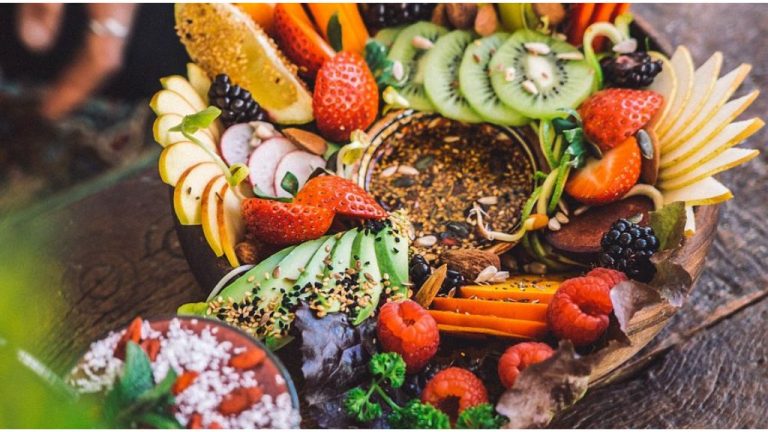
Spring brings tender fava beans, peas, artichokes and the first strawberries. Vendors pile these prized items prominently since locals eagerly await their arrival after winter’s heavier vegetables. The strawberries taste intensely sweet from ripening on the plant rather than in transit. They’re smaller than industrial varieties but pack far more flavor into each berry.Summer explodes with tomatoes, peppers, eggplants, zucchini and stone fruits. The sheer abundance means rock-bottom prices during peak season. Tomatoes might sell for fifty cents per kilo when supply peaks. The variety available exceeds what you’d find at American farmers markets with heirloom types, cherry tomatoes and paste varieties all represented. Taste before buying since sweetness and acidity vary significantly.Fall introduces squashes, pomegranates and late-season melons. The cooler weather means root vegetables return along with hardy greens. Pomegranates from the Souss Valley arrive in enormous quantities and vendors compete aggressively on pricing. You can buy ten pomegranates for three dollars and juice them for the healthiest breakfast drink imaginable.Winter features citrus fruits, root vegetables, cabbages and the continued availability of year-round staples like onions, potatoes and carrots. Oranges grown in nearby groves taste sweeter and juicier than anything shipped to California supermarkets. The short distance from tree to market means they were picked ripe rather than green. A kilo of the best oranges costs about a dollar.
Quality assessment
Learn to evaluate produce quality by examining multiple stalls before purchasing. Not all vendors maintain the same standards and prices vary based on quality and vendor location. Items near entrances cost slightly more due to foot traffic while vendors in deeper sections often offer better deals to attract customers willing to walk further.Look for firmness in vegetables without soft spots or bruising. Leafy greens should stand upright and show no yellowing or wilting. Root vegetables feel heavy for their size when fresh and moisture content remains high. Squeeze gently to test for give that indicates age or damage.Color intensity often correlates with ripeness and flavor in fruits. Deeply colored tomatoes, peppers and stone fruits typically taste better than pale specimens. However some varieties naturally have lighter colors so don’t rely solely on this indicator. The vendor’s knowledge helps here if you ask which variety tastes best currently.Smell provides crucial information for fruits and some vegetables. Ripe melons should smell sweet at the stem end. Tomatoes should have that characteristic tomato aroma when you hold them close. Lack of smell often means produce was picked too early and won’t develop full flavor even if it softens.The vendor’s pile organization tells you something about their standards. Neat arrangements with damaged items removed indicate someone who cares about their product. Haphazard piles with visible rot or damage suggest either carelessness or attempts to hide problems. Trust vendors who take pride in their displays.
Pricing and negotiation
Unlike tourist souks where aggressive bargaining is expected, Souk El Had operates with relatively fixed prices on produce. Vendors post prices per kilo and most customers accept these rates. Attempting to negotiate every purchase marks you as difficult and vendors may quote higher starting prices next time they see you.Volume purchases justify negotiation. If you’re buying five kilos of tomatoes or multiple items from one vendor, asking for a small discount makes sense. The vendor might reduce the total by ten or twenty percent especially if they’re trying to move inventory near closing time. Keep negotiations friendly and accept refusals gracefully.Comparing prices between vendors helps ensure you’re paying fair rates without aggressive bargaining. Walk through the produce section noting prices for items you want before committing to purchases. The price variance usually isn’t dramatic but knowing market rates prevents overpaying significantly.Cash remains essential since card payments don’t exist at individual stalls. Bring enough small bills that vendors can make change easily. Starting transactions with large denominations creates problems and might result in vendors claiming they lack change in hopes you’ll just accept whatever they hand back.
Shopping late in the afternoon sometimes yields deals as vendors want to clear inventory rather than storing it overnight. Produce quality remains good despite the reduced prices since the items were fresh that morning. This strategy works best for vegetables you plan to cook immediately since keeping quality decreases as the day progresses.
What to buy
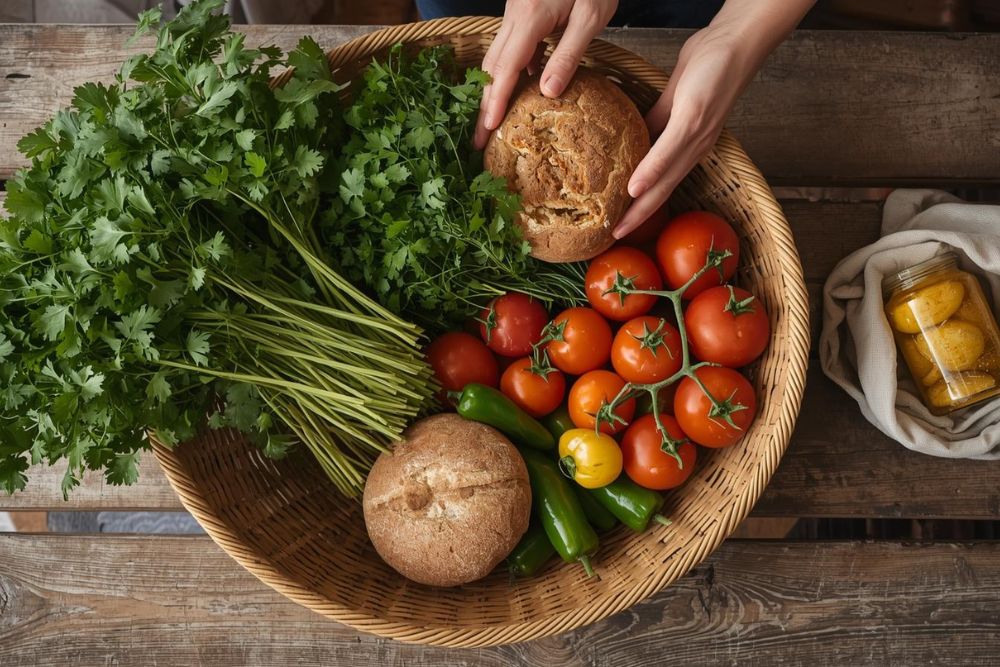
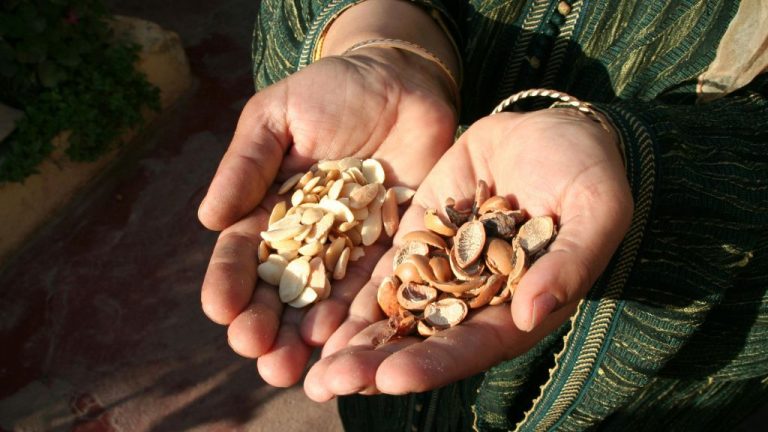
Tomatoes from Souk El Had bear no resemblance to supermarket versions. The heirloom varieties taste sweet and acidic simultaneously with complex flavors that develop from growing in actual soil under real sunlight. Buy several varieties to discover your preferences. The price allows experimentation without financial risk.Fresh herbs in quantities that seem excessive actually make sense given how central they are to Moroccan cooking. A huge bunch of cilantro costs fifty cents and stays fresh for over a week if stored properly in water. The flavor intensity exceeds the sad sprigs sold in American plastic containers. Buy more than you think you need.Preserved lemons add that distinctive Moroccan flavor to countless dishes. Vendors sell them already made in jars or you can buy fresh lemons to preserve yourself. A jar of preserved lemons runs about two dollars and lasts months. The tangy, salty, fermented flavor becomes addictive once you discover its versatility.Argan oil deserves careful selection since quality varies enormously. Culinary argan oil differs from cosmetic versions and should smell nutty rather than neutral. Buy from established vendors rather than random stalls since adulteration remains common. Good culinary argan costs around twelve dollars per liter which is still cheap compared to import prices.Olives come in dozens of varieties from tiny dry-cured ones to large green specimens stuffed with lemon or peppers. Sample before buying since saltiness and texture differ dramatically. Most Moroccan olives cure in brine or salt rather than lye processing used for commercial black olives. The traditional methods create more complex flavors worth seeking out.
Dried fruits and nuts make excellent snacks and additions to tagines. Dates from the southern oases, figs, apricots and raisins all appear in bulk. Almonds, walnuts and peanuts cost a fraction of American prices. Buy small quantities initially to test quality before committing to larger purchases. Some vendors have faster turnover meaning fresher stock.
Practical shopping tips
Bring reusable bags or baskets since plastic bags exist but environmental consciousness suggests avoiding them. The traditional Moroccan shopping basket made from woven palm leaves works perfectly for market shopping. These baskets cost about five dollars and last for years while holding significant weight.Wear comfortable shoes and clothes since you’ll walk extensively on concrete floors. The covered sections trap heat despite ventilation so light breathable fabrics make the experience more pleasant. Avoid bringing large backpacks or valuable items that create theft opportunities in crowded spaces.Learn basic Darija numbers to understand prices and negotiate if needed. Vendors appreciate effort to speak their language even if your pronunciation needs work. A small phrase book or language app on your phone helps bridge communication gaps. Most vendors know enough French or Spanish to complete transactions if Arabic fails.Go early for best selection and fewer crowds. The market picks up intensity as morning progresses with peak chaos hitting around ten or eleven. Early shoppers have first pick of produce while vendors remain fresh and patient. The atmosphere stays more manageable for extended exploration without feeling overwhelmed.Take photos carefully and respectfully. Many vendors dislike having cameras pointed at them or their products without permission. Ask first and accept refusals gracefully. The market makes a photographer’s paradise but respecting people’s privacy and cultural norms matters more than getting perfect shots.
Storing your purchases
Moroccan produce lacks the wax coatings and chemical treatments that extend shelf life in American supermarkets. This means superior flavor but shorter storage times. Plan to use vegetables within a few days of purchase. The freshness at purchase compensates for quicker deterioration compared to grocery store produce.Tomatoes and stone fruits should sit at room temperature rather than refrigeration which destroys their texture and flavor. Arrange them in single layers where air circulates rather than piling them which causes bruising. Use the ripest ones first and save firmer specimens for later in the week.Leafy greens and herbs last longer stored in water like cut flowers. Trim the stems, place bunches in jars with water covering the cut ends, and loosely cover with plastic bags. Change the water every other day. This method keeps herbs fresh for over a week instead of the few days they’d last wrapped in plastic.Root vegetables, onions and potatoes store well in cool dark places without refrigeration. Moroccan homes traditionally keep these items in baskets or bins in pantries. Modern refrigerators work fine but aren’t necessary. The lack of required refrigeration reflects how recently these items were harvested.Bread from the market stales quickly but revives beautifully when reheated. Store it in paper or cloth bags rather than plastic which makes it soggy. Older bread works perfectly for soaking up tagine sauces or making breakfast with olive oil and honey. The daily bread-buying tradition exists partly because day-old bread tastes noticeably less good than fresh.
Cultural etiquette
Greeting vendors with “salam alaikum” establishes respect and friendliness. They’ll respond “wa alaikum salam” and you’ve started the interaction positively. Even if the rest of the transaction happens through pointing and numbers, the initial greeting matters.Don’t touch produce excessively. In Moroccan culture, the vendor selects items for you rather than customers pawing through everything. Point to specific items you want and let the vendor pick them. If you see something that looks damaged, politely indicate you’d prefer a different piece.Vendors often round prices to convenient numbers rather than demanding exact change. If your purchase totals 23 dirhams they might accept 20 and wave off the difference. Small amounts matter less than efficient transactions. Don’t fight over trivial sums that translate to a few cents.Shopping with local friends or your riad host on your first visit demystifies the process significantly. They’ll show you their preferred vendors, explain quality indicators and handle negotiations if necessary. This apprenticeship approach teaches you faster than wandering alone while helping you avoid tourist-focused vendors who might overcharge.The market operates loudly with vendors calling out to potential customers and haggling happening constantly. This cacophony seems aggressive to Americans used to quiet supermarket shopping but it’s normal communication rather than actual conflict. Don’t take the intensity personally and recognize it as cultural difference rather than rudeness.
What makes it different
American farmers markets happen weekly and position themselves as alternatives to conventional grocery shopping. Souk El Had operates almost daily and functions as the primary food source for much of Agadir. This fundamental difference in role affects everything from scale to pricing to vendor relationships with customers.The ethnic diversity at Souk El Had exceeds most American markets. Berber farmers from mountain villages, Arab traders, Sub-Saharan merchants and European expats all shop and sell here. The mixing creates cultural exchange that happens naturally through commerce rather than programmed diversity initiatives.Prepared foods barely exist at Souk El Had compared to American farmers markets where food trucks and ready-to-eat items generate significant revenue. The Moroccan market assumes you’ll cook at home rather than eating immediately. This reflects cultural differences around convenience and how people structure their time.The permanent covered structure differs from American markets that set up and break down each week. This permanence allows vendors to establish real shops with regular inventory and loyal customers. The relationships deepen beyond the transactional because people return to the same vendors for years or decades.For travelers wanting to transform market ingredients into meals using traditional techniques that maximize both flavor and nutrition, exploring how Agadir’s grilled fish preparations and simple coastal cooking methods work with these fresh ingredients reveals the practical application of shopping Souk El Had and eating well without complicated recipes or expensive equipment.