
I first felt it before I even saw the ocean,the low hum of drums echoing through the palm groves just outside Agadir, like the land itself was breathing. It was early evening in late June, and the air carried the dry sweetness of argan blossoms mixed with woodsmoke from a distant hearth. I had come to Morocco chasing quiet moments, but what I found was something far richer: a living culture that pulses strongest during its festivals, where every gesture, melody, and shared meal becomes an act of belonging.
The Living Pulse of Amazigh Culture in Agadir
Agadir is often described as a beach resort, a place to unwind after trekking the Atlas or exploring Marrakech. But if you stay long enough and listen closely, you’ll discover it’s also a crossroads of Amazigh (Berber) identity, Atlantic openness, and spiritual continuity. The cultural festivals here aren’t staged for tourists; they emerge from centuries of community life, adapted with grace to a changing world. And for travelers from the Delmarva Peninsula where rhythm often means tide charts and harvest cycles, this resonance feels familiar, yet deeply new.
What makes Agadir’s cultural scene unique is its location in the Souss region, the historic heartland of the Shilha people. This isn’t just backdrop, it’s the source. The Tachelhit language still colors daily conversation. Handwoven rugs tell stories older than cities. And when music rises during a festival, it doesn’t just entertain; it heals, remembers, and connects.
Why Agadir Is More Than a Beach Destination
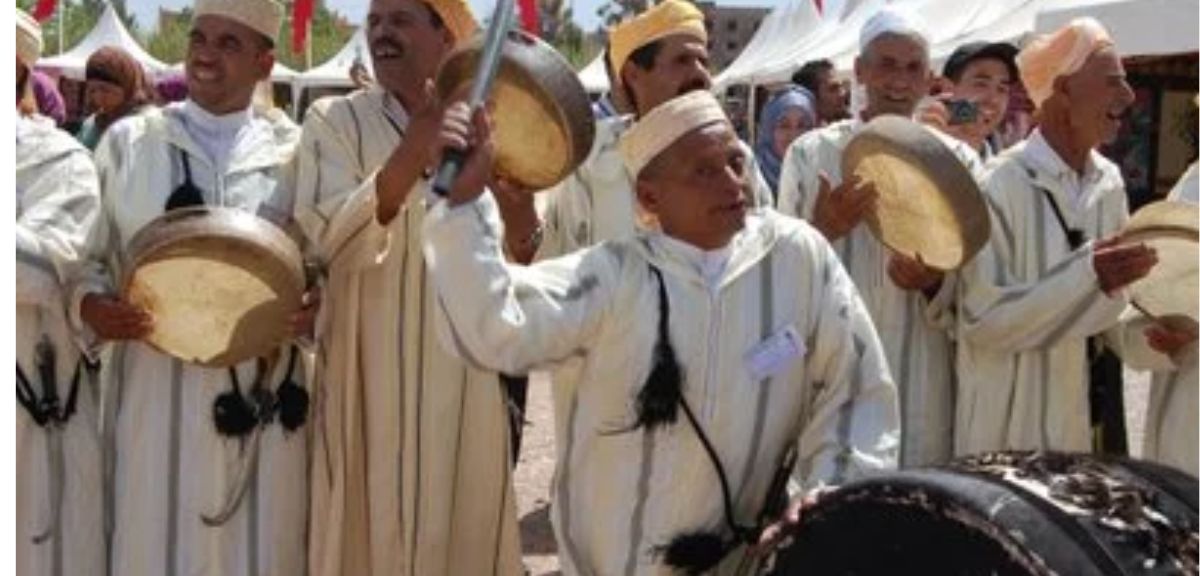
Take the way sound moves here. During a small neighborhood moussem I attended near Taghazout, the call-and-response chants didn’t come from a stage but from clusters of elders seated on woven mats. Their voices layered over one another like waves, sometimes clashing, often harmonizing, while children danced barefoot in the dust. The texture under my sandals was warm and fine, almost powdery, and with each step, a faint cloud rose around my ankles, carrying the scent of sun-baked earth and dried mint.
This is the essence of Agadir’s cultural festivals: they’re participatory, not performative. You don’t watch from behind velvet ropes. You’re handed a cup of tea. You’re asked your name. You’re invited to sit, even if you don’t speak the language. That warmth isn’t hospitality as service; it’s hospitality as worldview.
The Souss Valley: Heartland of Berber Tradition
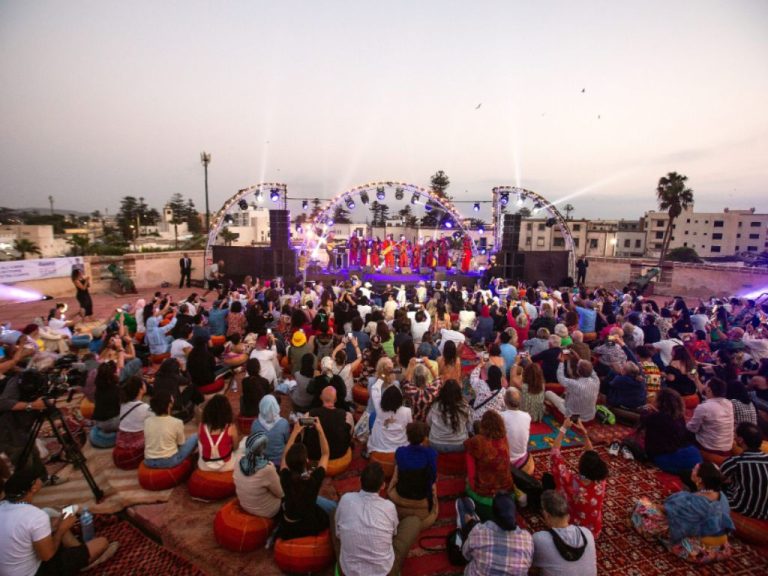
And yes, there are larger events too. The Timitar Festival, held every July, draws artists from Senegal to Scandinavia, all converging on Agadir’s seafront esplanade. But even there, amid the global beats and light shows, the soul remains local. I remember standing near the main stage as a Tuareg guitarist played alongside a female Amazigh poet from Taroudant. The crowd swayed, not in unison, but in layers, like wind through different heights of grass. No one clapped on the beat. They moved with it, inside it.
That’s the rhythm I’m talking about. It’s not about spectacle. It’s about syncopation, between past and present, self and community, silence and song.
How Festivals Become Community Rituals
For American travelers used to tightly scheduled itineraries, this can feel disorienting at first. Events may start late. Programs might shift. A planned concert could dissolve into an impromptu storytelling circle under the stars. But that’s where the magic lives in the unplanned pause, the shared glance, the moment you realize you’ve stopped taking photos and started simply being.
I’ve spoken with many visitors from places like Rehoboth Beach or Easton who arrive expecting relaxation and leave transformed by connection. One woman told me she came to “reset” after a difficult year. She ended up volunteering at a weaving cooperative linked to a local festival, her hands learning patterns her mind couldn’t yet understand. “It wasn’t therapy,” she said. “It was remembering.”
That’s the gift of Agadir’s cultural festivals. They don’t offer escape. They offer return to rhythm, to ritual, to relationships that don’t need translation.
What to Expect as a Mindful American Traveler
Of course, timing matters. While spontaneous encounters happen year-round, the richest season runs from May through October, when village moussems align with national celebrations and international gatherings like Timitar. The weather is warm but not scorching, and the Atlantic breeze keeps everything breathable. Evenings cool just enough to make sitting outside feel like a privilege.
And if you’re wondering how to move through these spaces with respect, the answer is simpler than you think: slow down. Dress modestly, not out of fear, but as acknowledgment. Ask before photographing faces. Learn two phrases in Tachelhit or Darija: “Shukran” (thank you) and “Bismillah” (in God’s name) even if you’re not religious, it signals humility.
Most importantly, let go of the idea that you need to “see everything.” In Agadir, depth trumps breadth. One afternoon spent listening to a grandmother sing lullabies in a sunlit courtyard will teach you more about Moroccan culture than ten rushed museum visits.
As I write this, I’m back home in Maryland, but my skin still remembers the salt-kissed wind off the Souss-Massa estuary, and my ears still catch echoes of that first drumbeat. Agadir didn’t just show me a festival, it reminded me that culture isn’t something we consume. It’s something we join.
If you’re drawn to music that speaks to the soul and gatherings that honor both joy and memory, you’re already halfway there. And once you’ve felt the rhythm of the Souss, you’ll want to know where it leads next. For a deeper dive into one of its most powerful expressions, explore the story of Timitar Festival Agadir Dates and Soulful World Music Guide where global sounds meet Amazigh roots in perfect harmony.