

Berber families in the Agadir region start their day with amlou, a rich spread combining roasted almonds, argan oil and honey into something resembling natural almond butter elevated to another level. The combination provides sustained energy from healthy fats, protein and natural sugars without the crash that comes from typical breakfast pastries. Locals eat amlou with fresh bread, sometimes adding soft cheese or mint tea to complete the meal. This traditional breakfast has sustained agricultural workers and fishermen for generations because it delivers genuine nutrition that powers physical work for hours. Understanding amlou and incorporating it into your morning routine connects you to Agadir’s food traditions while providing the kind of clean energy that California wellness seekers spend premium dollars trying to replicate through expensive smoothies and protein bars.
The origins of Amlou
Amlou emerged from Amazigh communities in the Atlas Mountains and Souss Valley where Argan trees grow wild and almond cultivation thrives. The spread developed as a way to preserve almonds and create portable high-energy food for shepherds and travelers. The ingredients store well without refrigeration and provide concentrated nutrition in a compact form ideal for people working outdoors.The recipe varies by family and region with some versions using more honey for sweetness while others emphasize the argan oil’s nutty character. The ratios reflect personal preference and ingredient availability. Mountain families might use more almonds while coastal people add extra argan oil. This flexibility allows each cook to make amlou their own.Traditional preparation involved grinding almonds by hand using stone mortars, a laborious process that took considerable time and effort. Modern cooks use food processors or blenders to achieve similar results in minutes. The technological advancement doesn’t diminish the final product’s quality or cultural significance. It simply makes regular amlou consumption more practical for busy lives.The spread gained popularity beyond Berber communities as other Moroccans discovered its taste and nutritional benefits. Now amlou appears in riads, restaurants and cafes throughout southern Morocco. The commercialization means you can buy prepared amlou in jars though homemade versions generally taste better and cost less.
Essential ingredients
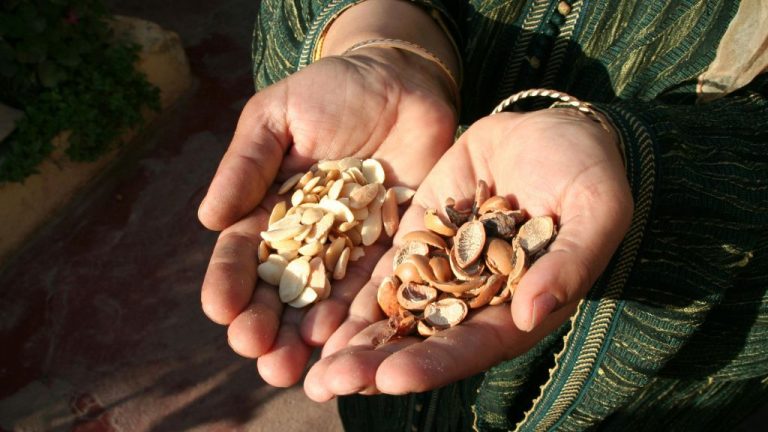
Almonds form the base of amlou and should be raw before roasting at home. The roasting develops flavors and oils that define the spread’s character. Buying pre-roasted almonds works but roasting them yourself allows better control over the final taste. The fresh-roasted aroma alone justifies the minimal extra effort.Argan oil binds the almonds and honey together while adding its distinctive nutty flavor. Use culinary-grade argan oil specifically, not cosmetic versions which lack flavor and cost more. The oil should smell strongly of roasted nuts when you open the bottle. This aromatic intensity indicates quality and freshness.Honey provides sweetness and helps achieve spreadable consistency. Local honey from the Souss region carries floral notes from the diverse plants bees visit in this agricultural area. The honey’s character affects the final amlou flavor so choosing quality honey matters. Darker honeys create more robust spreads while lighter ones produce milder results.Some recipes include a pinch of salt to balance sweetness and enhance other flavors. The salt isn’t traditional in all families but many modern versions incorporate it. Start without salt and add it if the spread tastes too one-dimensional. A tiny amount makes surprising difference in bringing out almond and argan notes.
Optional additions include spices like cinnamon or cardamom though purists argue these distract from the core almond-argan-honey combination. Experiment after mastering the basic version to discover whether spiced variations appeal to you. Traditional recipes stick to the three main ingredients without embellishment.
Roasting the almonds
Spread raw almonds in a single layer on a baking sheet and roast at 350 degrees for ten to twelve minutes, stirring halfway through. Watch carefully since almonds can go from perfectly roasted to burnt quickly. The color should deepen to golden brown and the aroma become intensely nutty without any burned smell.Let roasted almonds cool completely before processing. Hot almonds release oils prematurely and create problems with consistency. The cooling also allows you to taste one and verify the roasting produced good flavor without bitterness. Properly roasted almonds taste sweet and nutty without any acrid notes.Some Berber families roast almonds in dry pans over flame rather than using ovens. This traditional method requires constant stirring and attention but produces slightly different flavor from the direct heat and occasional slight charring. Try this approach once you’re comfortable with oven roasting if you want more authentic technique.The roasting transforms raw almonds’ subtle flavor into something rich and complex. The heat causes chemical changes that develop new aromatic compounds and release oils that give amlou its characteristic texture. Skipping this step or using raw almonds produces inferior results lacking depth.
Store roasted almonds in airtight containers if not using immediately. They’ll stay fresh for several weeks at room temperature or months in the refrigerator. Making larger batches of roasted almonds means you can prepare fresh amlou quickly whenever you want some.
Making Amlou
Process roasted cooled almonds in a food processor until they break down into a paste. This takes several minutes with the mixture going through stages from chopped to grainy to creamy. Stop occasionally to scrape down the sides ensuring everything processes evenly. The almonds will release their oils and transform into butter-like consistency.Add argan oil gradually while processing. The amount depends on desired consistency and how oily your almonds became during processing. Start with two to three tablespoons per cup of almonds and add more if needed. The mixture should be thick but spreadable, not dry or overly runny.Drizzle in honey while continuing to process. Again, adjust the amount to your sweetness preference. Traditional versions tend toward quite sweet but you might prefer less honey for more pronounced almond and argan flavors. Start with two tablespoons per cup of almonds and increase if desired.Process until completely smooth or leave some texture depending on preference. Smooth amlou spreads more easily while textured versions provide more interest. Some people like it almost like peanut butter consistency while others prefer it chunkier. Your amlou, your choice.
Taste and adjust the ratios if needed. Add more honey for sweetness, more argan oil for nuttiness or a pinch of salt for balance. The beauty of homemade amlou is customizing it exactly to your preferences. Commercial versions can’t match this personalization.
Storage and shelf life
Store amlou in clean glass jars with tight lids. The high oil and sugar content preserve it naturally without refrigeration for several weeks. However refrigeration extends shelf life to two or three months if you made a large batch. Let refrigerated amlou come to room temperature before using since cold amlou becomes very thick and hard to spread.A thin layer of Argan oil on top of the amlou in the jar creates a seal preventing air exposure that can cause oxidation. This traditional preservation technique keeps the spread fresh longer. Just stir the oil layer back in when you’re ready to use more amlou.The spread should smell fresh and nutty throughout its storage period. If it develops any rancid odors or tastes bitter, discard it. The oils in almonds and argan can go rancid over time especially if stored improperly. Using fresh high-quality ingredients and proper storage usually prevents these problems.Make smaller batches more frequently rather than huge amounts that sit for months. Fresh amlou tastes better and you avoid waste from spoilage. A jar made from one cup of almonds lasts a single person about two weeks with daily breakfast consumption. Scale your production accordingly.Some people freeze amlou in small portions for longer storage. Thaw individual portions as needed and the spread will be nearly as good as fresh. This approach works if you find good deals on almonds or argan oil and want to stock up without worrying about spoilage.
Traditional serving methods
Berber breakfast typically features fresh khobz or other flatbread torn into pieces and used to scoop amlou directly from a communal bowl. Everyone eating shares the same bowl, dipping bread and eating while conversing. This communal approach to breakfast creates social time rather than solitary rushed eating.Soft fresh cheese often accompanies amlou, either eaten separately or spread on bread alongside the amlou. The cheese’s mild tang balances amlou’s sweetness while adding protein. Local goat cheese works particularly well though any soft cheese functions in this role. The combination of amlou and cheese creates more nutritionally complete meal.Mint tea appears at virtually every Moroccan breakfast including those featuring amlou. The tea’s digestive properties help process the rich spread while its warmth and ritual preparation make the meal feel special. The contrast between sweet tea and sweet amlou might seem like overload but somehow it works perfectly.Some families add dates, figs or other dried fruits to the breakfast spread. These fruits complement amlou’s flavors while adding fiber and additional natural sugars for energy. The variety creates more interesting breakfast without requiring cooking or complicated preparation.Eating amlou for breakfast means starting your day with sustained energy that prevents mid-morning crashes. The healthy fats, protein from almonds and natural sugars from honey provide balanced nutrition that keeps you satisfied for hours. This traditional breakfast works for modern wellness goals despite predating those concepts by centuries.
Nutritional benefits
Almonds provide protein, fiber, vitamin E, magnesium and healthy monounsaturated fats. These nutrients support heart health, stable blood sugar and sustained energy. The protein and fat combination creates lasting satiety that prevents snacking before lunch. A serving of amlou delivers nutrition that expensive protein bars try to replicate through processing and additives.Argan oil contains compounds that may help reduce cholesterol, support cardiovascular health and provide antioxidant protection. The vitamin E in argan oil works synergistically with almond vitamin E to enhance benefits. The traditional pairing of these ingredients creates nutritional synergy that isolated nutrients can’t match.Honey offers quick-burning carbohydrates that provide immediate energy while the almonds and argan oil provide sustained fuel. This combination gives you rapid energy to start your day plus long-lasting power for physical and mental work. The natural sugars in honey absorb more slowly than refined sugar, preventing crashes.The calorie density of amlou means a small amount delivers significant energy. Two tablespoons contain roughly two hundred calories with balanced macronutrients. This efficiency makes amlou ideal for breakfast when you need nutrition but don’t want to eat large volumes of food first thing in the morning.The lack of refined ingredients, preservatives or additives means amlou provides clean nutrition your body recognizes and processes efficiently. Compare this to commercial breakfast spreads loaded with hydrogenated oils, high fructose corn syrup and artificial flavors. The difference in how your body responds becomes obvious when you eat real food.
Modern variations
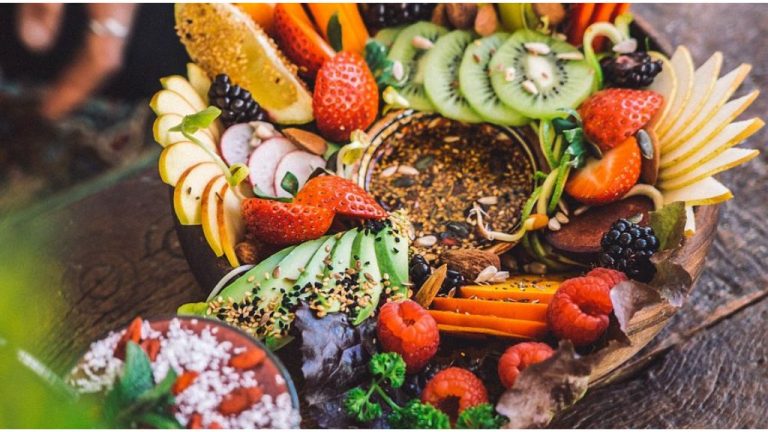
Some wellness-focused cafes serve amlou bowls inspired by acai bowls popular in California. The amlou base gets topped with sliced banana, berries, granola and additional nuts creating Instagram-worthy presentations. These modern interpretations maintain amlou’s nutritional benefits while adding visual appeal and textural variety.Amlou smoothies blend the spread with banana, dates and almond milk for drinkable breakfast. The smoothie delivers amlou’s nutrition in liquid form convenient for people who don’t eat solid breakfast or need portable options. Add a scoop of protein powder and you have a complete meal replacement that actually tastes good.Using amlou as oatmeal topping creates crossover between Berber and Western breakfast traditions. Stir a spoonful into hot oatmeal and you get enhanced nutrition, better flavor and Moroccan flair. The amlou melts slightly from the oatmeal’s heat creating swirls of nutty sweetness throughout.Amlou energy balls combine the spread with oats, chia seeds and additional nuts then roll them into bite-sized portions. These portable snacks provide quick energy for hiking, workouts or afternoon slumps. The balls travel well and don’t require refrigeration making them ideal for outdoor activities.Some people use amlou as pre-workout fuel since it provides quick and sustained energy without sitting heavy in the stomach. A spoonful eaten thirty minutes before exercise delivers readily available carbohydrates plus fat that gets mobilized during longer activities. Athletes appreciate how it fuels performance without causing digestive issues.
Cost comparison
Making amlou at home costs about twelve to fifteen dollars per batch using one cup of almonds, quarter cup of argan oil and quarter cup of honey. This produces roughly one and a half cups of finished spread. The per-serving cost runs about seventy-five cents for two tablespoons.Compare this to commercial nut butters which cost six to ten dollars for sixteen ounces of almond butter. High-end versions with added oils and sweeteners approach twelve dollars per jar. Amlou’s superior ingredients and flavor justify similar pricing when made at home but you control quality and customization.Buying prepared amlou in Morocco costs eight to fifteen dollars per jar depending on size and vendor. The quality varies significantly so tasting before buying helps ensure you’re getting good product. Making your own allows fresher results and customization impossible with commercial versions.The investment in ingredients pays off through sustained energy and nutrition that might reduce spending on coffee shop beverages and snacks. Starting your day with satisfying amlou breakfast means less temptation to buy expensive smoothies or pastries later. The economic benefits extend beyond the spread’s direct cost.Argan oil represents the main expense but it lasts for multiple batches of amlou plus use in other cooking. Buying larger bottles reduces per-ounce cost making the ingredient more economical. Think of argan oil as investment in multiple uses rather than single-purpose purchase.
Health considerations
The calorie density means portion control matters despite amlou’s healthy ingredients. Two tablespoons provide substantial nutrition but eating half a jar defeats the wellness purpose. Treat it as concentrated nutrition requiring moderation rather than unlimited consumption.People with nut allergies obviously cannot eat amlou due to the almond base. No substitutions adequately replicate the flavor and nutrition almonds provide. If you have nut allergies, this traditional breakfast doesn’t work for you and trying to adapt it isn’t worth the risk.The high natural sugar content from honey means diabetics should monitor portions and account for carbohydrates in their meal planning. The fat and protein help moderate blood sugar impact but the honey still affects glucose levels. Consult your healthcare provider about incorporating amlou if you manage diabetes.Athletes and active people benefit most from amlou’s dense nutrition. Sedentary individuals might find the calorie concentration excessive for their needs. Adjust serving sizes based on your activity level and overall caloric requirements. The same breakfast that fuels a fisherman might be too much for someone with desk job.The ingredients are all natural whole foods that most people digest easily. The fat content helps absorb fat-soluble vitamins from other foods eaten at the same meal. The sustained energy prevents energy crashes that sometimes trigger poor food choices later in the day.
Cultural context
Sharing amlou represents hospitality and generosity in Berber culture. Offering amlou to guests shows respect and welcome. The quality of amlou served reflects on the host’s care for visitors. This cultural weight around a breakfast spread demonstrates food’s social importance beyond mere nutrition.Many Berber families have signature amlou recipes passed through generations. The specific ratios and techniques carry family identity and pride. Learning to make amlou from a Berber cook means receiving cultural knowledge that extends beyond cooking skills into tradition and values.The ingredients’ local origins connect amlou to specific geography and agricultural practices. Argan trees grow only in southwestern Morocco making the oil genuinely local to this region. Almonds from the Souss Valley carry terroir just like wine grapes. Eating amlou means tasting a specific place.Modern commercialization of amlou creates economic opportunities for Berber women through cooperatives that produce and sell the spread. Buying from these cooperatives supports traditional knowledge and provides income to rural communities. The commercial success helps preserve cultural practices by making them economically viable.
Tourists discovering amlou often want to take it home creating export market that benefits local producers. This international interest validates traditional foods and encourages younger generations to maintain preparation knowledge. The global appeal of amlou helps ensure its continuation as living tradition.
Making it part of your routine
Start with small amounts to gauge how amlou affects your energy and satiety. Some people find two tablespoons perfect while others need only one. Your body will tell you the right amount through how you feel mid-morning. Adjust portions based on this feedback.Prep ingredients in larger batches so making fresh amlou becomes quick process rather than major project. Keep roasted almonds ready and quality argan oil and honey on hand. When supplies run low you can make more in ten minutes rather than needing an hour for the full process.Experiment with the ratios to find your perfect version. Maybe you prefer less sweet with more argan character or perhaps you like it very smooth rather than textured. The customization is part of amlou’s appeal and there’s no single correct version. Your preference defines the ideal amlou for you.Pair amlou with fresh fruit for added nutrients and fiber. Sliced apple or banana with amlou creates balanced breakfast addressing multiple nutritional needs. The fruit’s water content and fiber complement amlou’s concentrated nutrition. This combination keeps you satisfied longer than either element alone.Share your amlou with friends introducing them to this traditional food. The spread’s unique flavor and cultural story make it interesting conversation topic while its nutrition makes it valuable addition to anyone’s breakfast rotation. Spreading knowledge about good food benefits everyone.
For those wanting to explore how this traditional breakfast fits into Agadir’s broader approach to food and wellness where local ingredients and simple preparations create genuine nutrition, discovering Agadir’s complete food culture reveals how amlou represents one element in a larger system that sustained communities for generations and continues offering valuable lessons about eating well in ways that support both health and pleasure without requiring sacrifice or expensive processed alternatives.