
Timitar festival: Where global sounds meet amazigh roots
What is timitar—and why it matters
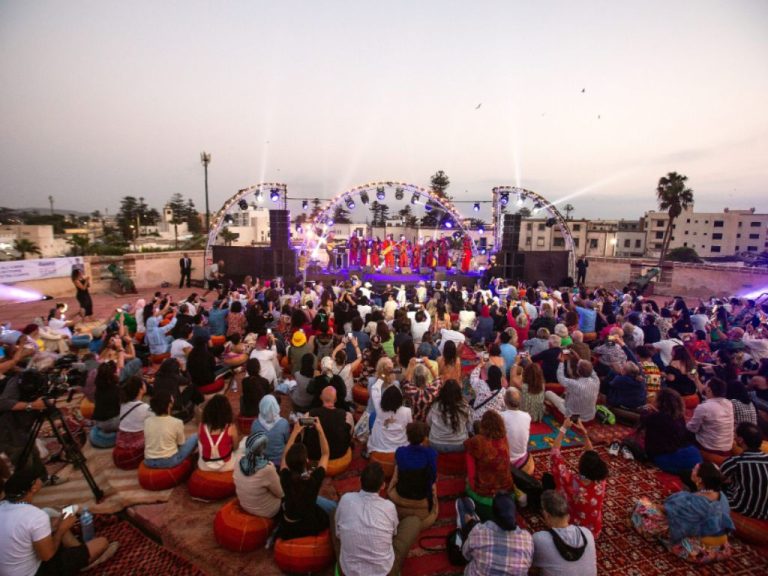
I remember the exact moment Timitar changed how I hear music. It was past midnight on Agadir’s Corniche, and a Senegalese kora player had just begun a duet with an Amazigh poet from the High Atlas. No stage lights, no pyrotechnics,just two voices weaving through the salt-tinged air, one plucking silver notes from ancient strings, the other reciting verses in Tachelhit that rolled like desertwind. Around me, strangers sat shoulder to shoulder on low stools, eyes closed, not clapping, not filming, just receiving. In that stillness, I understood: this wasn’t entertainment. It was communion.
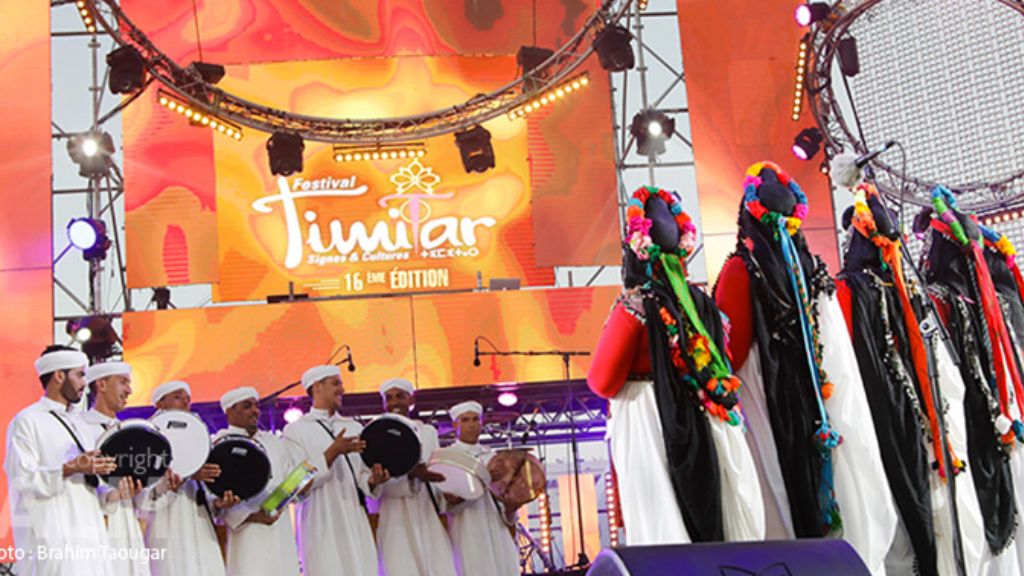
For travelers from the Delmarva Peninsula, where summer means crab feasts, beach bonfires, and local bluegrass jams, Timitar feels both foreign and deeply familiar. It’s a festival rooted in place but open to the world, much like our own coastal towns that welcome visitors while holding tight to their rhythms. Held every July in Agadir, Timitar (which means “roots” in Tachelhit) began in 2004 as a celebration of Amazigh culture. Today, it’s grown into one of North Africa’s most respected world music gatherings, but never at the cost of its soul.
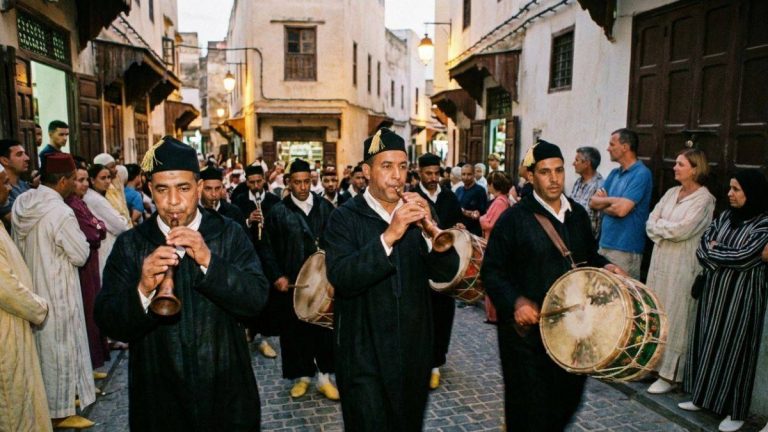
What sets Timitar apart isn’t just the lineup, it’s the intention. Organizers don’t book acts for buzz. They curate conversations between traditions. One night might feature Gnawa trance masters from Essaouira; the next, a Malian blues guitarist sharing a mic with a female Berber singer whose lyrics speak of land rights and love. The sound system is excellent, yes, but so is the silence between songs, the kind that only exists when an audience is truly listening.
Beyond the Main Stage: Workshops and Encounters
I’ve attended music festivals across Europe and the U.S., but nowhere else have I felt so invited into the experience. During a workshop on the festival’s second day, I joined a circle learning the basic rhythm of the bendir, a frame drum used in healing ceremonies. My hands fumbled, but the instructor, a woman with hennaed fingertips and eyes that held decades of song—simply smiled and said, “The drum forgives.” Around us, the scent of grilled sardines and cumin drifted from food stalls, mingling with the dry, herbal smell of palm fronds overhead.
That sensory layering is key to Timitar’s magic. It’s not just sound. It’s the rough texture of the woven mat beneath you as you sit cross-legged in the amphitheater. It’s the coolness of mint tea poured from a height into small glasses, its sweetness cutting through the ocean’s brine. It’s the murmur of French, Arabic, English, and Tachelhit blending into a single human hum during intermission.
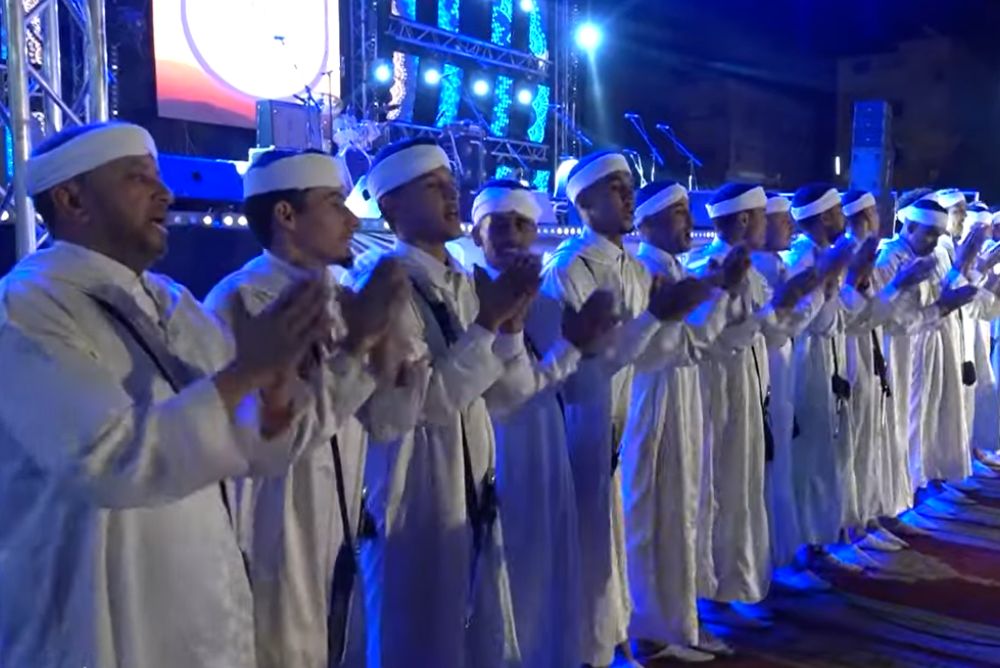
For American travelers, especially those seeking more than a passive vacation, Timitar offers rare depth. You’re not just watching artists, you’re walking the same streets they do, eating at the same cafés, sometimes even joining impromptu jam sessions on the beach at dawn. I once shared breakfast with a group of musicians from Cape Verde who’d stayed late after their set. Over msemen (flaky Moroccan pancakes) and strong coffee, they spoke about how Timitar was the only festival where they felt “seen, not sampled.”
Key Dates, Stages, and Practical Info
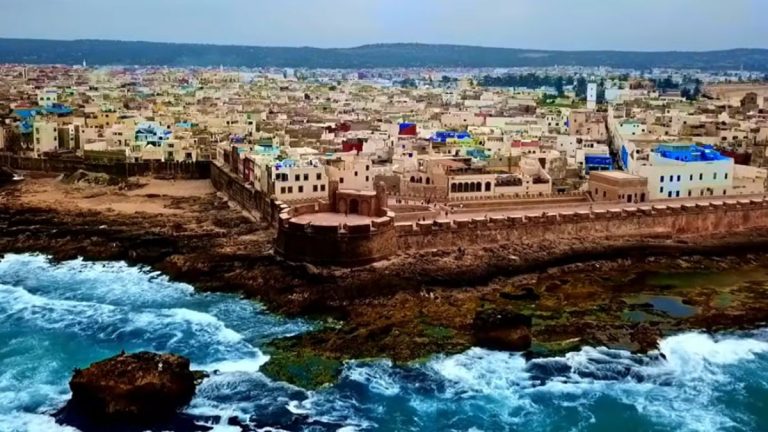
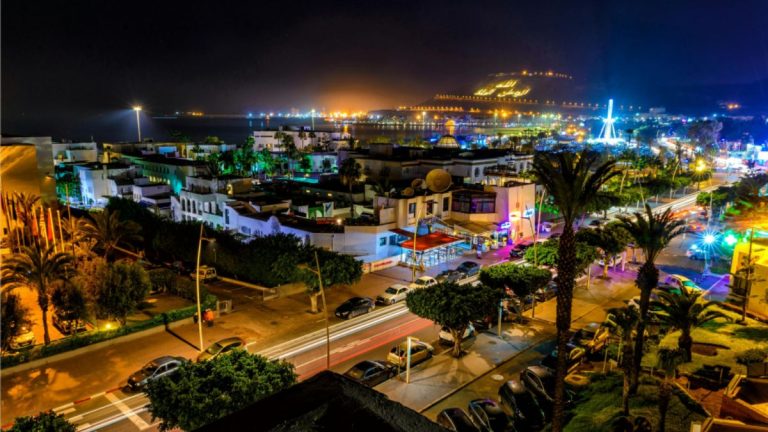
Practical details matter too. The festival runs for four days, usually mid-July, with free daytime stages along the seafront and ticketed evening concerts at the main venue near the marina. Accommodations fill quickly, so booking early is wise, but don’t overlook guesthouses in nearby neighborhoods like Talborjt or Anza, where local families often host visitors during the event. And while the evenings draw crowds, the afternoons belong to workshops, film screenings, and quiet walks through Agadir’s rebuilt kasbah, where panoramic views stretch from the port to the Souss plains.
How to Experience Timitar with Respect and Depth
Above all, come with openness. Dress comfortably but respectfully, light cottons, covered shoulders in crowded areas. Bring cash for street food and artisan crafts sold by women’s cooperatives. And leave your phone in your pocket during performances unless absolutely necessary. The real souvenir isn’t a photo; it’s the memory of a melody that found its way into your bones.
Timitar doesn’t promise escape. It offers encounter with others, with heritage, with parts of yourself you didn’t know were listening. And if you let it, that encounter can ripple long after the last note fades.
When I returned home to Maryland, I caught myself humming a Timitar refrain while walking the marsh trails near Chestertown. It wasn’t nostalgia. It was integration. The festival hadn’t just filled my ears, it had recalibrated my inner compass.
If this resonates, you’re already tuned to the right frequency. And if you’re curious how to weave Timitar into a broader journey of meaning, consider exploring Sacred Celebrations: Experiencing Spiritual Festivals in and Around Agadir, where music gives way to meditation, and rhythm deepens into ritual.