
Sacred celebrations: Experiencing spiritual festivals in and around Agadir
Understanding the moussem tradition
The first time I attended a moussem in the Souss Valley, I didn’t know I was entering sacred space. There were no signs, no ticket booths, no program handouts. Just a cluster of white tents beneath an ancient argan tree, the air thick with the scent of smoldering benjoin resin and slow-cooked lamb. An elder in a faded indigo djellaba handed me a date and said, “Eat. The blessing is in the sharing.” That simple gesture quiet unannounced, deeply human, was my introduction to Morocco’s spiritual festivals, and it changed how I travel forever.
For visitors from the Delmarva Peninsula, where spirituality often lives in church pews, shoreline meditations, or family harvest prayers, these gatherings may feel unfamiliar at first. Yet their core is universal: community, gratitude, remembrance. In and around Agadir, spiritual festivals, known locally as moussems, are not religious spectacles. They are living acts of continuity, honoring local saints (often Sufi marabouts), seasonal cycles, or ancestral lineages. And while they’re rooted in Islam and Amazigh tradition, their warmth extends to all who approach with respect.
I’ve been invited to three such celebrations over the years, each distinct yet connected by a shared rhythm of humility. One took place in a coastal village near Aourir, where fishermen gathered before dawn to chant prayers for safe voyages. The sound rose like mist off the Atlantic, low, steady, collective. Another unfolded in the Anti-Atlas foothills, where families walked miles to visit the tomb of a 16th-century healer. Children carried baskets of barley; women sang lullabies that doubled as invocations. No one explained the meaning. You absorbed it through presence.
Etiquette for Attending Sacred Events
That’s the key. These aren’t events you “attend” like a concert. You participate or you don’t come at all. Photography is often discouraged, especially during prayer or ritual meals. Loud talking fades into hushed tones. Time slows. You might sit for hours without a schedule, drinking tea, listening to stories, watching hands shape bread or mend nets. The texture of the experience is tactile: rough wool blankets, sun-warmed stone courtyards, the sticky sweetness of dates pressed into your palm.
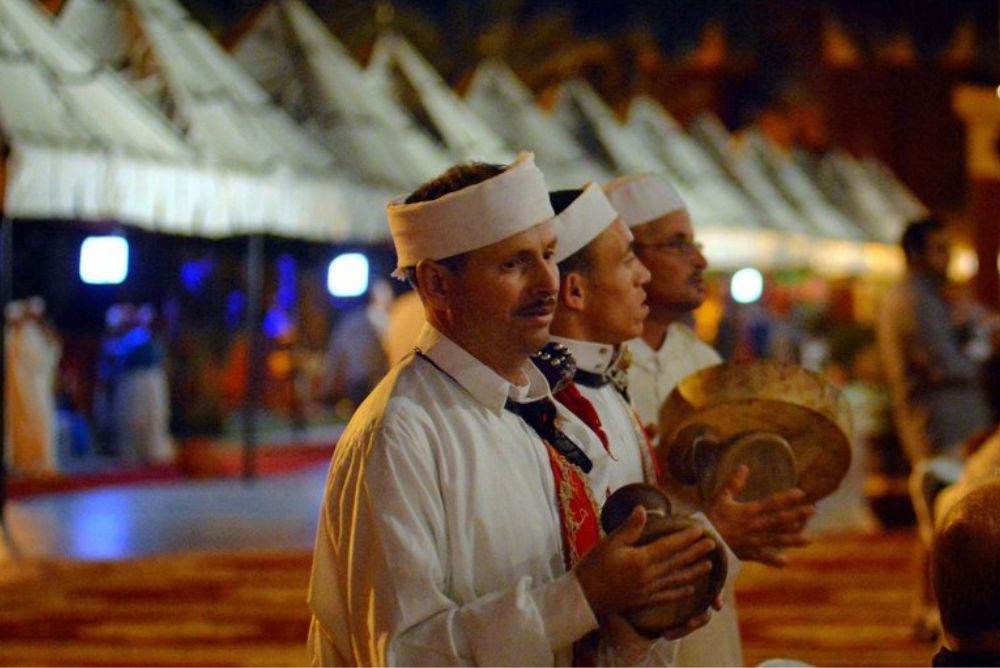
One evening, during a small Sufi gathering outside Taroudant (just two hours from Agadir), I sat in a circle as men in white robes began a dhikr, a remembrance of God through rhythmic chanting and breath. The room grew warm, not from heat but from shared focus. At one point, a deep, resonant hum filled the space, vibrating in my chest like a second heartbeat. I didn’t understand the words, but my body responded. Tears came, not from sadness, but release. Later, a man beside me simply nodded and said, “The heart knows before the mind.”
This is the quiet power of spiritual festivals near Agadir. They don’t preach. They invite. And for American travelers weary of curated experiences, that authenticity is rare medicine.
Finding These Festivals as an International Traveler
Timing varies by village and saint’s day, but many moussems occur in spring (March–May) and autumn (September–October), aligning with agricultural cycles. Some, like the Moussem of Moulay Brahim near Marrakech, draw thousands but smaller ones near Agadir remain intimate, known mostly through word of mouth. Locals rarely advertise them online. Instead, ask gently at your guesthouse, or strike up conversation in a market. Say you’re interested in “local traditions” or “community gatherings.” Curiosity, when paired with humility, opens doors.
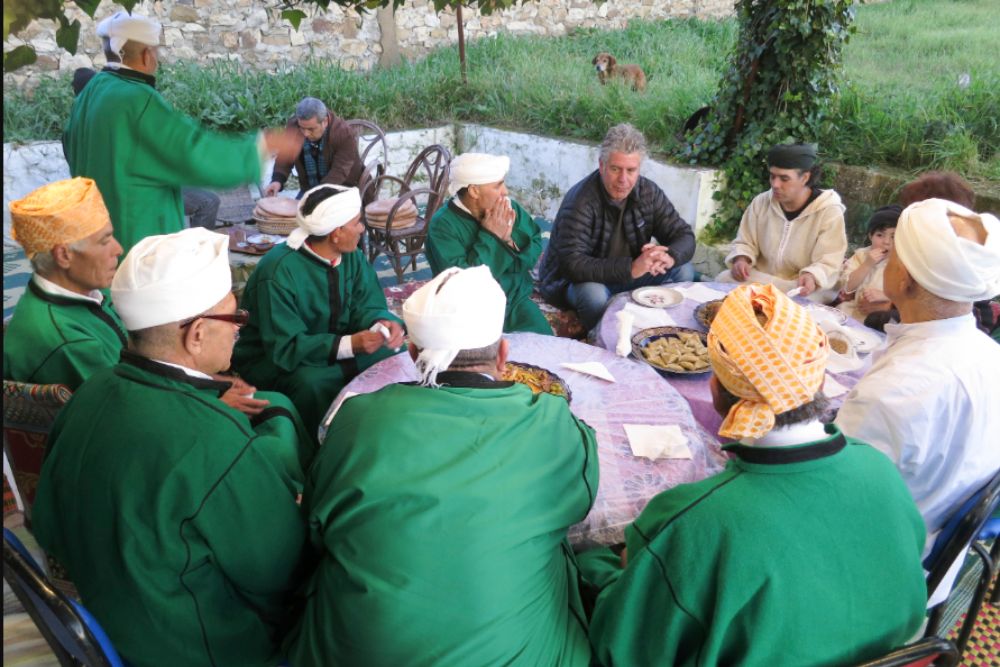
When you go, leave expectations behind. Dress modestly long sleeves, covered legs, headscarf for women if entering a shrine. Remove shoes before entering sacred courtyards. Accept food when offered; refusing can be seen as rejection of goodwill. And never assume you’re entitled to witness everything. Some rituals are private. Observe boundaries with grace.
These festivals aren’t about ticking a box on a bucket list. They’re about softening. Slowing. Remembering that travel can be a form of prayer if we let it.
Back home in Maryland, I keep a small clay bowl from that first moussem on my windowsill. It holds nothing but air, yet every time I pass it, I recall the silence between chants, the weight of shared bread, the way strangers became temporary kin under an argan tree. That’s the souvenir no shop can sell.
If your journey seeks depth beyond stages and spotlights, these sacred celebrations offer a path inward. And if you’d like to explore how music and spirit intertwine in this region, step into Awaken your spirit: Cultural and wellness events in Agadir, Morocco . A soulful guide for the consciousAwaken your spirit: Cultural and wellness events in Agadir, Morocco . A soulful guide for the conscious traveler where every encounter becomes a doorway.