
The Dakhla bay produces oysters that rival Brittany or Pacific Northwest specimens despite sitting at the edge of the Sahara Desert. The paradox of world-class oyster cultivation in such an unlikely location reflects the unique convergence of cold Atlantic currents and nutrient-rich waters that define this remote peninsula. The farms operate year-round benefiting from consistent water temperatures and minimal pollution that create ideal growing conditions. Understanding these oysters and how they reach your plate connects you to Dakhla’s distinctive wellness adventure culture where desert isolation meets exceptional Atlantic bounty in ways that transform how you think about food sourcing and environmental adaptation.
The unlikely oyster paradise
Dakhla sits at the far southern edge of Morocco where the Sahara Desert literally meets the Atlantic Ocean. The geography seems wrong for oyster cultivation with sand dunes visible from the bay and daytime temperatures regularly exceeding ninety degrees. Yet this improbable setting produces some of the finest oysters available anywhere, a fact that surprises even seasoned oyster enthusiasts who discover them.The secret lies in the bay’s unique hydrology. Cold Atlantic currents sweep up from deeper waters bringing nutrients and maintaining temperatures that oysters thrive in despite the desert heat overhead. The long narrow peninsula shelters the bay from heavy waves while allowing steady water circulation. This combination creates conditions oyster farmers spend fortunes trying to replicate artificially elsewhere.The isolation that makes Dakhla challenging to reach also protects its waters from the pollution that threatens oyster beds in more developed regions. No industrial runoff, no agricultural chemicals, no sewage from dense coastal populations. The water quality stays pristine because nothing upstream can contaminate it. This purity translates directly to oyster flavor and safety.
French colonists first recognized the bay’s potential for oyster farming in the mid-twentieth century. They imported cultivation techniques from Brittany and discovered the oysters here grew faster and developed more complex flavors than their European counterparts. After independence, Moroccan entrepreneurs took over the farms and continued refining production methods.
How Dakhla oysters are grown
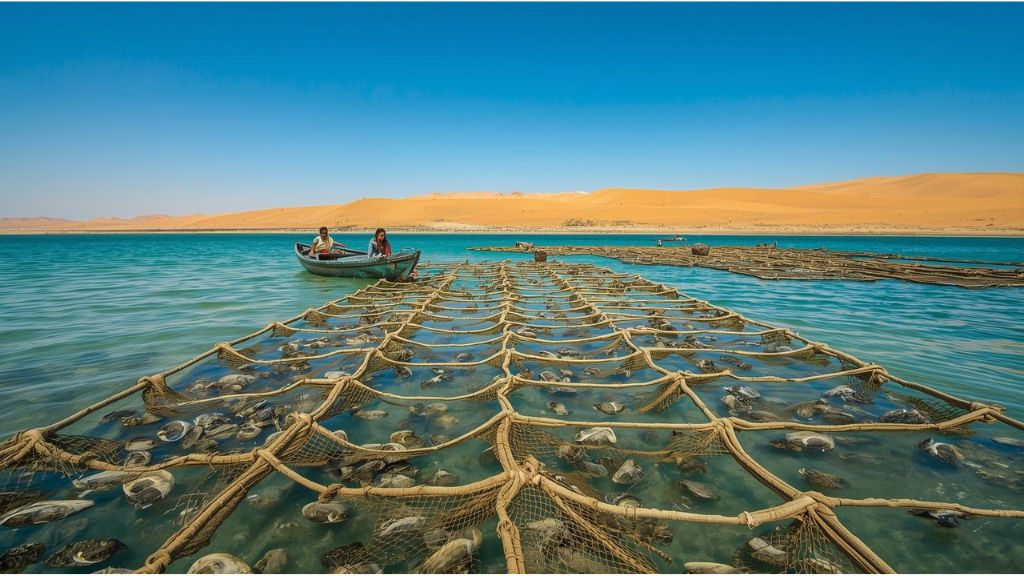
The cultivation process starts with spat, baby oysters smaller than your fingernail, either collected from wild populations or raised in hatcheries. Farmers place these tiny oysters in mesh bags suspended from floating rafts anchored in the bay. The bags protect young oysters from predators while allowing water to flow through continuously.The oysters filter phytoplankton and nutrients from the water, growing steadily in the consistent conditions Dakhla provides. Unlike regions with extreme seasonal temperature swings, the Dakhla bay maintains relatively stable conditions year-round allowing continuous growth without dormant periods. This consistency contributes to the oysters’ quality and the farms’ productivity.Farmers check the bags regularly, cleaning away algae and redistributing oysters as they grow to prevent overcrowding. The work happens from small boats moving between the raft systems that dot the bay. The scale remains relatively small compared to industrial oyster operations in other countries, with most farms run by families or small cooperatives rather than large corporations.The growing period takes eighteen to twenty-four months from spat to market-size oyster. This timeline allows the oysters to develop the depth of flavor and firm texture that define quality specimens. Rushing the process produces inferior oysters but Dakhla farmers understand that patience yields better products and higher prices.Harvest happens continuously throughout the year rather than in specific seasons. Farmers pull oysters as they reach optimal size, typically around three inches long. This ongoing harvest maintains steady supply while ensuring each oyster gets maximum growing time. The lack of seasonal pressure also means fresher products since oysters don’t sit in storage waiting for market windows.
Nutritional powerhouse
Oysters pack remarkable nutrition into their small packages. A half dozen medium oysters provides more zinc than most people consume in several days, supporting immune function and wound healing. The zinc content alone makes oysters valuable for anyone seeking optimal health, but the benefits extend far beyond this single mineral.Protein in oysters comes with all essential amino acids in ratios humans utilize efficiently. The protein density rivals meat while the calorie count stays remarkably low. Six oysters deliver about fifteen grams of protein with only eighty calories total. This combination makes oysters ideal for athletes and active people needing protein without excess energy.The omega-3 fatty acids in oysters support cardiovascular health and reduce inflammation throughout the body. While not as concentrated as in fatty fish, the omega-3s in oysters still provide meaningful benefits especially when consumed regularly. The fat content remains low overall making oysters a lean source of these essential fats.Vitamin B12 appears in oysters at levels that dwarf most other foods. A single serving provides several times the daily requirement for this crucial vitamin that supports nerve function and red blood cell production. Vegetarians and vegans often struggle to get adequate B12 but oysters solve this problem efficiently for those who eat them.Iron in oysters comes in the heme form that your body absorbs much more readily than the non-heme iron found in plant foods. This makes oysters particularly valuable for people with anemia or anyone needing to boost iron levels quickly. The vitamin C naturally present in oysters enhances iron absorption further.Selenium, copper, and other trace minerals round out the nutritional profile. These micronutrients support countless enzymatic processes throughout your body. Getting them from whole food sources like oysters ensures they come with cofactors that enhance absorption and utilization compared to isolated supplements.
Tasting Dakhla oysters
The flavor of Dakhla oysters reflects the waters they grow in. The initial taste brings clean ocean brininess without the overwhelming saltiness that can make some oysters unpleasant. This balanced salinity comes from the Atlantic currents that flush the bay continuously with fresh seawater rather than allowing salt to concentrate.The texture strikes most people as firmer than French or American oysters they might have tried previously. Dakhla oysters require actual chewing rather than just sliding down your throat. This meatiness reflects the growing conditions and the time farmers allow for development. The firmness also indicates freshness since oysters soften as they age after harvest.A subtle metallic note characteristic of high-mineral content appears mid-palate. This isn’t unpleasant but rather adds complexity that makes each oyster more interesting than simple saltwater flavor. The minerality reminds you these oysters grew in nutrient-dense waters pulling elements from their environment.The finish stays clean without any muddy or chemical aftertaste that can plague oysters from polluted waters. Good oysters should leave your mouth feeling refreshed rather than coated. Dakhla oysters excel in this regard thanks to the pristine bay conditions. The clean finish makes you want another immediately.
Comparing Dakhla oysters to famous varieties from other regions reveals more similarities than differences. They hold their own against Brittany Belons, Pacific Kumamotos or East Coast Blue Points. Some tasters prefer the Dakhla specimens for their balance and texture while others favor alternatives. Personal preference matters more than objective superiority.
Where to eat oysters in Dakhla
Several restaurants in Dakhla specialize in oysters and other seafood, though the selection stays limited compared to larger cities. The best establishments source directly from the farms bringing oysters to your table within hours of leaving the water. This immediacy creates experiences that oyster bars in California or France struggle to match despite their sophistication.
Restaurant Barbas sits right on the bay with views of the oyster farms visible from the dining room. They serve oysters shucked to order with nothing more than lemon wedges since the quality needs no embellishment. The simplicity lets the oysters speak for themselves. A dozen oysters runs about twelve dollars, remarkably affordable given the quality.Dakhla Attitude caters more to the international kitesurf crowd with a modern aesthetic and diverse menu. Their oyster preparations include both raw and lightly grilled options. The grilled version gets a touch of garlic butter and brief heat that warms without fully cooking. Both styles showcase the oysters though purists prefer them raw.Some local shops sell oysters for home consumption if you have access to a kitchen. A dozen fresh oysters costs about eight dollars at these markets. You’ll need your own shucking knife and some practice opening them safely. The savings over restaurant prices makes the effort worthwhile if you’re staying in Dakhla for extended periods.The oyster farms themselves sometimes welcome visitors who want to see production firsthand. Calling ahead to arrange tours ensures someone will be available to show you around and explain the process. Some farms sell oysters directly to visitors at wholesale prices if you’re buying significant quantities. These farm visits provide context that enhances appreciation when you eat the oysters later.
Oyster farm tours
Visiting an oyster farm reveals the work behind these delicacies and deepens your connection to what you’re eating. The farms sit scattered around the bay accessible only by boat. Tour operators in Dakhla arrange half-day excursions that include farm visits along with time on the water observing other bay wildlife.The tours typically start with explanations of oyster biology and cultivation techniques. You learn to identify different growth stages and understand why certain practices matter for final quality. The educational component transforms oysters from mysterious seafood into agricultural products you comprehend fully.Watching farmers work the floating rafts demonstrates the physical labor involved in oyster cultivation. Hauling bags, sorting oysters by size, cleaning equipment and performing maintenance all require strength and skill developed over years. The work happens regardless of weather with farmers on the water in wind, heat and occasional rain.Many tours include oyster tastings right on the farm boats where you eat specimens pulled from the water moments earlier. This represents the ultimate freshness impossible to achieve in any restaurant. The experience of shucking and eating oysters while floating above the beds they came from creates memories that stick with you long after the trip ends.
The bay ecosystem extends beyond just oysters with numerous fish and bird species depending on the same waters. Tours often spot flamingos, herons and other birds feeding in shallow areas. Dolphins occasionally appear in deeper sections of the bay. This biological diversity indicates healthy conditions that benefit all species including the oysters.
Sustainability considerations
Dakhla’s oyster industry operates at a scale that allows sustainable practices without the pressure to maximize production that leads to environmental degradation elsewhere. The farms collectively produce enough oysters to supply local consumption and some export markets without overtaxing the bay’s capacity. This balance maintains itself partly because the remote location limits expansion.Oyster farming generally ranks among the most environmentally friendly forms of aquaculture since the mollusks filter feed on naturally occurring plankton rather than requiring feed inputs. They don’t produce waste that pollutes surrounding waters but instead improve water quality through their filtering activity. Each oyster processes dozens of gallons of water daily, removing particles and clarifying the bay.The farming infrastructure of ropes and rafts creates habitat for other marine species. Small fish shelter among the oyster bags while larger fish hunt in the structures’ shadows. This habitat provision adds ecological value beyond just the oysters themselves. The farms function as artificial reefs supporting biodiversity rather than damaging it.Climate change poses potential threats to oyster cultivation worldwide through ocean acidification and warming waters. Dakhla’s current conditions appear stable but monitoring continues to ensure problems get detected early. The industry’s relatively small scale allows adaptive management if conditions begin shifting. Farmers can adjust techniques more easily than massive industrial operations.The economic benefits oyster farming brings to Dakhla incentivizes protecting the bay’s water quality. Local communities understand that pollution would destroy the industry and the livelihoods it supports. This alignment between economic interest and environmental protection creates better outcomes than situations where these factors conflict.
Cooking with Dakhla oysters
Most oyster enthusiasts prefer eating them raw to experience their full flavor and texture. However, cooking opens up different possibilities for those who find raw oysters unappealing or want variety. The key is using cooking methods that enhance rather than overpower the oysters’ delicate character.Grilling oysters on the half shell with a compound butter takes just minutes over hot coals. The butter melts into the oyster creating richness while the brief heat firms the texture slightly without making it rubbery. Garlic, parsley and lemon zest in the butter complement the oyster flavor perfectly. This preparation works beautifully for beach cooking in Dakhla.Oyster stew provides comfort food that showcases the mollusks while warming you up on cooler evenings. Simmer oysters gently in cream or milk with butter, celery and onions. The cooking stays brief so oysters remain tender. The resulting stew tastes rich and satisfying while highlighting the oysters rather than drowning them in heavy sauces.Fried oysters appeal to people who struggle with raw seafood textures. A light cornmeal or panko coating protects the oyster during quick frying in hot oil. The exterior crisps while the interior stays creamy. Serve with lemon and hot sauce for contrast. This preparation works as an introduction for oyster skeptics who might graduate to raw versions later.Adding oysters to pasta dishes creates luxury meals from simple ingredients. Toss shucked oysters and their liquor into pasta during the final minute of cooking. The heat gently poaches the oysters while their liquor adds briny depth to the sauce. Fresh herbs and a touch of butter complete the dish. This works particularly well with linguine or spaghetti.
Health and safety
Fresh oysters from clean waters pose minimal health risks when handled and consumed properly. The key is ensuring absolute freshness and proper refrigeration from harvest to consumption. Oysters should smell like clean ocean water without any fishy or chemical odors. Trust your nose and reject any that smell off.Raw oysters do carry some risk of foodborne illness since they’re consumed without the kill step that cooking provides. People with compromised immune systems, pregnant women and young children often get advised to avoid raw oysters. However, healthy adults face very low risk from oysters sourced from clean waters like Dakhla’s bay.The ultra-short supply chain in Dakhla actually reduces risk compared to oysters that travel for days before reaching consumers. Bacterial growth increases with time and temperature. Oysters eaten within hours of leaving the water have had minimal time for any problems to develop. This freshness advantage makes Dakhla oysters particularly safe.Proper shucking technique matters both for safety and preserving quality. The oyster should remain completely closed until you shuck it. Once opened, inspect the oyster for any discoloration or unusual appearance. The liquid inside should be clear not cloudy. If anything seems wrong, discard that oyster rather than risking it.Storing oysters correctly extends their life and maintains quality. Keep them in the refrigerator with the cup side down so liquid doesn’t drain out. Cover with a damp towel rather than sealing in airtight containers since oysters need some airflow. Consume within a few days of purchase for best quality though properly stored oysters can last a week.
Beyond oysters: The broader shellfish scene
While oysters get the most attention, Dakhla’s bay produces other shellfish worth seeking out. Clams, particularly the carpet shell variety, appear in local markets and provide similar nutritional benefits to oysters with slightly different flavor profiles. The clams work well in pasta dishes or steamed with white wine and garlic.Mussels grow wild on rocks throughout the bay though commercial farming remains limited. Local families collect them for personal consumption but they rarely appear in restaurants or markets. If you befriend locals they might share their collection spots and preparation methods. The mussels taste sweet and tender with the same clean finish as the oysters.Sea urchins appear seasonally in deeper water outside the bay. Divers collect them and sell to restaurants catering to adventurous eaters. The roe inside, called uni in Japanese cuisine, has a creamy texture and intense ocean flavor. Not everyone enjoys uni but those who do seek it out enthusiastically. The high price reflects the labor-intensive collection and limited availability.Octopus caught in rocky areas near shore appears frequently in local cooking. The preparation usually involves long slow cooking that tenderizes the meat. Grilled octopus with chermoula or paprika shows up on many menus. The texture differs dramatically from shellfish but the octopus deserves mention as part of Dakhla’s broader seafood bounty.
Taking the experience home
Bringing Dakhla oysters home isn’t practical given the distance and perishability, but you can recreate elements of the experience anywhere. Source the freshest oysters available in your area from reputable suppliers who can verify harvest dates and water quality. The closer to harvest you consume them, the better they’ll taste regardless of origin.Learning proper shucking technique allows you to buy whole oysters and prepare them yourself. The initial investment in a good oyster knife and learning curve pays off in better quality and lower cost compared to pre-shucked oysters or restaurant prices. Practice makes the process quick and safe.Creating the right atmosphere enhances oyster eating beyond just the food itself. Serve them on ice outdoors if weather allows, maybe near water if you have access. The setting matters for the experience even if you can’t replicate Dakhla’s specific environment. Simple presentations work best letting the oysters be the focus.Exploring different oyster varieties from various regions builds appreciation for how environment affects flavor. East Coast oysters taste different from West Coast or European varieties. Tasting side by side develops your palate and helps you understand what you prefer. This exploration might never match the perfection of eating Dakhla oysters at their source but it extends the learning and enjoyment.For those wanting to understand how oysters fit into the broader adventure wellness culture that defines Dakhla and how the kitesurf community fuels their active lifestyle with nutrition from the bay, exploring the connection between kitesurfing and wellness nutrition reveals how physical challenge and intentional eating combine in this remote paradise where desert isolation creates the perfect environment for presence and performance.