
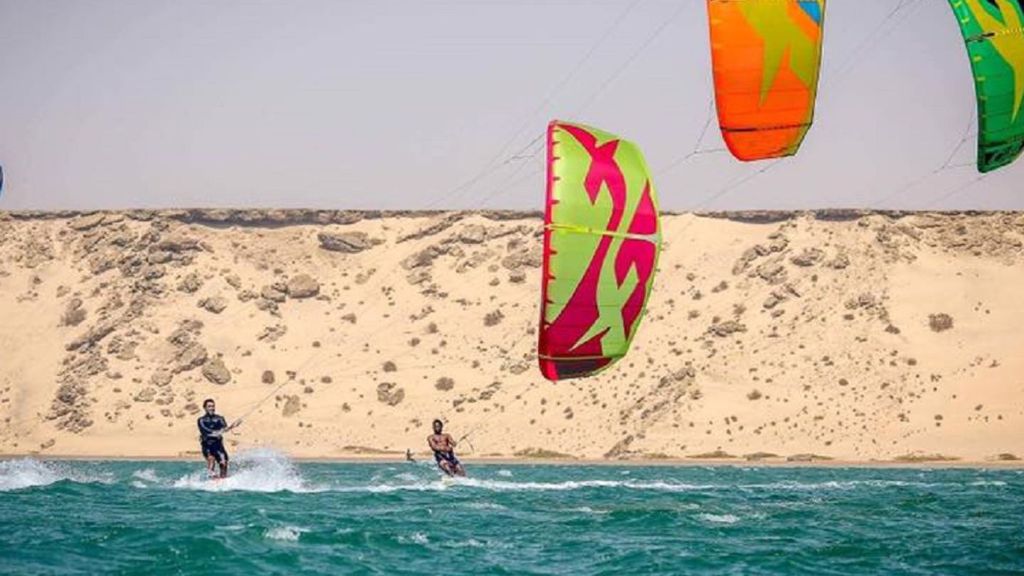
Dakhla’s lagoon creates arguably the world’s most consistent kitesurfing conditions with steady thermal winds blowing three hundred days per year. The flat water and endless space attract riders from beginners to professionals seeking perfect practice conditions without crowds or commercial development overwhelming the experience. This natural playground for water sports becomes more than just athletic venue when you understand how proper nutrition and recovery practices maximize performance in the demanding Saharan climate. The kitesurf culture here integrates seamlessly with Dakhla’s broader adventure wellness approach where physical challenge meets intentional eating and the isolation forces presence that modern life rarely allows.
Why Dakhla is kitesurf paradise
The peninsula’s unique geography creates wind conditions that kitesurf spots around the world struggle to match. The Sahara Desert heating up during the day generates thermal winds that funnel through the narrow land strip separating the Atlantic from the inland lagoon. This temperature differential produces remarkably consistent winds ranging from fifteen to thirty knots throughout most of the year.The lagoon itself stretches for miles with water depth staying between waist and chest height over vast areas. This shallow flat water eliminates the intimidation factor that ocean waves create for learning riders while still providing enough space for advanced tricks and speed runs. The absence of rocks, reefs or other hazards means crashes result in splashing into soft water rather than painful impacts.The isolation that makes Dakhla challenging to reach becomes an asset for kitesurfers. World-class conditions exist without the crowds that plague more accessible spots. You can spend entire sessions without competing for space or worrying about collisions with other riders. This freedom allows focus on progression rather than constant awareness of surroundings.The consistent conditions mean you can plan trips confidently knowing the wind will blow. Unlike spots dependent on specific weather systems or seasonal patterns, Dakhla delivers day after day. This reliability matters enormously for people traveling long distances and limited vacation time. The wind gods smile on Dakhla with rare generosity.
The kitesurf community
An international community of riders has developed in Dakhla drawn by the conditions and staying for the lifestyle. Europeans dominate during winter months escaping cold at home while maintaining their riding through Dakhla’s mild season. The summer heat brings fewer visitors though hardcore locals and digital nomads maintain year-round presence.The community centers around several kitesurf camps and schools scattered along the lagoon. These establishments provide equipment, instruction and accommodation creating micro-villages where riders from different countries mix and share experiences. The camps range from basic to relatively luxurious but all emphasize the riding over fancy amenities.Evening gatherings after sessions create social bonds that extend beyond just talking about kitesurfing. People share meals, swap travel stories and discuss everything from nutrition to philosophy. The isolation and shared passion create intimacy that happens faster than in normal social situations. Lifelong friendships often begin during Dakhla kite trips.The skill level spans from absolute beginners taking their first lessons to sponsored professionals filming video segments. This mixing works because the vast space accommodates everyone without conflicts. Beginners stay in designated areas while advanced riders explore further reaches of the lagoon. The better riders often help newcomers informally, passing along tips and encouragement.Local Moroccan involvement in the kitesurf industry has grown steadily. Many young men from Dakhla now work as instructors, equipment managers and camp staff. This provides employment in an economically challenged region while integrating locals into the international community. The cultural exchange benefits everyone involved.
Nutrition for performance
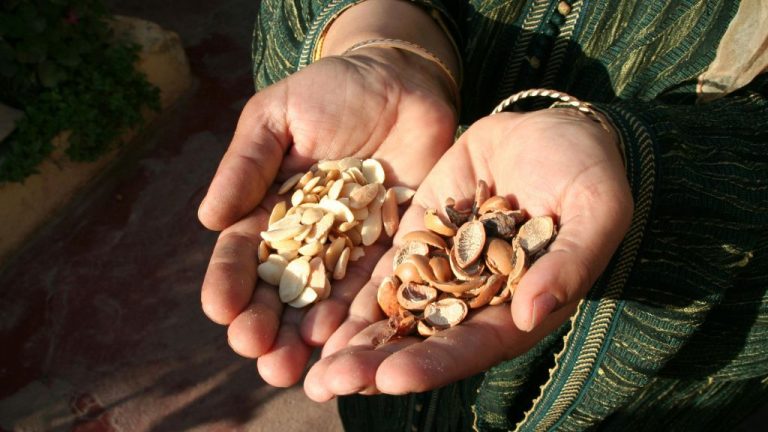
Kitesurfing demands significant energy expenditure combining cardiovascular effort with explosive power for tricks and jumps. Sessions often last three to four hours in strong winds and a full day might include two sessions. Fueling this activity properly makes the difference between progression and exhaustion.Breakfast becomes crucial for morning sessions. The amlou that Berber culture developed for desert conditions works brilliantly as pre-session fuel. The combination of almonds, argan oil and honey provides quick energy from natural sugars plus sustained fuel from healthy fats and protein. Eaten an hour before hitting the water, amlou delivers steady energy throughout long sessions without causing digestive discomfort.Hydration challenges intensify in Dakhla’s climate where the Saharan heat combines with sun reflection off water and wind that masks how much you’re sweating. Dehydration sneaks up on riders focused on their performance. The smart approach involves drinking consistently before, during and after sessions rather than waiting for thirst signals that indicate you’re already behind.The harness pressure on your core during kitesurfing can create digestive issues if you eat heavy meals too close to sessions. Light easily-digested foods work best in the hours before riding. Fresh fruit, simple carbohydrates and lean proteins sit well and provide needed energy. Save heavier tagines and rich meals for evening after you’re done on the water.Recovery nutrition matters as much as pre-session fueling. The ultra-fresh seafood available in Dakhla provides ideal post-session meals. Grilled fish delivers lean protein for muscle repair along with omega-3 fats that reduce inflammation from the physical stress of kitesurfing. The seafood’s nutritional profile matches what elite athletes spend money on supplements trying to achieve.
Physical demands and recovery
The full-body workout that kitesurfing provides exceeds what most gym sessions deliver. Your core muscles work constantly controlling the kite and maintaining board position. Arms and shoulders handle kite control sometimes for hours without break. Legs provide power for jumps and stability during riding. The cardiovascular system works hard maintaining this effort.The explosive movements required for tricks and jumps create muscle damage that needs proper recovery. Without adequate rest and nutrition, performance declines and injury risk increases. Professional riders understand this but casual kiters sometimes push too hard trying to maximize their limited time in Dakhla without respecting recovery needs.Muscle soreness after intense sessions responds well to the same practices that athletes use in any sport. Adequate protein supports tissue repair with the seafood-heavy diet in Dakhla providing excellent sources. Anti-inflammatory foods including the turmeric and cumin common in Moroccan cooking help manage the inflammation that comes from hard training.Sleep becomes more important during intense kitesurf trips. The physical demands plus the often late nights socializing with other riders can create sleep deficits that accumulate. The body repairs and adapts during sleep so skimping here undermines all your efforts on the water. Prioritizing sleep might mean skipping social activities occasionally but the performance benefits justify the sacrifice.Stretching and mobility work prevent the stiffness that develops from repetitive motions and impacts. Taking twenty minutes daily to work on flexibility pays dividends in reduced injury risk and better performance. The yoga that many kiters practice complements the sport perfectly, addressing the mobility and core strength that kitesurfing demands.
Learning to kitesurf in Dakhla
Dakhla offers ideal conditions for learning kitesurfing safely and efficiently. Several reputable schools operate along the lagoon providing instruction in multiple languages. The schools maintain equipment specifically sized for students and follow safety protocols developed over years of teaching thousands of people.The learning progression typically takes three to five days of lessons to reach independent riding. Day one covers kite control on land learning to manage the power without a board. Day two adds body dragging through the water using the kite to pull you while you figure out positioning and power management. Day three introduces the board with attempts at water starts and short rides.The shallow flat water makes learning less intimidating than ocean conditions. When you fall and the frequent crashes are part of learning, you stand up in chest-deep water rather than swimming in deep ocean swells. This safety net allows bolder attempts that accelerate progression. The fear factor that paralyzes some learners in other locations barely registers in Dakhla’s forgiving lagoon.The consistent winds mean lesson time gets maximized without weather cancellations. Schools can schedule with confidence knowing conditions will cooperate. This reliability matters especially for people with limited time who need to complete their course within a specific window. Dakhla delivers where other spots might waste days waiting for rideable conditions.Costs run lower than many famous kitesurf destinations. A complete beginner course with equipment and instruction averages around four hundred dollars for the full progression to independent riding. This includes all gear, insurance and certified instruction. Comparable courses in Tarifa or Maui cost significantly more without necessarily providing better learning conditions.
Advanced riding opportunities
Once you’ve mastered basics, Dakhla offers endless progression opportunities. The flat water allows focus on technical tricks without wave interference. Riders work on rotations, handle passes and other freestyle moves in perfect conditions. The consistency means you can drill specific tricks repeatedly rather than waiting for occasional good days.Speed runs in the lagoon’s open areas let you experience how fast kitesurfing can get. With steady strong wind and flat water, speeds exceeding forty knots become achievable. The thrill of this velocity draws adrenaline seekers who find the speed addictive. The safety of the shallow water means wipeouts at speed are dramatic but rarely dangerous.Downwinders along the coast provide adventure for riders comfortable leaving the lagoon’s safety. These trips cover ten to twenty miles riding with the wind along the shoreline. Support vehicles follow on the beach collecting riders at designated endpoints. The journey aspect appeals to riders wanting more than just park-and-ride sessions. The empty coastline creates feelings of exploration and freedom.Big air sessions happen on windy days when experienced riders launch huge jumps. The kite’s power combined with technique sends riders twenty or thirty feet above the water. Landing these jumps without injury requires skill developed over years but watching others attempt them inspires progression even if you’re not ready for that level yourself.Wave riding opportunities exist outside the lagoon where Atlantic swells create surf breaks. This combines kitesurfing with surfing skills, riding waves while powered by the kite. The discipline differs significantly from flat water riding and appeals to riders with surfing backgrounds. The waves stay manageable compared to heavy ocean breaks making progression accessible.
Equipment considerations
The strong consistent winds in Dakhla allow smaller kite sizes than riders might use in lighter wind locations. Most sessions happen on nine to twelve meter kites depending on rider weight and wind strength. Having the right size matters for performance and safety. Too large in Dakhla’s conditions becomes overpowered and dangerous.The sandy bottom and shallow water mean equipment takes abuse from impacts and dragging. Boards get dinged, fins break and kites occasionally hit bottom during crashes. Accepting this wear as normal prevents obsessing over pristine gear. Functional equipment matters more than cosmetic perfection in Dakhla’s rough-and-tumble environment.Bringing your own equipment makes sense for extended stays but the logistics of transporting kites and boards internationally creates hassles. Many riders rent locally to avoid these headaches. The rental shops maintain current equipment and handle repairs. The convenience often justifies the rental costs especially for shorter trips or riders still figuring out what gear suits them.The Saharan environment creates specific challenges. Sand gets into everything requiring careful cleaning and maintenance. The sun’s intensity degrades equipment faster than milder climates. Gear left exposed deteriorates quickly. Proper storage in shade and regular rinsing with fresh water extends equipment life significantly.Harnesses take particular beating from the demands of multi-hour sessions day after day. The waist harnesses most riders prefer require proper fit to prevent discomfort and potential injury. Taking time to adjust fit properly before sessions prevents problems. Some riders bring backup harnesses knowing the stress they’ll put on equipment during extended Dakhla trips.
Safety practices
Despite the ideal conditions, kitesurfing remains an extreme sport requiring respect for inherent risks. The power in the kite can cause serious injury if mismanaged. Even in Dakhla’s forgiving environment, riders get hurt through inattention or pushing beyond their skill level. Understanding and following safety protocols prevents most accidents.The schools and camps emphasize safety in their instruction and operations. Students learn self-rescue techniques for situations where equipment fails or wind dies unexpectedly. Knowing how to get back to shore without relying on rescue demonstrates competence and reduces risk. Most serious riders review self-rescue periodically even after years of experience.Wind forecasting helps plan sessions for appropriate conditions. Apps and websites provide detailed predictions for Dakhla allowing riders to choose their timing. Beginners should avoid the windiest days when control becomes difficult. Advanced riders might seek out stronger winds but even experts have limits where conditions become more dangerous than fun.Awareness of other riders and users sharing the water prevents collisions. The right-of-way rules that govern kitesurfing exist for good reason. Following these conventions creates order in what could otherwise become chaos when dozens of riders share the same area. Most accidents involve collisions that proper awareness would prevent.Equipment checks before each session catch problems before they cause accidents. Lines can fray, connections can loosen and kites can develop tears. Taking five minutes to inspect everything thoroughly prevents failures on the water. Many experienced riders check their gear obsessively having learned through close calls that prevention beats dealing with problems offshore.
The mental game
Kitesurfing demands mental focus that approaches meditation when you’re fully engaged. The constant attention required to manage the kite, read the water and execute maneuvers leaves no space for the mental chatter that normally fills consciousness. This forced presence creates the flow states that people seek through formal meditation practice.The progression in kitesurfing involves constant small failures and adjustments. Learning to attempt tricks knowing you’ll crash repeatedly before success requires comfort with temporary failure. This builds resilience that extends beyond the sport. The mental toughness developed on the water transfers to other challenging situations life presents.Fear management becomes essential for advancement. Every rider faces moments of genuine fear whether learning new moves or handling surprisingly strong conditions. Working through these fears rather than being paralyzed by them builds confidence. The sport teaches you to assess risk realistically and push boundaries gradually rather than recklessly.The social aspects of kitesurfing in Dakhla support the mental health benefits. The community provides encouragement, advice and shared excitement over progression. Having people who understand what you’re working on and celebrate your successes makes the journey more enjoyable. The friendships formed create support networks that often persist long after leaving Dakhla.
Seasonal considerations
While wind blows year-round in Dakhla, the seasons create different experiences. Winter months from November through March bring milder temperatures and the largest crowds. European kiters escape their cold weather seeking sun and wind. The camps fill up and the lagoon sees more traffic. Booking ahead becomes necessary during peak months.Spring and fall shoulder seasons offer sweet spots of good wind, moderate temperatures and fewer crowds. These months provide excellent value for riders who can travel outside peak times. The camps offer deals and the lagoon feels less busy. The weather stays pleasant without summer’s extreme heat.Summer brings the lowest tourist numbers due to intense heat. Daytime temperatures regularly exceed forty degrees Celsius making midday sessions brutal. However, the wind continues and dedicated riders can find excellent conditions in early morning or late afternoon sessions. The empty camps and beaches create feelings of having the place to yourself.The temperature swings between seasons affect what you’ll wear on the water. Winter requires wetsuits while summer allows board shorts and rash guards. Spring and fall often need shorty wetsuits or spring suits providing some warmth without overheating. Checking seasonal temperature averages helps you pack appropriate gear for your travel dates.
Beyond kitesurfing
While kitesurfing draws most visitors to Dakhla, the area offers other activities for rest days or non-riding companions. The stark beauty of the desert landscape appeals to photographers and nature lovers. Flamingos and other birds frequent the lagoon creating opportunities for wildlife observation between sessions.The town itself remains authentically Moroccan without the tourist development that changes places like Marrakech. Walking the streets reveals daily life continuing much as it has for decades. The markets sell to locals primarily with visitors being secondary customers. This authenticity provides cultural experiences that complement the sport-focused aspects of most Dakhla trips.Fishing trips into the Atlantic can be arranged through local operators. The waters beyond the peninsula hold tuna, dorado and other gamefish. Taking a day to fish provides different perspectives on Dakhla’s marine resources. The fresh-caught fish usually gets grilled immediately by the boat crew creating meals as good as any restaurant serves.Sunset sessions on the water create magical moments when the riding combines with incredible light. The desert landscape glows orange and pink while you carve across the lagoon. These sessions often become trip highlights remembered long after specific tricks or speeds fade from memory. The beauty of the environment matters as much as the athletic achievements.For riders wanting to understand how the ultra-fresh seafood fueling their Dakhla sessions reaches their plates and why the fish market here operates on the shortest supply chain imaginable, exploring the boat-to-plate freshness and selection techniques reveals how remoteness becomes an advantage rather than limitation when it comes to accessing nutrition that supports peak athletic performance in demanding conditions.