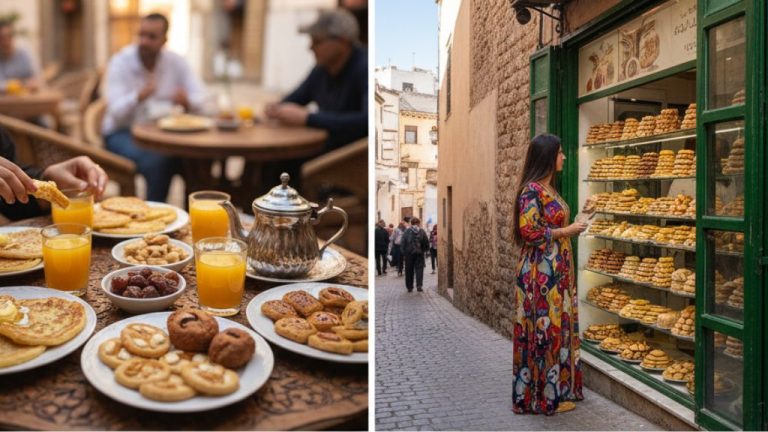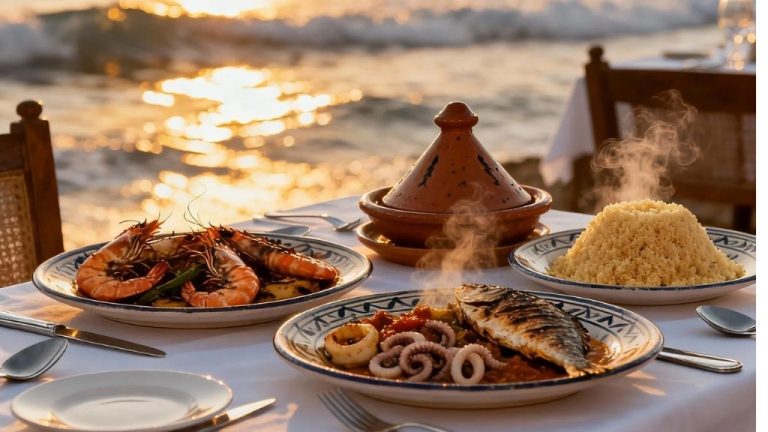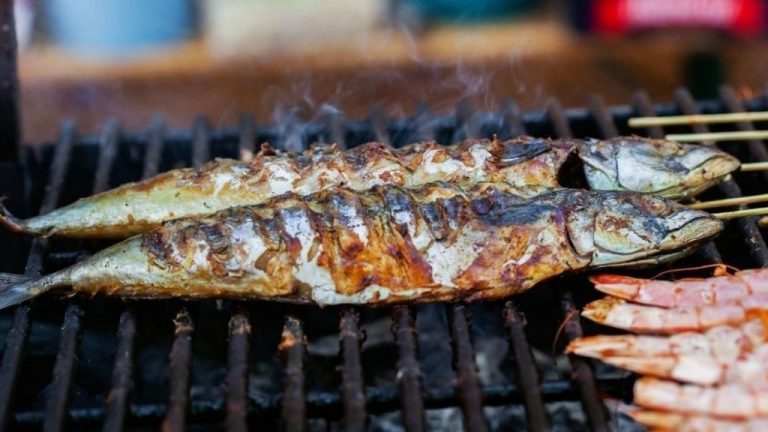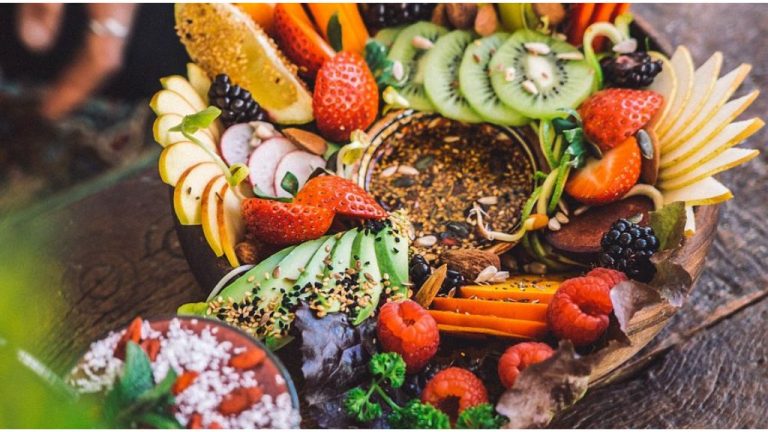

Berber communities thriving in the Sahara for centuries developed food traditions that maximize nutrition and hydration in the planet’s harshest environments. These practices reflect accumulated wisdom about which foods sustain energy during extreme heat, how to preserve ingredients without refrigeration and which preparations optimize nutrient absorption when resources are scarce. The techniques might seem simple but they contain sophisticated understanding of nutrition that modern science is only beginning to validate. This traditional knowledge becomes particularly relevant in Dakhla where desert meets ocean and understanding how Saharan food wisdom applies to coastal living reveals connections between environment and eating that extend far beyond this remote peninsula.
Desert survival through food
The Sahara Desert presents challenges that eliminate the unprepared. Temperatures exceeding fifty degrees Celsius during summer, near-freezing nights in winter and extreme scarcity of water create conditions where food choices directly impact survival. Berber communities learned through generations which foods provide maximum nutrition with minimum water requirements and how to obtain adequate calories when resources appear nonexistent.Water conservation drives many food traditions since hydration determines life or death in the desert. Foods with high water content get valued enormously when fresh but the scarcity means preservation techniques dominate the cuisine. Dried fruits, grains and preserved proteins allow food storage without refrigeration that would be impossible in humid climates where mold destroys everything.The nomadic lifestyle of many Berber groups required portable nutrition that could survive desert conditions while traveling between oases. This need shaped food traditions toward dried compact items that pack maximum nutrition into minimum weight and volume. Modern backpackers trying to optimize their food systems are reinventing principles Berber nomads perfected centuries ago.Energy density matters when you’re walking across sand dunes or working in extreme heat. The traditional foods provide concentrated calories from dates, nuts and animal fats that fuel sustained physical effort. The high-fat content that modern nutritionists sometimes warn against becomes essential when you’re burning enormous energy in harsh conditions. Context changes nutritional requirements completely.The seasonal scarcity that defines desert life created feast and famine cycles where communities ate abundantly when resources allowed and practiced forced intermittent fasting during lean times. This pattern matches what many wellness seekers now adopt intentionally. Berbers didn’t choose it but adapted to make scarcity work in their favor rather than against them.
Dates as foundation
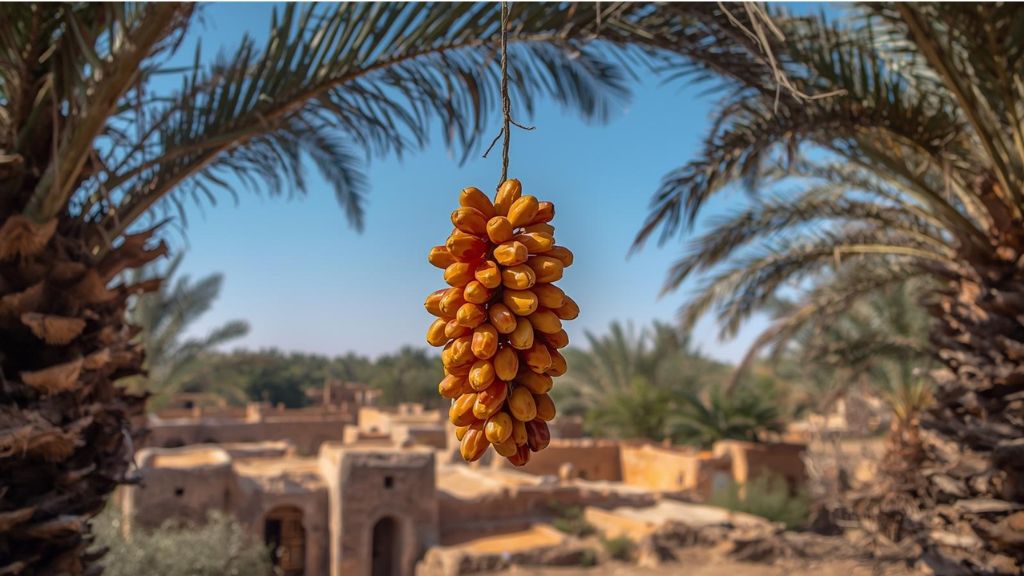
Dates dominate Saharan food culture providing sugar, fiber and micronutrients in a package that stores for months without degrading. The fruit grows in oases where underground water allows palm cultivation despite surface desert conditions. These oases function as lifelines for Berber communities and the date harvest determines prosperity or hardship for the coming year.The natural sugar concentration in dates delivers quick energy that revives exhausted travelers or workers. The glucose and fructose absorb rapidly providing fuel when you need it most. Modern energy gels and sports drinks try to replicate what dates offer naturally without processing or additives. A handful of dates before physical exertion works as well as expensive engineered products.The fiber in dates slows sugar absorption preventing the crashes that come from pure sugar consumption. This creates sustained energy rather than spikes and drops. The combination of quick and slow energy makes dates ideal for both immediate fuel and longer endurance. Berber travelers relied on this balance during long desert crossings.Dates provide potassium that helps prevent the muscle cramps that dehydration can trigger. The mineral content also includes magnesium, copper and manganese supporting various bodily functions. When fresh fruits and vegetables are scarce, dates supply micronutrients that would otherwise be difficult to obtain. One date variety or another fruits throughout the year in different oases ensuring constant availability.The preservation characteristics of dates allow stockpiling that buffers against crop failures or other disruptions. Properly stored dates last a year or more maintaining their nutritional value. This storage capacity meant Berber families could survive difficult periods by living on preserved dates supplemented with whatever else they could obtain. The reliability of dates as backup food created food security that more perishable items couldn’t provide.
Couscous and grain preparations
Couscous appears at nearly every significant Berber meal serving as foundation for the other components. The tiny pasta made from semolina flour provides carbohydrates that fuel activity while the preparation methods create textural variety that makes meals more satisfying. The versatility of couscous allows it to work with whatever proteins or vegetables are available rather than requiring specific accompaniments.The traditional steaming method for couscous takes time but produces superior results compared to quick-cook versions. The slow steaming over a simmering stew allows aromatic steam to penetrate the grains while keeping them light and fluffy. This technique maximizes flavor while maintaining the couscous texture that makes it pleasant to eat even in hot weather when heavy foods become unappealing.The stews served with couscous vary based on what’s available but always include preserved lemons or other acidic elements that aid digestion. The combination of grain and protein creates complete nutrition while the slow cooking breaks down tough plant fibers and collagen in meat making everything more digestible. The one-pot cooking also conserves fuel which matters enormously in environments where wood or other cooking fuel is scarce.Barley appears in some regions as an alternative grain particularly in mountain areas where it grows better than wheat. The heartier grain provides more fiber and slightly different nutritional profile than wheat-based couscous. The preparation methods adapt to barley’s different characteristics while maintaining similar serving styles. This flexibility shows how Berber cooking adjusts to available resources rather than demanding specific ingredients.Bread-making in the Sahara uses techniques adapted to limited fuel and equipment. The flat breads get cooked quickly over fires or on hot stones rather than requiring sustained oven heat. The thin profile allows thorough cooking without long heating times. These breads provide portable carbohydrates that travel well and complement the preserved proteins and dried fruits that make up mobile provisions.
Preserved proteins
Fresh meat availability fluctuates wildly in desert environments making preservation essential. The traditional khlii involves cooking meat slowly in its own fat then packing it in rendered fat for storage. This confit-style preparation preserves meat for months without refrigeration. The high fat content that modern sensibilities might question actually provides critical calories and fat-soluble vitamins that desert dwellers need.The salting and drying of meat creates jerky-style products that pack concentrated protein into lightweight portable form. The drying happens naturally in the desert’s dry air without requiring special equipment. These preserved meats provide emergency rations that travelers carry knowing they won’t spoil even in extreme heat. The saltiness encourages drinking which helps prevent dehydration.Fish gets dried and salted in coastal areas like Dakhla where Saharan traditions meet Atlantic abundance. The dried fish travels inland providing protein to communities far from the ocean. This trade network connected coastal and interior Berber groups creating economic and cultural exchange. The preserved fish introduced marine nutrients including iodine and omega-3s to desert diets that might otherwise lack them.Eggs get preserved in lime or salt allowing storage beyond their normal brief freshness. These preservation techniques seem almost magical in their ability to extend the life of highly perishable foods. The chemistry involved works reliably despite the practitioners not understanding the science. Observation and experimentation over generations created effective methods that modern chemistry later explained.
Hydration strategies
Water scarcity shapes every aspect of Saharan life including how Berber communities hydrate. The traditional approach emphasizes sipping small amounts frequently rather than drinking large quantities at once. This pattern maintains hydration more efficiently than the gulping that many Westerners practice. The small frequent sips allow better absorption without overwhelming the digestive system.Mint tea serves dual purposes providing both hydration and the social rituals that bind communities together. The hot tea in extreme heat seems counterintuitive but the warmth actually triggers cooling responses in the body while the liquid provides needed hydration. The sugar in traditional tea provides quick energy though the amount used would horrify modern nutritionists worried about sugar consumption.Foods with high water content get consumed eagerly when available. Melons, cucumbers and other juicy produce provide both hydration and nutrition. The Berber appreciation for these foods reflects their scarcity and value. When you understand water as the limiting factor for life, foods containing it become treasures beyond their nutritional content alone.Milk from camels, goats or sheep provides both nutrition and hydration in a package that keeps better than water in some situations. The fermented milk products like lben last even longer while providing probiotics that support gut health. These traditional fermented foods deliver benefits that Western culture is rediscovering through the trendy probiotic movement.The careful rationing of water during desert travel shows sophisticated understanding of how to extend limited supplies while maintaining health. Berber guides know exactly how much water each person needs based on conditions and physical exertion. This knowledge developed through harsh lessons when errors meant death. The precision rivals modern hydration science but comes from practical experience rather than laboratory research.
Spices and medicinal plants
The spices common in Berber cooking serve medicinal purposes beyond just flavoring food. Cumin aids digestion and helps prevent the bloating that can occur from dried foods and preserved proteins. The carminative properties reduce gas formation making meals more comfortable in conditions where digestive issues could become serious problems.Turmeric appears in many dishes providing anti-inflammatory benefits that help with the joint stress that comes from desert travel and hard physical work. The golden spice also has antimicrobial properties that may help preserve food and protect against illness. Modern research validates what traditional use suggested about turmeric’s health benefits.Black pepper enhances the absorption of other beneficial compounds including the curcumin in turmeric. Berber cooks learned that combining certain spices produced better results than using them separately. This food synergy matches what nutritional science now documents about how certain nutrients work together more effectively than in isolation.Wild herbs collected from the desert provide concentrated nutrition and medicinal compounds. These plants survive in extreme conditions by producing protective compounds that also benefit human health. The bitterness that many wild plants contain stimulates digestion and supports liver function. Berber knowledge of which plants to gather and how to prepare them represents botanical expertise developed over countless generations.The use of honey as both food and medicine reflects understanding of its antimicrobial and wound-healing properties. Desert honey from bees feeding on wild desert flowers contains compounds that differ from honey produced in agricultural areas. The scarcity and effort required to obtain wild honey made it precious but the therapeutic value justified the difficulty.
Adapting to seasons
The Saharan climate creates extreme seasonal variations despite the consistently dry conditions. Summer heat makes eating heavy foods unpleasant and dangerous. The traditional response involves lighter meals based on available fresh produce from oases supplemented with dried goods. The eating patterns shift toward smaller frequent meals rather than large heavy dinners.Winter cold in the desert surprises people expecting year-round heat. Temperatures can drop near freezing at night making warm hearty meals essential. The tagines and stews that feel too heavy in summer become perfect winter fare. The seasonal adaptation shows flexibility rather than rigid adherence to specific dishes regardless of conditions.The spring harvest brings temporary abundance as oasis gardens produce fresh vegetables and fruits after winter dormancy. Communities feast during this plenty knowing scarcity will return. This gorging when food is available builds body reserves for leaner times. The practice matches intermittent feasting protocols that modern biohackers experiment with.Fall preparation involves preserving summer’s harvest for winter consumption. Drying, salting and other preservation techniques get employed intensively during this period. The work creates food security through the coming year. Communities that preserve well eat better during difficult seasons while those who don’t face hardship.
Communal eating and sharing
Berber food culture emphasizes communal eating from shared platters rather than individual portions. This practice reinforces social bonds while also serving practical purposes. Sharing from one dish means less cookware to carry for nomadic groups and more efficient use of limited cooking fuel. The social benefits of communal eating matter as much as these practical considerations.The hierarchical aspects of traditional Berber meals might seem strange to modern sensibilities but they served important functions. Elders and guests eat first receiving the best portions. This ensures the most vulnerable people get adequate nutrition while also showing respect. The practice builds social cohesion through clearly defined roles and expectations.The obligation to share food with travelers created safety nets in dangerous environments. Knowing that any Berber tent would offer hospitality meant travelers could cross the desert with confidence. This tradition continues today with Berber families welcoming strangers with tea and food even when resources are limited. The cultural value placed on generosity transcends economic considerations.The feasting during celebrations creates community bonds while also serving as distributed food storage. Rather than trying to preserve surplus from good harvests, communities consume it together during festivals and celebrations. This converts food into social capital and memories rather than trying to store it indefinitely. The approach makes sense in contexts where long-term preservation has limits.
Lessons for modern wellness
The Saharan Berber approach to food offers lessons applicable far beyond the desert. The emphasis on whole unprocessed foods in their natural forms matches what modern nutritional science recommends. The reliance on preservation techniques like drying and fermenting creates shelf-stable nutrition without the chemicals and processing that characterize modern preserved foods.The acceptance of seasonal scarcity and abundance rather than expecting year-round availability of everything reflects more sustainable approach to eating. Fighting against natural cycles requires enormous energy and resources. Working with them instead reduces environmental impact while often producing better nutrition since foods get consumed at their peak.The community orientation around food combats the isolation and individualism that characterizes much modern eating. Sharing meals strengthens relationships and creates support networks that benefit mental and physical health. The wellness benefits extend beyond just nutrition into social and emotional dimensions that matter equally for overall health.The resourcefulness and adaptability that Berber food culture demonstrates provides models for resilience. Knowing how to eat well with limited resources and challenging conditions builds capability that serves you anywhere. The opposite approach of depending on elaborate infrastructure and unlimited variety creates vulnerability when those systems fail.
Applying desert wisdom in Dakhla
Dakhla’s position where Sahara meets Atlantic creates unique opportunities to experience both Berber desert traditions and coastal seafood abundance. The traditional knowledge about preservation and resourcefulness applies to the seafood just as it does to desert foods. The drying and salting techniques work on fish as well as meat.The date palms growing in Dakhla’s limited oases produce the same fruit that sustains interior desert communities. The coastal version of Berber culture maintains connections to their desert roots while also incorporating marine resources. This fusion creates distinctive food traditions that honor both environments.The wind that makes Dakhla perfect for kitesurfing reflects the same desert thermal patterns that shape Saharan climate. The environmental forces connecting Dakhla to the broader Sahara influence food culture in subtle ways. Understanding these connections enriches your appreciation for the place and its cuisine.The resilience and adaptability that Saharan conditions demanded from Berber communities shows up in how Dakhla residents handle their own challenging environment. The remote location and harsh conditions could create hardship but instead produce resourcefulness and appreciation for what’s available. This mindset shift from scarcity to sufficiency matters as much as any specific food tradition.
For those wanting to see how these Saharan food traditions translate into daily practice in Dakhla’s unique desert-ocean environment, exploring the fish market where ultra-fresh Atlantic catch meets Berber preservation knowledge reveals how traditional wisdom adapts to new contexts while maintaining its core principles about maximizing nutrition and honoring the environment that provides sustenance.