
The Dakhla fish market operates on the most direct supply chain imaginable with fishing boats docking beside vendor stalls and unloading catches that were swimming in Atlantic waters hours earlier. This immediacy creates opportunities for nutrition and flavor that longer distribution systems can never replicate regardless of how carefully they handle transport and storage. The market reflects Dakhla’s isolation in the best possible way, forcing reliance on ultra-local sourcing that happens to produce superior results compared to industrial food networks. Learning to navigate this market and select quality seafood connects you to Dakhla’s adventure wellness culture where remoteness becomes advantage rather than limitation when it comes to accessing genuine freshness.
The market geography
The fish market sits directly adjacent to the small commercial port where Dakhla’s fishing fleet anchors. The proximity means zero distance between where boats unload and where consumers buy. This physical closeness creates the ultra-short supply chain that defines the market’s character. Walking from boat to vendor stall takes thirty seconds covering maybe fifty meters.The market structure remains basic with concrete tables arranged under metal roof providing shade from the relentless sun. No refrigeration exists beyond the ice that vendors pile around their fish. The simplicity works because turnover happens so quickly that fish sells within hours of arriving. The lack of elaborate infrastructure keeps costs low and maintains focus on the product rather than presentation.The small scale compared to markets in Agadir or Essaouira reflects Dakhla’s population and isolation. Maybe twenty vendors operate on busy days when the fleet has had good catches. Slow days might see only a handful of sellers with limited selection. This variability means accepting what’s available rather than expecting consistent inventory like a supermarket provides.The dirt and fish smell that characterize working markets might put off people accustomed to sanitized grocery stores. However, the apparent chaos conceals efficient systems where buyers and sellers understand each other perfectly. The lack of pretension ensures focus stays on fish quality rather than aesthetics or marketing. This authenticity appeals to people seeking real food experiences.
Fishing fleet and catch
Dakhla’s fishing boats range from small wooden vessels operated by one or two people to larger commercial boats with crews of five or six. The fleet targets species abundant in the Atlantic waters off the Saharan coast where cold currents from the south meet warmer water creating productive fishing grounds. The diversity of boats means variety in the catch with different vessels pursuing different species.The artisanal fishermen using smaller boats focus on near-shore species including sea bass, bream and various small fish. These boats typically return daily meaning their catch reaches market incredibly fresh. The traditional methods using lines or small nets create less environmental impact than industrial trawling while providing livelihoods for local families.Larger boats venture further offshore targeting tuna, swordfish and other pelagic species. These trips might last several days meaning the fish they bring back isn’t quite as fresh as the daily boats deliver. However, the proper icing and handling on these vessels maintains quality well. The variety they provide enriches the market’s offerings beyond just near-shore species.Octopus divers work the rocky areas collecting specimens that command premium prices. The physically demanding work of free diving in cold water limits how much each diver can collect. This scarcity plus the labor involved makes octopus expensive but the quality justifies the cost. Watching divers arrive with their catches demonstrates the effort behind what seems like simple food.Seasonal patterns affect what appears at market with certain species abundant during specific months while scarce at other times. Spring brings migrations that increase variety and volume. Summer heat can reduce fishing activity during the hottest hours though boats still work mornings and evenings. Winter storms occasionally keep the fleet in port creating temporary shortages.
Species you’ll find
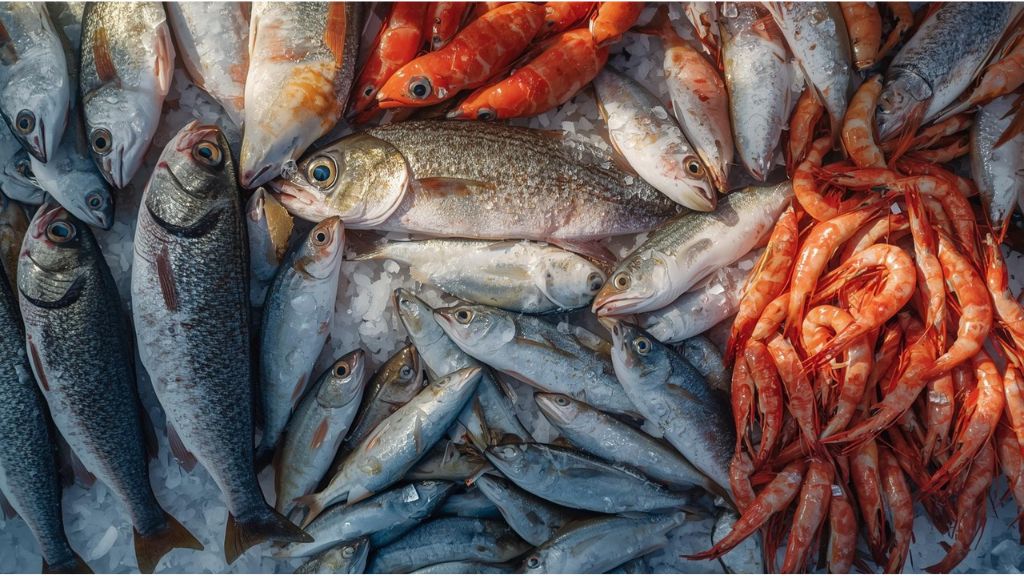
Sea bass shows up consistently as one of the most sought-after species. The white flaky flesh works beautifully for grilling or baking. The fish typically run one to three pounds providing perfect portion sizes. The flavor stays mild making sea bass accessible to people who claim not to like fish. Look for clear eyes and firm flesh when selecting specimens. Sardines appear in huge quantities when schools are running near shore. These small oily fish pack enormous nutrition including omega-3 fatty acids and calcium from their soft edible bones. The abundance keeps prices incredibly low making sardines the most economical protein source available. Fresh sardines taste completely different from canned versions most Americans know, revealing why Mediterranean cultures value them highly.Dorado or mahi-mahi arrives periodically when boats venture into deeper water where these colorful fish hunt. The firm texture and rich flavor make dorado a favorite for grilling. The fish can reach impressive sizes with specimens over twenty pounds appearing occasionally. The vibrant colors fade quickly after death so bright colors indicate very recent catch. Sole and other flatfish require more skill to fillet but reward the effort with delicate sweet flesh. These species hide on sandy bottoms making them harder to catch and less abundant at market. When available they command higher prices than similar-sized round fish. The quality in Dakhla matches sole from famous European fisheries.Tuna appears when boats have successful offshore trips. The dense meaty flesh appeals to people who prefer substantial texture in their fish. Fresh tuna bears little resemblance to the canned product with its deep red color and clean taste. The quality allows eating tuna raw as sashimi if you’re confident in the freshness and handling.Shrimp and prawns show up irregularly depending on what boats encounter during their trips. The sizes vary from tiny to jumbo with prices reflecting size and scarcity. Fresh shrimp need minimal preparation, just quick grilling or sautéing to avoid overcooking that turns them rubbery. The sweet flavor when truly fresh exceeds frozen shrimp dramatically.
Evaluating freshness
The eyes reveal enormous information about fish freshness. Clear bright eyes that look almost alive indicate recent catch. Cloudy or sunken eyes suggest the fish has been sitting too long. This rule applies to whole fish where you can examine eyes but obviously doesn’t help with fillets. Trust vendors with consistently good eye clarity on their whole fish.Press the flesh gently with your finger. Fresh fish springs back immediately without leaving indentation. Soft flesh that holds the finger impression indicates aging fish where the tissues are breaking down. This test works on both whole fish and fillets though whole fish generally offers more reliable indicators of freshness.The smell test matters despite claims that fresh fish doesn’t smell fishy. Good fresh fish should smell like clean ocean water with a slight mineral note. Any ammonia scent or strong fishiness indicates deterioration. Don’t be shy about smelling fish before purchase. Vendors selling quality product welcome the scrutiny while those with sketchy fish try to discourage close inspection.Gills should be bright red or pink on fresh fish. Brown or gray gills indicate aging. Lift the gill cover and check the color directly. The gill tissue degrades quickly after death making this one of the most reliable freshness indicators. Fish with good gill color almost certainly arrived recently.The slime coat on fish should be clear and not excessive. A thin clear layer is normal and actually protects the fish. Thick cloudy slime suggests bacterial growth. The texture of the slime matters too with fresh fish feeling slippery but not sticky while old fish develops tackiness.
Negotiating and purchasing
Prices at Dakhla’s fish market operate more flexibly than in Agadir or larger cities. The smaller scale and local customer base means vendors know their regular buyers and adjust prices accordingly. Tourists might face slightly higher starting prices but nothing like the aggressive overcharging in some tourist markets. Respectful interaction gets you fair prices even as an obvious visitor.Buying larger quantities opens negotiation possibilities. If you’re purchasing several kilos or multiple whole fish, asking for a discount makes sense. The vendor might reduce the total by ten or fifteen percent especially late in the day when they want to move inventory. Keep negotiations friendly and accept refusals gracefully rather than haggling aggressively.Cash remains essential since card payments don’t exist. Small bills help since vendors may lack change for large denominations early in the morning. Bringing exact change when possible speeds transactions and prevents the awkward moments when vendors claim they can’t make change hoping you’ll accept whatever they hand back.Building relationships with specific vendors creates benefits over multiple visits. Return to vendors who sold you good fish and they’ll start setting aside prime specimens when they see you coming. This relationship approach works better than shopping around for the absolute cheapest price at different stalls. The quality and service from a trusted vendor justify paying slightly more.
Preparation and cleaning
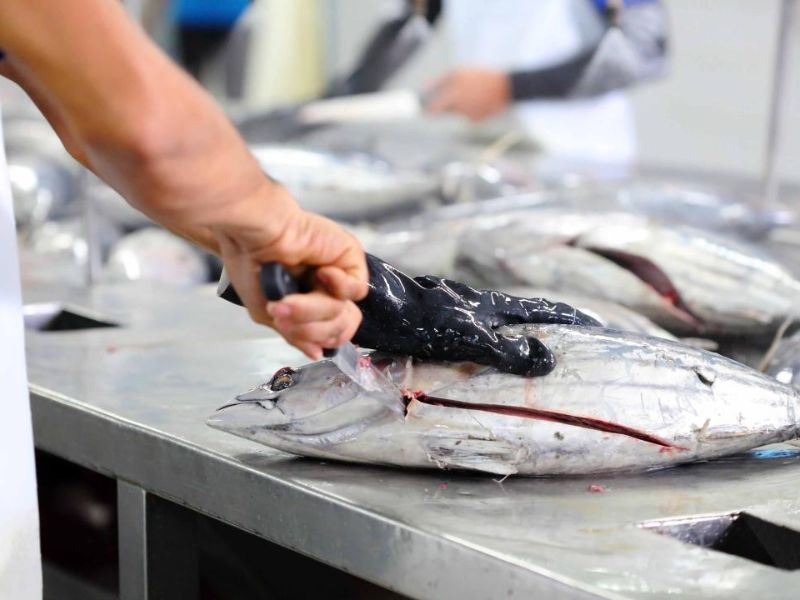
Most vendors will clean and gut whole fish if you request it. This service typically comes free or costs a trivial amount. The vendors work much faster than you could manage in a riad kitchen and have the proper tools. Specify whether you want the head left on or removed based on your cooking plans and personal preferences.Scaling fish creates mess that you probably want to avoid in your temporary kitchen. Ask vendors to scale fish during the cleaning process. They perform this task quickly over containers that catch the scales. Attempting it yourself without proper setup results in scales everywhere requiring extensive cleanup.Filleting requires more skill and many vendors charge a small fee for this service. Watch how they work if you want to learn the technique. The rapid confident knife work comes from experience that can’t be rushed. For visitors without filleting skills, paying for the service makes sense even though it adds to the cost.Some fish like sardines need minimal preparation beyond gutting. The small size means they cook quickly whole without requiring scaling or filleting. Learning to eat around the bones becomes part of the experience. The edible bones actually provide calcium though you can avoid them if the texture bothers you.
Cooking recommendations
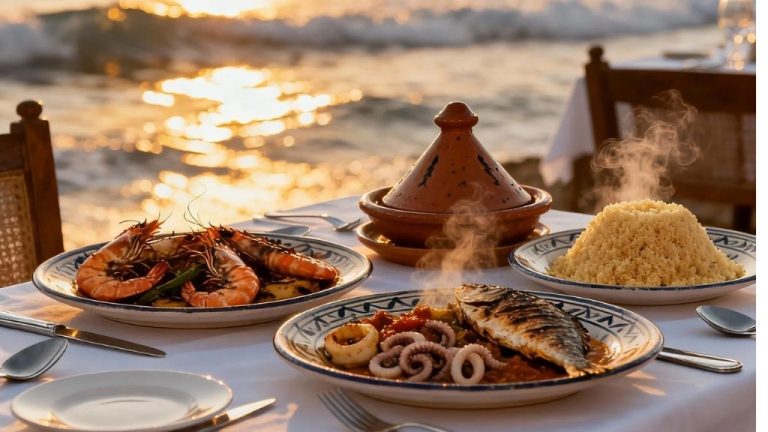
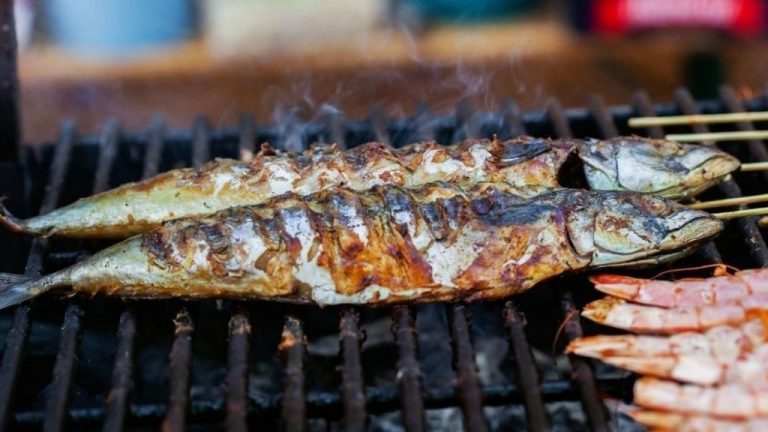
The ultra-fresh fish from Dakhla’s market deserves simple preparations that showcase rather than mask quality. Grilling whole fish over charcoal with just olive oil, salt and lemon produces results that elaborate sauces couldn’t improve. The charcoal adds subtle smokiness while the fish flavor dominates. This simplicity represents coastal cooking at its finest.Pan-searing fillets in a very hot skillet with minimal oil creates crispy exteriors and tender interiors in minutes. Season simply with salt and pepper letting the fish speak for itself. The technique works for any firm-fleshed species and produces restaurant-quality results with minimal effort or equipment.Baking whole fish stuffed with herbs and lemon slices delivers moist perfectly cooked fish without needing to watch it constantly. The oven’s even heat ensures cooking through without drying out. This method works well when cooking for multiple people since you can fit several fish in the oven simultaneously.Raw preparations become possible with fish this fresh. Simple ceviche using lemon juice, cilantro, onion and chili creates amazing results with quality fish. The acid in citrus juice cures the fish while the aromatics add complexity. This cold preparation appeals during Dakhla’s hot weather when cooking seems unappealing.Fish stews or tagines work beautifully using less expensive species or smaller fish. The slow cooking breaks down bones and extracts maximum flavor while the sauce becomes enriched with fish essence. These preparations make efficient use of more modest catches while creating deeply satisfying meals.
Storage and handling
Get your fish purchase back to refrigeration immediately. The Saharan heat accelerates degradation dramatically compared to cooler climates. If you’re staying somewhere with a kitchen, head directly there after the market. Consider bringing an insulated bag if you plan other errands before going home.Rinse fish under cold water when you arrive and pat completely dry with paper towels. Moisture promotes bacterial growth so removing surface water helps preserve quality. Store fish in the coldest part of your refrigerator covered loosely rather than wrapped tightly in plastic which can trap moisture and accelerate spoilage.Cook fish the same day you purchase it whenever possible. Even with the extreme freshness at Dakhla’s market, fish quality declines daily once out of the water. The second day might still be acceptable but the third day pushes limits. The whole point of this market is accessing peak freshness so don’t undermine that advantage by delaying cooking.Freezing works if you bought more than you can eat fresh though some quality loss is inevitable. Wrap portions individually in plastic wrap then place in freezer bags pressing out air. Frozen fish lasts about three months. Thaw in the refrigerator overnight rather than at room temperature to minimize texture changes.
Market timing and rhythm
The market sees most activity in the morning after boats return from overnight or early morning fishing. Arriving between eight and ten gives you best selection with fish at peak freshness. The energy level is high with vendors arranging catches and customers selecting their purchases. This morning rush represents the market at its most dynamic.Midday slows down as the best fish sells and the heat becomes oppressive. Vendors might pack up or reduce their offerings if they’ve moved most inventory. Shopping midday means limited selection though what remains is usually still good quality since the turnover happens so quickly. Prices might drop slightly as vendors try to clear remaining stock.Late afternoon sometimes brings a second wave of activity if boats that went out early return with afternoon catches. This happens less predictably than the morning market but can offer opportunities for very fresh fish. Ask vendors whether afternoon boats are expected if you’re planning shopping timing around this possibility.The market operates daily except during extreme weather when boats can’t safely go out. Having backup meal plans makes sense since fish availability can’t be guaranteed absolutely. The irregularity is part of the charm reflecting the realities of fishing rather than the artificial consistency of supermarket supply chains.
Beyond just buying fish
Spending time at the market beyond just purchasing fish teaches you about Dakhla’s maritime culture. Watching boats unload shows the physical work behind what seems like simple food. The fishermen’s weathered hands and faces reflect years of hard labor in challenging conditions. This connection to the source adds meaning to your meals.The social interactions at the market reveal community dynamics as neighbors chat while shopping and vendors joke with regular customers. The market functions as social hub not just commercial venue. Observing these interactions provides cultural insights that tourist attractions can’t match. The authenticity of the scene makes it memorable.Photography opportunities abound though you should ask permission before photographing people directly. The colorful fish, weathered boats and working fishermen create compelling subjects. The early morning light especially creates beautiful conditions for photography. Respect people’s wishes if they prefer not to be photographed.The skills you develop selecting and preparing fresh fish transfer back home. Learning to evaluate quality by appearance and smell makes you a better shopper anywhere. Understanding how to handle and cook ultra-fresh fish raises your standards and capabilities. These practical skills provide lasting value beyond the immediate Dakhla experience.
Environmental awareness
The small-scale fishing practices in Dakhla create less environmental damage than industrial trawling operations. The traditional methods using lines and small nets allow selectivity avoiding bycatch of non-target species. This sustainability matters for preserving fish populations and marine ecosystems. Supporting local small-scale fisheries through your purchases encourages these better practices.Overfishing remains a concern even in remote areas like Dakhla. Asking vendors about which species are abundant versus scarce helps you make informed choices. Choosing plentiful species over those showing signs of depletion supports sustainable harvests. Your purchasing decisions send signals about what fishing practices you want to encourage.The lack of refrigeration and minimal processing at Dakhla’s market actually reduces environmental impact compared to cold chain distribution systems. The energy required to transport fish thousands of miles and keep them cold the entire journey is substantial. Eating locally caught fish eliminates these impacts while providing superior freshness.Plastic use at the market stays minimal with fish often wrapped in paper or placed directly in your bag. This low-waste approach contrasts sharply with supermarket fish wrapped in multiple layers of plastic and Styrofoam. The traditional methods prove that packaging isn’t necessary when turnover happens quickly.
The complete experience
Visiting Dakhla’s fish market transcends just buying ingredients for dinner. The experience connects you to oceanic abundance, traditional livelihoods and a food system operating much as it has for generations. The directness and simplicity provide perspective on how disconnected most modern food systems have become from their sources.The market embodies principles that wellness culture tries to recreate through elaborate means. Ultra-local sourcing, seasonal eating, minimal processing and direct producer relationships all happen naturally here without needing to be programmed.The authenticity can’t be manufactured in farmers markets or specialty stores trying to approximate these qualities.Taking time to understand the market and its rhythms rather than just grabbing fish and leaving enhances the value enormously. The cultural education and skills you develop justify spending extra time observing and asking questions. The vendors generally enjoy sharing their knowledge with genuinely interested visitors.The meals you create from market fish will probably be among your most memorable in Dakhla. The combination of absolute freshness, simple preparations and the knowledge that you selected and handled everything yourself creates satisfaction beyond just taste. The complete experience from market to table exemplifies the adventure wellness approach that defines Dakhla.
For those wanting to expand beyond the market and discover where to eat this exceptional seafood prepared by people who understand it intimately, exploring Dakhla’s small but dedicated healthy restaurant scene reveals the handful of establishments that cater to kitesurfers, digital nomads and other visitors seeking nutrition that fuels active lifestyles in this remote paradise where isolation becomes an advantage for food quality.