
Maintaining wellness nutrition in Dakhla requires adaptation since the remote location means limited restaurant variety and supermarket selection that doesn’t match what Californians expect at home. However, the challenge of eating well with constrained resources teaches valuable lessons about food priorities and creative cooking that apply anywhere. The abundant ultra-fresh seafood and basic produce available at the market provide everything needed for excellent nutrition if you’re willing to cook for yourself and embrace simplicity. This self-sufficiency approach aligns perfectly with Dakhla’s broader adventure wellness culture where isolation forces resourcefulness and the constraints actually improve outcomes by eliminating options that would complicate rather than enhance your eating.
Understanding the challenge
Dakhla’s isolation at the edge of the Sahara creates supply chain challenges that affect food availability. Most products arrive by truck from northern Morocco traveling hundreds of miles through desert conditions. This journey limits what can be transported practically and increases costs for everything that does arrive. Fresh produce selection stays basic and packaged goods cost more than in Agadir or Marrakech.The small local population means demand doesn’t justify the variety that larger cities support. You won’t find specialty items, exotic produce or the dozens of options that American supermarkets stock. The single real supermarket in town carries basics plus some imported items at premium prices. Most shopping happens at small neighborhood stores or the outdoor market.The kitesurf camps and tourist accommodations typically include kitchens but equipment varies wildly. Some places have well-equipped kitchens with proper cookware and utensils. Others provide bare minimums, maybe a hotplate and a few pots. Assessing what you’re working with and adapting your cooking approach accordingly prevents frustration when you discover you lack basic tools.The climate affects food storage since the Saharan heat accelerates spoilage. Fresh ingredients need refrigeration immediately and even refrigerated items degrade faster than in cooler climates. This necessitates smaller more frequent shopping trips rather than weekly stock-ups. The forced frequency actually improves freshness since you’re constantly cooking with ingredients purchased that day or the previous day.
The fish market as foundation
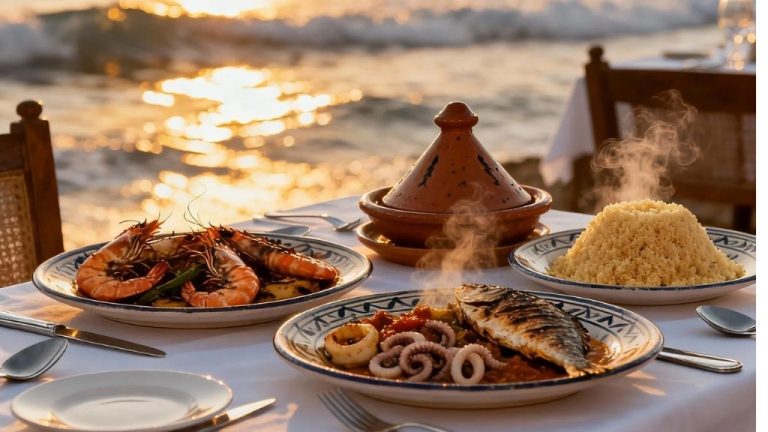
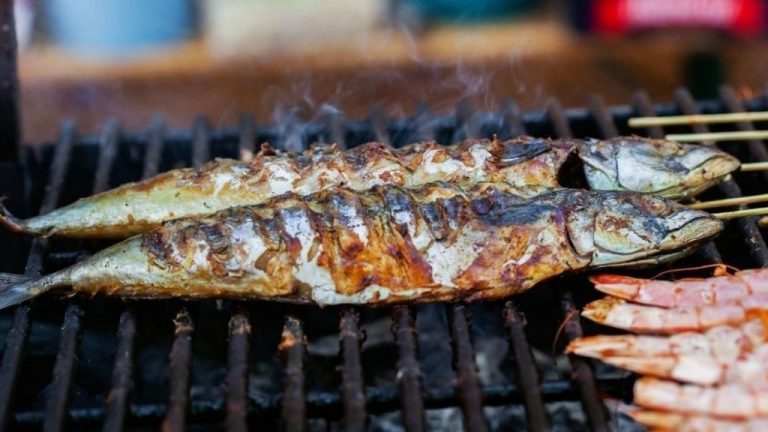
The fish market becomes your primary protein source providing ultra-fresh seafood at prices that allow daily consumption. Building your eating around whatever fish arrived that morning creates variety through the natural fluctuations in catches. This responsive approach to ingredients rather than planning specific meals in advance matches how locals have always eaten.Learning to prepare whole fish quickly becomes essential. The vendors clean and gut fish but basic filleting skills expand your options considerably. Youtube videos or asking local kitesurfers with more experience can teach you enough technique to manage. The learning curve is short and the payoff in meal possibilities is substantial.Smaller fish like sardines require almost no skill to prepare. Season them with salt and olive oil then grill or pan-fry for minutes. The simplicity produces excellent results and the low cost means mistakes don’t hurt your budget. Using sardines as your introduction to cooking fresh fish builds confidence before attempting more expensive species.The shellfish that appear occasionally at the market provide variety and different nutritional profiles. Fresh shrimp or prawns need minimal cooking, just a quick sauté with garlic and lemon. Squid requires either very quick or very long cooking to avoid rubbery texture but once you understand this principle it becomes easy to prepare. The learning through trial and error is part of the adventure.
Produce shopping strategies
The outdoor market operates most mornings with vendors selling tomatoes, onions, peppers, carrots, potatoes and limited other vegetables. The selection changes based on season but never approaches the variety California farmers markets offer. Learning to work within these constraints rather than lamenting what’s missing creates better outcomes and less frustration.Buy produce in quantities you’ll use within two days maximum. The heat and lack of commercial refrigeration at market means items might already be several days old when you purchase them. Using everything quickly while it’s still good prevents waste and ensures better taste. The frequent shopping becomes routine rather than burden once you accept it as necessary.Inspect everything carefully before buying. The produce quality varies and vendors sometimes bury inferior items under better ones. Don’t be shy about examining what you’re selecting and rejecting pieces that look questionable. This scrutiny is normal and vendors expect it. Taking time to choose well pays off in better meals.Tomatoes when ripe and in season taste incredible despite their rough appearance by supermarket standards. The heirloom varieties that small farms grow have more flavor than commercial types even if they bruise easier and look imperfect. Learning to value taste over cosmetics changes your relationship with produce.Onions and garlic appear consistently and store reasonably well making them foundational aromatics for countless dishes. Buying larger quantities of these stable items means you always have flavor-building ingredients on hand. The cooking of almost any cuisine starts with these aromatics so having them available enables improvisation.Fresh herbs when available add enormous impact for minimal cost. Bunches of cilantro, parsley or mint cost pennies and transform simple dishes. The abundance means you can use them liberally rather than the few leaves that expensive American packages contain. Store herbs in water like cut flowers to extend their life.
Staples and shelf-stable items
Rice, pasta, canned tomatoes, olive oil and basic spices form the foundation of a functional pantry requiring minimal shopping trips. These items store well in the heat and provide the base for countless simple meals. Stocking up on these staples when you first arrive means you can create meals anytime by adding fresh fish or vegetables.Dried legumes including lentils, chickpeas and white beans offer plant-based protein and fiber that balance the seafood-heavy diet. The dried versions cost almost nothing and cook easily though they require planning since soaking and cooking takes time. Preparing a large batch that you eat over several days makes the time investment worthwhile.Canned tuna from Morocco costs little and provides backup protein when you don’t make it to the fish market. The quality exceeds most American canned tuna and the variety includes different species packed in olive oil or water. Having several cans means you always have protein available even when shopping hasn’t happened.Eggs from small local farms appear at corner stores and last reasonably well. They provide inexpensive protein and fat that works for any meal. Scrambled eggs with vegetables, hard-boiled eggs for snacks, or eggs fried over rice create satisfying meals from minimal ingredients. The versatility makes eggs essential for nomad cooking.Bread from local bakeries stays fresh for only a day or two but the price and availability make buying fresh daily practical. The crusty exterior and chewy interior of traditional Moroccan bread works for everything from breakfast toast to soaking up fish stews. Learning which bakery near you produces the best bread becomes important local knowledge.
Essential cooking equipment
A good knife matters more than almost anything else for cooking in basic kitchens. If the provided knives are terrible, buying a decent chef’s knife for fifteen or twenty dollars transforms your cooking capability. The investment pays off immediately in easier safer food preparation. You can leave it for future guests when you depart or take it home as a practical souvenir.A cutting board, ideally plastic rather than wood for easier cleaning, provides sanitary surface for food prep. Many basic kitchens lack proper cutting boards forcing people to cut on plates or counters. Bringing a flexible plastic cutting board that packs flat solves this problem cheaply and improves your cooking setup significantly.Basic pots and pans usually exist in rental kitchens but quality varies wildly. A heavy-bottomed skillet for searing fish and a medium pot for boiling pasta or making stews cover most needs. If the provided cookware is truly awful, investing in one good pan might make sense for longer stays. Cast iron works beautifully and lasts forever.Proper storage containers for leftovers and prepped ingredients help maximize the utility of your refrigerator space. Glass containers with lids work better than plastic in the heat since plastic can warp or retain odors. Having several sizes allows storing everything from sauces to full meals efficiently.A small cooler or insulated bag makes market trips more practical by keeping fish and produce cool during the walk or drive home. The minimal investment prevents degradation during transport and means you can shop during hotter parts of day if morning timing doesn’t work. Adding ice or frozen water bottles increases effectiveness.
Simple high-impact recipes
Grilled or pan-seared fish with lemon and olive oil produces restaurant-quality results from three ingredients plus salt and pepper. The technique is straightforward but the ultra-fresh fish makes the outcome extraordinary. This preparation becomes your default for whole fish or fillets requiring no recipe beyond basic method and proper timing.Pasta with canned tomatoes, garlic, olive oil and whatever vegetables you have creates satisfying meals in minutes. The simplicity doesn’t diminish the impact when ingredients are good. Adding capers or olives when available increases complexity. Finishing with fresh herbs elevates everything.Rice bowls building from cooked rice, grilled or raw fish, and available vegetables with simple dressings allow infinite variation. This format accommodates whatever you found at market that day without requiring specific recipes. The bowl concept works across cuisines from Mediterranean to Asian-inspired depending on seasonings.Lentil soup with onions, garlic, tomatoes and spices provides plant-based nutrition that balances all the seafood. Making a large pot gives you several meals worth of leftovers that actually improve overnight as flavors meld. The soup requires minimal attention during cooking letting you work or relax while it simmers.Scrambled eggs with vegetables and herbs over toast creates quick protein-rich meals appropriate for any time of day. The speed and simplicity make this preparation valuable when you’re hungry and need food immediately. The ingredients are almost always available requiring no special shopping.
Meal planning approach
Planning meals loosely around protein availability rather than specific recipes allows flexibility to adapt to whatever the fish market offers. Knowing you’ll make grilled fish for dinner but selecting the specific species based on what looks good that morning creates better outcomes than rigid menu planning that gets frustrated by unavailable ingredients.Batch cooking components like rice, lentils or roasted vegetables provides building blocks for quick meals throughout the week. Having cooked elements ready means assembling dinner takes minutes rather than starting from scratch each time. This efficiency matters when you’re tired after hours on the water and hunger demands quick solutions.Embracing repetition rather than demanding constant variety simplifies everything and reduces decision fatigue. Eating similar meals built from the same components with minor variations works perfectly well nutritionally and mentally. The expectation that every meal should be unique creates unnecessary pressure and complexity.The two-meals-per-day pattern that many nomads and kitesurfers adopt suits Dakhla’s rhythm. A substantial breakfast before morning sessions, then a large late afternoon meal after finishing on the water covers nutritional needs without requiring three formal meals plus snacks. This compressed eating window matches intermittent fasting patterns many wellness seekers practice intentionally.
Hydration and beverages
Water quality in Dakhla requires attention since tap water isn’t reliably safe for visitors. Buying large bottles of water for drinking and cooking with prevents digestive issues that can ruin trips. The cost is minimal and the peace of mind worthwhile. Refilling from large bottles into smaller ones you carry reduces plastic waste compared to buying individual bottles constantly.Making your own coffee in the morning saves money compared to café prices and ensures you get it exactly how you like it. Bringing coffee from home or buying quality beans in Marrakech before coming to Dakhla guarantees better results than the instant coffee or poor espresso common in local stores. A simple pour-over setup packs easily and makes excellent coffee.Fresh juices squeezed at home from market oranges cost pennies and taste better than anything bottled. The effort is minimal requiring just a hand juicer and a minute of work. The vitamin C and natural sugars provide excellent nutrition especially after sessions when your body needs replenishment. The lack of added sugar or preservatives makes homemade juice objectively superior.Mint tea requires only tea, fresh mint and sugar which are universally available. Making proper Moroccan tea yourself becomes a meditative ritual and provides the social lubricant that sharing tea creates. Learning the traditional preparation and serving techniques adds cultural dimension to your experience beyond just the beverage itself.
Managing limited refrigeration
Small refrigerators that many accommodations have require strategic thinking about what gets cold storage priority. Fish and dairy products need refrigeration immediately. Vegetables benefit from cooling but most survive without it for short periods. Organizing your limited cold space efficiently allows storing more and keeping things properly.Cooking proteins soon after purchase reduces the burden on refrigerator space and ensures maximum freshness. Buying fish in the morning and cooking it that evening means it only needs cold storage for hours not days. This rapid turnover works better than trying to keep things for extended periods even with refrigeration.Vegetables that don’t require refrigeration like onions, garlic and tomatoes can stay at room temperature freeing space for items that need it more. Learning which produce tolerates room temperature storage and which doesn’t expands your practical capacity. The hottest part of rooms should be avoided but most places have cooler corners where items can sit.Eating leftovers within a day prevents them from occupying refrigerator space too long or going bad. The rapid consumption cycle means cooking appropriate quantities rather than making enormous batches that overwhelm your storage capacity. Right-sizing your cooking to your consumption prevents waste.
Shopping rhythms and logistics
Establishing a routine where you visit the fish market most mornings and grab produce every few days creates sustainable patterns. The morning market trip becomes part of your daily rhythm taking maybe thirty minutes including walking or driving, selecting fish and returning home. This routine replaces morning coffee shop visits that many people build days around.Combining market visits with other errands maximizes efficiency. Check the fish market then stop at the produce vendors then grab bread on your way home. This circuit covers most needs in one trip. The physical proximity of these resources in small-town Dakhla makes the loop quick and practical.Sharing shopping duties with others in your accommodation or kitesurf camp makes the task easier and more social. Coordinating so different people go on different days means everyone benefits from fresh ingredients without everyone needing to shop daily. This cooperation builds community while solving practical problems.Learning which days see better market selection helps optimize your timing. Weekends might bring more boats and more variety while weekdays stay quieter. After a few weeks you’ll recognize patterns and can time your important shopping for when options peak. This local knowledge develops naturally through consistent presence.
Budget Considerations
Eating well in Dakhla through self-catering costs dramatically less than restaurant meals or California grocery bills. A daily budget of ten to fifteen dollars easily covers food for one person including fish, produce, bread and other staples. This affordability allows eating high-quality fresh ingredients without the financial stress that equivalent nutrition in California creates.The ultra-cheap sardines mean you can eat seafood daily for less than vegetarian meals might cost in expensive cities. A kilo of sardines feeding two people costs three dollars. Adding vegetables, bread and olive oil brings total meal cost to maybe five or six dollars for two. This economy allows prioritizing food quality over other budget categories.Splurging occasionally on premium fish like dorado or tuna when available adds variety without significantly impacting budgets. Even the expensive fish in Dakhla costs less than mediocre fish at California supermarkets. The lack of financial anxiety around food choices creates mental freedom that enhances the wellness experience beyond just nutrition.Comparing your Dakhla food costs to what you’d spend at home provides perspective on how location-based inflation affects food prices. The realization that you’re eating better for less might influence your thinking about food spending when you return home. The reference point of what’s actually possible transforms what seems normal.
Skills You’ll Develop
The constraints of cooking in basic kitchens with limited ingredients builds genuine cooking capability that translates anywhere. Learning to create satisfying meals from whatever’s available rather than following elaborate recipes develops intuition about ingredients, techniques and flavor combinations. This fundamental understanding exceeds what cooking classes often teach.The market shopping skills you develop through regular practice make you better at evaluating ingredient quality everywhere. The ability to judge fish freshness or produce ripeness through visual and tactile assessment rather than trusting dates on packages creates independence from industrial food systems. These skills maintain value long after leaving Dakhla.The resourcefulness required when your planned meal can’t happen because ingredients aren’t available teaches adaptability applicable to all cooking. Being able to pivot and create something good from what exists rather than giving up or ordering takeout demonstrates kitchen competence beyond recipe-following. This improves your relationship with cooking generally.The confidence from successfully feeding yourself well in challenging circumstances carries into other areas of life. The proof that you can handle limited resources and basic equipment while maintaining nutrition and enjoyment builds self-reliance. This psychological benefit extends beyond just food into broader capability and independence.
Community and Shared Meals
The communal kitchens at many kitesurf camps create opportunities for shared cooking and eating. Multiple people preparing meals together and sharing results builds connections while reducing individual effort. The potluck dynamic where everyone contributes something creates variety beyond what one person cooking alone could achieve.Teaching others what you’ve learned about local shopping, fish preparation or simple recipes helps the community while reinforcing your own knowledge. The informal skill-sharing that happens in these shared spaces benefits everyone and creates friendly atmosphere. People remember the person who taught them to grill sardines properly.Shared meals become social events that replace some of the restaurant dining you might do otherwise. The cost savings from cooking at accommodations allows spending saved money on other experiences while the social aspects of eating together match or exceed restaurant atmosphere. The authenticity of real rather than performed community creates memorable experiences.The international mixing that happens around communal tables exposes you to different food traditions and techniques. Learning how Germans prepare fish or how Brazilians season vegetables expands your culinary knowledge while building cross-cultural friendships. The food becomes medium for cultural exchange in ways that restaurant dining rarely allows.
Embracing the Adventure
The challenge of eating well in remote locations with limited resources represents adventure in its own right beyond just the kitesurfing or desert exploration. The problem-solving required and the adaptations you make create stories worth telling. The meals you cobble together from unlikely ingredients often become more memorable than restaurant dining.The forced simplicity removes the decision paralysis that unlimited options create. Having ten vegetables available instead of fifty means you don’t waste mental energy choosing between marginally different options. The constraints focus your attention and often lead to better outcomes by eliminating distraction.The connection to your food source when you’re buying directly from fishermen and small farmers creates meaning that supermarket shopping never provides. Understanding where every ingredient came from and often knowing the person who produced it transforms eating from transaction to relationship. This awareness enhances satisfaction beyond just sensory pleasure.The skills and perspectives you gain from self-catering in challenging conditions provide lasting value that extends far beyond the immediate Dakhla experience. The proof that you can eat well anywhere with basic resources builds confidence applicable to all future travel. The independence from restaurants and conventional food systems represents genuine freedom worth cultivating.For those ready to understand how all these elements of Dakhla’s food culture fit together into a complete adventure wellness experience, exploring the comprehensive guide to where Sahara Desert meets Atlantic seafood reveals how isolation, exceptional ingredients, active lifestyle and intentional eating combine to create transformation that extends far beyond just the meals you consume in this remarkable remote paradise.