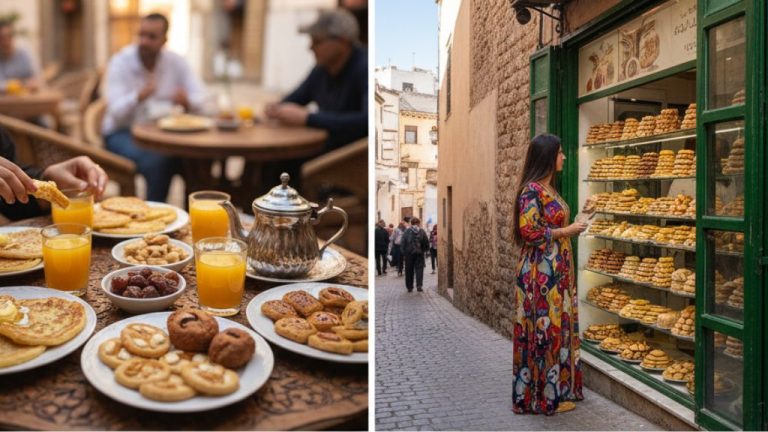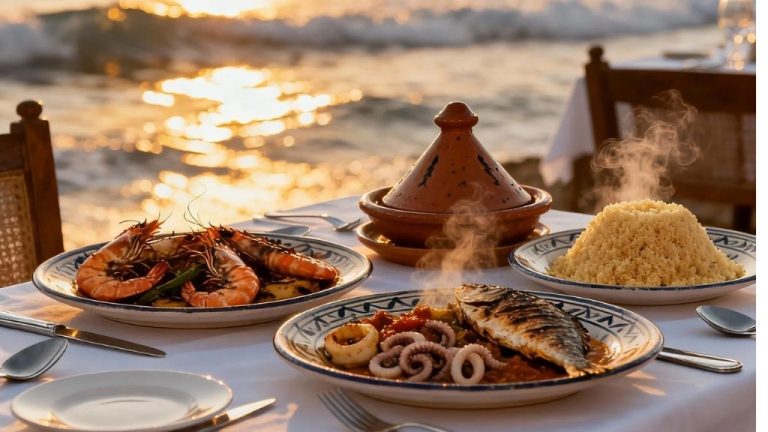

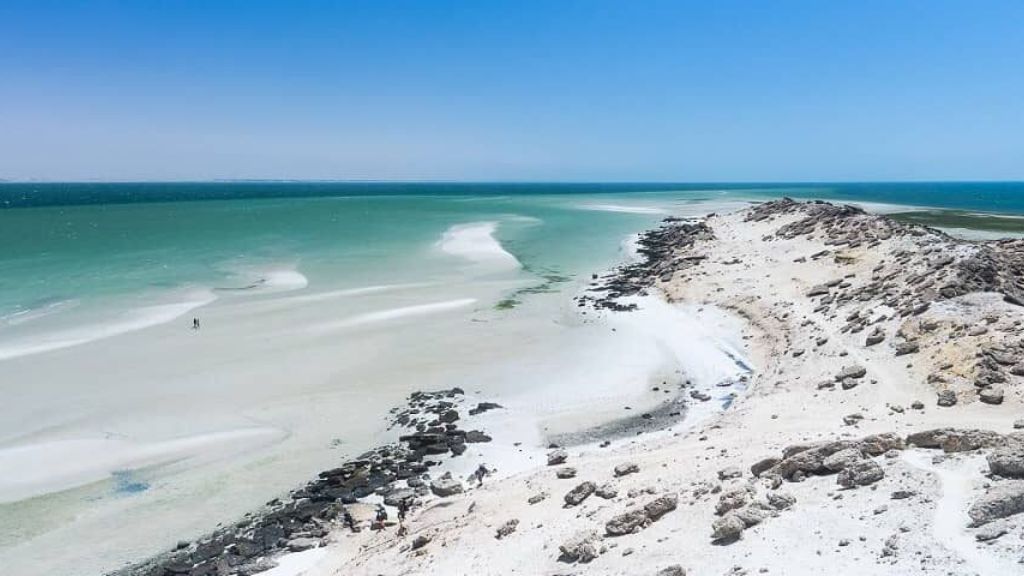
Dakhla sits at the end of the road in the most literal sense possible. The peninsula juts into the Atlantic at Morocco’s southern extreme where the Sahara Desert runs out of land and crashes into the ocean. Getting here requires either a fourteen-hour drive from Marrakech through empty desert or a flight to an airport that only recently started seeing regular service. The isolation that makes reaching Dakhla challenging also defines its appeal for travelers seeking experiences beyond the well-worn Moroccan tourist circuit.The town itself surprises visitors expecting something resembling Marrakech or Agadir. No ancient medina exists here and no imperial architecture draws photographers. The Spanish founded modern Dakhla in the 1880s as a fishing outpost and that utilitarian character persists today. The whitewashed buildings, wide streets and functional layout serve a working town rather than performing for tourists who remain relatively rare despite the kitesurf boom.The lagoon stretching twenty-five miles along the peninsula creates the conditions that put Dakhla on adventure travelers’ maps. The shallow protected water combined with thermal winds blowing three hundred days per year produces arguably the world’s best kitesurfing. The consistency attracts riders from beginners to professionals seeking practice conditions without the crowds and commercial development that plague more accessible spots.The adventure wellness culture that emerged around kitesurfing extends beyond just the sport into how people eat and live during their time here. The international community of riders, digital nomads and surf camp operators created demand for nutrition supporting active lifestyles. The ultra-fresh seafood available daily from local boats provides the foundation. The isolation forces simplicity that often produces better outcomes than the complexity available in cities.California travelers find surprising parallels to coastal surf towns back home despite the vastly different setting. The beach culture, outdoor focus and health-conscious eating create familiar vibes even as the Saharan landscape and Moroccan traditions remind you constantly that you’re nowhere near California. This blend of familiarity and exotic difference appeals to people seeking adventure without complete cultural disorientation.The food culture in Dakhla reflects its position between desert and ocean. Saharan Berber traditions meet Atlantic abundance creating combinations you won’t find elsewhere in Morocco. The oyster farms producing world-class specimens despite the desert setting exemplify this paradox. The fish market operating on the shortest supply chain imaginable delivers seafood nutrition rivaling anywhere globally while the desert influences eating patterns and preservation techniques.
Understanding Dakhla requires accepting contradictions. World-class oysters grow at the edge of the Sahara. Perfect kitesurfing conditions exist in one of Africa’s most remote corners. Wellness-focused dining happens in a town with almost no formal restaurant scene. The resourcefulness required to eat well with limited infrastructure teaches lessons about food that apply universally. The constraints create opportunities rather than just limitations.
This guide explores Dakhla’s adventure wellness culture through the lens of food and nutrition. You’ll discover how the oyster farms operate and why the shellfish here competes with famous European varieties. You’ll learn to navigate the fish market and prepare ultra-fresh catches using simple techniques. You’ll understand how Saharan food wisdom adapts to coastal abundance. You’ll find the handful of restaurants serving health-conscious diners and develop strategies for self-catering when cooking becomes necessary.
The goal extends beyond just telling you where to eat. The aim is revealing the principles underlying Dakhla’s approach to food so you can apply them whether you’re visiting for a week or just seeking inspiration for healthier eating at home. The lessons about working with available ingredients, embracing seasonal limitations and prioritizing freshness over convenience translate across contexts and geographies.
Dakhla bay oysters and seafood: Atlantic’s hidden treasure
The oyster farms floating in Dakhla bay shouldn’t exist according to conventional wisdom about where oyster cultivation succeeds. The Sahara Desert literally borders the water with sand dunes visible from the bay. The daytime temperatures regularly exceed ninety degrees. Yet these improbable conditions produce oysters that oyster experts compare favorably to specimens from Brittany, Washington State or other famous oyster regions.The bay’s unique hydrology explains the paradox. Cold Atlantic currents sweep up from deeper southern waters bringing nutrients and maintaining temperatures that oysters thrive in despite the desert heat overhead. The long narrow peninsula shelters the bay from heavy waves while allowing steady water circulation. This combination creates conditions that oyster farmers elsewhere spend fortunes trying to replicate artificially.The isolation protecting Dakhla from tourist development also protects the bay’s waters from pollution that threatens oyster beds in more populated regions. No industrial runoff, no agricultural chemicals, no sewage from dense coastal populations. The water quality stays pristine because nothing upstream can contaminate it. This purity translates directly to oyster flavor and safety that farmed oysters from polluted waters can never match.The cultivation process maintains relatively small scale with most farms run by families or cooperatives rather than industrial operations. The farmers place baby oysters in mesh bags suspended from floating rafts anchored throughout the bay. The oysters filter phytoplankton and nutrients from the water, growing steadily in the consistent conditions. The growing period takes eighteen to twenty-four months producing the depth of flavor and firm texture defining quality specimens.The nutritional density of oysters makes them valuable beyond just taste. A half dozen medium oysters provides more zinc than most people consume in several days, supporting immune function and wound healing. The protein comes with all essential amino acids while calorie count stays remarkably low. The omega-3 fatty acids, vitamin B12, iron and selenium round out a nutritional profile that rivals any food.Several restaurants in Dakhla serve oysters shucked to order with nothing more than lemon wedges. The quality needs no embellishment. A dozen oysters runs about twelve dollars, remarkably affordable given what you’d pay for equivalent quality elsewhere. Some establishments offer lightly grilled versions though purists prefer them raw to experience full flavor and texture.The oyster farms themselves sometimes welcome visitors wanting to see production firsthand. These tours reveal the work behind the delicacies and demonstrate the sustainable practices that allow oyster farming with minimal environmental impact. Eating oysters while floating above the beds they came from creates experiences that stick with you long after the trip ends.
For comprehensive exploration of Dakhla’s oyster industry including farm operations, tasting locations, nutritional benefits and the paradox of world-class oyster cultivation in a Saharan setting, the detailed guide to Dakhla oysters and Atlantic seafood reveals how this unlikely treasure came to exist and why it matters for anyone seeking exceptional nutrition in one of Morocco’s most remote corners.
Kitesurf and wellness: Active recovery in Dakhla
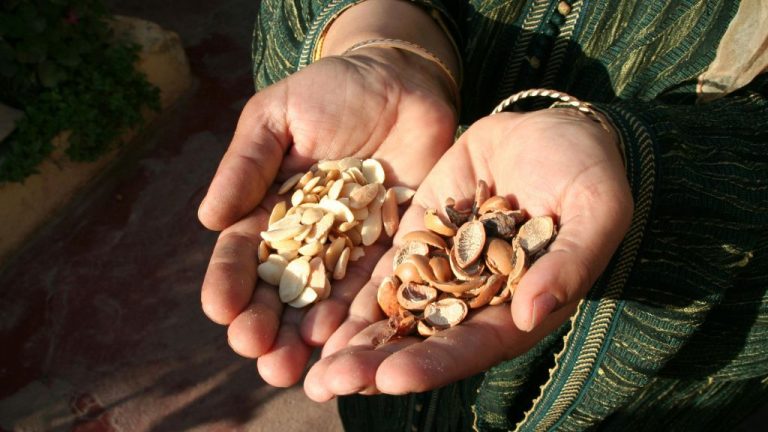
The thermal winds generated by the Sahara Desert heating up during the day create the most consistent kitesurfing conditions found anywhere on earth. The temperature differential between scorching sand and cool Atlantic water produces winds that blow three hundred days per year with remarkable predictability. This reliability transformed Dakhla from obscure fishing outpost into international kitesurfing destination attracting riders from beginners to sponsored professionals.The lagoon itself stretches for miles with water depth staying between waist and chest height over vast areas. This shallow flat water eliminates the intimidation factor that ocean waves create for learning riders while providing enough space for advanced tricks and speed runs. The absence of rocks, reefs or other hazards means crashes result in splashing into soft water rather than painful impacts with hard surfaces.The isolation that makes Dakhla challenging to reach becomes an asset once you arrive. World-class conditions exist without the crowds that plague more accessible spots in Europe or the Americas. You can spend entire sessions without competing for space or worrying about collisions with other riders. This freedom allows focus on progression rather than constant awareness of surroundings that divided attention prevents learning.The physical demands of kitesurfing exceed what most gym workouts deliver. Your core muscles work constantly controlling the kite and maintaining board position. Arms and shoulders handle kite control sometimes for hours without break. Legs provide power for jumps and stability during riding. The cardiovascular system works hard maintaining this effort especially in the wind and sun that characterize Dakhla conditions.Proper nutrition becomes crucial for sustaining this activity level and recovering adequately between sessions. The traditional amlou breakfast that Berber culture developed for desert conditions works brilliantly as pre-session fuel. The combination of roasted almonds, argan oil and honey provides quick energy from natural sugars plus sustained fuel from healthy fats and protein. Eaten an hour before hitting the water, amlou delivers steady energy throughout long sessions.Hydration challenges intensify in Dakhla’s climate where Saharan heat combines with sun reflection off water and wind that masks how much you’re sweating. Dehydration sneaks up on riders focused on their performance rather than drinking. The smart approach involves consistent hydration before, during and after sessions rather than waiting for thirst signals that indicate you’re already behind on fluid replacement.The ultra-fresh seafood available at Dakhla’s fish market provides ideal post-session recovery meals. Grilled fish delivers lean protein for muscle repair along with omega-3 fats that reduce inflammation from the physical stress of kitesurfing. The nutritional profile matches what elite athletes spend money on supplements trying to achieve. The affordability means you can eat this quality protein daily without budget concerns.The international community centered around kitesurf camps creates social structures supporting the active lifestyle. Evening gatherings after sessions where riders share meals and swap stories build bonds that extend beyond just talking about wind and waves. The nutritional knowledge circulates informally as people discuss what works for fueling sessions and recovering effectively in Dakhla’s demanding conditions.The mental aspects of kitesurfing contribute to wellness as much as the physical exercise. The constant attention required to manage the kite, read the water and execute maneuvers leaves no space for the mental chatter that normally fills consciousness. This forced presence creates flow states that people seek through formal meditation practice. The sport becomes moving meditation delivering psychological benefits alongside physical conditioning.For detailed exploration of how nutrition supports kitesurfing performance in Dakhla’s unique conditions, including pre-session fueling strategies, hydration protocols and recovery meals using local ingredients, the comprehensive guide to Dakhla kitesurfing and wellness reveals how the international riding community integrates active lifestyle with intentional eating in ways that maximize both performance and enjoyment in this wind-blessed remote paradise.
Saharan berber food traditions: Desert wellness wisdom
The Sahara Desert presents survival challenges that eliminate those unprepared for its extremes. Temperatures exceeding fifty degrees Celsius during summer, near-freezing nights in winter and extreme water scarcity create conditions where food choices directly impact whether you live or die. Berber communities thriving in these harsh environments for centuries developed food traditions that maximize nutrition and hydration when resources appear nonexistent.Water conservation drives many food traditions since hydration determines survival in the desert. Foods with high water content get valued enormously when fresh but scarcity means preservation techniques dominate the cuisine. Dried fruits, grains and preserved proteins allow food storage without refrigeration that would be impossible in humid climates where mold destroys everything. These preservation methods developed through observation and necessity over countless generations.Dates form the foundation of Saharan food culture providing sugar, fiber and micronutrients in packages that store for months without degrading. The fruit grows in oases where underground water allows palm cultivation despite surface desert conditions. The natural sugar concentration delivers quick energy that revives exhausted travelers while the fiber slows absorption preventing crashes that pure sugar consumption causes. Modern energy products try to replicate what dates offer naturally.The portable high-energy foods that nomadic Berber groups required shaped traditions toward dried compact items packing maximum nutrition into minimum weight and volume. Shepherds and traders crossing the desert needed food that survived extreme conditions while providing concentrated calories for sustained physical effort. The high-fat content that modern nutritionists sometimes warn against becomes essential when you’re burning enormous energy in harsh conditions.Couscous appears at nearly every significant Berber meal serving as foundation for other components. The traditional steaming method over simmering stew allows aromatic steam to penetrate the grains while keeping them light and fluffy. This technique maximizes flavor while creating texture that makes meals satisfying even in hot weather when heavy foods become unappealing. The one-pot cooking also conserves fuel which matters enormously where wood is scarce.Preserved proteins including meat cooked slowly in its own fat then packed in rendered fat for storage represent traditional Moroccan khlii. This confit-style preparation preserves meat for months without refrigeration. The high fat content provides critical calories and fat-soluble vitamins that desert dwellers need. The salting and drying of meat creates jerky-style products that pack concentrated protein into lightweight portable form.The spices common in Berber cooking serve medicinal purposes beyond just flavoring food. Cumin aids digestion and helps prevent bloating that can occur from dried foods and preserved proteins. Turmeric provides anti-inflammatory benefits that help with joint stress from desert travel and hard physical work. Black pepper enhances absorption of beneficial compounds including the curcumin in turmeric. Berber cooks learned that combining certain spices produced better results than using them separately.The communal eating from shared platters rather than individual portions reinforces social bonds while serving practical purposes. Sharing from one dish means less cookware to carry for nomadic groups and more efficient use of limited cooking fuel. The obligation to share food with travelers created safety nets in dangerous environments. Knowing that any Berber tent would offer hospitality meant travelers could cross the desert with confidence.The seasonal scarcity defining desert life created feast and famine cycles where communities ate abundantly when resources allowed and practiced forced intermittent fasting during lean times. This pattern matches what many wellness seekers now adopt intentionally. Berbers didn’t choose it but adapted to make scarcity work in their favor rather than against them. The resilience this developed transfers to other challenging situations beyond just food.
Dakhla’s position where Sahara meets Atlantic creates unique opportunities to experience both Berber desert traditions and coastal seafood abundance. The traditional knowledge about preservation and resourcefulness applies to seafood just as it does to desert foods. The drying and salting techniques work on fish as well as meat. The date palms growing in Dakhla’s limited oases produce the same fruit that sustains interior desert communities.
The resourcefulness and adaptability that Saharan conditions demanded from Berber communities shows up in how Dakhla residents handle their own challenging environment. The remote location and harsh conditions could create hardship but instead produce appreciation for what’s available. This mindset shift from scarcity to sufficiency matters as much as any specific food tradition. The wisdom developed in extreme conditions offers lessons applicable far beyond the desert.
For comprehensive exploration of how Saharan Berber food traditions maximize nutrition in extreme conditions and how this ancient wisdom applies to modern wellness seeking, the detailed guide to Saharan Berber food culture reveals the sophisticated nutritional knowledge embedded in traditional practices and demonstrates how these principles adapt to Dakhla’s unique desert-ocean environment where traditional wisdom meets Atlantic abundance.
Dakhla fish markets: From boat to plate in hours
The fishing boats dock directly beside the vendor stalls at Dakhla’s fish market creating a supply chain measured in meters rather than miles. This physical proximity means fish that were swimming in Atlantic waters hours earlier reach consumers with zero intermediaries or distribution delays. The immediacy produces nutrition and flavor that longer supply chains can never replicate regardless of refrigeration technology or careful handling during transport.
The market structure stays deliberately basic with concrete tables arranged under metal roofs providing shade from relentless sun. No elaborate refrigeration exists beyond the ice that vendors pile around their fish. The simplicity works because turnover happens so quickly that fish sells within hours of arriving. The lack of infrastructure keeps costs low and maintains focus on product quality rather than presentation or marketing gimmicks.
The small scale reflects Dakhla’s population and isolation with maybe twenty vendors operating on busy days when the fleet has had good catches. Slow days might see only a handful of sellers with limited selection. This variability means accepting what’s available rather than expecting consistent inventory like supermarkets provide. The forced flexibility teaches you to build meals around available ingredients rather than shopping for predetermined recipes.
The artisanal fishermen using smaller wooden boats focus on near-shore species including sea bass, bream and various small fish. These boats typically return daily meaning their catch reaches market incredibly fresh. The traditional methods using lines or small nets create less environmental impact than industrial trawling while providing livelihoods for local families who’ve fished these waters for generations.
Sardines appear in huge quantities when schools run near shore. These small oily fish pack enormous nutrition including omega-3 fatty acids and calcium from their soft edible bones. The abundance keeps prices incredibly low making sardines the most economical protein source available. Fresh sardines taste completely different from canned versions revealing why Mediterranean cultures value them so highly.
Sea bass shows up consistently as one of the most sought-after species. The white flaky flesh works beautifully for grilling or baking. The fish typically run one to three pounds providing perfect portion sizes. Look for clear bright eyes and firm flesh when selecting specimens. The quality in Dakhla matches sea bass from famous European fisheries despite the basic market conditions.
Evaluating freshness becomes crucial skill for market shopping. Clear eyes that look almost alive indicate recent catch while cloudy or sunken eyes suggest the fish has been sitting too long. Press the flesh gently and it should spring back immediately without leaving indentation. The smell should be clean ocean water with slight mineral notes rather than any fishy or ammonia scent.
Most vendors will clean and gut whole fish if you request it. This service typically comes free or costs trivial amounts. The vendors work much faster than you could manage in a riad kitchen and have proper tools. Specify whether you want the head left on or removed based on your cooking plans. Watching how they work teaches you technique if you want to learn filleting skills.
The prices operate more flexibly than in larger cities with vendors knowing their regular buyers and adjusting accordingly. Tourists might face slightly higher starting prices but nothing like aggressive overcharging in some tourist markets. Respectful interaction gets you fair prices even as obvious visitor. Buying larger quantities opens negotiation possibilities where asking for discount makes sense.
Getting your purchase back to refrigeration immediately matters enormously in Saharan heat that accelerates degradation dramatically. If you’re staying somewhere with kitchen, head directly there after the market. Consider bringing insulated bag if you plan other errands. The effort preserves the quality advantage that shopping this market provides.
Cook fish the same day you purchase it whenever possible. Even with extreme freshness at Dakhla’s market, fish quality declines daily once out of water. The second day might still be acceptable but waiting longer wastes the freshness advantage. The whole point of this market is accessing peak nutrition so don’t undermine that by delaying cooking.
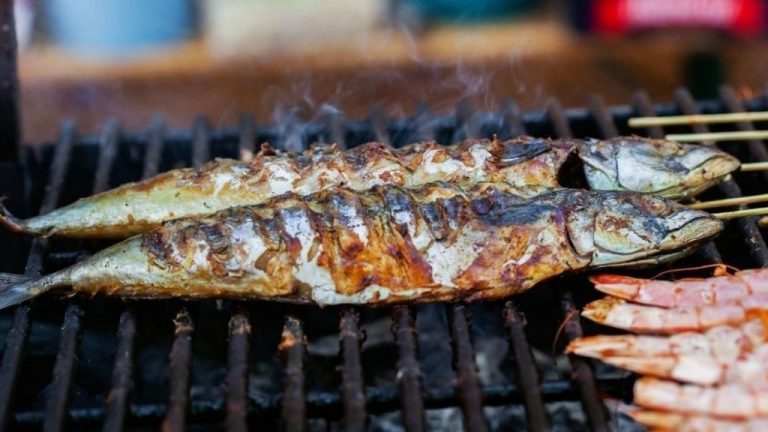
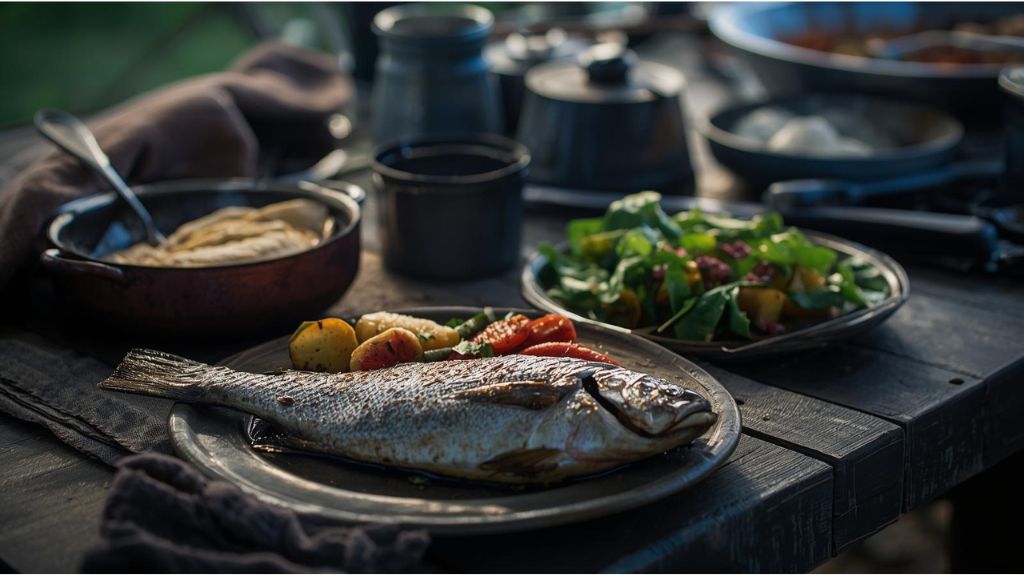
The ultra-fresh fish from Dakhla deserves simple preparations that showcase rather than mask quality. Grilling whole fish over charcoal with just olive oil, salt and lemon produces results that elaborate sauces couldn’t improve. Pan-searing fillets in very hot skillet with minimal oil creates crispy exteriors and tender interiors in minutes. The quality of ingredients makes technique matter more than complexity.
The market operates daily except during extreme weather when boats can’t safely go out. Having backup meal plans makes sense since fish availability can’t be guaranteed absolutely. The irregularity reflects fishing realities rather than artificial consistency of supermarket supply chains. This connection to natural rhythms and ocean conditions adds authenticity that you won’t find in conventional food shopping.
Spending time at the market beyond just purchasing fish teaches you about Dakhla’s maritime culture. Watching boats unload shows the physical work behind what seems like simple food. The fishermen’s weathered hands and faces reflect years of hard labor in challenging conditions. This connection to the source adds meaning to your meals that supermarket fish wrapped in plastic can never provide.
For detailed guidance on navigating Dakhla’s fish market including species identification, freshness evaluation, negotiation strategies and simple preparation techniques that maximize nutrition from ultra-fresh Atlantic catch, the comprehensive fish market guide reveals how the shortest supply chain in Morocco creates opportunities for exceptional eating and why boat-to-plate freshness matters for both flavor and wellness in ways that transform your relationship with seafood.
Where to eat clean in remote Dakhla
The handful of establishments serving health-conscious food in Dakhla deliver quality that justifies the journey despite the town’s isolation from major tourist routes. These spots emerged to serve the international kitesurf community and growing digital nomad presence, both groups demanding fresh ingredients and preparations that fuel active lifestyles rather than weighing them down. The limited restaurant infrastructure actually works in diners’ favor since establishments must source locally and keep menus simple.
Dakhla Attitude occupies prime beachfront location with views over the lagoon where kitesurfers carve across the water. The modern space with blonde wood and natural light deliberately evokes California beach cafes. The owner spent time in San Diego and recreated that casual wellness-focused dining vibe using local ingredients with Moroccan touches. The menu spans from acai bowls through grain bowls to fresh seafood accommodating different preferences.
The breakfast bowls combine yogurt, granola, fresh fruit and honey creating meals that fuel morning kitesurf sessions without sitting heavy. The portions provide real energy unlike tiny serving sizes some wellness cafes offer. The lunch salads feature grilled fish or chicken over mixed greens with vegetables and light dressings. These work as complete meals providing balanced nutrition that satisfies without causing afternoon energy crashes.
The dinner menu emphasizes grilled fish prepared simply with lemon, herbs and olive oil. You choose from whatever arrived at market that day with servers explaining options and making recommendations. The cooking respects the fish with proper timing that keeps it moist and flavorful. Complete meals with drinks cost about ten to twelve dollars delivering remarkable value for the quality.
Ocean Vagabond caters specifically to wellness-minded crowds with menu reading like California health food cafe transplanted to the Sahara. The French owner absorbed Los Angeles health food culture and adapted it to Dakhla’s available ingredients. The poke bowls feature ultra-fresh fish from morning market over rice or greens with avocado, cucumber and sesame dressing. The fish quality rivals Hawaiian poke shops because of incredible freshness.
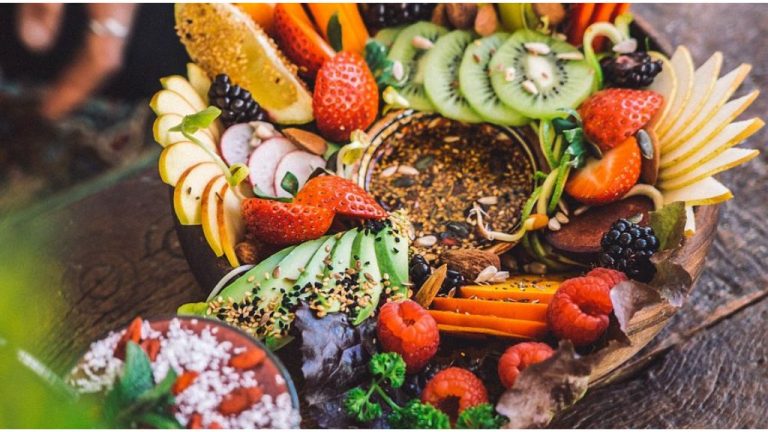
The Buddha bowls build around roasted vegetables, legumes, grains and tahini dressings creating plant-forward meals. These serve vegetarians well in a town where most restaurants focus heavily on seafood and meat. The smoothie bowls topped with fresh fruit, granola and seeds make popular breakfast choices photographing beautifully while tasting as good as they look.
The coffee program takes specialty coffee seriously with beans from quality roasters and proper espresso equipment. The baristas produce drinks satisfying coffee enthusiasts distinguishing Ocean Vagabond from places serving mediocre instant or over-extracted espresso. This attention to beverage quality extends to fresh juices squeezed to order without added sugars.
Calipau Cafe started as kitesurf school but expanded to include cafe serving students and instructors spending all day at the beach. The location directly on the lagoon means watching lessons and sessions while eating. The food leans toward comfort meals satisfying huge appetites built through hours on the water. Burgers, tagines adapted for international palates and pasta dishes provide substantial fuel.
The cafe operates on flexible timing staying open from breakfast through late evening. This accommodates irregular schedules that kitesurfers keep, riding when wind is good regardless of conventional meal times. Being able to get food at three in the afternoon or nine at night solves problems arising when restaurants operate strict service windows.
La Sarga occupies unlikely location in residential neighborhood away from beachfront tourist areas. The small space with maybe ten tables stays packed with locals and expats who discovered it through word of mouth. The menu stays firmly Moroccan but execution shows refinement you don’t find in most local restaurants. The tagines feature quality ingredients cooked properly with balanced seasoning.
The grilled fish here competes with any in Dakhla despite modest appearance. The chef understands heat management and timing producing perfectly cooked fish with crispy skin and moist flesh. The chermoula marinade balances herbs and spices beautifully. The vegetable sides receive equal attention with simple preparations letting quality produce shine. The intimate size means personal service with owner often checking that everything meets standards.
The kitesurf camps scattered along the lagoon include restaurants operating almost as private dining rooms for guests but usually welcoming outsiders. These camp restaurants understand what active people need nutritionally since they feed kitesurfers burning enormous calories daily. The menus emphasize lean proteins, complex carbohydrates and hydrating foods reflecting this awareness.
The limited restaurant options mean self-catering becomes necessary or at least practical for many visitors. The kitesurf camps often include kitchen access for guests. Rented apartments typically have basic kitchens. This self-catering approach provides more control over nutrition and costs less than eating all meals at restaurants while teaching resourcefulness valuable anywhere.
The communal kitchens at camps create opportunities for shared cooking and eating. Multiple people preparing meals together and sharing results builds connections while reducing individual effort. The potluck dynamic where everyone contributes creates variety beyond what one person cooking alone could achieve. These shared meals often become social highlights rivaling restaurant experiences.
The prices at Dakhla’s restaurants deliver remarkable value by any measure. Good meals cost eight to fifteen dollars with portions that satisfy without excess. The lack of tourist inflation means paying closer to what locals pay rather than inflated visitor prices. This affordability allows eating at restaurants regularly throughout your stay without budget calculations that wellness dining in California requires.
Setting appropriate expectations prevents disappointment. Dakhla’s restaurants serve good food using fresh ingredients but they’re not fine dining establishments. The presentations are simple, atmospheres casual and service informal. Accepting these realities allows appreciating what’s offered rather than comparing unfavorably to upscale restaurants in major cities. The seafood quality exceeds what most California restaurants serve despite basic preparations.
The produce limitations due to desert location mean seasonal variety stays constrained compared to agricultural regions. You’ll see tomatoes, onions, peppers and limited other vegetables but not the abundance of California farmers markets. Working within these constraints rather than expecting impossible variety creates better experiences and appreciation for what is available.
Vegetarians find adequate options though the emphasis on seafood means less variety than larger cities. The Lebanese restaurant and wellness-oriented cafes offer plant-based bowls and salads. Traditional Moroccan restaurants will make vegetable tagines though these sometimes lack imagination. Vegans face more challenges since dairy appears frequently but clear communication usually yields workable solutions.
The limited infrastructure forcing simplicity actually produces better nutrition than the elaborate options available in cities. The restaurants must source locally because elaborate supply chains don’t reach Dakhla reliably. This local dependence creates shorter fresher supply chains by necessity rather than choice. The constraint becomes advantage when it results in fish caught that morning rather than fish flown in from distant waters.
For comprehensive coverage of Dakhla’s health-conscious dining scene including specific menu recommendations, pricing details and how establishments source ingredients to maximize freshness and nutrition despite remote location, the complete healthy restaurant guide reveals where to eat clean while maintaining pleasure and satisfaction that makes wellness sustainable rather than feeling like deprivation in this isolated adventure paradise.
Digital nomad nutrition: Eating well in isolation
The remote location and limited infrastructure that define Dakhla create challenges for maintaining wellness nutrition that most California cities never present. The single real supermarket carries basics plus some imported items at premium prices. The produce market offers tomatoes, onions, peppers and limited other vegetables but nothing approaching California farmers market variety. Restaurant options stay constrained to the handful of establishments serving the small local and international community.These limitations could create hardship but instead teach valuable lessons about food priorities and creative cooking applicable anywhere. The challenge of eating well with constrained resources forces you to identify what actually matters for nutrition versus what just represents convenient luxury. The abundant ultra-fresh seafood and basic produce available provide everything needed for excellent nutrition if you embrace simplicity and cook for yourself.The fish market becomes your primary protein source providing seafood at prices allowing daily consumption. Building eating around whatever fish arrived that morning creates variety through natural fluctuations in catches. This responsive approach to ingredients rather than planning specific meals in advance matches how locals have always eaten. Learning to prepare whole fish quickly becomes essential with vendors cleaning and gutting fish while basic filleting skills expand your options.Smaller fish like sardines require almost no skill to prepare. Season them with salt and olive oil then grill or pan-fry for minutes. The simplicity produces excellent results and low cost means mistakes don’t hurt your budget. Using sardines as introduction to cooking fresh fish builds confidence before attempting more expensive species. The nutritional density of these small oily fish rivals any food making them valuable beyond just their affordability.
The outdoor market operates most mornings with vendors selling the limited vegetable selection that desert agriculture and truck deliveries from the north provide. Buy produce in quantities you’ll use within two days maximum since heat and lack of commercial refrigeration mean items might already be several days old when purchased. Using everything quickly while still good prevents waste and ensures better taste.
Rice, pasta, canned tomatoes, olive oil and basic spices form the foundation of functional pantry requiring minimal shopping trips. These items store well in heat and provide base for countless simple meals. Stocking up on staples when you first arrive means you can create meals anytime by adding fresh fish or vegetables. Dried legumes including lentils and chickpeas offer plant-based protein balancing seafood-heavy diet.
Eggs from small local farms appear at corner stores and provide inexpensive protein working for any meal. Scrambled eggs with vegetables, hard-boiled eggs for snacks, or eggs fried over rice create satisfying meals from minimal ingredients. The versatility makes eggs essential for nomad cooking. Bread from local bakeries stays fresh only a day or two but price and availability make buying fresh daily practical.
A good knife matters more than almost anything else for cooking in basic kitchens. If provided knives are terrible, buying decent chef’s knife for fifteen or twenty dollars transforms your cooking capability. The investment pays off immediately in easier safer food preparation. Basic pots and pans usually exist in rental kitchens but quality varies wildly. One good heavy-bottomed skillet covers most needs.
Grilled or pan-seared fish with lemon and olive oil produces restaurant-quality results from three ingredients plus salt and pepper. The ultra-fresh fish makes the outcome extraordinary despite simple technique. This preparation becomes your default requiring no recipe beyond basic method and proper timing. Pasta with canned tomatoes, garlic, olive oil and whatever vegetables you have creates satisfying meals in minutes.Rice bowls building from cooked rice, grilled or raw fish, and available vegetables with simple dressings allow infinite variation. This format accommodates whatever you found at market without requiring specific recipes. Lentil soup with onions, garlic, tomatoes and spices provides plant-based nutrition balancing all the seafood. Making large pot gives you several meals worth of leftovers that improve overnight as flavors meld.Planning meals loosely around protein availability rather than specific recipes allows flexibility to adapt to whatever fish market offers. Knowing you’ll make grilled fish for dinner but selecting specific species based on what looks good that morning creates better outcomes than rigid menu planning frustrated by unavailable ingredients. Batch cooking components like rice or roasted vegetables provides building blocks for quick meals throughout the week.Embracing repetition rather than demanding constant variety simplifies everything and reduces decision fatigue. Eating similar meals built from same components with minor variations works perfectly well nutritionally and mentally. The expectation that every meal should be unique creates unnecessary pressure and complexity. The two-meals-per-day pattern that many nomads and kitesurfers adopt suits Dakhla’s rhythm perfectly.Water quality requires attention since tap water isn’t reliably safe for visitors. Buying large bottles for drinking and cooking prevents digestive issues that can ruin trips. Making your own coffee in morning saves money and ensures you get it how you like it. Bringing coffee from home or buying quality beans in Marrakech before coming to Dakhla guarantees better results than instant coffee common in local stores.Fresh juices squeezed at home from market oranges cost pennies and taste better than anything bottled. The effort requires just a hand juicer and a minute of work. The vitamin C and natural sugars provide excellent nutrition especially after sessions when your body needs replenishment. Mint tea requires only tea, fresh mint and sugar which are universally available.Small refrigerators that many accommodations have require strategic thinking about what gets cold storage priority. Fish and dairy need refrigeration immediately. Most vegetables survive without it for short periods. Cooking proteins soon after purchase reduces burden on refrigerator space and ensures maximum freshness. Eating leftovers within a day prevents them occupying space too long or going bad.Establishing routine where you visit fish market most mornings and grab produce every few days creates sustainable patterns. The morning market trip becomes part of daily rhythm taking maybe thirty minutes. This routine replaces morning coffee shop visits that many people build days around. Combining market visits with other errands maximizes efficiency covering most needs in one trip.Eating well in Dakhla through self-catering costs dramatically less than restaurant meals or California grocery bills. A daily budget of ten to fifteen dollars easily covers food for one person including fish, produce, bread and other staples. This affordability allows eating high-quality fresh ingredients without financial stress that equivalent nutrition in California creates.The ultra-cheap sardines mean eating seafood daily for less than vegetarian meals might cost in expensive cities. A kilo feeding two people costs three dollars. Adding vegetables, bread and olive oil brings total meal cost to maybe five or six dollars for two. This economy allows prioritizing food quality over other budget categories without anxiety.The constraints of cooking in basic kitchens with limited ingredients builds genuine cooking capability translating anywhere. Learning to create satisfying meals from whatever’s available rather than following elaborate recipes develops intuition about ingredients, techniques and flavor combinations. This fundamental understanding exceeds what cooking classes often teach.The resourcefulness required when planned meals can’t happen because ingredients aren’t available teaches adaptability applicable to all cooking. Being able to pivot and create something good from what exists rather than giving up demonstrates kitchen competence beyond recipe-following. This improves your relationship with cooking generally and builds confidence that carries into other areas.The communal kitchens at kitesurf camps create opportunities for shared cooking and eating. Multiple people preparing meals together and sharing results builds connections while reducing individual effort. The informal skill-sharing that happens in these shared spaces benefits everyone. Teaching others what you’ve learned about local shopping or fish preparation helps the community while reinforcing your own knowledge.Shared meals become social events replacing some restaurant dining you might do otherwise. The cost savings from cooking at accommodations allows spending saved money on other experiences while social aspects of eating together match or exceed restaurant atmosphere. The authenticity of real rather than performed community creates memorable experiences that fancy restaurants can’t replicate.The challenge of eating well in remote locations with limited resources represents adventure in its own right. The problem-solving required and adaptations you make create stories worth telling. The meals you cobble together from unlikely ingredients often become more memorable than restaurant dining. The forced simplicity removes decision paralysis that unlimited options create.The connection to your food source when buying directly from fishermen and small farmers creates meaning that supermarket shopping never provides. Understanding where every ingredient came from and often knowing the person who produced it transforms eating from transaction to relationship. This awareness enhances satisfaction beyond just sensory pleasure.The skills and perspectives gained from self-catering in challenging conditions provide lasting value extending far beyond immediate Dakhla experience. The proof that you can eat well anywhere with basic resources builds confidence applicable to all future travel. The independence from restaurants and conventional food systems represents genuine freedom worth cultivating.
For comprehensive strategies about maintaining optimal nutrition in Dakhla’s remote setting including detailed shopping guides, simple high-impact recipes, meal planning approaches and how to build community through shared cooking, the complete digital nomad food guide reveals how constraints become opportunities and why eating well with limited resources teaches lessons about food priorities that apply universally regardless of where you live or travel.
A gentle farewell
Dakhla operates by different rules than the Morocco most travelers experience. No ancient medina draws photographers and no imperial architecture dominates the skyline. The town emerged as Spanish fishing outpost and maintains that utilitarian character today. What draws people here isn’t cultural heritage sites but rather the convergence of perfect natural conditions for kitesurfing combined with a food culture shaped by the unique position where Sahara Desert crashes into the Atlantic Ocean.The isolation that makes reaching Dakhla challenging transforms into advantage once you arrive. The world-class kitesurfing conditions exist without crowds that plague more accessible spots. The ultra-fresh seafood reaches your plate hours after leaving the water because no elaborate distribution system separates fishermen from consumers. The constraints on restaurant variety and supermarket selection force creativity and self-sufficiency that often produce better nutrition than unlimited options provide.The oyster farms floating in the bay exemplify the paradoxes defining Dakhla. World-class oysters shouldn’t grow at the edge of the Sahara yet they do, thriving in the convergence of cold Atlantic currents and pristine waters that pollution never reaches. The farms operate sustainably at scales that respect environmental limits while providing livelihoods for local families. The oysters deliver nutrition rivaling any seafood while costing a fraction of what equivalent quality demands elsewhere.The kitesurf community that emerged around the consistent wind conditions created demand for nutrition supporting active lifestyles. The international mix of riders, digital nomads and camp operators pushed local restaurants to accommodate preferences for fresh ingredients and preparations that fuel rather than weigh down bodies burning enormous calories through hours on the water. This wellness culture developed organically from practical needs rather than being imposed as trendy marketing.The Saharan Berber food traditions influencing Dakhla’s eating patterns reflect centuries of accumulated wisdom about maximizing nutrition in extreme conditions. The preservation techniques, the emphasis on energy-dense foods, the communal eating practices and the resourcefulness required to thrive where resources are scarce all offer lessons applicable far beyond the desert. Understanding this traditional knowledge enriches your appreciation for how environment shapes cuisine.The fish market operating on the shortest supply chain imaginable demonstrates that freshness matters more than elaborate preparation or expensive equipment. Fish caught hours earlier and cooked simply over charcoal or in a pan with minimal seasoning produces results that fancy restaurants struggle to match. The directness strips away everything unnecessary revealing the core truth that good food starts with good ingredients treated respectfully.The handful of restaurants serving health-conscious meals prove that wellness dining doesn’t require extensive infrastructure or countless options. A few dedicated establishments sourcing locally and keeping menus simple deliver quality that justifies international travel. The limited choices force focus and often produce better decisions than overwhelming variety that creates paralysis and suboptimal compromises.The self-catering that many visitors adopt by necessity teaches valuable skills about eating well with basic resources. Learning to shop the limited markets, cook in minimal kitchens and create satisfying meals from whatever’s available builds genuine capability transferable anywhere. The constraints become teacher revealing what actually matters for nutrition versus what just represents convenient luxury taken for granted at home.The affordability running through all aspects of Dakhla’s food culture deserves emphasis. Ultra-fresh oysters cost twelve dollars per dozen. Grilled fish dinners run ten dollars. Daily grocery shopping for self-catering covers everything needed for fifteen dollars. These prices allow eating exceptionally well without the budget anxiety that wellness nutrition in California creates. The financial accessibility makes healthy eating sustainable rather than occasional splurge.The adventure wellness culture defining Dakhla extends beyond just physical activity into how people approach eating, recovery and community. The integration of kitesurfing with proper nutrition and adequate rest creates complete lifestyle rather than isolated athletic pursuit. The social bonds formed through shared meals, communal cooking and evening gatherings contribute to wellness as much as the exercise and healthy food themselves.Taking these lessons home means recognizing that constraints often improve outcomes by forcing simplification and focus. The resourcefulness developed eating well in Dakhla’s challenging conditions transfers to any context. The appreciation for absolute freshness over elaborate preparation changes your standards and expectations. The proof that you can thrive with basic resources builds confidence and independence from systems requiring constant availability of everything.The connections to food sources that shopping Dakhla’s markets creates can be partially replicated elsewhere through farmers markets and direct relationships with producers. The transformation of eating from transaction to relationship enhances satisfaction beyond just nutrition. Understanding where food comes from and often knowing who produced it adds meaning that supermarket shopping never provides.The forced presence that Dakhla’s isolation creates allows perspectives on modern life’s constant connectivity and stimulation. The limited internet, the distance from familiar routines and the focus on immediate physical experiences combine to create mental space rarely available. This digital detox aspect matters for wellness as much as the nutrition and exercise, allowing nervous systems to reset.The simplicity defining Dakhla’s approach to food reflects broader truths about what actually supports health versus what food industry marketing convinces us we need. Fresh ingredients prepared simply with respect for their inherent qualities produces better nutrition than elaborate processing and formulation. The traditional knowledge embedded in Berber desert wisdom and coastal fishing cultures contains sophisticated understanding that modern nutritional science is only beginning to validate.The adventure of reaching Dakhla and learning to thrive there creates memories and capabilities lasting far beyond the trip itself. The skills developed, the perspectives gained and the proof that you can adapt to challenging conditions all provide value extending into future travel and daily life. The isolation that could have created hardship instead produced growth and learning that convenience never teaches.The remote location ensures Dakhla won’t experience the tourism development transforming more accessible Moroccan destinations. The difficulty of getting here maintains a filter where only people willing to make the effort arrive. This self-selection creates community of like-minded travelers seeking authentic experiences beyond conventional tourism. The lack of tourist infrastructure that could frustrate some visitors delights those understanding that authenticity requires accepting places on their own terms.The food culture you’ve experienced in Dakhla exists not despite the isolation and constraints but because of them. The remoteness forces direct relationships between fishermen and consumers. The limited infrastructure prevents the complexity that often diminishes rather than improves outcomes. The challenging conditions demand resourcefulness that produces capability and confidence. The constraints become advantages for those willing to adapt and learn.Your time in Dakhla provides perspectives on food systems, nutritional priorities and the relationship between constraints and creativity that apply universally. The lessons about working with available ingredients, embracing seasonal limitations, prioritizing freshness and building community through shared meals transfer across contexts and geographies. The specific setting is unique but the principles are universal.For those ready to dive deeper into any aspect of Dakhla’s adventure wellness culture, exploring the ultra-fresh oyster cultivation and exceptional seafood that define this remote paradise reveals how unlikely conditions create world-class results and why the paradox of Saharan oyster farming matters for anyone seeking to understand how environment, tradition and resourcefulness combine to produce nutrition supporting both athletic performance and broader wellness in ways that transform how you think about food regardless of where you live or travel.