
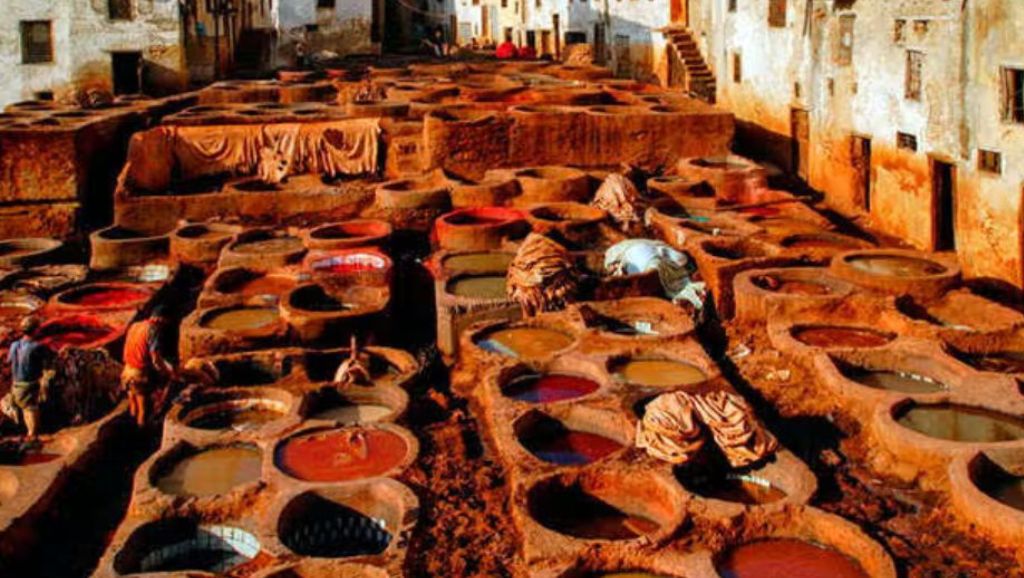
The tanneries of Fes are one of the city’s most iconic and enduring landmarks. For over a thousand years, these tanneries have been producing high-quality leather goods using traditional methods that have been passed down through generations. Located just outside the medina, the tanneries of Fes are a testament to Morocco’s rich history of craftsmanship and its continued commitment to preserving ancient trades. As you walk through the streets surrounding the tanneries, the vibrant colors of leather being dyed in large vats can be seen from a distance, creating a visual spectacle that has drawn tourists and artisans alike for centuries.
The tanning process in Fes is deeply rooted in Islamic and Berber traditions. The tanneries use natural methods to treat the hides, including vegetable dyes and animal-based tannins. This sustainable approach not only ensures the quality of the leather but also reflects the environmental practices that have been employed by Moroccan craftsmen for generations.
The traditional process of leather dyeing
The process of dyeing leather in Fes is a fascinating and intricate procedure that has remained largely unchanged for centuries. The leather used in Fes’s tanneries comes primarily from sheep, goats, and cows, and each type of leather is treated differently depending on its intended use. The first step in the process is to soak the hides in a mixture of water and natural chemicals, such as lime and salt, which help to remove any hair and soften the leather.
Once the hides have been prepared, they are transferred to large vats where they are soaked in a variety of natural dyes made from plant materials such as pomegranate, henna, and indigo. These dyes create a range of vibrant colors, from deep reds and browns to bright yellows and greens. Visitors can often observe the workers as they dip the leather into the vats, their hands stained with the colorful dyes.
The dyeing process is a labor-intensive task that requires skilled artisans who have mastered the art of leather tanning. The workers use wooden paddles to agitate the leather in the vats, ensuring the dye penetrates the material evenly. The leather is then left to dry in the sun before being further processed into goods such as bags, shoes, and belts.
A cultural experience at the tanneries
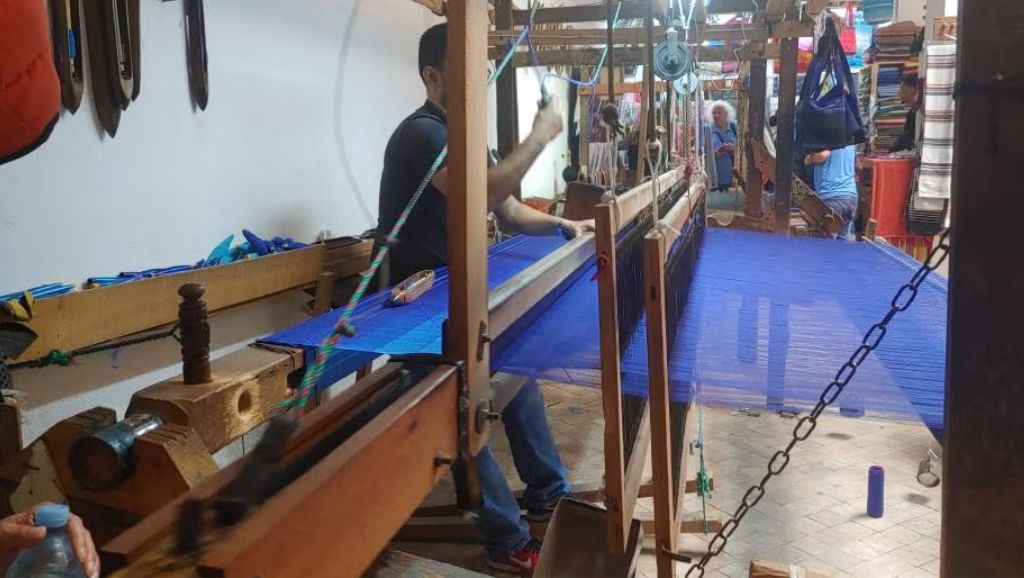
Visiting the tanneries of Fes is not only a glimpse into the city’s rich history but also an immersive cultural experience. Visitors to the tanneries can take guided tours where they learn about the ancient methods of leather crafting and observe the artisans at work. The sight of dozens of workers moving in unison, each performing their part of the process, is a fascinating spectacle that gives insight into Morocco’s centuries-old craft traditions.
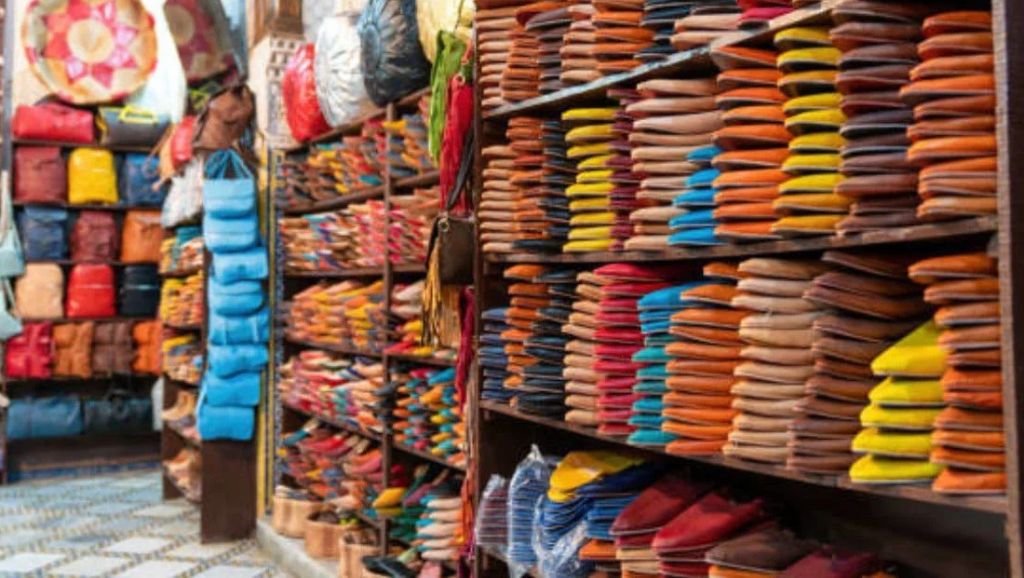
The tanneries are also an excellent place to purchase high-quality leather goods, which make for unique and authentic souvenirs. The goods produced in Fes are renowned for their quality, and the city’s leather products are highly prized both in Morocco and abroad. From finely crafted leather jackets and bags to traditional slippers and poufs, Fes’s leather goods are a testament to the city’s commitment to craftsmanship and its deep cultural heritage.
The tanneries and the environment
While the tanneries are an important part of Fes’s economy, they also raise environmental concerns due to the chemicals used in the tanning process. Over the years, efforts have been made to improve the environmental impact of the tanneries. Some of the tanneries have introduced more sustainable practices, such as recycling water and using less harmful chemicals. However, the traditional methods remain deeply ingrained in the culture of Fes, and the tanneries continue to operate using techniques that have been passed down through generations.
In recent years, the city of Fes has worked to balance the preservation of this important cultural tradition with the need for sustainable development. As global awareness of environmental issues increases, there is a growing effort to preserve the tanneries while reducing their impact on the environment. This delicate balance between tradition and sustainability is an ongoing challenge for the people of Fes, who are proud of their heritage and craftsmanship but also mindful of the future.