
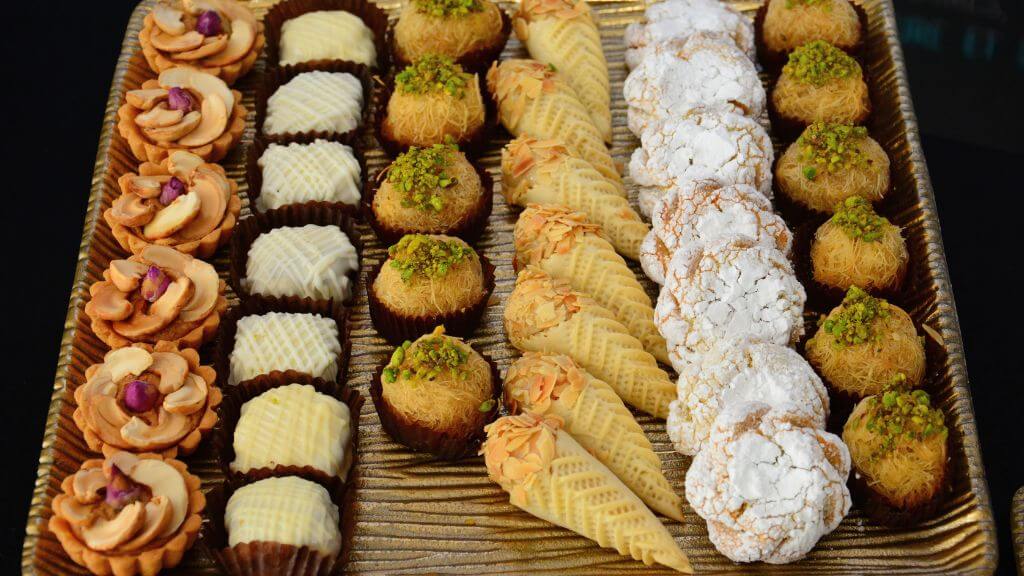
Bringing pastries from Tangier back to the United States or Canada is one of the nicest ways to extend your trip and share it with your loved ones. The good news is that many Moroccan dry or semi‑dry pastries (almond biscuits, fekkas, well‑baked gazelle horns, packaged chebakia, etc.) generally travel well and are allowed on planes, as long as you follow the safety and customs rules of your destination country. In this section, you’ll see which pastries to prioritise, how to choose them in the shop, how to pack them for the flight and which habits to adopt to get through airport checks without stress.
When you fall in love with Tangier’s pastries, the urge to fill your suitcase with sweet boxes to share at home comes almost naturally. But between choosing the right cakes, the length of the flight, airline rules and U.S. or Canadian customs requirements, it can be hard to know what to buy and how to pack it. This section walks you step by step through which pastries to prioritise, how to have them packaged in the shop and what precautions to take so they arrive intact and are accepted on arrival.
Which pastries should you choose for travel?
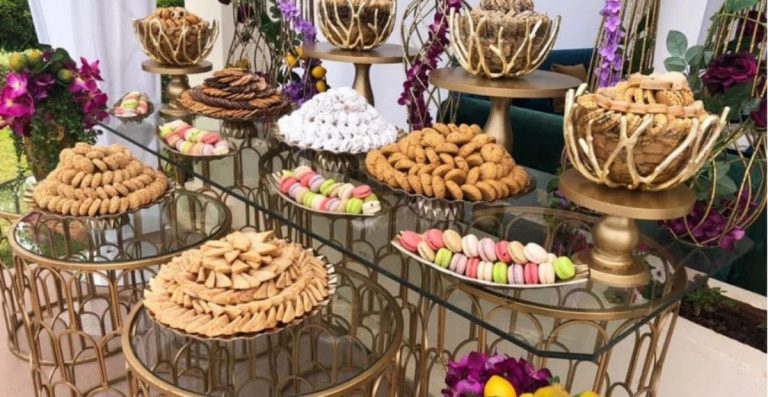
For a Tangier–United States or Tangier–Canada trip, it’s best to prioritise dry or semi‑dry pastries, which handle temperature changes and movement better. Well‑baked gazelle horns, fekkas, almond shortbread, ghribia, sesame biscuits and properly drained chebakia are all good options, as they are less likely to get squashed than layered desserts or creams and can be kept for several days without refrigeration. Try to avoid very fragile cakes with fresh cream, whipped cream or fresh fruit, as they are more likely to be refused at security checks or to arrive in poor condition after several hours of travel.
How to have your boxes packed in a shop in Tangier
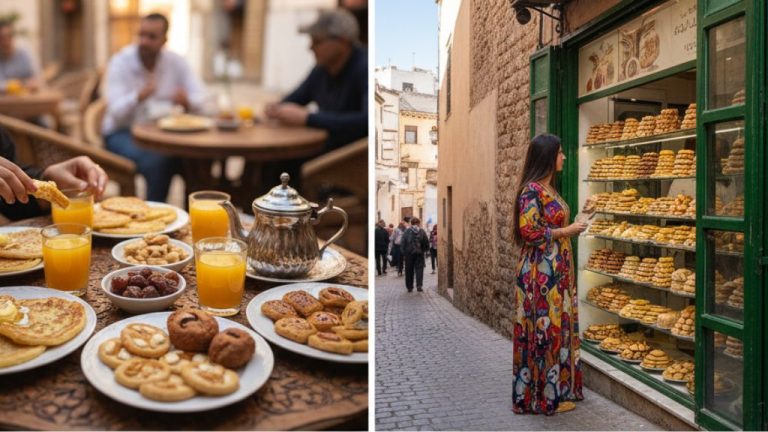
When you buy pastries in Tangier to take home, don’t hesitate to tell the shop assistant that you’re flying and that the boxes will be travelling for a long time. Ideally, ask for rigid boxes (thick cardboard or metal), filled well so the pastries don’t move too much, and if possible have them add a layer of food‑safe paper or film around the assortments to keep everything in place. You can also ask for double packaging: the main box plus a reinforced bag or a second outer box, to reduce shocks during transport in the cabin or in the hold.
Air transport: cabin, hold and precautions to take
To transport your pastries from Tangier, the safest option is usually to keep them in your cabin baggage, as most airlines allow solid food (cakes, biscuits, chocolates) as long as it’s well packed and easy to inspect. Place the boxes in a stable bag, on top of or in the middle of your belongings to prevent them from being crushed, and avoid anything that looks like creams, sauces or very liquid preparations, which could be treated as liquids subject to the 100 ml rule. If you have to put them in the hold, protect the boxes even more by surrounding them with clothes and check the total weight so you don’t exceed your airline’s baggage allowance.
Basic rules for clearing customs in the United States and Canada
Before your return trip, always check the official regulations of U.S. Customs and Border Protection and the Canada Border Services Agency, as they specify which types of food are allowed or restricted. As a general rule, dry pastries or fully baked items without fresh cream, meat or unprocessed dairy products are more easily accepted, as long as they are for personal consumption and in small quantities. On arrival, always declare that you’re carrying food: this shows good faith and helps avoid issues if you’re subject to more detailed checks, even if, in the worst case, some products may have to be surrendered.
Storage tips once you’re back home
Once you’re back in the United States or Canada, take a moment to check the condition of your pastries and remove them from their travel packaging so you can store them properly. Dry or semi‑dry cakes (fekkas, shortbread, ghribia, well‑baked gazelle horns, sesame biscuits) generally keep for several days at room temperature in an airtight box, away from heat and humidity. For pastries that are richer in honey or slightly more fragile, such as chebakia or certain briouats, it can be a good idea to eat them more quickly or, if needed, store them in the fridge in a tightly closed container, letting them come back to room temperature before serving so you can enjoy their textures and flavours at their best.