
Tangier’s Mediterranean climate offers year-round appeal, but timing your visit can transform your experience. Spring brings mild temperatures and blooming gardens, while summer delivers beach weather and vibrant energy. Fall provides comfortable exploration conditions, and winter offers fewer crowds with occasional rain. Understanding the city’s weather patterns, peak tourist seasons, and cultural events helps you maximize your adventure in this captivating Moroccan destination that bridges two continents.
Spring in Tangier : March to May
Spring is honestly my favorite time to visit Tangier. The temperatures start climbing from the cool winter months but haven’t hit the summer heat yet. You’re looking at daytime temps between 60-75°F which feels perfect for walking through the medina or exploring the Kasbah.
March can still be a bit unpredictable with occasional rain showers but by April everything starts blooming. The gardens around the city come alive and the light has this soft quality that photographers love. May is particularly beautiful because you get warm days without the summer crowds that arrive in June.
The only downside is that the water is still cold if you’re planning beach time. But for sightseeing and wandering the old town this season can’t be beat. Hotels are reasonably priced and you won’t be fighting tourist masses at popular spots like the Caves of Hercules.
Summer : June to August
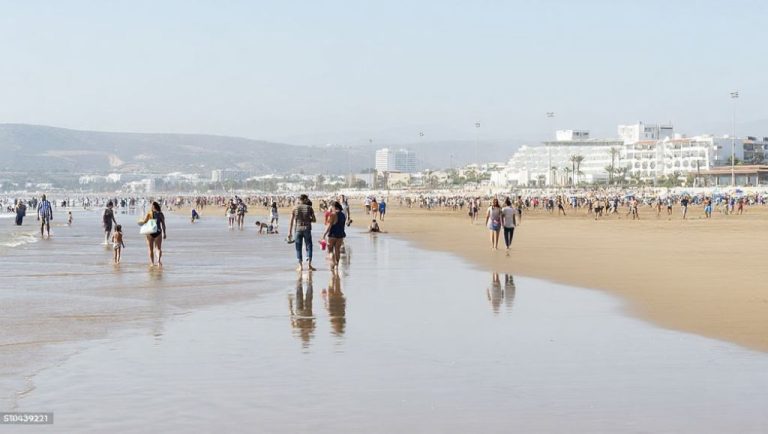
Summer brings the heat and the crowds. Temperatures regularly hit 80-85°F and can climb higher during heat waves. The bonus is that the Mediterranean becomes swimmable and beach culture takes over the city.
June is the sweet spot before peak season really kicks in. You get warm weather and longer daylight hours but tourists haven’t fully descended yet. July and August see the city packed with both international visitors and Moroccans from other cities escaping inland heat.
The medina feels more chaotic during these months. Vendors are everywhere and navigating the narrow streets requires patience. If you thrive in bustling environments you’ll love it. If crowds stress you out I’d suggest visiting during shoulder season instead.
One thing I always tell people about summer in Tangier is that evenings cool down nicely thanks to sea breezes. You might be sweating during afternoon exploration but by dinner time a light jacket feels good at outdoor cafes.
Fall : September to November
Fall rivals spring as the best time to visit. September still feels like summer with warm temperatures and calm seas but tourist numbers drop significantly after the first week. October offers ideal weather for pretty much everything you want to do in Tangier.
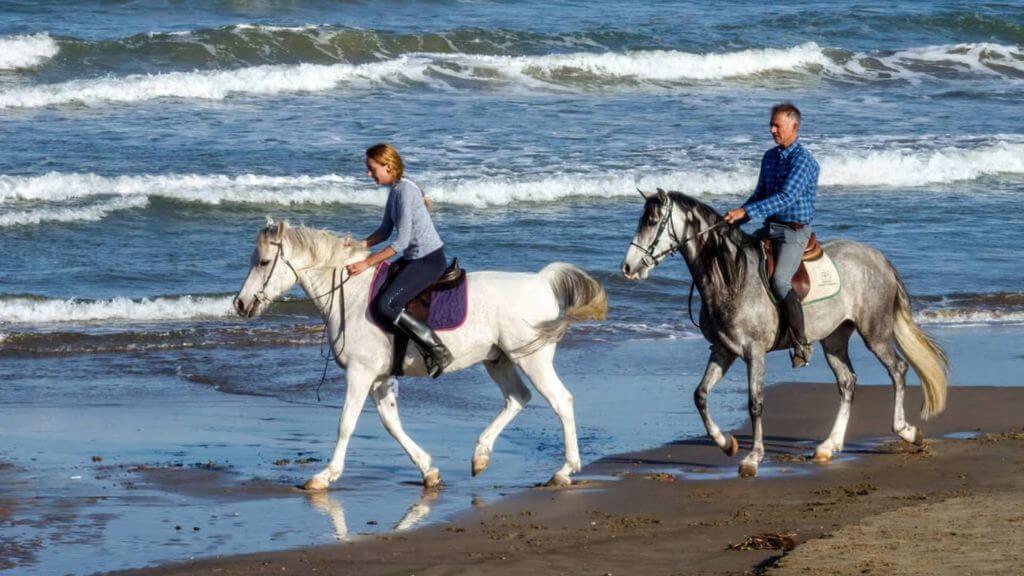
The temperatures range from 65-75°F in October which makes walking tours comfortable. The sea stays warm enough for swimming well into October too. November starts cooling down and you’ll see more rain but it’s still pleasant compared to winter in most of the United States.
This is when I recommend visiting if you want to experience Tangier more authentically. The city returns to its normal rhythm after summer chaos. Local markets feel less touristy and you’ll have better interactions with shopkeepers who aren’t overwhelmed.
Hotel prices drop in fall which means better value for your money. You can often score deals on nicer accommodations that would cost significantly more during peak months.
Winter : December to February
Winter in Tangier surprises many Americans who expect Morocco to be warm year-round. Temperatures typically range from 50-60°F during the day but can dip into the 40s at night. Rain becomes more frequent especially in January.
The upside is that you’ll have the city largely to yourself. Major attractions have short or no lines and you can photograph iconic spots without dozens of people in your frame. The light during winter has a unique quality that makes the whitewashed buildings of the Kasbah glow.
Indoor spaces like museums and cafes become more appealing during this season. Café Hafa with its terraced seating overlooking the Strait of Gibraltar feels particularly atmospheric on a moody winter afternoon. Just remember that many Moroccan buildings lack central heating so layers are essential.
December can be pleasant with occasional sunny days that feel springlike. February marks the transition toward spring with temperatures gradually climbing and longer daylight hours returning.
Special events and festivals
Ramadan shifts dates each year based on the lunar calendar so check when it falls if you’re planning a trip. The holy month transforms the city’s rhythm with restaurants closed during daylight hours and vibrant evening activities after sunset. It’s a unique time to visit but requires flexibility and cultural sensitivity.
The Tanjazz festival usually happens in September and brings international jazz musicians to venues around the city. If you’re into music this event adds another dimension to your visit.
Summer months see various cultural festivals celebrating everything from film to literature. These events reflect Tangier’s artistic heritage and cosmopolitan character.
My Recommendation
If you’re asking me when to book your trip I’d say April-May or September-October. These months offer the best combination of pleasant weather, manageable crowds and good value. You’ll experience Tangier at its most comfortable and authentic.
That said every season has merit. Summer works if beaches are your priority and you don’t mind crowds. Winter appeals to budget travelers and those seeking solitude. The key is matching the season to your travel style and priorities.
Once you’ve picked your dates the next step is figuring out how to actually get there from the United States. Check out my guide on flights and transportation options to start planning your journey to this incredible Moroccan city.