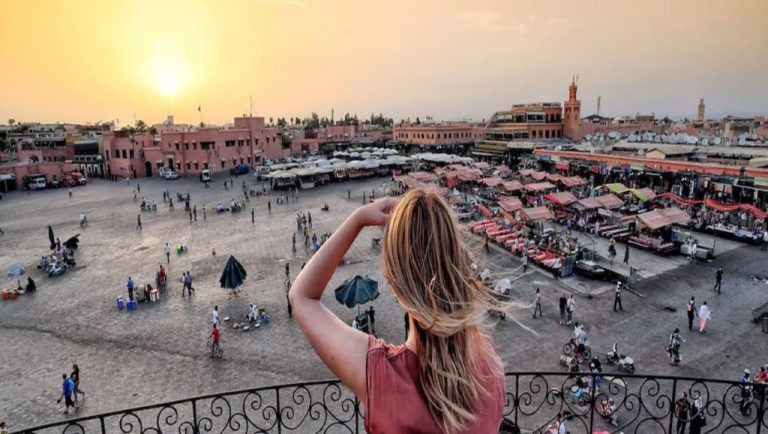


Reaching Marrakech from the United States requires strategic planning, as direct flights aren’t available. Most American travelers connect through major European hubs like Madrid, Paris, or Lisbon before the flight to Marrakech Menara Airport. Understanding your routing options, visa requirements, and ground transportation choices ensures a smooth arrival. Whether you’re planning your first Moroccan adventure or returning to explore more, navigating the journey efficiently sets the tone for an unforgettable experience in this vibrant red city.
Understanding your flight options
Marrakech Menara Airport serves as your arrival point It’s a modern facility about 6 kilometers from the city center and handles both international and domestic flights. The airport expanded significantly in recent years to accommodate growing tourist numbers.
From the US you’ll need at least one connection and sometimes two depending on your departure city. The most common routing involves flying to a major European hub then catching a flight to Marrakech . Total travel time typically ranges from 12 to 16 hours including layovers.
Best European hubs for connections
Madrid stands out as one of the smoothest connection points. Iberia and Royal Air Maroc both operate frequent flights between Madrid and Marrakech with flight times around 3 hours. The Madrid airport is well organized and immigration usually moves quickly.
Paris Charles de Gaulle offers another solid option especially if you’re departing from the East Coast. Air France and Royal Air Maroc service this route multiple times daily. The layover can be tight though so I recommend allowing at least three hours between flights.
Lisbon has become increasingly popular for US travelers heading to Morocco. TAP Air Portugal runs a convenient schedule and the flight from Lisbon to Marrakech takes just over 3 hours. Plus if you have a longer layover Lisbon is a beautiful city to explore for a few hours.
Barcelona works well if you’re already planning to spend time in Spain. Vueling and other budget carriers fly this route affordably. Just remember that budget airlines often use different terminals which can complicate connections.
Direct routes to consider
If you’re on the East Coast cities like New York, Boston and Washington DC offer the most flight options to European hubs. JFK has daily service to Madrid, Paris and Lisbon making connections relatively easy.
West Coast travelers from Los Angeles or San Francisco face longer journey times. You’ll likely connect through the East Coast before heading to Europe or fly nonstop to a European city then onward to Marrakech. The total travel time can push 18-20 hours.
Chicago, Atlanta and Miami also provide good gateway options with multiple daily flights to European destinations that connect to Marrakech.
Booking strategy
I always recommend booking your entire journey as one ticket rather than separate legs. If your first flight delays and you miss your connection the airline takes responsibility for rebooking you. Separate tickets mean you’re on your own.
Royal Air Maroc offers the most direct routing for many US cities through their Casablanca hub. You can fly from New York or Washington to Casablanca then catch a short domestic flight to Marrakech. The Casablanca connection adds time but provides a reliable routing with Morocco’s national carrier.
Start searching for flights about 3-4 months before your planned departure. Prices fluctuate but booking too early or too late usually costs more. Tuesday and Wednesday departures tend to be cheaper than weekend flights.
Visa requirements for Americans
US passport holders don’t need a visa for tourist visits to Morocco under 90 days. Your passport must be valid for at least six months beyond your planned departure date from Morocco. Immigration officials sometimes check this strictly so don’t risk arriving with an expiring passport.
You’ll fill out a short arrival card on the plane listing your accommodation address and purpose of visit. Keep this card because you’ll need it when leaving the country. I always photograph mine in case it gets lost.
Arriving at Marrakech airport
The airport feels manageable compared to massive international hubs. After landing you’ll clear passport control which usually takes 15-30 minutes depending on how many flights arrived around the same time. Baggage claim is straightforward with clear signage in Arabic, French and English.
Currency exchange counters are available in the arrivals area but rates aren’t great. I suggest exchanging just enough for immediate needs like taxi fare then using ATMs in the city for better rates. Major credit cards work at the airport but cash remains king in Morocco.
Ground transportation from the airport
Taxis are the most common way to reach central Marrakech from the airport. Official taxi stands are located right outside arrivals. The fare to most hotels in the medina or Gueliz runs 100-150 dirhams which is roughly $10-15. Always agree on the price before getting in the car.
Some drivers will tell you the meter is broken or try to charge inflated prices. Politely insist on the meter or walk to another taxi. Most drivers are honest but tourist areas attract a few opportunists.
If you’ve arranged accommodation in advance many hotels and riads offer airport pickup for 150-250 dirhams. This costs slightly more but eliminates negotiation and provides peace of mind especially if you’re arriving late at night.
Rental cars are available at the airport through major international companies. I don’t recommend renting a car just for Marrakech city itself because parking is challenging and taxis are cheap. But if you’re planning to explore the Atlas Mountains or desert regions a rental makes sense.
Alternative entry points
Some travelers fly into Casablanca Mohammed V Airport instead because it offers more international connections. From there you can take a domestic flight to Marrakech or ride the excellent Al Boraq high speed train. The train journey takes about 3 hours and costs around 200 dirhams for second class.
The train option appeals to people who want to see Moroccan countryside and avoid another flight. Plus the Casablanca airport train station connects directly to the terminal making transfers easy.
Another creative route involves flying to southern Spain then taking a budget flight from Malaga or Seville to Marrakech. Several European carriers operate these routes affordably. This works well if you’re combining Spain and Morocco in one trip.
Tips for smooth travel
Download offline maps of Marrakech before you leave home. Airport wifi can be spotty and having navigation ready helps with ground transportation. I use Maps.me which works great without data connection.
Bring an empty water bottle through security and fill it after passport control. Staying hydrated during long travel days makes a huge difference in how you feel upon arrival.
Pack any prescription medications in carry-on luggage with original packaging. Moroccan customs rarely checks this but being prepared avoids potential issues.
Making it all work
Yes getting to Marrakech requires effort compared to easier international destinations. The connections and planning feel like work upfront. But once you arrive and start exploring this fascinating city you’ll forget about the journey. The vibrant souks and the energy of Jemaa el-Fnaa make every travel hour worthwhile.