
The first time I arrived in Morocco for Yennayer, the Amazigh New Year, I was struck by a quiet, almost sacred stillness. The Atlas Mountains rose like ancient guardians, their peaks dusted with snow, and the air was crisp, carrying the scent of cedar and the faint tang of morning frost. I remember the sound of my boots crunching on gravel, mingling with the distant crowing of roosters and the soft murmur of villagers preparing for the day. Even before the sun had fully risen, the village seemed alive with expectation, a gentle rhythm that I felt more than I saw.
I clutched a small clay cup of mint tea in my hands. The warmth seeped through my fingers, carrying with it the subtle bitterness of brewed leaves softened by the delicate sweetness of wild honey. Steam curled upward, carrying aromas that blended with the earthy scent of the village’s adobe walls. I realized then that Yennayer is not just a date on the calendar—it is a multi-sensory experience that connects you to the land, the people, and the cycles of life itself.
Walking through narrow alleys, I noticed the textures under my fingertips: rough woven carpets hanging to dry, sun-warmed clay walls, and wooden doors polished smooth from generations of use. Children laughed, chasing one another through the alleys, their voices bright and lively against the quiet of the morning. Each sound, each touch, each smell seemed to tell a story. I felt as if the past and present were woven together, and in that weave, the festival came alive.
Yennayer is an invitation to slow down, to observe, to taste, to listen, to reflect. It is both cultural and restorative. The festival is rooted in the rhythms of the land: planting, harvest, winter, and renewal. For a traveler from the Delmarva Peninsula, or anywhere in the United States, it offers a rare opportunity to step out of time measured by clocks and into time measured by seasons, shared meals, and communal joy.
Throughout this journey, you will witness rituals that honor the earth, taste foods prepared with mindfulness, feel the warmth of fire and human connection, and hear stories sung across generations. You will see how wellness is embedded in culture, how community and tradition can nourish the body and the spirit, and how simply being present can transform an ordinary day into a profound experience. This is the world of Yennayer, and I invite you to step inside.
The Origins of Yennayer and Its Cultural Significance
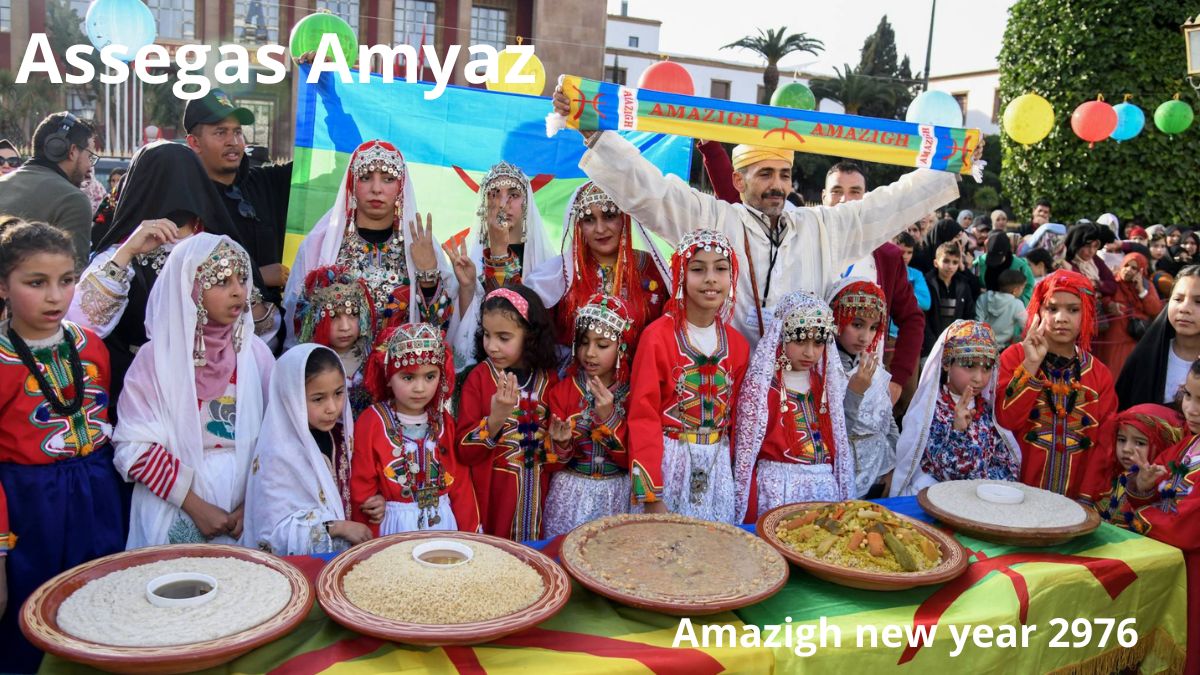
Yennayer, the Amazigh New Year, is much more than a simple festival, it is a living bridge to a heritage that stretches back thousands of years. Observed on January 12th, it marks the beginning of the agrarian calendar, guiding communities through the cycles of planting, harvest, and renewal. When I first listened to the elders explain the origins, I was struck by the way they spoke with both authority and warmth, weaving history into story, rhythm, and gesture. Their voices were soft but deliberate, each word carrying centuries of oral tradition.
Walking through the village at dawn, I felt the texture of frost underfoot, cold and fragile like crushed glass, while the smell of cedar smoke from chimneys mingled with the earthy scent of recently tilled soil. Children ran past, their laughter echoing against adobe walls, scattering the silence with joy. In those moments, the origins of Yennayer were not just learned intellectually, they were felt.
The festival has always been intertwined with the land. The Amazigh, also known as Berbers, measured life in cycles of sun, soil, and water. Families would honor the seasons, give thanks for rainfall, and offer blessings for fertility and prosperity. The rituals included symbolic acts like scattering grains, lighting fires, and sharing bread, each infused with intention. I remember touching the coarse, uneven surface of a clay pot filled with barley, feeling the weight of history and sustenance in my hands. The tactile experience was almost meditative, connecting me to generations of people who had relied on these simple acts to thrive.
Yennayer is also a celebration of identity. In a world that often moves too quickly, the festival preserves the Amazigh language, songs, dances, and culinary traditions. When I sat with families sharing stories, I noticed the subtle ways they passed wisdom to children through gestures, rhymes, and games, rather than written text. There was a profound sense that every act, from preparing the feast to arranging herbs on the doorstep, carried layers of cultural meaning.
Spiritually, Yennayer is a time for reflection and renewal. Elders offer guidance and blessings, not in abstract terms, but grounded in daily life. I remember an elder placing a hand on my shoulder and speaking of the importance of patience, gratitude, and connection to the earth. In that simple gesture, I understood one of the festival’s deepest lessons: that culture, wellness, and spirituality are inseparable, and that observing Yennayer teaches mindfulness in its most natural form.
For travelers, understanding the origins of Yennayer transforms the experience from mere observation to active participation. It invites you to slow down, breathe in the crisp mountain air, feel textures under your fingers, and absorb lessons that cannot be found in guidebooks. The festival is a reminder that time is cyclical, life is communal, and every season, every new year, offers an opportunity to realign with purpose, presence, and gratitude.
Traditional Foods and Culinary Rituals of Yennayer
If culture is the skeleton of Yennayer, food is undoubtedly its heartbeat. From my very first morning in a Berber village, I was enveloped by the aromas of freshly baked barley bread, simmering lentils, and the subtle sweetness of dates and figs arranged neatly on woven trays. The scent was so rich and grounding that it seemed to anchor me to the rhythm of the day, as if every meal were a meditation in itself.
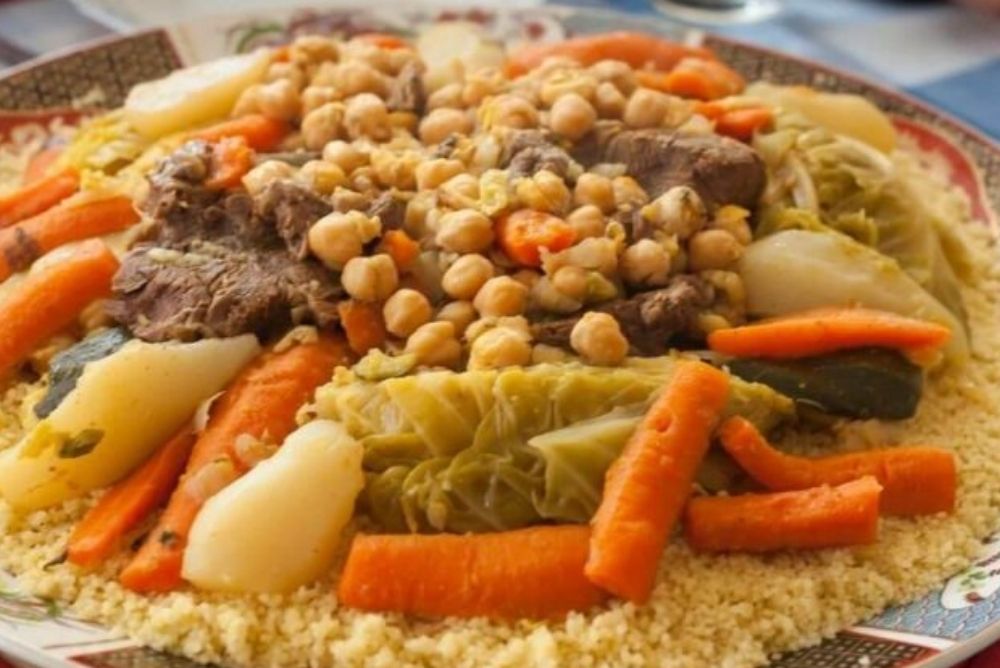
I remember stepping into a small kitchen, where an elderly woman kneaded dough on a low wooden table. Her hands moved with practiced grace, pressing and folding the coarse, slightly sticky semolina. The texture under my fingers was both firm and yielding, warm from hours of preparation. She smiled and gestured for me to try, and as I rolled the dough, I could feel a connection, not just to her, but to countless generations who had prepared the same ingredients in the same way. The kitchen smelled faintly of roasted barley and simmering olive oil, layered with the earthy aroma of dried herbs hanging overhead.
Yennayer meals are deeply symbolic. Barley represents abundance, lentils signify fertility, and honey brings sweetness and blessing to the year ahead. Every ingredient carries meaning, transforming simple food into ritual. Families gather to prepare feasts communally, and the act of cooking itself becomes an expression of mindfulness. I observed children sprinkling almonds and raisins over couscous, their tiny fingers dusted with flour, the soft tap-tap sound punctuating the warm chatter of the kitchen. Each sound, smell, and touch reinforced the festival’s theme of connection and presence.
One of the most striking dishes is taguella, a flatbread baked over open flames. The process is slow and deliberate: the dough rests on a bed of embers, releasing a nutty, smoky aroma that fills the courtyard. I watched as villagers carefully flipped the bread, feeling its heat and noticing the way it crisped unevenly along the edges. Eating it warm, the flavor was subtle yet profound, a perfect metaphor for Yennayer itself: humble, grounded, and rich with meaning.
Even small gestures carry significance. Sharing a cup of mint tea with neighbors or offering dried fruits to a visiting family member is more than hospitality, it is a tangible expression of gratitude and community. I remember sipping the tea, feeling its warmth spread through my chest, while inhaling the sharp, fresh scent of crushed mint leaves. The experience was meditative, restorative, and joyful all at once.
For travelers, participating in these culinary rituals is transformative. It teaches patience, attentiveness, and the art of savoring both flavors and moments. More than just a meal, Yennayer food rituals offer a way to engage all senses, understand cultural values, and reconnect with the simple pleasure of nourishment. By the end of the day, I found that eating became a form of mindfulness, a practice that not only filled my stomach but calmed my mind and lifted my spirit.
Yennayer Celebrations and Rituals Across Morocco
Celebrating Yennayer is a deeply communal experience, but the ways it is observed vary across Morocco’s diverse landscapes. In the Rif Mountains, I arrived just as the first light of dawn brushed the village rooftops. The cold air carried the sharp scent of pine and frost, while distant goat bells jingled softly, punctuating the silence. Children were already running along the narrow lanes, scattering wheat grains onto the earth, a symbolic act meant to ensure fertility and abundance for the year. The crunch of grains beneath their feet created a rhythmic accompaniment to their laughter, and I couldn’t help but feel transported to a time when life moved at the pace of the seasons.
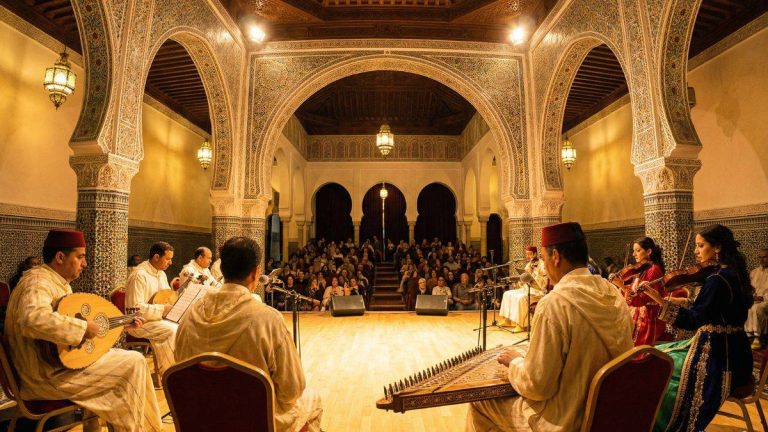
In the Souss region, the festival has a musical heartbeat. Drums, tambourines, and the soft strum of string instruments fill courtyards and squares. I joined villagers in a circle as dancers moved in intricate patterns, their feet striking the stone ground in precise rhythm. The vibrations traveled through my legs and chest, connecting me physically to the energy of the land and the people. Colors abounded bright textiles, woven rugs, and clay figurines decorating doorways and each element seemed to carry its own story of protection, prosperity, and communal pride.
During Yennayer, reconciliation is as important as celebration. Elders offer blessings to younger generations, and neighbors exchange gifts of dried fruits, almonds, and home-baked breads. I watched an elderly woman place a tiny plate of honey and figs on the doorstep of a neighbor’s home. The gesture, simple yet deliberate, spoke volumes about the values of generosity and shared joy. It reminded me that Yennayer is not merely a festival to witness, but a philosophy to absorb: kindness, gratitude, and presence are at its core.
Food, music, and ritual are inseparable from the landscape itself. Smoke curling from chimneys mingles with the earthy aroma of wet stone, while the distant sound of flowing water adds a natural rhythm to the celebration. I remember leaning against a sun-warmed wall, feeling its coarse texture under my hands, and inhaling deeply as the scents and sounds of the village intertwined with the crisp mountain air. Every moment was layered with sensory richness, teaching me that the environment, the people, and the traditions are all part of one seamless whole.
Even in urban areas, Yennayer retains its intimate spirit. Families gather around fires, sing ancestral songs, and prepare symbolic meals. Yet, in remote villages, the festival’s authenticity is palpable. For travelers seeking cultural immersion, these celebrations offer more than spectacle; they are an opportunity to participate, reflect, and absorb lessons about community, resilience, and mindful living. Witnessing and joining in these rituals leaves you with a profound sense of connectedness to the people, the earth, and the cycles of life.
Through music, food, and ceremonial gestures, Yennayer reminds us that celebration is not merely entertainment—it is a way of inhabiting life fully, acknowledging the past, nurturing the present, and looking forward with intention. I left each village feeling both grounded and inspired, aware that the festival’s lessons were not confined to Morocco, but could resonate with anyone willing to embrace mindfulness and gratitude.
The Spiritual and Wellness Dimensions of Yennayer
Yennayer is not only a festival, it is a journey into mindfulness and personal renewal. One early morning, I walked along a quiet mountain path just before sunrise. The frost underfoot crunched with each step, a sharp contrast to the soft whispers of wind weaving through olive trees. The air carried a crisp scent of cedar, mingled with damp earth, and for a moment, I felt suspended between the past and the present. It was a rare pause that allowed me to breathe deeply, noticing how the cold air invigorated my lungs and how the silence of the village felt like a form of meditation.
The wellness aspects of Yennayer are subtle yet profound. Families use rituals to cleanse both spaces and hearts. I observed an elder sprinkling barley grains along thresholds, murmuring blessings for health, prosperity, and harmony. Touching the grains, I felt their smooth, rounded texture against my palms, a tactile reminder of the tangible ways humans mark transitions and intentions. The ritual was calming, almost like a yoga practice for the soul, where intention and action were inseparable.
Mindfulness extends to daily life during Yennayer. Cooking, sweeping, and tending gardens become meditative acts. I helped prepare a tagine, feeling the coarse spices rub between my fingers, inhaling the warm aroma of cumin, coriander, and cinnamon blending over the fire. Each stir of the pot, each measured pinch of spice, created a rhythm that mirrored the steady beating of my heart, grounding me fully in the present. It was a lesson in presence that no retreat center could replicate; here, wellness was woven into the fabric of everyday life.
The spiritual dimension is also deeply communal. Villagers offer blessings and guidance, often in the form of gentle conversation or shared meals. I sat with a small family, feeling the warmth of the hearth on my skin and the soft hum of conversation around me. Their words were simple but resonant, carrying wishes for balance, patience, and gratitude. I realized that Yennayer teaches wellness not as a solitary practice but as a lived, shared experience.
Even walking through the village became restorative. The sound of children playing, the texture of handwoven carpets, and the smell of baking bread combined into a multi-sensory meditation. I felt a rare sense of alignment, where mind, body, and environment harmonized effortlessly. Travelers often seek wellness in spas or yoga studios, yet Yennayer offers something deeper: a holistic approach where culture, community, and mindfulness converge naturally.
By the end of the day, I felt rejuvenated, aware of how ritual, intention, and sensory engagement could restore balance. The festival invites participants to slow down, reflect, and reconnect with themselves, with others, and with the land. Experiencing Yennayer in this way transforms ordinary travel into a profoundly restorative journey, teaching that true wellness is not separate from life, but embedded in it.
Visiting Berber Villages for an Authentic Yennayer Experience
To truly understand Yennayer, one must step into the heart of a Berber village. On my first visit, I arrived in the foothills of the High Atlas Mountains just before dawn. The adobe walls of homes glowed faintly in the pre-sunlight, and the cold winter air carried the sharp scent of pine mixed with the earthy aroma of tilled soil. The frost made the stone paths slick under my boots, and each careful step produced a satisfying crunch, echoing softly against the quiet morning.
The villages are alive with small, deliberate rituals. Children scatter barley for blessings, elders prepare traditional dishes, and families exchange gifts of dried fruits, honey, and handmade crafts. I remember helping an elderly woman stir a pot of simmering couscous. The grains were soft yet grainy, slipping smoothly between my fingers, while the aromatic mixture of olive oil, cumin, and fresh herbs filled the kitchen. Every action felt intentional, a meditation embedded in the rhythm of daily life.
Hospitality is central to the experience. I was offered a cup of mint tea in a small ceramic cup. The liquid was warm, almost hot, carrying the subtle bitterness of brewed mint leaves softened by a hint of sugar. As I sipped, I noticed the way the family exchanged quiet words and smiles, their gestures gentle and rhythmic. The sound of the tea being poured soft and rhythmic against the cup became part of the day’s subtle symphony.
Participating in these rituals requires humility and attentiveness. I carried water from a nearby stream, feeling the chill bite at my hands, and joined the preparation of firewood for cooking. Each small act reinforced a sense of connection to both the community and the landscape. I learned quickly that in these villages, the festival is not something to watch passively, it is something to live, touch, taste, and hear.
The village architecture itself speaks volumes. Adobe walls retain warmth from the sun, providing a tactile reminder of resilience and continuity. Narrow alleys funnel sounds, so a distant drumbeat or children’s laughter resonates more vividly. Textures of handwoven rugs and blankets under my fingertips, the scent of dried herbs hung above hearths, and the taste of freshly baked bread all formed layers of sensory memory.
For travelers from outside Morocco, visiting these villages during Yennayer is transformative. You are invited into a living tradition where time slows, attention sharpens, and simple gestures carry profound meaning. I left the village not only with photographs and memories but with a deeper understanding of the interwoven nature of culture, wellness, and community, a feeling that lingered long after I returned home.
Planning Your Trip Around Yennayer in Morocco
Experiencing Yennayer requires thoughtful planning to fully immerse yourself in both the cultural and wellness aspects of the festival. On my first trip, I started by mapping the villages I wanted to visit, from the snow-dusted peaks of the High Atlas to the sun-warmed plains of Souss. The air, crisp and scented with pine, immediately signaled that winter in Morocco carries a quiet vitality, a contrast to the crowded tourist seasons of spring and summer.
Travel logistics are part of the journey itself. Roads wind through mountains, past terraced fields and small villages, and the sounds of local life fill the air: the clatter of goats’ hooves on stone, the distant song of a shepherd calling his flock, and the faint hum of morning prayers from minarets. Driving through these landscapes feels like moving through a living painting, every curve revealing new textures, colors, and scents. I remember the rough stone under my fingertips as I steadied myself along a cliffside path, the chill of the wind brushing against my cheeks, and the sweet aroma of wild thyme growing along the roadside.
Timing is crucial. Yennayer occurs on January 12th, but preparations often begin days in advance. Villages bustle with activity, women grinding barley, men arranging firewood, children rehearsing dances and songs. Arriving early allows travelers to witness these intimate moments. I spent hours watching families prepare traditional dishes, feeling the grainy texture of barley slip through my fingers and inhaling the rich, earthy aroma of lentils simmering over an open flame. These moments provide insight into the rhythm and meaning of the festival that no guidebook can replicate.
Accommodations vary widely, from simple guesthouses to homestays. Staying with a local family enhances the sensory experience: you wake to the scent of baking bread, hear the distant crowing of roosters, and feel the warmth of the hearth radiating through the room. I recall the comforting texture of wool blankets, handwoven by village women, and the subtle chill of the morning air that encouraged slow, mindful mornings. Each detail contributes to the immersive experience, reinforcing the festival’s themes of mindfulness, presence, and connection.
When planning your itinerary, allow flexibility. Villages may host surprise gatherings, music sessions, or outdoor feasts that aren’t publicly advertised. I remember following the sound of drums down a winding alley, discovering a circle of dancers, and joining them in celebration. The rhythm under my feet, the scent of wood smoke, and the laughter around me created a memory that remains vivid years later.
Finally, prepare to engage all senses. Taste traditional foods, feel textures of handmade crafts, listen to stories and songs, and breathe deeply the unique scents of each village and season. Yennayer is not just a festival to observe, it is a journey of cultural immersion and personal renewal. With careful planning, you can experience the full richness of Morocco’s Amazigh heritage and leave with memories that nourish both body and spirit long after the trip ends.
Conclusion: Embracing Yennayer as a Journey of Culture and Wellness
Experiencing Yennayer in Morocco is more than attending a festival, it is stepping into a living tradition that nourishes both body and soul. From the first bite of freshly baked barley bread to the rhythmic beat of drums in a mountain village, every moment is a reminder that culture, wellness, and community are inseparable. I found myself fully present, inhaling the earthy scents of the land, feeling the textures of handwoven rugs and clay walls, and listening to stories carried across generations.
The festival teaches patience, mindfulness, and gratitude. I watched elders bless homes with barley, children scatter grains for prosperity, and families prepare symbolic meals that honor the cycles of nature. Each sensory experience, the warmth of mint tea in my hands, the aroma of simmering lentils, the crisp crunch of frost beneath my boots reinforced the idea that being present can transform ordinary days into extraordinary memories.
For travelers, Yennayer offers a rare opportunity to engage deeply with culture. Visiting Berber villages, participating in culinary rituals, and joining celebrations allows you to see the world through a lens of connection and awareness. It is a journey that encourages reflection, communal joy, and personal renewal. The lessons of Yennayer extend beyond Morocco, inviting us to slow down, appreciate our surroundings, and nurture both our inner and outer worlds.
As I left the mountains and plains of Morocco, the rhythms of Yennayer stayed with me, the taste of sweet honey, the sound of distant drums, the warmth of a welcoming hearth. It reminded me that travel is not just about seeing places, but about immersing ourselves in experiences that leave lasting impressions. I invite you to imagine stepping into a village at dawn, breathing in the crisp air, feeling the textures of life under your fingertips, and letting Yennayer transform your perception of time, culture, and well-being.
Will you take that first step and experience the magic of Yennayer for yourself?