
Cultural and well-being tourism through festivals and sacred experiences
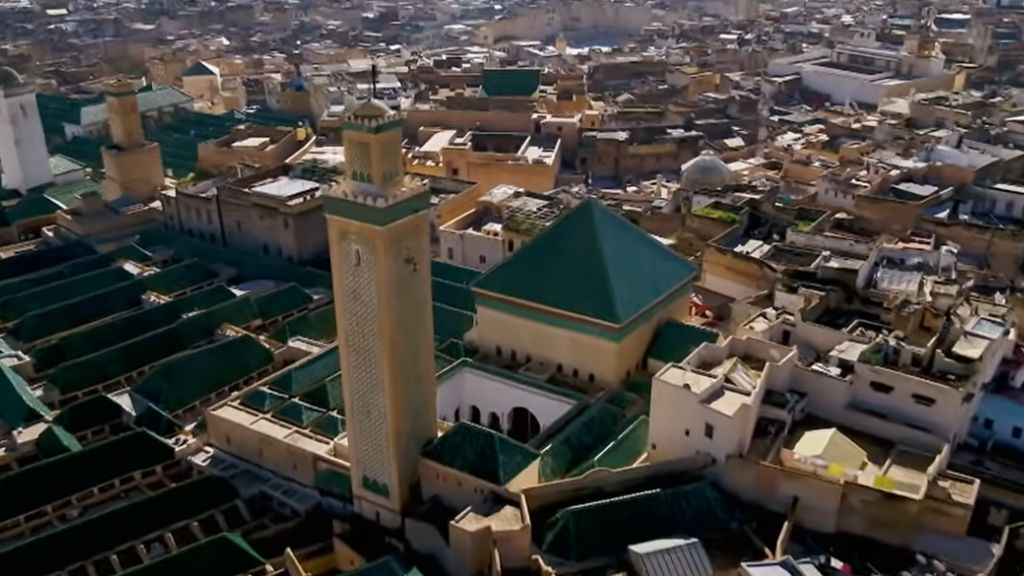
Fes, Morocco, is a city that hums quietly beneath the surface of daily life. Its narrow streets, winding alleys, and centuries old architecture hold layers of history, culture, and spiritual practice. Walking through the medina, you feel the weight of the past under your feet: the echo of footsteps on stone, the fragrance of spices and incense drifting from corners, the muted rhythms of artisans at work. Yet, it is during festivals and spiritual events that Fes truly comes alive, offering travelers an opportunity to immerse themselves fully in its unique blend of culture, music, and well-being. Cultural and well-being tourism through festivals and sacred experiences
This guide is designed to help travelers navigate Fes in 2026, with a focus on cultural richness and personal renewal. It emphasizes timing, presence, and thoughtful planning, blending festivals, seasonal rhythms, and local traditions into a harmonious itinerary. By integrating both outward experiences,music, rituals, art and inward practices, reflection, meditation, sensory awareness, visitors can leave transformed, carrying memory rather than a checklist of sights.
The pulse of Fes: Festivals as a cultural compass
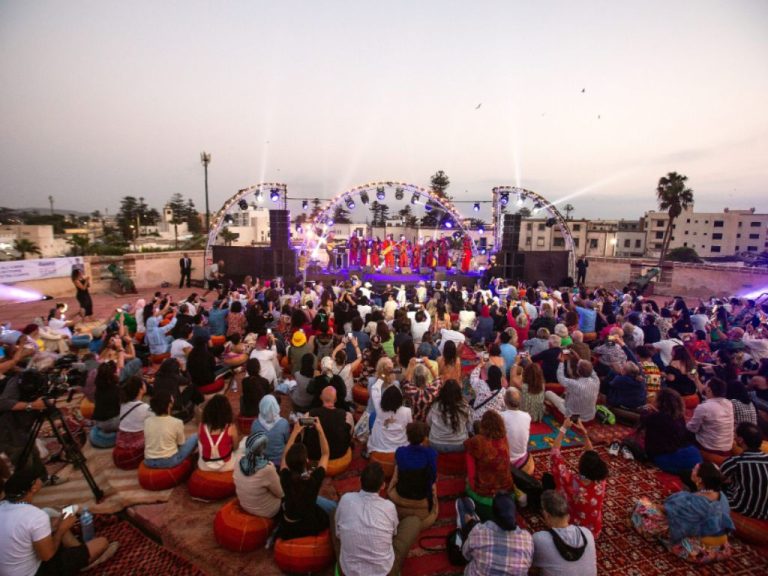
Fes hosts events year-round, from world-renowned music festivals to intimate spiritual gatherings. The Festival of world sacred music, held in mid-to-late May, exemplifies how cultural celebration and well-being converge. Each performance is more than a concert; it is an invitation to step into a shared rhythm, to listen deeply, and to experience music as a form of meditation. Sufi ensembles, African chants, and global sacred music traditions blend seamlessly, offering an emotional resonance that lingers long after the last note fades.
But Fes’s festivals are not limited to music. Ramadan, for instance, transforms the city into a space of reflection, prayer, and communal connection from late February to late March 2026. The medina slows down, evenings are filled with soft lights and the gentle sounds of chanting, and every street offers a moment of mindful observation. These experiences, though less structured than a traditional festival, are deeply immersive, providing opportunities to align travel with personal well-being.
Other cultural touchpoints, such as art exhibitions, local recitals, and seasonal gatherings, add layers to the visitor’s experience. In early 2026, exhibitions showcase contemporary Moroccan artists, animation cinema days introduce international storytelling, and cultural recitals highlight Fes’s living artistic traditions. Each event allows travelers to witness, participate, and reflect, essential elements of cultural and well-being tourism.
2026 Key festivals and events calendar
Understanding the rhythm of Fes’s festivals is essential for planning. Here is an overview of the main events in 2026:
| Month | Event / Experience | Date (Confirmed/Estimated) |
| Feb | Spiritual Marathon of Fes | 15 Feb 2026 |
| Late Feb–Mar | Ramadan Nights & Spiritual Rhythms | 28 Feb – 29 Mar 2026 |
| Feb–Mar | Exhibitions & Cultural Nights | Various dates |
| Late Apr–May | Rose Festival (Kelaat M’Gouna) | Late Apr – midMay 2026 |
| MidLate May – Early Jun | Festival of World Sacred Music | ~May 15–23, 2026 |
| Jun | Cherry Festival (Sefrou) | June 2026 |
| 21 Jun | World Music Day (Chefchaouen) | 21 Jun 2026 |
| Autumn | Moussem & Saints’ Processions | Recurring annually, exact dates vary |
This calendar allows travelers to plan their visits thoughtfully, balancing festival attendance with personal reflection, quiet mornings, and sensory immersion in the medina.
Immersive experiences for well-being travelers
Fes is not a city to be rushed. The best experiences come from slow movement, attentive observation, and mindful engagement. During festivals, this approach is particularly rewarding:
- Meditative walking in the medina: Between concerts or ceremonies, wander slowly through narrow streets, noticing the subtle shifts in light, sound, and smell. During Ramadan, for example, incense mixes with fresh bread, and the medina takes on a rhythmic pulse.
- Sensory engagement: Festivals appeal to all senses. The Festival of World Sacred Music may feature the delicate scent of orange blossom in Bab Makina, while Sufi nights offer low, resonant drumbeats that seem to vibrate through the ground and into the body.
- Integration with well-being rituals: Riads and hammams provide calm spaces to process experiences. Morning reflection in a courtyard, an afternoon steam bath, or quiet tea in a shaded garden enhances both cultural engagement and emotional renewal.
- Participatory moments: Attend workshops, join in ceremonial chants, or engage with artisans. These experiences foster a deeper understanding of local traditions and help visitors feel part of the cultural rhythm rather than mere spectators.
Planning your festival-focused itinerary
Timing and structure are key. Here’s an example of a balanced day during festival periods:
- Morning: Begin slowly in your riad or hotel. Gentle stretching, journaling, or meditation sets the tone.
- Late Morning: Walk to the medina. Engage with markets, craftsmen, or quiet neighborhoods. Absorb details—the color of tiles, the texture of leather, the aroma of spices.
- Afternoon: Attend workshops, lectures, or small-scale performances. This is the ideal time for reflective learning before the intensity of evening events.
- Evening: Participate in main festival activities—concerts, Sufi nights, or ceremonies. Use this time to engage fully with music, ritual, and community presence.
- Night: Return to your accommodation for a restorative pause. Reflect on experiences, note sensory observations, and allow memories to integrate.
This structure ensures a balance between outer stimulation (performances, markets, rituals) and inner calm (rest, reflection, mindful observation).
Seasonal and regional experiences
Fes’s festivals are enhanced by the rhythm of the seasons:
- Spring (March–May): Open-air concerts, courtyard performances, and flower festivals like the Rose Festival create sensory richness.
- Summer (June–August): Longer days, warmer nights, and extended evenings of music make for immersive nocturnal experiences. Festivals such as the Cherry Festival in nearby Sefrou complement the Fes calendar.
- Autumn (September–November): Quieter, reflective gatherings and Moussem celebrations favor contemplative engagement.
- Winter (December–February): Spiritual ceremonies and Sufi nights invite inward focus, aligned with the slower pace of the medina.
Seasonal awareness allows travelers to synchronize their visits with periods of cultural richness and personal renewal.
Practical advice for first-time festival visitors
- Book early: Major events fill riads and hotels quickly.
- Dress modestly: Respect local customs, especially during religious or spiritual events.
- Wear comfortable shoes: Streets are uneven and walking is essential.
- Balance engagement: Combine festival attendance with quiet periods to prevent sensory overload.
- Stay flexible: Festivals may shift slightly according to religious or local calendars. Trust the city’s rhythm rather than rigid schedules.
Cultural sensitivity and engagement
Fes’s festivals are opportunities not only for enjoyment but also for ethical and respectful engagement:
- Approach sacred sites and ceremonies with quiet observation.
- Accept invitations with gratitude but follow local guidance.
- Recognize that not all rituals are meant to be fully understood; presence and attentiveness are more valuable than comprehension.
- Participate where appropriate, but maintain respect for the boundaries of tradition and practice.
Integration with well-being practices
Cultural tourism in Fes is deeply compatible with well-being principles:
- Hammams and spa rituals: Warm steam, black soap, and gentle scrubs help process the intensity of festival days.
- Tea and food rituals: Harira soup, mint tea, and fresh dates provide grounding and sensory connection.
- Restorative pauses: Riads with quiet courtyards allow for reflection between public events.
- Mindful movement: Slow walks, attention to textures and sounds, and meditation help integrate festival experiences emotionally and physically.
Fes is a city of layers, rhythms, and presence. Its festivals—from world-famous music celebrations to local Moussem gatherings—offer entry points into both culture and well-being. The key to a meaningful visit lies in:
- Aligning travel with festival and seasonal rhythms.
- Balancing participation with reflective pause.
- Engaging all senses to create lasting memory.
With careful planning, a festival-focused itinerary in Fes can be both immersive and restorative, combining sensory richness with spiritual depth. The following parts of this guide will expand on specific festival experiences, itineraries, and local insights, including detailed travel tips, sensory guides, and cultural context for each major 2026 event.
Immersive itineraries and festival experiences 2026
Fes is a city best experienced through its festivals, seasonal rhythms, and spiritual traditions. While the last part established the foundation of cultural and well-being tourism in Fes, this section focuses on practical itineraries, immersive experiences, and detailed guidance for each major event in 2026. By combining planning with flexibility, travelers can move confidently through the medina, attend festivals mindfully, and integrate moments of rest and reflection.
Festival of world sacred music – Mid May to early June 2026
Dates: May 15–23, 2026
Venues: Bab Makina, Jnan Sbil Gardens, historic madrasas, courtyards of Fes
Why Attend
This internationally renowned festival brings sacred music from around the world to Fes. It is more than a series of concerts—it is a cultural meditation, blending sound, space, and community presence. Travelers witness Sufi chants, African rhythms, and contemporary sacred compositions, all interwoven into the city’s centuries-old architecture.
Suggested itinerary (3 Days)
Day 1 – Arrival and Orientation
- Morning: Arrive in Fes, check into a riad in the medina.
- Afternoon: Guided walk through the Medina, noting festival decorations, local artisans, and historic mosques.
- Evening: Attend an opening concert at Bab Makina. Notice the blend of international music with local spiritual presence.
Day 2 – Deep immersion
- Morning: Mindful breakfast in your riad. Gentle walk to Jnan Sbil Gardens, absorbing ambient sounds and scents.
- Afternoon: Workshop on traditional instruments or singing techniques. Small group interactions with musicians.
- Evening: Sufi ensemble performance in a quiet courtyard. Focus on presence over observation; allow vibrations and rhythms to resonate in your body.
Day 3 – Reflection and cultural exploration
- Morning: Optional meditation or journaling session in riad courtyard.
- Afternoon: Visit artisan quarters and pottery workshops. Integrate sensory awareness—touching, smelling, and observing textures.
- Evening: Closing ceremony or final concert. Walk slowly back through the medina, letting the city’s rhythm settle in your memory.
Well-Being Tips:
- Schedule short rests between performances.
- Drink mint tea and stay hydrated in outdoor venues.
- Sit on stone floors or benches mindfully, using posture and breath to integrate the experience.
Ramadan nights and spiritual rhythms – Late Feb to late mar 2026
Dates: February 28 – March 29, 2026
Where: Entire Fes medina
Why attend
Ramadan transforms the medina into a soulful sanctuary. Evenings are illuminated with soft lights, incense permeates the air, and communal prayers shape the city’s rhythm. Travelers experience both cultural depth and personal reflection, making this period ideal for well-being-focused tourism.
Suggested itinerary (Evening-focused)
- Early evening: Visit a local mosque or zawiya for communal prayers. Observe quietly and respectfully.
- Nightfall: Walk the medina streets, noticing the interplay of lamps, shadows, and sounds. Street musicians may perform softly; local families share meals and invite reflection.
- Late night: Enjoy a quiet courtyard or riad garden, journaling experiences or practicing mindful breathing.
Well-being tips:
- Avoid rushing through streets; walking slowly enhances sensory engagement.
- Observe local customs, especially regarding modesty and participation in rituals.
- Allocate mornings to rest or light exploration to balance the intense evening activity.
Cherry festival – Sefrou, June 2026
Dates: June 2026 (3 days)
Location: Sefrou, ~30 km from Fes
Why attend
The Cherry Festival features traditional music, Berber dances, and Fantasia displays, providing a glimpse into regional culture near Fes. The festival is smaller than the World Sacred Music Festival, offering a more intimate cultural experience.
Suggested itinerary
- Morning: Arrive in Sefrou and explore local markets and medina streets.
- Afternoon: Enjoy performances in public squares; observe local artisans.
- Evening: Participate in a communal meal or small workshop in a riad or public courtyard.
Well-being tips:
- Travel lightly; walking in Sefrou involves cobblestone streets.
- Take reflective pauses in shaded areas to integrate sensory experiences.
Sufi nights and inner journeys – Year-Round
Locations: Historic riads, courtyards, and zawiyas in Fes
Why attend
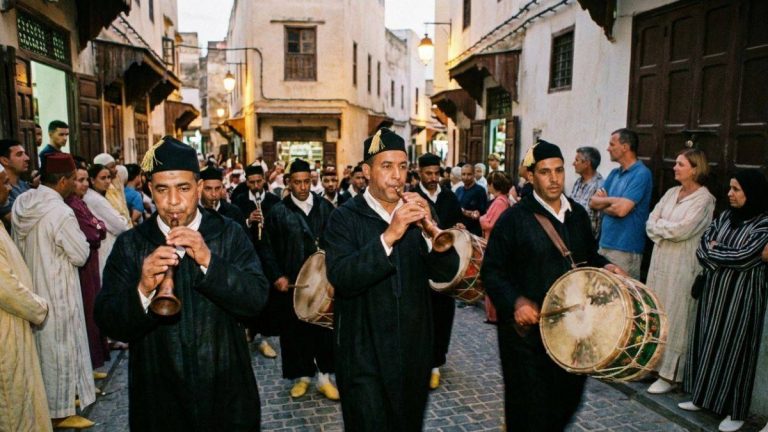
Sufi Nights are subtle but transformative. Musicians chant and drum in cycles that guide participants inward. Travelers experience music as meditation, allowing emotional and spiritual integration.
Suggested itinerary
- Arrive early to select a comfortable seat in the courtyard.
- Observe quietly as musicians perform; focus on breathing and bodily resonance.
- Participate minimally, allowing the rhythm and ambient sound to guide attention.
- Reflect post-performance in a quiet courtyard or riad garden.
Well-being tips:
- Schedule Sufi nights between busier festival days.
- Limit mobile phone use; presence is key.
- Use mindful breathing to connect sound with body sensations.
Seasonal and cultural rhythms in Fes
Spring (March–May)
- Open-air concerts and medina courtyard performances.
- Sensory-rich festivals like the Rose Festival.
- Time for slow walks and immersive observation.
Summer (June–August)
- Long evenings with music and processions.
- Cherry Festival in Sefrou.
- Evening visits to riads and gardens for reflection.
Autumn (September–November)
- Moussem and Saints’ Processions.
- Poetry readings and smaller, meditative events.
- Ideal for travelers seeking calm and introspection.
Winter (December–February)
- Focused spiritual ceremonies and Sufi gatherings.
- Cooler medina streets allow for quiet exploration.
- Perfect for integrating inner reflection with cultural observation.
Practical tips for festival travelers
- Accommodation: Book early, ideally near the medina or festival venues.
- Clothing: Comfortable shoes, light layers, modest attire for sacred spaces.
- Timing: Plan around festival schedules but allow for spontaneous exploration.
- Hydration & Rest: Festivals are sensory-intensive; plan daily rest and mindful pauses.
- Respect Cultural Norms: Silence in sacred spaces, gratitude in communal meals, observation before participation.
- Transportation: For nearby festivals (Sefrou), hire a private car or trusted tour service.
Sensory guide to Fes festivals
- Sight: Colorful decorations, intricate tilework, floral displays, traditional costumes.
- Sound: Sufi chants, African percussion, communal prayers, street music.
- Smell: Incense, flowers, spices, fresh-baked bread.
- Touch: Textures of medina stone, fabrics in markets, courtyards’ wooden floors.
- Taste: Local foods, mint tea, harira soup, dates during Ramadan evenings.
Mindful engagement of all senses transforms festival participation from observation to lived experience, aligning cultural tourism with personal well-being.
Integration with well-being tourism
Each festival and spiritual event in Fes can be paired with practices that enhance physical and emotional renewal:
- Morning meditation in riads or gardens
- Hammam and spa rituals between performances
- Gentle walking tours to digest sights and sounds
- Journaling and reflective pauses in quiet courtyards
- Mindful meals to anchor experiences and absorb sensory richness
The goal is not to rush through events but to live the culture fully, integrating every sound, smell, and visual cue into a holistic well-being experience.
7–10 Day Immersive itinerary for 2026
Fes is best explored slowly, allowing its rhythms, festivals, and spiritual energies to guide your experience. Part 3 of this guide provides detailed day-by-day itineraries for travelers seeking cultural richness and well-being immersion, aligned with the 2026 festival calendar.
Day 1 – Arrival and orientation in the medina
Focus: Acclimation, sensory observation, gentle exploration
- Morning: Arrive in Fes, check into a riad in the medina. Spend time settling in. Note the scents of spices, sounds of the city, and textures underfoot.
- Afternoon: Gentle walk through the medina. Focus on sensory engagement: watch artisans at work, touch leather and textiles, inhale the aroma of spices.
- Evening: Early dinner at your riad or local café. Optional: Attend a small medina courtyard performance if available.
Well-being Tip: Practice slow breathing while walking; notice small sensory details rather than rushing.
Day 2 – Introduction to Fes festivals
Focus: Cultural immersion and rhythm of the city
- Morning: Mindful breakfast, then explore historic madrasas (Al-Attarine, Bou Inania). Observe architectural detail and spatial rhythm, noting how light and space affect experience.
- Afternoon: Visit art workshops (pottery, leather, weaving). Participate where allowed; this hands-on experience deepens connection.
- Evening: Attend an opening performance of the Festival of World Sacred Music (May 15–23). Focus on presence, not photography.
Well-being tip: Allow yourself pauses in shaded courtyards; drink mint tea to rest between sensory experiences.
Day 3 – Sacred music and meditation
Focus: Music as a meditative experience
- Morning: Slow walk to a riad garden or Jnan Sbil Gardens. Practice mindful walking, listening to the city’s subtle sounds.
- Afternoon: Attend a workshop on traditional instruments or chanting. Observe rhythm, breathing, and resonance.
- Evening: Full immersion in a Sufi Night performance. Sit quietly, allowing drumbeats and chants to guide attention inward. Reflect post-performance in the riad courtyard.
Well-being tip: Use journaling to integrate experiences; write observations about sound, smell, and emotional resonance.
Day 4 – Spiritual exploration during Ramadan (if visiting Feb–Mar)
Focus: Mindful engagement with sacred practices
- Morning: Rest or gentle meditative practice in your riad.
- Afternoon: Visit a local zawiya or mosque to observe prayer respectfully. Walk through the medina slowly, noting Ramadan-specific rituals.
- Evening: Participate in communal meals and night-time celebrations; observe light and sound differences compared to normal evenings.
Well-being tip: Align your energy with the city’s rhythm; avoid rushing, especially during long walks.
Day 5 – Day trip to sefrou (Cherry festival)
Focus: Regional festival immersion and nature-based experience
- Morning: Depart early to Sefrou (Cherry Festival) .
- Midday: Explore festival markets, interact with locals, observe dances and traditional music. Engage with hands-on workshops or demonstrations.
- Afternoon: Walk through cherry orchards (Sefrou), integrating nature as part of sensory immersion.
- Evening: Return to Fes for rest and reflection.
Well-Being Tip: Wear sun protection, comfortable shoes, and take pauses under shaded areas to remain present.
Day 6 – Artisan and culinary immersion
Focus: Slow exploration of Fes craftsmanship and cuisine
- Morning: Guided tour of Fes’s artisan quarters: leather tanneries, pottery workshops, carpet weaving. Observe techniques, participate lightly.
- Afternoon: Cooking workshop: prepare traditional Moroccan dishes like harira soup or pastilla. Practice mindful tasting and attention to flavors and textures.
- Evening: Optional courtyard music or small concert, focusing on acoustic resonance rather than spectacle.
Well-being tip: Pair culinary experiences with mindful breathing to enhance sensory awareness.
Day 7 – Meditation, hammam, and reflection
Focus: Integration of experiences
- Morning: Early meditation in a quiet riad garden. Reflect on past festival experiences.
- Afternoon: Visit a hammam for steam and traditional scrub. The ritual cleanses both body and mind.
- Evening: Gentle walk through medina streets, observing subtle seasonal changes, lantern light, and incense.
Well-being tip: Prioritize rest to allow sensory experiences to integrate naturally.
Day 8 – Seasonal cultural experiences
Focus: Attend smaller festivals, poetic readings, or music recitals
- Morning: Explore hidden medina gardens, historic fountains, or artisan workshops.
- Afternoon: Attend smaller local festivals or community ceremonies, such as Moussem processions.
- Evening: Quiet courtyard reflection. Practice mindful journaling about textures, sounds, and social interactions.
Well-being tip: Capture the essence through experience rather than documentation; absorb the festival’s rhythm fully.
Day 9 – Nature and surrounding villages
Focus: Day-trip integration with nature and rural culture
- Morning: Excursion to nearby mountains, rivers, or Berber villages. Focus on slow walking, sensory observation, and cultural dialogue.
- Afternoon: Participate in local cooking, music, or craft workshops.
- Evening: Return to Fes for light dinner and reflection.
Well-being tip: Balance exposure to natural and urban sensory input for a holistic experience.
Day 10 – Closing experiences
Focus: Reflection, personal integration, final festival attendance
- Morning: Journaling, meditation, and sensory reflection.
- Afternoon: Attend a final festival performance, courtyard recital, or seasonal event. Revisit favorite artisan shops.
- Evening: Farewell dinner at your riad. Slow walk through medina streets, absorbing final impressions of sound, scent, and light.
Well-being tip: Focus on memory and integration rather than completing a checklist; let the city’s rhythm leave a lasting impression.
Additional recommendations for festival-focused travelers
- Daily Mindfulness Practice: Even 15–20 minutes of meditation or journaling enhances integration of festival experiences.
- Flexible Scheduling: Allow for spontaneous detours; Fes often surprises the traveler with unexpected music or street performances.
- Physical Care: Comfortable shoes, hydration, and gentle stretching prevent fatigue during multi-day festival participation.
- Sensory anchors: Take note of recurring scents, sounds, and textures; they create lasting memory cues.
- Cultural respect: Always observe local customs, especially during sacred events; ask permission before photographing ceremonies or rituals.
Practical travel tips
- Accommodation: Riads in the medina provide both proximity to festival venues and peaceful courtyards for reflection.
- Transportation: Walking is the primary mode within Fes; for day trips, use private cars or reputable tours.
- Language: Basic Arabic or French phrases enhance engagement; locals appreciate effort.
- Food and drink: Mint tea, seasonal fruits, and traditional dishes support both nutrition and sensory integration.
- Seasonal awareness: Plan your itinerary according to festival timing, seasonal weather, and daylight availability.
Experiencing Fes as a whole
A complete 7–10 day itinerary in Fes combines festival attendance, spiritual exploration, artisan immersion, culinary experiences, and mindful reflection. Travelers leave not just with photos or souvenirs, but with deep sensory memories, emotional resonance, and cultural understanding.
By aligning visits with festival dates, seasonal rhythms, and well-being practices, Fes offers:
- Emotional enrichment through music and ceremony
- Sensory immersion in smell, sound, and touch
- Cultural understanding through hands-on participation
- Physical and mental renewal through slow walking, hammam visits, and meditation
Fes is more than a destination; it is a living cultural and spiritual landscape, ready to guide visitors on a journey of mindful discovery, sensory richness, and personal transformation.