
Dakhla’s isolation means restaurant options stay limited compared to tourist-heavy Moroccan cities, but the handful of establishments serving health-conscious food deliver quality that justifies the journey. These spots cater primarily to the international kitesurf community and growing digital nomad presence, both groups demanding fresh ingredients and preparations that fuel active lifestyles rather than weighing them down. The limited infrastructure actually works in diners’ favor since restaurants must source locally and keep menus simple, resulting in seafood-focused cuisine that emphasizes freshness over elaborate presentations. Finding these gems means eating exceptionally well while experiencing Dakhla’s unique adventure wellness approach where remoteness enhances rather than diminishes food quality.
Understanding Dakhla’s dining scene
Dakhla doesn’t have the restaurant density or variety that cities like Marrakech or Agadir offer. The small population and remote location mean the dining scene serves locals primarily with tourists being secondary consideration. This changes the dynamics completely compared to places where restaurants compete for visitor dollars. The authenticity that results appeals to travelers tired of tourist-focused establishments.
The kitesurf camps scattered along the lagoon include restaurants that operate almost as private dining rooms for guests but usually welcome outsiders. These camp restaurants understand what active people need nutritionally since they feed kitesurfers burning enormous calories daily. The menus reflect this awareness with emphasis on lean proteins, complex carbohydrates and hydrating foods.The town itself contains several restaurants serving traditional Moroccan food plus a few places offering international options. The international spots emerged to serve the growing expat and digital nomad communities seeking familiar flavors or dietary accommodations that traditional restaurants don’t provide. These hybrid establishments bridge Moroccan ingredients with global preparations creating fusion that works surprisingly well.The price points stay remarkably reasonable with good meals costing eight to fifteen dollars. The lack of tourist inflation means you pay closer to what locals pay rather than inflated visitor prices. This affordability allows eating at restaurants regularly throughout your stay without budget concerns that would prevent similar frequency in California or European destinations.
Dakhla attitude
Dakhla Attitude occupies a prime beachfront location with views over the lagoon where kitesurfers carve across the water. The modern space with blonde wood, white walls and plenty of natural light deliberately evokes California beach cafes. The owner spent time in San Diego and wanted to recreate that casual wellness-focused dining vibe in Dakhla. The result feels familiar to American visitors while incorporating local ingredients and Moroccan touches.The menu spans from acai bowls and smoothies through salads and grain bowls to fresh seafood and grilled meats. This variety accommodates different preferences within groups where not everyone wants the same thing. The kitchen sources fish directly from boats and produces from the limited local market, adjusting offerings based on availability rather than maintaining rigid menus.The breakfast bowls combine yogurt, granola, fresh fruit and honey creating meals that fuel morning kitesurf sessions without sitting heavy. The portions are substantial enough to provide real energy unlike the tiny serving sizes some wellness cafes offer. A bowl with coffee costs about six dollars, incredibly reasonable for what you receive.Lunch brings composed salads featuring grilled fish or chicken over mixed greens with vegetables, nuts and light dressings. The salads work as complete meals providing balanced nutrition that satisfies without causing the afternoon energy crash that heavy lunches trigger. The kitchen understands how to build salads that feel substantial rather than leaving you hungry an hour later.The fresh juices get squeezed to order from whatever fruits are available. Orange juice dominates since citrus grows well in the region, but occasionally mango, watermelon or mixed options appear. The juices contain no added sugar letting natural fruit sweetness shine. A large fresh juice runs about three dollars.The dinner menu emphasizes grilled fish prepared simply with lemon, herbs and olive oil. You choose from whatever arrived at market that day with the server explaining the options and making recommendations. The cooking respects the fish with proper timing that keeps it moist and flavorful. The fish comes with roasted vegetables or simple salads creating balanced plates.
Calipau Cafe
Calipau started as a kitesurf school but expanded to include a cafe serving the students and instructors spending all day at the beach. The location directly on the lagoon means you can watch lessons and sessions while eating. The casual vibe attracts a young international crowd creating energetic atmosphere especially during high season when the camp fills with riders from around the world.The food leans toward comfort meals that satisfy huge appetites built through hours on the water. Burgers using quality beef or fish appear frequently on orders. The portions are generous and the cooking competent if not fancy. This isn’t refined dining but rather fuel for active people who need substantial food without pretension.The tagines here adapt traditional recipes slightly to accommodate international palates and dietary preferences. You can get chicken or vegetable tagines prepared less oily than traditional versions with the option to skip bread if you’re watching carbohydrates. The kitchen accommodates requests without attitude, understanding that not everyone wants authentic heavy Moroccan preparations.Pasta dishes provide quick energy from carbohydrates that active people need. Simple preparations with tomato sauce, vegetables and optional protein additions create satisfying meals. The pasta gets cooked properly al dente rather than mushy showing attention to basic technique. These dishes work well for carb-loading before big kitesurf sessions or replenishing glycogen stores afterward.The cafe operates on flexible timing staying open from breakfast through late evening. This accommodates the irregular schedules that kitesurfers keep, riding when wind is good regardless of conventional meal times. Being able to get food at three in the afternoon or nine at night solves problems that arise when restaurants operate strict lunch and dinner windows.
Ocean Vagabond
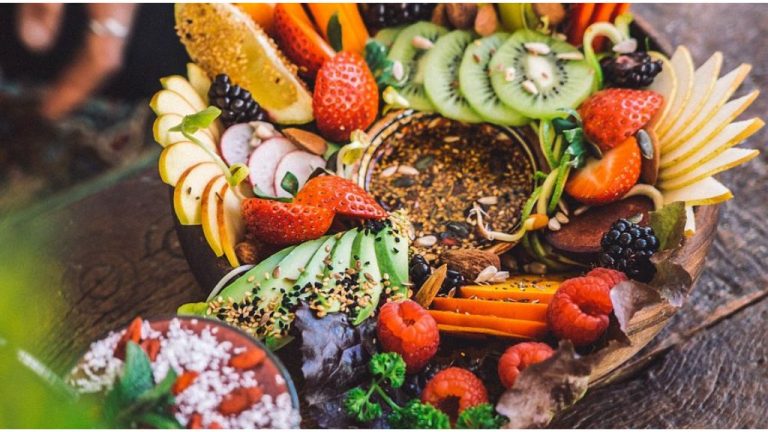
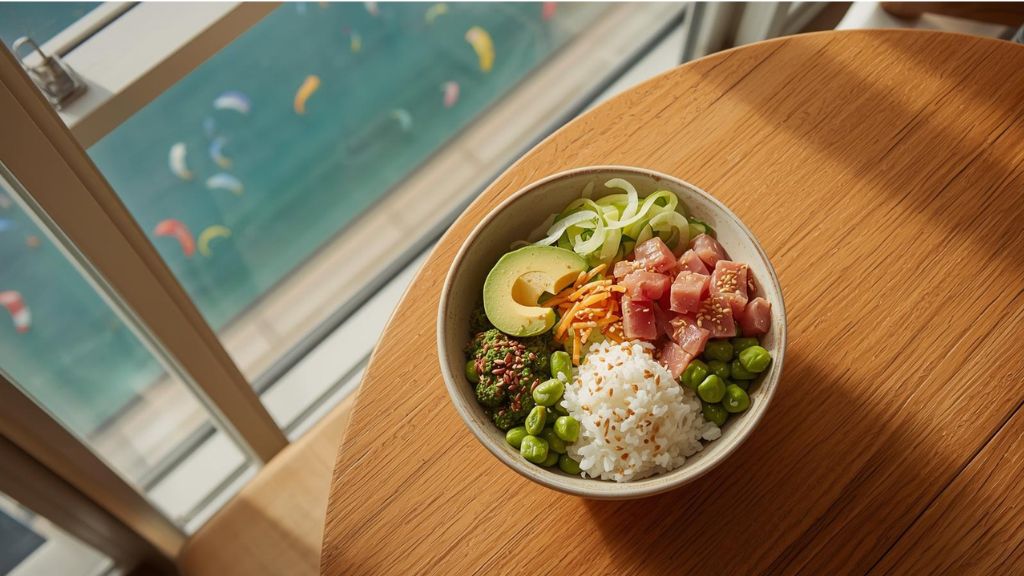
Ocean Vagabond caters specifically to the wellness-minded crowd with a menu that reads like a California health food cafe transplanted to the Sahara. The owner is French but spent years in Los Angeles absorbing that city’s health food culture. The menu reflects this influence with poke bowls, Buddha bowls and other contemporary wellness formats adapted to Dakhla’s available ingredients.The poke bowls feature ultra-fresh fish from the morning market over rice or greens with avocado, cucumber, edamame and sesame dressing. The fish quality here rivals Hawaiian poke shops because of the incredible freshness available in Dakhla. The combination of protein, healthy fats and vegetables creates complete nutrition in a format people find appealing and easy to eat.The Buddha bowls build around roasted vegetables, legumes, grains and tahini or other dressings creating plant-forward meals. These options serve vegetarians well in a town where most restaurants focus heavily on seafood and meat. The bowls are colorful and thoughtfully composed with attention to both nutrition and visual appeal.Smoothie bowls topped with fresh fruit, granola and seeds make popular breakfast choices. The thick blended bases use frozen fruit from the restaurant’s freezer since fresh berries don’t grow locally. The toppings feature whatever fresh fruit is available creating seasonal variation. These bowls photograph beautifully and taste as good as they look.The coffee program takes specialty coffee seriously with beans from quality roasters and proper espresso equipment. The baristas know what they’re doing and produce drinks that satisfy coffee enthusiasts. This attention to coffee quality distinguishes Ocean Vagabond from places serving mediocre instant or over-extracted espresso that passes for coffee in many Moroccan establishments.
La Sarga
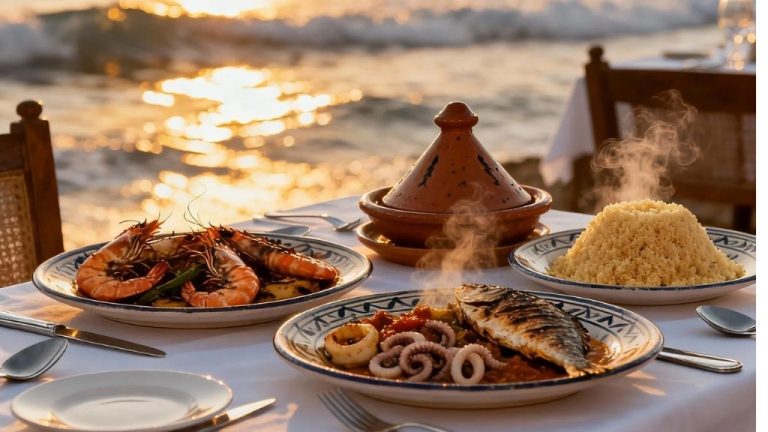
La Sarga occupies an unlikely location in a residential neighborhood away from the beachfront tourist areas. The small space with maybe ten tables stays packed during lunch and dinner with locals and expats who discovered it through word of mouth. The lack of obvious tourist trappings means this place operates for people who actually live in Dakhla rather than just passing through.The menu stays firmly Moroccan but the execution shows refinement you don’t find in most local restaurants. The tagines feature quality ingredients cooked properly with balanced seasoning. The couscous gets steamed traditionally rather than using quick-cook versions. The attention to technique elevates familiar dishes making them special rather than routine.The grilled fish here competes with any in Dakhla despite the restaurant’s modest appearance. The chef understands heat management and timing producing perfectly cooked fish with crispy skin and moist flesh. The chermoula marinade balances herbs and spices beautifully complementing rather than overwhelming the fish. You’d pay three times as much for equivalent quality in coastal California cities.The vegetable sides receive equal attention to the main proteins. Simple preparations let quality produce shine rather than drowning vegetables in heavy sauces. Roasted carrots with cumin, grilled peppers with garlic, or sautéed zucchini with herbs all demonstrate that vegetables deserve respect and careful cooking.The intimate size means service stays personal with the owner often serving tables and checking that everything meets standards. This hands-on approach ensures consistency and creates relationships with regular customers. Being treated as a valued guest rather than just another tourist creates experiences worth repeating.
Sultan
Sultan serves primarily traditional Moroccan food but has adapted to accommodate the dietary requests that international visitors bring. The kitchen will prepare grilled fish or chicken without heavy sauces, make vegetable tagines without meat, or adjust spice levels for sensitive palates. This flexibility makes Sultan useful when dining with groups having varied preferences or restrictions.The seafood here benefits from the same market access every Dakhla restaurant enjoys. Fresh fish, prawns and calamari get prepared in traditional Moroccan styles or grilled simply based on customer preference. The kitchen handles seafood competently producing reliably good results. You won’t get innovative cuisine but you will get solid food at fair prices.The restaurant operates later than many establishments making it option for dinner after sunset kitesurf sessions. The kitchen stays open until eleven or midnight accommodating the late dining schedules that Mediterranean and South American visitors prefer. This extended service makes Sultan convenient when other places have already closed.The portions tend toward generous with single entrees often providing enough food for two people especially if you order appetizers. Sharing dishes family-style works well here allowing everyone to sample various items. The prices are so reasonable that ordering multiple dishes to share doesn’t create budget concerns.
Le Phenicien
Le Phenicien combines Lebanese and Moroccan cuisines creating a menu that spans both traditions. The Lebanese mezze platters provide great options for vegetarians or anyone wanting lighter fare than heavy tagines. The hummus, baba ganoush, tabbouleh and other mezze items use quality ingredients and proper preparation techniques producing authentic flavors.The grilled meats here include both Moroccan and Lebanese preparations giving you options beyond standard offerings elsewhere. The kafta skewers seasoned with parsley and spices provide lean protein that pairs well with salads. The chicken shish taouk marinates in yogurt and lemon creating tender flavorful meat. Both options work well for health-conscious diners watching fat intake. The Lebanese salads like fattoush with crispy pita and sumac dressing or the parsley-heavy tabbouleh provide fresh vegetable options prepared differently than Moroccan salads. The variety helps if you’re staying in Dakhla long enough to want alternatives to dishes you’ve been eating repeatedly. The flavors are bright and the portions appropriate.The restaurant’s location near the town center makes it easily accessible without needing vehicles to reach beachfront areas. This convenience matters when you’re tired after a long day and want good food without complicated logistics. The central location also means you might walk off your meal afterward exploring the evening street life.
Self-catering alternatives
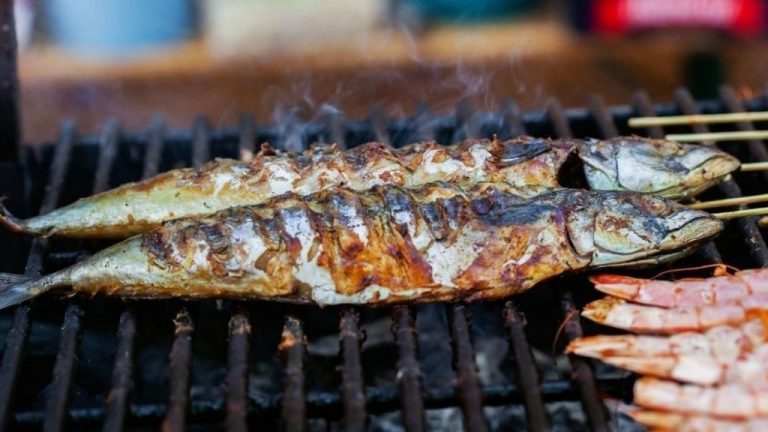
Given the limited restaurant options, many long-term visitors cook for themselves using ingredients from the fish market and produce vendors. The kitesurf camps often include kitchen access for guests. Rented apartments in town typically have basic kitchens. This self-catering approach provides more control over your nutrition and costs less than eating all meals at restaurants.The ultra-fresh fish from the market tastes better than most restaurant preparations when you cook it simply at home. Grilling fish on small portable grills or cooking in pans with minimal seasoning produces excellent results. The satisfaction of preparing your own food adds to the adventure wellness experience rather than detracting from it.Shopping the limited produce market and creating meals from whatever is available teaches resourcefulness and creativity. The constraints force simplification that often produces better nutrition than elaborate recipes requiring specialty ingredients. Learning to eat well with basic resources is a valuable skill applicable anywhere.The communal aspects of camp kitchens where multiple guests cook and often share meals creates social experiences similar to restaurant dining. Trading recipes, sharing ingredients and eating together builds connections with fellow travelers. This potluck approach to dining costs almost nothing while creating memorable evenings.
Meal timing strategies
The irregular restaurant hours in Dakhla require flexibility around meal timing. Some places open early for breakfast while others don’t start until lunch. Dinner service might begin at seven in some restaurants and not until nine elsewhere. Calling ahead or asking at your accommodation about specific restaurant schedules prevents wasted trips.The kitesurf camps generally offer the most flexible timing since they’re feeding people with unpredictable schedules based on wind conditions. If you need to eat at odd hours, camp restaurants are your best bet. The town restaurants operate more conventional schedules though still more relaxed than formal dining establishments.Planning your meals around kitesurf sessions means eating substantial breakfasts before morning wind picks up, light snacks during midday breaks, and larger dinners after sessions end. This pattern matches the natural rhythms of life in Dakhla where wind conditions drive daily schedules more than clock time.Carrying snacks for between meals makes sense given the irregular restaurant availability and the high energy demands if you’re kiting daily. Dates, nuts, fresh fruit when available, and simple sandwiches from camp kitchens provide fuel without requiring restaurant meals. This grazing approach maintains steady energy better than trying to cram all calories into three formal meals.
Dietary accommodations
Vegetarians find adequate options in Dakhla though the emphasis on seafood means less variety than in larger cities. The Lebanese restaurant provides the most vegetarian-friendly menu. The wellness-oriented cafes offer plant-based bowls and salads. Traditional Moroccan restaurants will make vegetable tagines though these sometimes lack imagination defaulting to standard preparations.Vegans face more challenges since dairy products appear frequently in Moroccan cooking and Western-style cafes use yogurt in many dishes. However, clearly communicating your requirements and asking about ingredient lists usually yields workable solutions. The staff at places serving international visitors generally understand veganism even if it’s not common among local customers.Gluten-free eating requires vigilance since bread accompanies most meals and couscous features prominently. The grilled fish and meat with salads or vegetables naturally avoid gluten. Communicating the restriction clearly and confirming ingredients prevents accidental exposure. The simpler preparations common in Dakhla actually make gluten avoidance easier than in places with elaborate sauces potentially containing hidden flour.Food allergies should be communicated directly to kitchen staff not just servers. The language barrier can create misunderstandings so being very specific and perhaps writing down your restrictions helps ensure accurate communication. Most restaurants want to accommodate but they need clear information about what you can’t eat.
Quality expectations
Setting appropriate expectations prevents disappointment. Dakhla’s restaurants serve good food using fresh ingredients but they’re not fine dining establishments. The presentations are simple, the atmospheres casual and the service informal. Accepting these realities allows you to appreciate what’s offered rather than comparing unfavorably to upscale restaurants in major cities.The seafood quality exceeds what most California restaurants serve despite the basic preparations. The incredible freshness makes simple grilling sufficient without needing elaborate techniques or sauces. Understanding this allows you to value what Dakhla does exceptionally well, providing access to premium ingredients, rather than criticizing what it doesn’t attempt.The produce limitations due to desert location mean seasonal variety stays constrained compared to agricultural regions. You’ll see tomatoes, onions, peppers and limited other vegetables but not the abundance of California farmers markets. Working within these constraints rather than expecting impossible variety creates better experiences.The portion sizes, pricing and service all reflect local norms rather than tourist expectations. Accepting and adapting to these differences rather than demanding familiarity makes everything easier. The cultural flexibility required enhances rather than diminishes the adventure of eating in such a remote location.
Value for money
The prices at Dakhla’s restaurants deliver remarkable value by any objective measure. Where else can you get ultra-fresh grilled fish with sides and a drink for ten dollars? The combination of quality and affordability allows eating well throughout your stay without the budget calculations that wellness dining in California requires.The portions typically satisfy without excess creating appropriate relationships with food where you eat enough to fuel your activities without chronic overeating. This natural portion control happens through serving sizes rather than requiring willpower. The amounts feel right rather than leaving you stuffed or hungry.The honest pricing without tourist inflation means you can relax and order what appeals rather than constantly calculating costs. The mental freedom from financial stress around meals contributes to the wellness experience as much as the food itself. Being able to eat well without anxiety about money creates space for actually enjoying your food.Comparing the costs to what you’d pay for equivalent freshness and quality in California makes the value proposition absurd. A meal in Dakhla costs less than a single cocktail at many California restaurants. This extreme price difference allows perspectives on how much of what we pay at home reflects actual value versus location-based inflation.
For those seeking to understand the complete picture of maintaining wellness nutrition in Dakhla beyond just restaurants, exploring the strategies that digital nomads and long-term visitors use for self-catering and creative meal planning reveals how to eat exceptionally well even when infrastructure is limited and you’re cooking for yourself in basic kitchens with whatever ingredients the remote location provides.