
The medina of Essaouira is more than a historic center; it is the living heart of the city. Within its walls, daily life unfolds at a pace shaped by tradition, human connection, and creativity. Unlike larger Moroccan medinas, Essaouira’s medina feels open, accessible, and deeply human. It invites visitors not only to explore, but to observe, listen, and participate.
This guide takes you inside the medina to understand its structure, its markets, its artisans, and the everyday moments that define local life. you can explore our complete destination guide to Essaouira, Morocco : a complète destination guide
Navigating the medina
One of the most striking aspects of Essaouira’s medina is how easy it is to navigate. Designed in the 18th century with a clear urban plan, the medina features relatively wide streets, open squares, and logical pathways. This layout creates a sense of comfort rarely found in traditional medinas, where labyrinthine alleys can feel overwhelming.
Walking through the medina is an experience guided by instinct rather than direction. The rhythm is slow, and the atmosphere encourages wandering without urgency. Whitewashed walls, blue doors, and the distant sound of the ocean create a calming backdrop as visitors move from one area to another.
Landmarks such as gates, small plazas, and visible ramparts help maintain orientation. Even first-time visitors quickly feel at ease, allowing them to focus on discovery rather than navigation. This sense of accessibility reflects the welcoming nature of the city itself.
Navigating the medina is not about reaching a destination; it is about embracing the journey and allowing everyday scenes to unfold naturally.
Traditional souks and markets
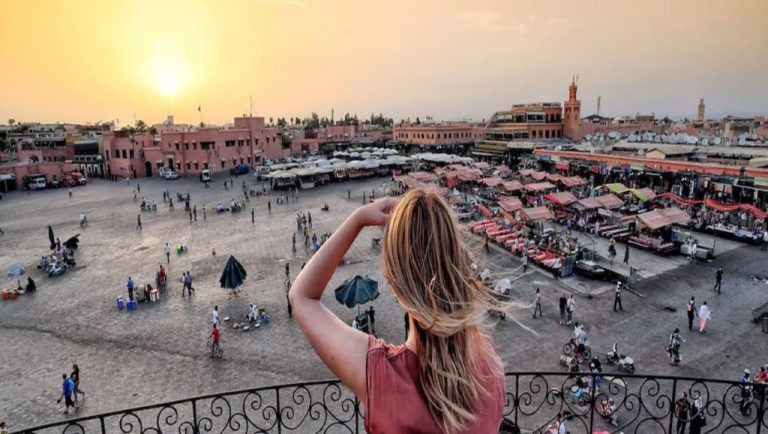
The souks of Essaouira are central to the medina’s identity. Unlike heavily commercialized markets, these spaces remain closely connected to local needs and traditions. Shops are organized by craft rather than spectacle, creating an environment that feels functional and authentic.
Walking through the souks, visitors encounter spices, textiles, ceramics, woodwork, and everyday household items. Merchants often know their customers personally, reinforcing the sense of community that defines the medina. Conversations flow easily, and browsing feels relaxed rather than pressured.
Markets are not limited to commerce. They are social spaces where people exchange news, maintain relationships, and reinforce local bonds. For visitors, the souks offer insight into how tradition and modern life coexist in a balanced way.
Time spent in the markets reveals the medina’s role as a living ecosystem rather than a tourist attraction.
Local artisans and crafts
Artisans are among the most important guardians of Essaouira’s cultural heritage. Their workshops are often modest spaces where tradition is practiced daily. Craftsmanship here is not staged; it is part of everyday life, passed down through generations.
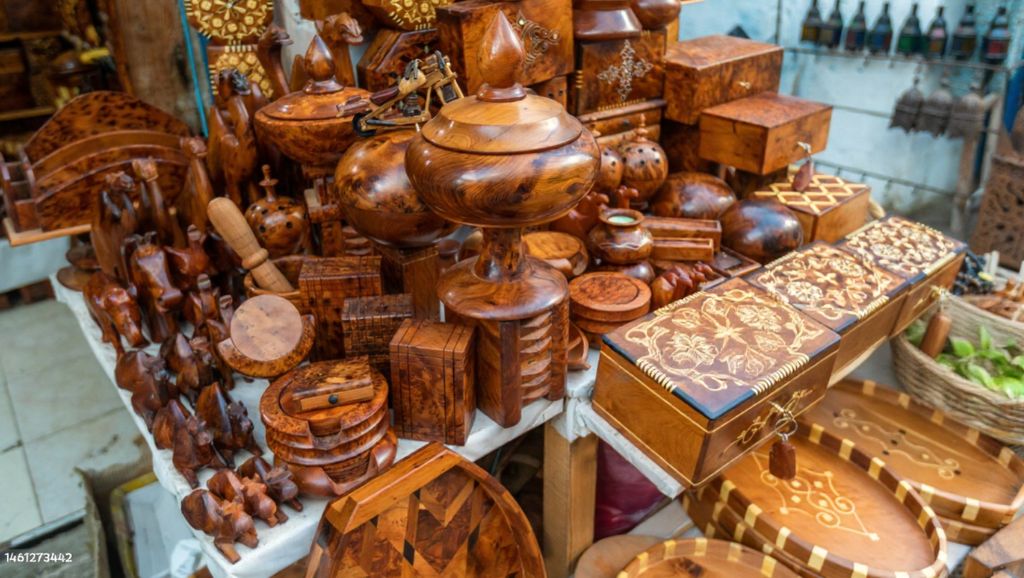
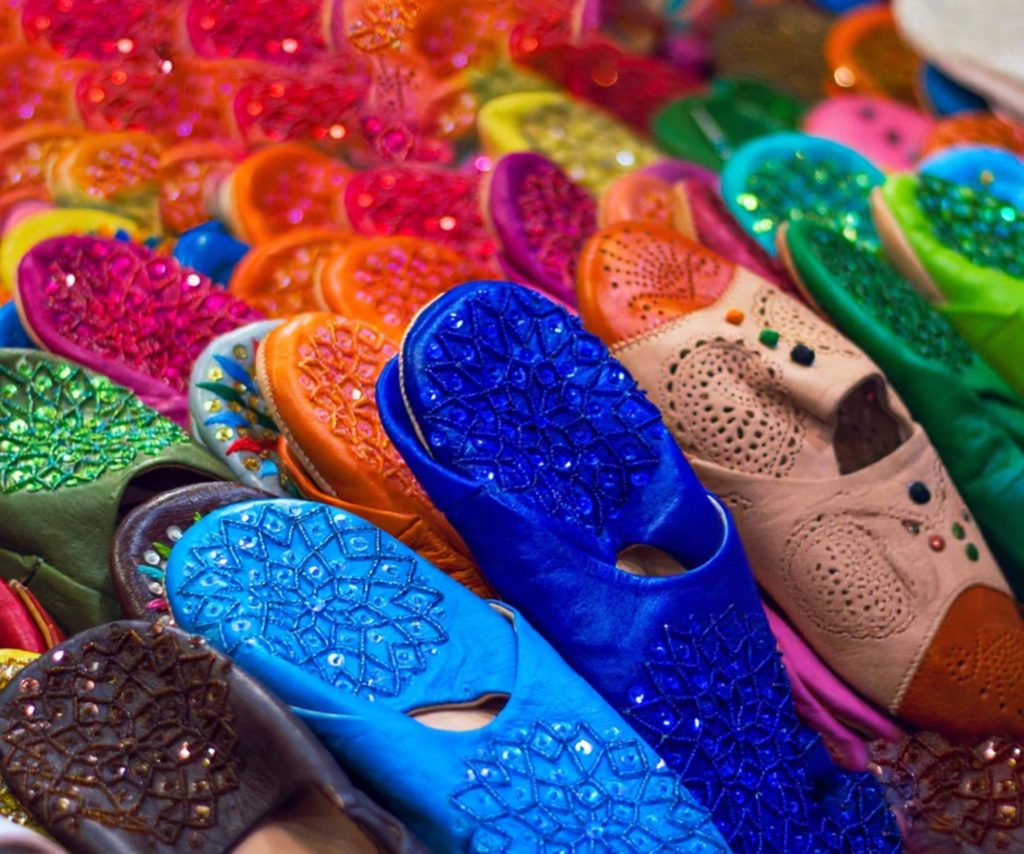
Woodworking, particularly thuya wood, is one of the medina’s most emblematic crafts. Carving, polishing, and shaping take place openly in workshops, allowing visitors to witness the creative process firsthand. Other crafts include metalwork, weaving, and leather production, each reflecting regional techniques and knowledge.
Artisans in Essaouira often balance tradition with adaptation. While preserving ancestral methods, many incorporate contemporary designs and ideas. This evolution keeps crafts relevant while maintaining their cultural roots.
Engaging with artisans offers a deeper understanding of the medina as a space of creation, not just consumption.
Daily life inside the medina
What truly defines the medina of Essaouira is daily life. Beyond shops and workshops, the medina is home to families, children, elders, and routines shaped by time and habit. Mornings begin quietly, with shopkeepers opening doors and neighbors greeting one another. As the day progresses, life gains momentum without ever becoming chaotic.
Cafés serve as meeting points where conversations unfold slowly. Children play in alleys, and residents move comfortably through shared spaces. The medina functions as a social environment built on familiarity and mutual respect.
Religious, cultural, and social practices blend naturally into daily routines. These moments, often unnoticed by hurried travelers, offer the most authentic insight into life in Essaouira.
Living inside the medina is not about isolation from the modern world, but about maintaining a rhythm rooted in human connection. To better understand how daily life in the medina connects to the wider identity of the city.
The medina of Essaouira is not something to simply visit; it is something to experience. Its structure, markets, artisans, and daily life form a cohesive whole that reflects the city’s values of balance, openness, and authenticity.
For travelers willing to slow down and observe, the medina reveals its true richness not through monuments, but through moments of everyday life that continue to shape the city’s identity.