
Global Festivals in Marrakech That Nourish the Soul
I am Daniel Harper. I am 35, I studied culture and tourism, and I have learned one thing through years of travel. Some places do not just welcome you, they tune you. Marrakech is one of them. Its global festivals are not noise on a calendar. They are moments where cultures breathe together.
The first time I experienced an international festival in Marrakech, it was early evening. The heat of the day was fading, leaving a soft warmth on the skin. Somewhere nearby, mint tea steamed gently, releasing a sweet vegetal scent that mixed with dust and jasmine. You could hear tuning instruments, not loud yet, just hints of sound. That was the moment I understood. These festivals are not designed to impress you. They are designed to meet you.
Marrakech as a crossroads of global expression
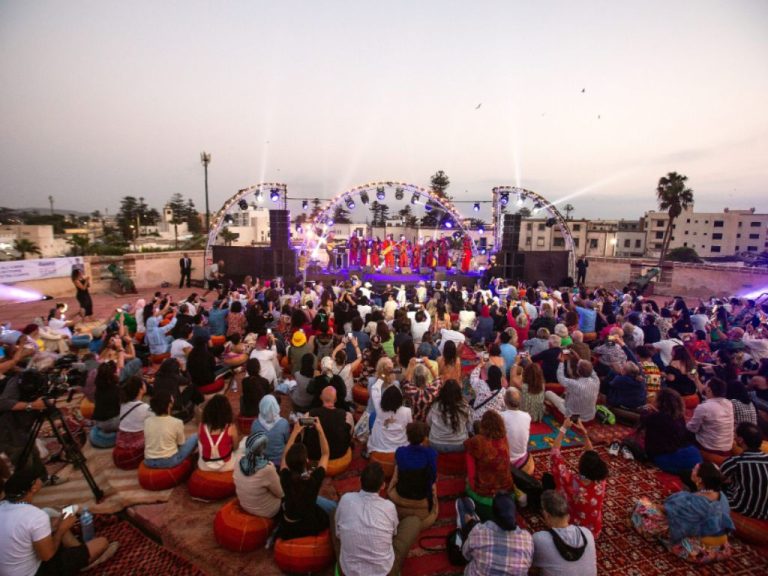
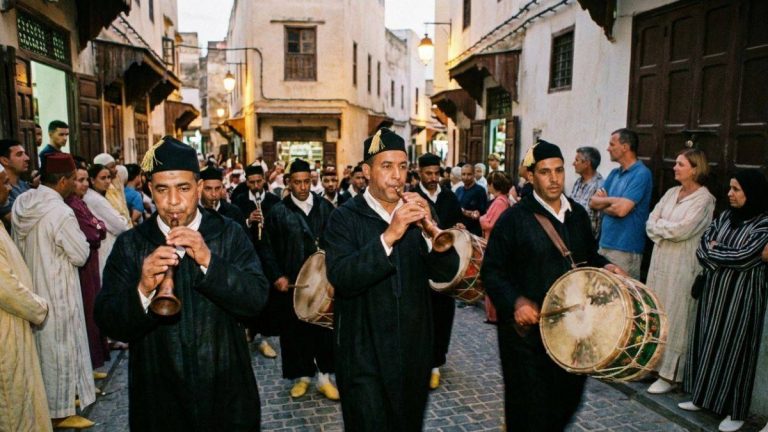
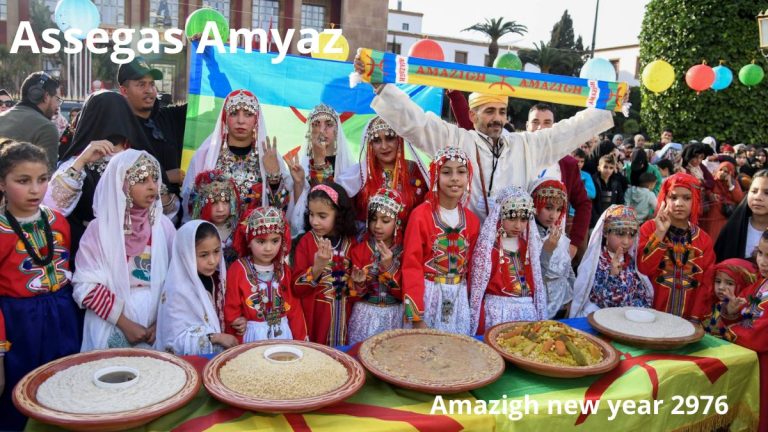
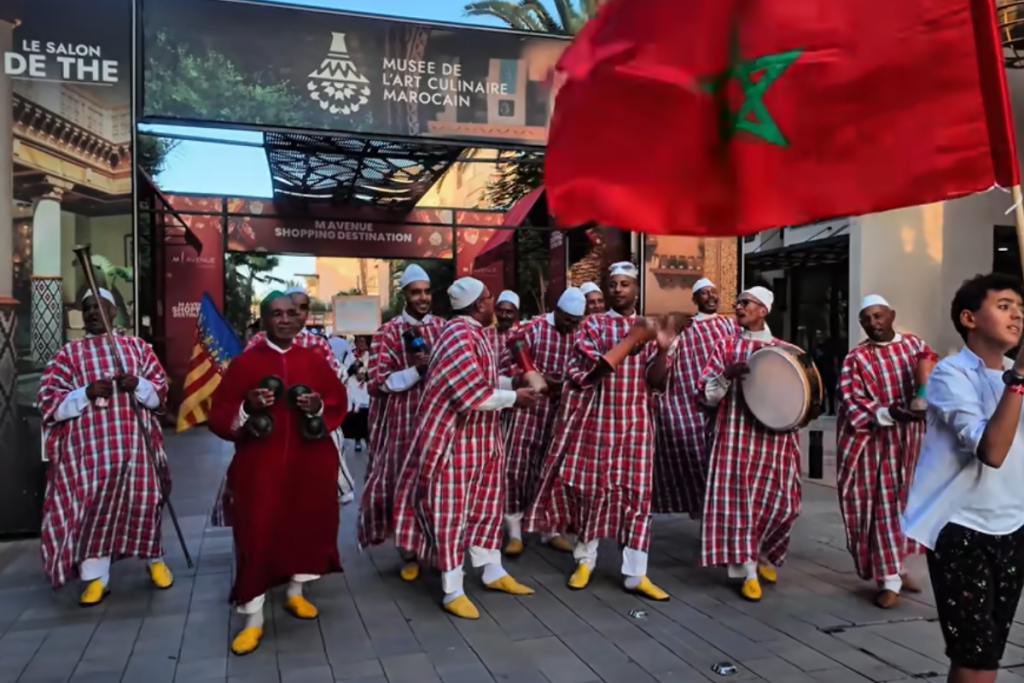
Marrakech has always been a meeting point. Traders, scholars, artists, mystics. Global festivals feel like a continuation of that history, shaped for our time. You will hear jazz next to Gnawa rhythms, African choirs answering European strings, silence respected as much as applause.
What touches me most is how natural it feels. You do not sense a forced fusion. You sense listening. You may sit beside a local family, a traveler from New York, an artist from West Africa. No one explains the experience to you. You are trusted to feel it.
This approach reflects a broader vision of cultuRAL Marrakech complete travel guide and wellness travel explored in this Marrakech complete travel guide where festivals are gateways rather than destinations.
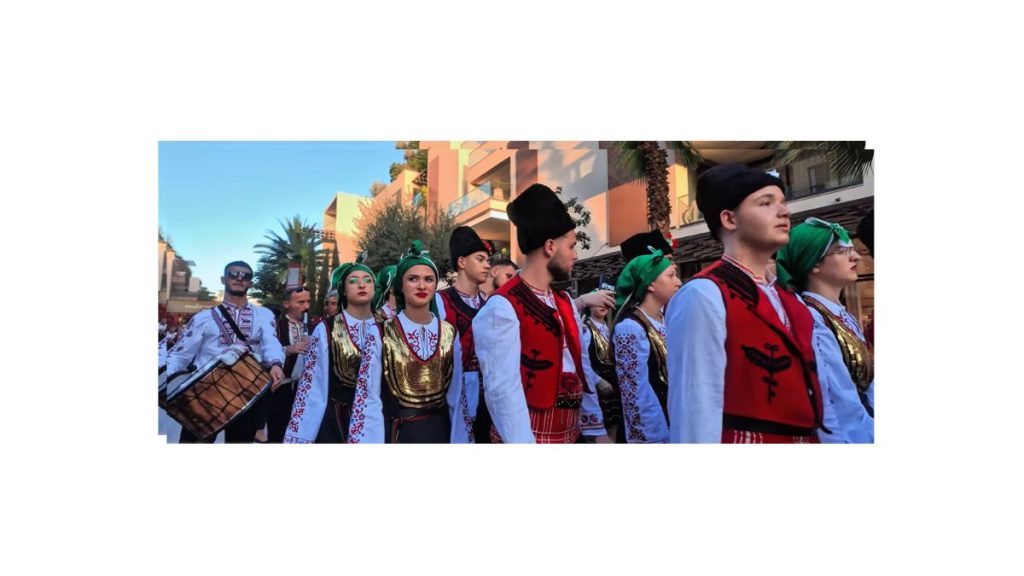
Music that grounds rather than overwhelms
Many American travelers expect festivals to be intense, crowded, overwhelming. Marrakech offers something different. Even during large international events, there is space. Space to breathe, to sit, to close your eyes.
I remember standing barefoot on cool stone during a world music night. The texture under my feet felt grounding. The sound was slow, repetitive, almost hypnotic. Drums echoed against ancient walls, not aggressively, but patiently. You begin to notice your own breathing aligning with the rhythm.
This is where well-being enters quietly. Not through yoga mats or wellness slogans, but through sound and presence. You leave lighter, not tired.
Cultural exchange without performance pressure
What I appreciate deeply is the absence of spectacle for spectacle’s sake. Artists are not here to perform culture as an object. They are here to share something alive.
During one festival, I spoke with a Moroccan musician after his set. His hands smelled faintly of wood and resin. He told me he was not playing for tourists or locals, but for the moment. You feel that sincerity in the audience. Phones stay down. Conversations soften.
For you as a traveler, this changes everything. You are not consuming culture. You are participating in a shared pause.
A sensory experience beyond the stage
Festivals in Marrakech extend beyond music. You walk between venues through narrow streets. Food stalls release aromas of grilled spices, cumin, and slow-cooked meat. Fabrics brush against your arm as people pass. Lantern light reflects softly on walls worn smooth by centuries.
I often suggest to slow down between performances. Sit. Touch the stone. Listen to distant sounds blending into the night. These in-between moments are where transformation happens.
This way of traveling, attentive and embodied, connects naturally with mindful approaches explored in mindful festival travel in Marrakech, where awareness becomes part of the journey.
Why these festivals resonate with American travelers
Many Americans arrive carrying invisible weight. Fast rhythms. Constant planning. Marrakech festivals gently disrupt that. They invite you to trust time again.
There is no rush to leave after a performance. People linger. Tea is poured slowly. Conversations unfold without urgency. You may not understand every word spoken around you, yet you understand the tone. Calm. Curiosity. Respect.
I have seen travelers arrive guarded and leave open. Not because they were taught something, but because they felt safe enough to soften.
Choosing the right global festival for you
Not all global festivals are the same. Some focus on sacred music, others on contemporary world fusion. My advice is simple. Choose with your body, not just your interests.
If you crave grounding, seek rhythms rooted in tradition. If you feel stuck creatively, choose cross-cultural collaborations. Marrakech offers both, often within the same event.
Trust that whatever draws you is what you need.
Letting the experience stay with you
The true impact of these festivals appears later. Back home. When you notice silence differently. When music affects you more deeply. When travel memories feel less like images and more like sensations.
For me, the scent of mint tea or the echo of a drum can instantly bring me back. That is the mark of a nourishing experience.
If you feel curious to explore how tradition and collective expression shape these moments, I invite you to continue with Marrakech Popular Arts Festival and living traditions, where the roots of this cultural vitality reveal themselves more clearly.
Have you ever traveled somewhere that changed your internal rhythm rather than your itinerary?
The Marrakech Popular Arts Festival and Living Traditions
I have attended many festivals around the world, yet the Marrakech Popular Arts Festival holds a particular place in my memory. Not because it was spectacular, but because it felt intimate in an unexpected way. Even surrounded by crowds, there was a sense of closeness. The air smelled of dust warmed by the sun and faint traces of leather and spices. You could hear laughter, footsteps, and drums blending into a rhythm that belonged to the city itself.
This festival is not staged to impress outsiders. It exists first for the people who carry these traditions. You are invited into something that is already alive.
Where tradition moves rather than freezes
What strikes me every time is movement. Dances are not repeated mechanically. Gestures change slightly. Voices respond to the moment. Tradition here is not preserved behind glass. It breathes, adapts, and ages with dignity.
I remember standing near a group of performers from the Atlas region. Their costumes felt heavy just by looking at them, thick fabrics textured by embroidery and time. When they began to move, the sound of ankle bells echoed softly against stone walls. The vibration traveled through the ground into the legs. You do not just watch with your eyes. Your body listens too.
This living dimension of culture is explored more deeply in Marrakech Popular Arts Festival and living traditions, where heritage is experienced as a shared present rather than a distant past.
Jemaa el-Fna as an open cultural heart
Many performances take place in or around Jemaa el-Fna. By day it is vibrant, almost chaotic. During the festival, something shifts. The square becomes a circle of attention.
Storytellers gather listeners. Musicians draw small crowds that grow organically. You feel the texture of the ground under your feet, sometimes rough, sometimes smooth where millions have passed before you. Smoke from food stalls drifts through the air, carrying the smell of grilled lamb and sweet pastries.
There is no fixed seating. You choose where to stand, when to sit, when to move closer. This freedom creates respect. You learn to read the space, to sense when silence is needed.
A festival that teaches presence
I often say this festival taught me more about mindfulness than any formal retreat. Not through instruction, but through necessity. If you rush, you miss it. If you talk too loudly, you disturb it. Presence becomes the price of entry.
You may find yourself standing still for long minutes, listening to a chant you do not understand. The repetition softens the mind. The rhythm slows the breath. This is where cultural tourism quietly becomes well-being tourism.
This experience fits naturally within the broader perspective of cultural and wellness travel described in this Marrakech complete travel guide, where inner balance emerges from cultural immersion rather than structured programs.
Intergenerational transmission you can feel
One of the most moving aspects is watching generations interact. Elder performers guide younger ones with a look, a gesture, a pause. Children sit close, absorbing without explanation.
I once spoke with an older dancer after a performance. His hands were rough, his voice calm. He told me he learned by watching, not by being taught. That philosophy shapes the festival. You learn by being there.
As a traveler, you are not asked to understand everything. You are asked to respect the continuity. That alone creates a deep sense of belonging, even temporarily.
Why this festival matters for cultural travelers
For travelers seeking authenticity, this festival offers something rare. Not an experience designed around expectations, but one rooted in daily life expanded for celebration.
You may leave without perfect photos. You will leave with sensations that stay. The echo of drums. The warmth of evening air on skin. The quiet pride in performers’ eyes.
This is not about nostalgia. It is about resilience. Culture continuing despite change.
Letting tradition reshape your pace
After attending the Popular Arts Festival, many travelers tell me they walk differently in Marrakech. Slower. More attentive. They listen more.
That shift matters. It prepares you to approach other festivals, especially spiritual ones, with openness rather than curiosity alone.
If you feel drawn toward the inner dimension of celebration, the next step naturally leads to spiritual festivals in Morocco experienced in Marrakech, where silence and sound guide the journey inward.
How do you usually engage with tradition when you travel, as an observer or as a quiet participant?
Traveling Through Spiritual Celebrations in Marrakech
There is a different quality of time during spiritual celebrations in Marrakech. I noticed it the first evening I followed a small procession through a quiet neighborhood. The city felt softer. The usual background noise faded into a low hum. Incense burned somewhere nearby, releasing a resinous, almost sweet scent that lingered in the air. You could hear voices rising and falling together, not loud, but steady, like breathing made audible.
I did not arrive with expectations. That helped. Spiritual festivals here do not seek to explain themselves. They invite you to slow down enough to feel what is happening.
Spirituality as lived experience
In Marrakech, spirituality is not separated from daily life. During festivals, this becomes visible. People gather after work. Children play nearby. Elders sit quietly, eyes half closed. Nothing feels staged.
I remember sitting on a worn carpet laid directly on stone. The texture was rough but comforting. My hands rested on my knees. The chant continued, repetitive and circular. At some point, the mind stopped trying to interpret. You are not asked to believe anything. You are asked to stay.
This approach reflects a deeper layer of cultural travel described in this Marrakech complete travel guide, where inner experience grows naturally from shared moments.
The role of sound and silence
Sound carries these celebrations. Not music in the usual sense, but voices, percussion, breath. Silence matters just as much. Pauses are respected. No one rushes to fill them.
For American travelers accustomed to constant stimulation, this can feel unfamiliar at first. Then something shifts. Your shoulders drop. Your breathing deepens. You begin to listen with the body.
I have watched people arrive restless and leave calm without realizing when it happened. That is the power of spiritual festivals here. They do not promise transformation. They allow it.
Welcoming without conversion
One of the most beautiful aspects is how welcoming these celebrations are. You are not expected to participate actively. You are not singled out as a foreigner. You are simply present.
I often stand slightly aside, observing. Sometimes someone offers tea. The glass is warm in your hands. Mint leaves float on the surface, releasing a fresh aroma. These small gestures ground you in the moment.
This openness allows genuine cultural exchange. Not through words, but through shared stillness.
Well-being beyond wellness trends
Many travelers search for wellness through structured retreats. Marrakech spiritual festivals offer something quieter. Well-being emerges from rhythm, repetition, and belonging.
There are no schedules posted. No goals to achieve. You stay as long as it feels right. You leave when your body tells you to.
This is why these celebrations resonate deeply with those seeking balance rather than performance. They align closely with the values of mindful cultural travel , where respect and presence lead the way.
When to attend and how to approach
Spiritual festivals follow lunar calendars and local traditions. Dates shift. Rather than planning tightly, I suggest allowing flexibility. Ask locals. Listen.
Approach with humility. Dress simply. Observe before acting. Let your senses guide you more than your camera.
If you feel uncertain, that is part of the process. Discomfort often precedes insight.
Carrying the experience with you
Long after leaving Marrakech, these moments return unexpectedly. In silence. In music. In how you respond to stress.
For me, certain chants still echo when I need grounding. The memory is not visual. It is physical. A slowing. A warmth in the chest.
These spiritual celebrations prepare the ground for deeper experiences, especially those centered on sacred music and devotion.
If you feel ready to explore how sound becomes a spiritual bridge, continue with Sufi festival Marrakech and sacred music encounters, where vibration and meaning meet.
How do you usually respond to silence when you travel, do you avoid it or let it guide you?
Sufi Gatherings and Sacred Music Experiences
The first Sufi gathering I attended in Marrakech took place after nightfall. The air had cooled, carrying the faint smell of earth after heat. I sat on a cushion that felt firm and slightly coarse under my palms. Around me, people settled quietly. No one rushed. When the first voice rose, it did not demand attention. It invited it.
Sacred music in these gatherings is not meant to entertain. It is meant to open space.
Sound as a path inward
Sufi music works through repetition. Phrases return again and again, carried by breath and rhythm. At first, the mind listens. Then the body follows. You may notice your heartbeat aligning with the tempo. Your breathing slows without effort.
I remember closing my eyes and feeling the vibration in my chest. The sound was not loud, but it was full. Drums pulsed gently. Voices wove together. Silence appeared between phrases like a resting place.
This experience is part of the deeper cultural landscape explored in this Marrakech complete travel guide, where festivals are invitations to presence rather than performances to consume.
A shared experience beyond language
What moves me most is how accessible these gatherings are. You do not need to understand the words. Meaning arrives through tone and rhythm.
I have sat beside people from many countries. We did not speak. We did not need to. When the chant ended, we shared a glance that felt like recognition.
For American travelers used to explanation, this can feel disorienting at first. Then freeing. You are allowed to experience without analysis.
Respectful participation as a visitor
As a visitor, your role is simple. Listen. Observe. Follow the energy of the room.
Dress modestly. Arrive early. Sit where indicated. When in doubt, stillness is always appropriate.
I have found that respect opens doors quietly. Someone may gesture for you to sit closer. Tea may appear. The glass warms your hands. Steam carries a soft herbal scent.
This gentle inclusion aligns with mindful approaches to festival travel , where awareness shapes every interaction.
Sacred music and emotional release
It is not uncommon for people to cry during Sufi gatherings. Not from sadness, but from release. The music touches something wordless.
I have felt tension dissolve simply by staying with the sound. No effort. No technique. Just listening.
This is wellness in its most human form. Not optimized. Not measured. Felt.
When and where to experience Sufi gatherings
Some gatherings are part of larger festivals. Others are smaller, almost private. Ask with humility. Follow recommendations from locals you trust.
Avoid photographing unless clearly invited. Presence matters more than memory capture.
If you allow yourself to stay open, these moments can become anchors in your travel experience.
From sacred sound to seasonal rhythm
Sufi gatherings are deeply connected to cycles of time and nature. They prepare you to notice how festivals shift with seasons and rituals.
If you wish to explore how celebration aligns with natural rhythms and bodily well-being, the journey continues with seasonal rituals and wellness celebrations in Marrakech, where culture and nature move together.
How does music usually affect you when you travel, do you listen from the outside or let it move through you?
Seasonal Rituals and Wellness-Oriented Celebrations
I began to understand Marrakech differently when I stayed long enough to feel the seasons shift. Not dramatically, but subtly. Light changes. Air thickens or clears. During seasonal rituals, the city seems to adjust its breathing. I noticed it one spring morning. The scent of fresh herbs filled the air, sharp and green. Under my sandals, woven mats felt slightly damp from the night. Celebration here follows nature, not the calendar.
These rituals are quiet markers of time. They invite the body to realign.
Celebrations shaped by land and climate
Seasonal celebrations in Marrakech are deeply connected to agriculture, water, and light. You may encounter them without planning. A gathering near an olive grove. A communal meal after harvest. A blessing linked to rain or renewal.
I once joined a small group outside the city at the change of season. No stage. No schedule. Just shared food, rhythmic clapping, and long pauses. The sound of wind moving through trees became part of the ceremony.
This grounded approach to celebration reflects the broader philosophy explored in this Marrakech complete travel guide, where wellness grows from alignment rather than escape.
Wellness without labels
What strikes many American travelers is the absence of wellness branding. No promises of transformation. No structured programs.
Well-being emerges from participation. From walking more slowly. From eating seasonally. From listening to elders speak about cycles rather than goals.
I remember being offered bread still warm, its texture rough and comforting. Olive oil tasted grassy and fresh. Eating became ritual. Nourishment felt complete.
This is wellness rooted in continuity, not innovation.
The body as a seasonal instrument
Seasonal rituals encourage listening to the body. Energy rises and falls. Rest is honored. Effort is timed.
During summer gatherings, celebrations often happen at dusk. The air cools. Skin relaxes. In cooler months, warmth is shared through movement and proximity.
You begin to notice how your own rhythms shift. Sleep deepens. Attention steadies.
This sensitivity prepares you for mindful approaches to cultural events , where awareness of body and place shapes experience.
Participating with humility
As a visitor, participation is gentle. You may be invited to observe. Sometimes to join. Follow cues. Ask quietly if unsure.
Dress simply. Respect pauses. Leave space.
I have found that showing patience opens doors. Someone may explain a gesture. Someone may smile and nod. That is enough.
Why these rituals matter for long-term well-being
Seasonal rituals remind us that balance is dynamic. Not something achieved once, but revisited.
Many travelers leave Marrakech with a new relationship to time. Less urgency. More trust.
For me, these experiences changed how I travel everywhere. I plan less. I listen more.
Preparing for mindful festival experiences
Understanding seasonal rhythms helps you approach festivals not as events to consume, but as moments to inhabit.
This awareness naturally leads to practical questions. How do you prepare? How do you stay respectful? How do you avoid overwhelm?
These reflections come together in how to experience Marrakech festivals mindfully, where presence becomes the most valuable travel skill.
How often do you allow your travel pace to follow nature rather than schedules?
How to Experience Marrakech Festivals Mindfully
I learned to experience Marrakech festivals mindfully by making mistakes first. Rushing. Overplanning. Trying to see everything. It never worked. The shift came one evening when I arrived early and did nothing. I sat against a warm wall, its surface smooth from time and touch. Nearby, tea was poured. The soft clink of glass echoed gently. In that stillness, the festival came to me.
Mindful festival travel here is less about technique and more about attitude.
Arriving with space rather than expectations
Marrakech festivals do not reward tight schedules. They reward openness. Performances may start late. Gatherings may change location. This is not disorganization. It is responsiveness.
I suggest arriving with one intention, not a list. Curiosity. Rest. Listening. Let the rest unfold.
When you release expectations, frustration fades. Presence grows.
This philosophy echoes the wider approach to cultural travel explored in this Marrakech complete travel guide, where meaning emerges through adaptation rather than control.
Engaging the senses consciously
Mindfulness begins with the senses. Notice temperature changes as day turns to night. Feel the ground beneath your feet. Listen for layers of sound rather than focusing on one source.
I often close my eyes briefly during performances. The music feels different without visual input. The body receives more.
Smell is powerful here. Incense. Food. Dust after movement. These scents anchor memory deeper than images.
Respect as the foundation of experience
Respect shapes everything. Dress modestly. Observe before participating. Ask permission with gestures if language fails.
Silence is a form of respect. So is patience.
I have noticed that when visitors slow down, locals open up. A nod. An invitation to sit. Shared tea.
This mutual respect transforms the festival from event to encounter.
Balancing presence and rest
Mindful travel includes rest. Festivals can be intense, even when gentle.
Step away when needed. Sit in a quiet courtyard. Drink water. Breathe.
Listening to your body prevents overwhelm and allows deeper engagement when you return.
Letting go of documentation
I carry a camera, but I use it sparingly. Some moments ask to remain unrecorded.
When you stop trying to capture everything, you start receiving more.
Memories settle differently when they are lived fully.
Integrating the experience afterward
Mindful festival travel does not end when the music stops. Integration happens later.
Notice how you move the next day. How you listen. How you react to noise or silence.
For many travelers, this integration begins through spiritual or artistic reflection. Returning to moments of sound, stillness, and shared presence.
To deepen this integration, revisiting Sufi festival Marrakech and sacred music encounters often brings immediate grounding and clarity.
What would change in your travels if presence mattered more than completion?
Conclusion : Letting Marrakech Festivals Reshape Your Inner Rhythm
Festivals as Doorways, Not Distractions
I look back at my experiences in Marrakech, I realize the festivals were never separate moments. They formed a rhythm that stayed with me long after I left. Global music gatherings opened my senses. Popular arts grounded me in living tradition. Spiritual celebrations slowed my breath. Sufi music softened my inner noise. Seasonal rituals taught my body to listen. Mindful presence tied everything together.
From Cultural Depth to Personal Well-Being
Marrakech does not ask you to understand everything. It asks you to feel honestly. The warmth of stone at night. The scent of mint and incense. The low echo of drums carrying through narrow streets. These sensations become guides.
Carrying the Rhythm Beyond Marrakech
For travelers seeking cultural depth and well-being, festivals here are not distractions. They are doorways. If you wish to return to the most immediately grounding of these experiences, I invite you to reconnect with Sufi festival Marrakech and sacred music encounters, where sound continues to offer balance and belonging.
How might your next journey change if you allowed festivals to reshape not just your itinerary, but your inner rhythm?
Marrakech Popular Arts Festival: Where Tradition Breathes
My first encounter with the Marrakech Popular Arts Festival did not feel like attending an event. It felt like stepping into a pulse that had been beating long before I arrived. I was 35, already well traveled, yet standing near Jemaa el-Fna that evening, I felt quietly inexperienced. The air was warm and carried the smell of dust, leather, and grilled spices. Drums echoed somewhere beyond the crowd, not loud, but steady. You did not follow the sound. It found you.
You may arrive expecting folklore. What you meet instead is life in motion.
A festival rooted in continuity, not performance
The Marrakech Popular Arts Festival exists to honor practices passed from body to body, not from script to stage. Dancers, musicians, storytellers, acrobats. Many learned by watching elders, not by studying manuals. That transmission is visible. Movements are precise yet fluid. Voices rise without force.
I remember watching a group from the High Atlas prepare. Their costumes felt heavy just to look at, thick wool, layered fabric. When they began to dance, ankle bells rang softly, metallic but warm. The vibration traveled through the ground. You could feel it in your legs before your mind tried to understand it.
This sense of embodied culture connects deeply with the philosophy of cultural and wellness travel explored in this Marrakech complete travel guide, where experience matters more than explanation.
Jemaa el-Fna as a living stage
Many performances unfold in open spaces, especially Jemaa el-Fna. During the festival, the square changes character. It becomes attentive.
By day, the square is loud and animated. By evening, something settles. Circles form naturally around performers. Children sit close. Elders stand slightly back. Tourists learn quickly to do the same.
The ground under your feet feels uneven, polished by centuries of passage. Smoke from food stalls drifts by, carrying the smell of cumin and charcoal. A storyteller begins. His voice rises and falls, punctuated by silence. People lean in. Time stretches.
You are not told when to applaud. You feel it.
Sensory immersion beyond sight
What stays with me most are not images, but sensations. The roughness of stone when I sat down. The warmth of bodies close by without discomfort. The sound of clapping hands echoing against old walls.
At one point, I closed my eyes. The rhythm continued. Without visuals, the experience deepened. This is not accidental. Moroccan popular arts are designed to be felt as much as seen.
For travelers used to curated performances, this can be disorienting. Then grounding. You stop searching for meaning and let meaning arrive.
Presence as participation
You do not need to dance or sing to participate. Presence is enough. Standing still. Listening. Respecting silence.
I noticed how quickly visitors adjusted. Phones lowered. Conversations softened. Attention sharpened.
This collective presence creates well-being quietly. Not as a goal, but as a byproduct. Shoulders drop. Breathing slows.
This is why the Popular Arts Festival belongs fully within cultural well-being tourism. It aligns naturally with spiritual and mindful celebrations explored elsewhere in Marrakech.
Learning without instruction
One afternoon, I spoke with a performer resting between dances. His hands were rough. His gaze calm. He told me he learned everything by watching his grandfather. No words. Only repetition.
That philosophy extends to visitors. No one explains the symbolism unless asked. You are trusted to feel first.
For many American travelers, this is refreshing. There is no pressure to understand intellectually. Emotional understanding is enough.
Respecting the rhythm as a visitor
If you attend, arrive with humility. Dress simply. Observe before acting. Follow the crowd’s cues.
Photography is often allowed, but restraint is appreciated. Some moments ask to remain unrecorded.
I found that when I stopped documenting, people smiled more. Someone offered tea. The glass was warm in my hands. Mint released its aroma slowly.
These small exchanges are part of the festival.
Why this festival reshapes how you travel
After attending the Marrakech Popular Arts Festival, many travelers tell me they move differently through the city. Slower. More attentive.
The festival recalibrates your pace. It teaches patience without preaching it.
For me, it changed how I approach all cultural events. I now listen longer before forming opinions. I trust sensation more than interpretation.
This openness prepares you beautifully for deeper experiences, especially those rooted in spirituality and sound.
Carrying tradition forward
The Popular Arts Festival is not about preserving the past. It is about continuity. Tradition moving forward without losing itself.
As a traveler, you become a witness to that movement. Briefly. Respectfully.
If you allow it, the experience stays with you long after the drums fade.
To explore how this living tradition connects with inner reflection and calm, your next step naturally leads toward spiritual festivals in Morocco experienced in Marrakech, where celebration turns inward.
When you travel, do you allow tradition to teach you its rhythm, or do you try to fit it into yours?
Spiritual Festivals in Morocco Experienced in Marrakech
There is a quiet invitation in Marrakech during spiritual celebrations. I first noticed it while following a small procession winding through narrow streets at dusk. The air was cool, carrying a faint scent of burning resin and herbs. Voices rose and fell together in chant, not demanding attention, merely offering it. I felt my own breathing slow to match the rhythm. You do not need to belong to feel the effect—you only need to be present.
These celebrations are not performances. They are shared pauses in life’s rhythm.
Spirituality embedded in daily life
In Marrakech, spirituality is woven into everyday life, not separated from it. Festivals make this visible. People gather after work, children play nearby, elders sit quietly. Nothing is staged. Everything is alive.
I once sat on a woven mat that felt rough but grounding under my palms. The chant continued, looping softly. At some point, I stopped analyzing. My mind stopped needing to understand. I was simply listening. This approach aligns with the deeper principles of cultural and wellness travel highlighted in <span style=”color:blue”>guide complet pour voyager à Marrakech</span>, where experience guides reflection.
The interplay of sound and silence
Sound is central. Not music as entertainment, but sound as presence. Voices, percussion, and breath create texture. Silence matters as much as sound. Pauses are respected.
For American travelers, accustomed to constant stimulation, this can feel strange at first. Then it becomes liberating. You learn to let sound move through you, to feel it physically rather than intellectually.
Welcoming without expectation
The openness of these festivals is remarkable. Visitors are not pressured to participate. You are welcome to observe. A warm tea may be offered. The glass feels solid and smooth. Steam carries the fresh scent of mint.
Presence is sufficient. Respectful attention allows genuine connection without words.
This approach mirrors mindful festival travel where awareness of the moment becomes the core of engagement.
Well-being through shared experience
Many travelers search for structured wellness. Here, wellness arises naturally. Breath slows. Shoulders drop. The mind eases. Participation, even passive, is restorative.
I often watch visitors arrive tense and leave relaxed, not by following a program, but by letting the rhythm guide them.
Timing and participation
Spiritual festivals follow lunar or local calendars. Dates shift. Flexibility is key. Ask locals. Move with intention. Observe first, participate lightly. Dress modestly. Honor silence.
The experience may feel uncertain. That is part of the learning.
Carrying the practice forward
The impact often continues at home. Moments of stillness, the echo of chant, the scent of incense—all become anchors for calm and reflection.
These festivals prepare the ground for experiences where music carries spiritual significance.
If you feel ready to explore the transformative power of sacred music, continue with Sufi festival Marrakech and sacred music encounters, where rhythm and devotion intersect.
How do you normally respond to silence when traveling, do you avoid it, or let it guide you inward?
Sufi Festival Marrakech and Sacred Music Encounters
The first Sufi gathering I attended in Marrakech felt like stepping into a different rhythm of time. The evening air was cool, carrying a faint, earthy scent of burning incense. I sat on a cushion that was slightly firm, its texture grounding. Around me, people settled quietly. No one spoke. When the first voice rose in chant, it invited attention rather than demanding it.
Sacred music here is not performance; it is presence.
Music as a path inward
Sufi music relies on repetition. Phrases cycle over and over, carrying subtle shifts in tone and tempo. At first, your mind listens. Then your body joins. You notice your heartbeat aligning with the rhythm. Breathing slows naturally.
I remember closing my eyes and feeling vibration in my chest. Drums pulsed gently. Voices intertwined. Between phrases, silence appeared like a resting place, a pause that carried meaning.
These experiences are part of the broader cultural landscape explored in Marrakech complete travel guide, where festivals are invitations to presence rather than spectacles to consume.
Connection beyond language
One of the most striking aspects is accessibility. You do not need to understand the words. Meaning arrives through tone, rhythm, and shared energy.
I often sit beside travelers from many countries. We do not speak. We do not need to. When the chant ends, a shared glance or smile conveys recognition. Understanding arises without explanation.
Respectful participation
Your role as a visitor is simple: listen, observe, follow the energy. Dress modestly. Arrive early. Sit where indicated. Stillness is always appropriate.
I noticed that respectful presence opens doors. Someone may gesture for you to sit closer. Tea may appear. The glass feels warm. Steam rises with a soft herbal aroma.
This aligns with mindful festival travel practices where attention shapes the quality of the experience.
Emotional release through sound
It is common to feel emotional release during Sufi gatherings. Not sadness, but letting go. Music touches something wordless. I have felt tension dissolve simply by staying with the sound, without effort or technique. This is wellness in its most human form.
When and where to attend
Some gatherings are part of large festivals; others are smaller and intimate. Ask locals for guidance. Respect photography restrictions. Presence matters more than documentation.
Bridging sacred sound and seasonal rhythm
Sufi gatherings are tied to natural and seasonal rhythms. Attending them prepares you to notice how festivals shift with cycles, guiding both cultural and wellness experiences.
To explore how celebration, ritual, and seasonal alignment enhance well-being, the journey naturally continues with seasonal rituals and wellness celebrations in Marrakech.
How does music usually affect you when traveling—do you listen from the outside, or let it move through you?
Seasonal Rituals and Wellness Celebrations in Marrakech
Spending time in Marrakech taught me to notice subtle shifts in the city as the seasons change. The air feels different, light softens or sharpens, and the rhythm of life adjusts. During seasonal rituals, the city seems to exhale and invite participation. One spring morning, I walked through a small gathering outside the Medina. The scent of fresh herbs—thyme, rosemary—filled the air, sharp and green. Under my feet, woven mats felt slightly damp from the night. Celebration here follows nature’s rhythm, not the clock.
These rituals invite you to align your body with the environment.
Celebrations shaped by land and climate
Seasonal festivals in Marrakech often reflect agricultural cycles, water, and light. Sometimes they happen in olive groves or near orchards. At other times, they coincide with harvests or solar events. One evening, I joined a small spring celebration. There was no stage, just shared food, rhythmic clapping, and gentle pauses. The wind through trees became part of the ceremony, carrying sound and scent.
This grounded approach resonates with the philosophy of cultural and wellness travel described in Marrakech complete travel guide, where well-being emerges naturally through presence and participation.
Wellness without formal structure
Unlike wellness retreats marketed with schedules and goals, these rituals offer quiet restoration. Walking slowly, eating seasonal foods, listening to elders speak about the cycles of life—all create subtle wellness benefits.
I remember a shared meal: bread still warm and coarse, olive oil grassy and fresh. Eating became ritual. Nourishment felt complete.
Listening to the body
Seasonal rituals encourage awareness of your own rhythms. Energy rises and falls naturally. Rest is honored, effort measured. In summer, events happen at dusk when temperatures soften. In winter, warmth is shared through movement and proximity. You notice your own body shifting in response.
This attunement complements mindful cultural travel practices where awareness of body and surroundings enriches experience.
Participating with humility
Visitors participate gently. Observation is sufficient. Sometimes invitations arise—to join a dance, to clap, to share food. Dress simply. Follow cues. Respect pauses.
I have noticed that showing patience allows deeper connection. Someone may explain gestures, someone may smile. That alone conveys welcome.
Why seasonal rituals matter
These rituals teach that balance is dynamic. Not a fixed goal, but a practice revisited throughout life. Many travelers leave Marrakech with a sense of patience and slowed perception.
For me, these experiences reshaped how I travel: planning less, observing more, listening to inner rhythms.
Preparing for mindful festival travel
Understanding seasonal rituals helps you approach other festivals as moments to inhabit fully, not as items to check off a list. This perspective naturally leads to how to experience Marrakech festivals mindfully, where presence becomes the core of every interaction.
How often do you allow your travel pace to follow nature rather than your itinerary?
How to Experience Marrakech Festivals Mindfully
I learned to experience Marrakech festivals mindfully through trial and observation. Early on, I tried rushing from performance to performance. I left exhausted and unfulfilled. The change came one evening when I arrived early and did nothing. I leaned against a warm wall, its surface smooth from centuries of hands brushing it. Nearby, tea was poured. The soft clink of glass blended with murmurs of anticipation. In that stillness, the festival reached me.
Mindful festival travel here is less about technique and more about attitude.
Arriving with space rather than expectations
Marrakech festivals reward openness, not strict schedules. Performances may start late. Gatherings may shift locations. This is responsiveness, not disorganization.
I suggest arriving with one intention: curiosity, attention, or rest. Let the rest unfold.
This approach aligns with the broader philosophy of cultural and wellness travel in Marrakech complete travel guide, where meaning arises through adaptation rather than control.
Engaging the senses consciously
Mindfulness begins with noticing the senses. Feel temperature changes as day turns to night. Sense the texture of stone beneath your feet. Listen to the layers of sound, rather than focusing on one element.
I close my eyes during some performances. Music feels different without visual input. The body receives more.
Smell is also a guide. Incense, spices, and dust anchor memory more deeply than images.
Respect as the foundation of experience
Respect shapes every interaction. Dress modestly. Observe before participating. Ask permission silently if language fails.
Silence is a form of respect. So is patience.
I have noticed that slowing down opens doors. Someone gestures for you to sit closer. Tea arrives, warm and fragrant. These simple gestures create connection.
Balancing presence and rest
Mindful travel includes rest. Festivals can be intense, even when gentle. Step aside when needed. Sit in a quiet courtyard. Drink water. Breathe.
Listening to your body prevents overwhelm and allows deeper engagement when you return.
Letting go of documentation
I carry a camera but use it sparingly. Some moments ask to remain unrecorded. When you stop documenting, you start receiving more. Memory becomes felt, not just seen.
Integrating the experience afterward
Mindful festival travel does not end when the music stops. Integration occurs later, noticing how you move, how you respond to noise and silence, how you breathe.
For many travelers, this continues through reflection, returning to the rhythm of sound, stillness, and shared presence.
To deepen this awareness and connect with sound as a spiritual guide, revisiting sufi festival Marrakech and sacred music encounters provides immediate grounding and clarity.
What would change in your travels if presence mattered more than completion?
Conclusion: Letting Marrakech Festivals Reshape Your Inner Rhythm
Looking back on my experiences with Marrakech festivals, I realize they are not isolated events but a continuous rhythm that stays with you long after leaving the city. Global music gatherings awaken your senses. The Popular Arts Festival grounds you in living tradition. Spiritual celebrations slow your breath. Sufi music softens inner noise. Seasonal rituals teach your body to listen. Mindful presence ties all of this together.
Marrakech does not ask you to understand everything. It asks you to feel. The warmth of stone at night. The scent of mint and incense. The soft echo of drums through narrow streets. These sensations guide you, more than any map.
For travelers seeking both cultural depth and personal well-being, festivals here are doorways, not distractions. To return to the most immediately grounding experiences, reconnect with Sufi festival Marrakech and sacred music encounters, where sound continues to offer balance and belonging.
How might your next journey change if festivals reshaped not just your itinerary, but your inner rhythm?