
Tangier’s musical calendar follows two rhythms the lunar Islamic calendar and the weekly pulse of Thursday gatherings. Ramadan transforms the city into a nightly concert hall. The moussem of Sidi Kacem brings Aissawa processions flooding the streets. Thursday evenings the zawiyas fill with devotional chanting. For travelers hoping to experience Morocco’s authentic sacred music traditions, timing matters enormously. Arrive during the right week and you might witness three different spiritual traditions in a single night. This guide helps you align your journey with Tangier’s richest musical moments.
Understanding the Lunar Calendar
The Islamic calendar follows lunar cycles, meaning religious holidays shift roughly eleven days earlier each solar year. This creates moving target for trip planning but also ensures the festivals cycle through all seasons over time. Ramadan might fall in summer one decade, winter another. The moussems celebrating local saints follow the same lunar logic.
For travelers accustomed to fixed festival dates, this fluidity requires adjustment. You can’t simply mark your calendar for “third week of June” and expect the same event annually. Instead you research the current year’s Islamic calendar, identify which lunar months correspond to major celebrations, then convert those dates to the Gregorian calendar used for booking flights.
Several online tools and apps help with this conversion. The website islamicfinder.org provides reliable Islamic calendar information with Gregorian equivalents. Most Moroccan tourism sites list major holidays with current year dates. Building buffer into your travel dates increases chances of catching festivals that might shift by a day or two.
Ramadan: The City Transforms
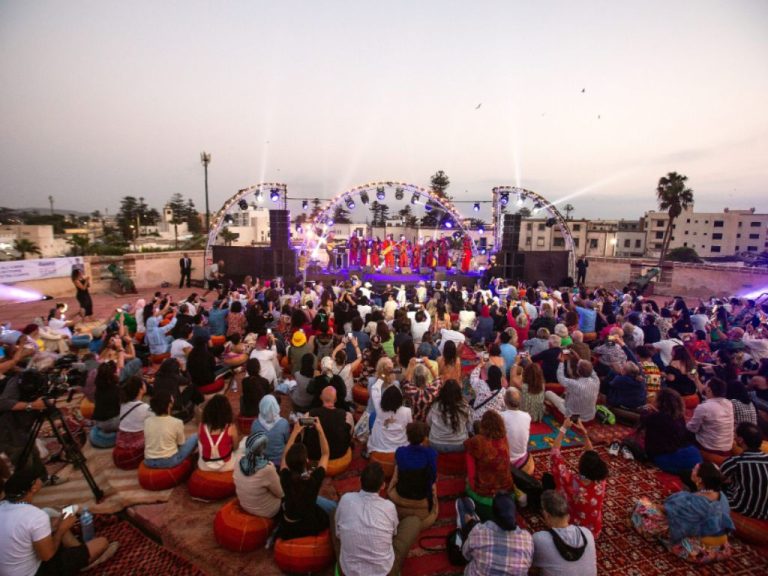
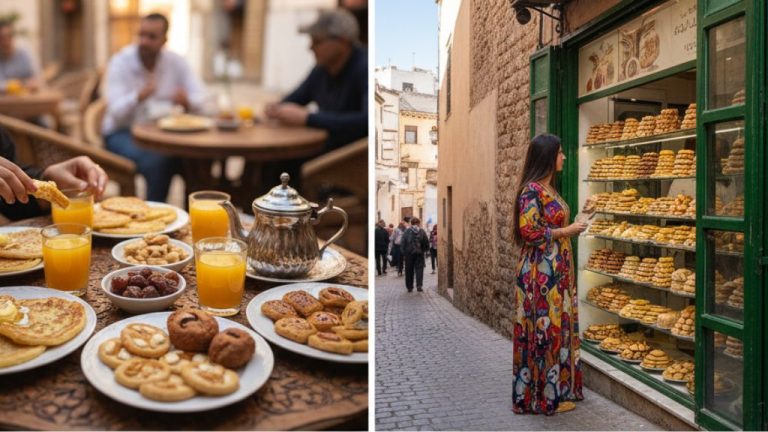
Ramadan transforms Tangier’s musical landscape more profoundly than any other period. During this month of fasting, the city sleeps during daylight hours then erupts with energy after maghrib prayer at sunset when families break their fast. Cultural centers schedule nightly concerts. Zawiyas hold extended dhikr sessions. The medina streets fill with people strolling between impromptu musical gatherings.
The Institut Cervantes presents Andalusian orchestras almost nightly during Ramadan, performances often free or charging minimal entry fees. The refined melodies float through warm evenings as families walk the medina after iftar meals. These concerts democratize access to high-quality performances, creating rare opportunity to experience Morocco’s classical tradition in ideal circumstances.
The zawiyas intensify their activities during Ramadan. Thursday evening dhikr sessions extend longer than usual. Some zawiyas add additional gatherings on other nights. The spiritual intensity of the fasting month amplifies the devotional music, participants seeking deeper connection during this sacred time.
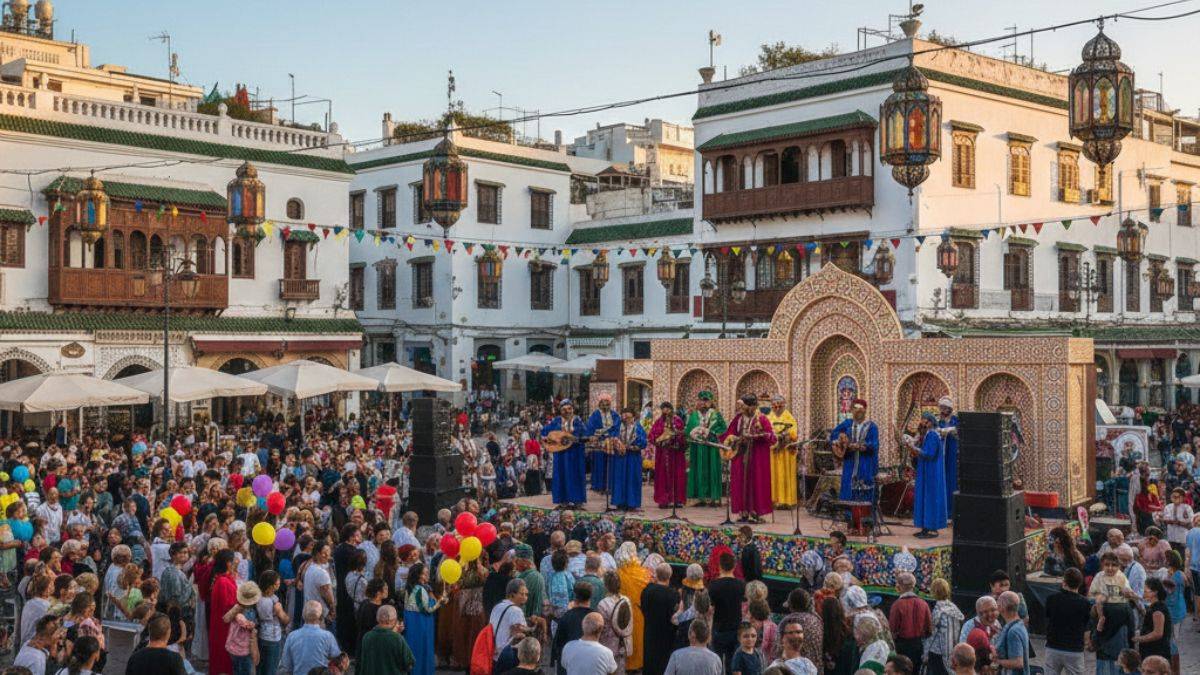
Public squares host spontaneous musical gatherings. You might turn a corner and discover ten musicians performing for assembled listeners, no formal organization or ticketing, just community members sharing music during the blessed month. These impromptu concerts capture something magical impossible to schedule or reproduce.
The challenge of Ramadan for non-Muslim visitors involves respecting the fast. Eating, drinking, or smoking publicly during daylight hours shows disrespect. Many restaurants close until evening. The rhythm of the city shifts entirely. But for those willing to adjust their schedules sleeping late, eating substantial pre-dawn and post-sunset meals, embracing the nocturnal energy Ramadan offers unparalleled access to Tangier’s musical traditions.
Mawlid: Celebrating the Prophet’s Birth
Mawlid, celebrating the Prophet Muhammad’s birthday, brings Aissawa processions into Tangier’s streets. Multiple groups might perform simultaneously in different neighborhoods, creating citywide sonic environment of devotional intensity. The ghaitas wail from various directions while drums thunder through narrow passages.
The main Mawlid celebrations typically occur on the twelfth day of Rabi al-Awwal, the third month of the Islamic calendar. However, festivities often extend for the entire week surrounding that date. Some neighborhoods hold their processions on different days, spreading the celebrations and allowing dedicated music lovers to follow multiple events.
The processions follow traditional routes through the medina, stopping at significant locations important zawiyas, the tombs of local saints, neighborhood squares. At each stop, the music intensifies. Brotherhood members demonstrate their spiritual attainment through trance states and remarkable feats. Crowds gather, creating carnival atmosphere that blends sacred and celebratory.
Unlike Ramadan concerts requiring quiet attention, Mawlid processions encourage participation and enthusiasm. The energy flows outward, inviting observers into the collective celebration. You can follow a procession through the medina for hours, the music creating moving sonic architecture that transforms familiar streets into sacred space.
The Moussem of Sidi Kacem
The moussem of Sidi Kacem in late summer represents the most significant Aissawa gathering of the year. For three days, Tangier becomes the center of northern Morocco’s trance tradition. Aissawa groups converge from surrounding cities, each brotherhood demonstrating their spiritual mastery through music and altered states.
The moussem typically occurs in late August or early September, though exact dates follow the lunar calendar. The celebration centers on the zawiya of Sidi Kacem, but processions and performances occur throughout the city. Music plays almost continuously, day and night, creating immersive environment impossible to escape even if you wanted to.
This represents the most accessible opportunity for visitors to experience authentic Aissawa practice. The public nature of the moussem removes barriers that normally protect private ceremonies. You can witness the full spectrum of the tradition the loud ghaita processions, the healing ceremonies, the demonstrations of spiritual power all unfolding in public spaces.
The intensity can overwhelm. Three days of nearly continuous loud music, dense crowds, ecstatic trance states, and sensory overload proves challenging even for enthusiastic participants. Pace yourself. Take breaks in quieter neighborhoods. Stay hydrated. The moussem offers remarkable experiences but demands stamina.
Eid Celebrations
Eid al-Fitr marks the end of Ramadan, a joyous celebration after a month of fasting. Eid al-Adha commemorates Abraham’s willingness to sacrifice his son, celebrated through ritual animal sacrifice and family gatherings. Both holidays include musical elements, though these tend toward family celebrations rather than public performances.
During Eid mornings, neighborhoods fill with the sounds of celebration children with new clothes, families visiting relatives, impromptu gatherings where someone might bring out a bendir and others join in singing traditional songs. The atmosphere feels more intimate than the large public festivals, offering glimpses into how music functions in everyday Moroccan life.
Some cultural centers schedule special concerts during Eid periods. The programming tends toward accessible family entertainment rather than intense spiritual practice. Andalusian orchestras perform shortened programs. Contemporary fusion groups blend traditional elements with modern sensibilities. These concerts provide good introduction for visitors less interested in the more challenging sacred traditions.
Weekly Rhythms: Thursday Evenings
Beyond the annual festivals, weekly patterns create reliable opportunities to experience Tangier’s sacred music. Thursday evenings bring increased zawiya activity across the city. The Zawiya Tijania near the Grand Socco holds dhikr sessions around eight o’clock, providing the most accessible regular access for respectful visitors.
Other zawiyas maintain their own Thursday rhythms with less visibility to outsiders. The Zawiya Qadiriya near Bab Fahs, the Zawiya Darqawiya in the old medina, smaller neighborhood gathering spaces all activate on Thursday evenings when working men have time for extended spiritual practice before Friday prayers.
Walking the medina on Thursday after sunset, you might hear dhikr echoing from multiple locations. The sounds layer and overlap, creating accidental harmonies as different brotherhoods chant in different keys and rhythms. This weekly pulse provides the foundation beneath the more spectacular annual festivals.
Contemporary Festival Programming
Beyond traditional religious celebrations, Tangier hosts contemporary festivals that engage with sacred music traditions through modern lenses. Tanjazz in September has expanded to include Moroccan musicians exploring traditional forms through jazz and fusion approaches. You might hear an oud player improvising over jazz harmonies or Gnawa rhythms merged with electronic beats.
The Institut Cervantes maintains monthly concert series featuring Andalusian orchestras and contemporary interpretations. These performances follow more predictable schedules than religious festivals, making them easier to plan around. Ticket prices remain affordable, usually fifty to one hundred dirhams.
The Cinémathèque de Tanger occasionally presents experimental musicians engaging with Morocco’s sacred traditions in unconventional ways. These events attract younger audiences and create dialogue between ancestral forms and contemporary sensibilities. Not every experiment succeeds, but the willingness to innovate ensures the traditions remain vital.
Seasonal Patterns
Spring brings particular musical vitality to Tangier. The moderate weather makes outdoor performances comfortable. Gardens and public squares host concerts that would prove too hot in summer or too cold in winter. Neighborhood moussems celebrating local saints often cluster in spring months when conditions favor outdoor celebrations.
Summer’s heat drives musical activity toward evenings and nights. Rooftop terraces and coastal venues become performance spaces. The tourist season brings additional programming aimed at international visitors, though these shows sometimes sacrifice authenticity for accessibility.
Fall marks the high season for serious music festivals. Tanjazz anchors September programming. Cultural centers resume their regular seasons after summer breaks. The academic year begins at the Conservatoire, bringing student recitals and renewed rehearsal energy.
Winter quiets the festival calendar but intensifies zawiya activity. Cold rainy evenings drive people indoors where the warmth of collective chanting and community gathering provides both physical and spiritual comfort. Thursday dhikr sessions feel especially powerful during winter months when darkness falls early and the world contracts to the tiled courtyard where voices rise together.
Those who find themselves drawn deeper into these moments of collective devotion often discover that Tangier is part of a much wider sacred soundscape. Across the country, seasonal gatherings and spiritual festivals continue this dialogue between rhythm, faith, and community, a dynamic explored more fully in Morocco’s Sacred Music Festivals: Where Ancient Rhythms Meet Modern Souls, which places Tangier’s calendar within the broader Moroccan tradition.
Planning Your Visit
For travelers hoping to experience Tangier’s sacred music, research the current year’s Islamic calendar first. Identify which months Ramadan, Mawlid, and major moussems fall. Consider whether you want the all-encompassing intensity of Ramadan nights or the focused spectacle of the Sidi Kacem moussem.
Build flexibility into your schedule. Festival dates sometimes shift by a day or two. Weather affects outdoor events. A Thursday evening zawiya session might be canceled without notice if the muqaddem falls ill. Accepting uncertainty as part of the experience reduces frustration.
Connect with local resources before and during your visit. Hotel staff, shop owners near the medina, café regulars—people embedded in community networks know what’s happening when. Express genuine interest. Ask respectful questions. Most Moroccans take pride in their musical heritage and enjoy sharing it with visitors who approach with humility.
Consider attending both scheduled concerts and spontaneous street performances. The Institut Cervantes shows provide polished presentations in comfortable settings. The impromptu gathering you stumble upon in a medina square offers rawer energy and deeper authenticity. Both have value. Experience the full spectrum.
If your visit centers on one particular tradition, time accordingly. Andalusian music flows most abundantly during Ramadan evenings. Aissawa practice peaks during Mawlid and the Sidi Kacem moussem. Sufi dhikr happens weekly but intensifies during sacred months. Matching your interests to the calendar transforms a pleasant cultural experience into something potentially transformative.
The annual cycle of sacred sounds continues whether tourists discover it or not. These traditions serve Moroccan communities, maintaining spiritual practices and cultural identity across generations. That visitors can witness and participate represents generosity worth honoring through appropriate behavior and genuine appreciation. When you understand the rhythms and respect the purposes, Tangier’s musical calendar opens like a flower, revealing layers of beauty and meaning that casual visitors miss entirely.
For those wanting to approach these experiences with the proper respect and understanding of protocol, knowing how to conduct yourself in sacred spaces ensures your presence honors rather than disrupts the traditions you’ve come to witness. The festivals and weekly gatherings create the opportunities, but appropriate etiquette transforms those opportunities into meaningful encounters.
If you’re planning to witness Tangier’s sacred music traditions up close, learning how to engage respectfully inside zawiyas makes all the difference. Continue to Morocco Zawiya Etiquette: Visiting Sacred Spaces to understand proper conduct, cultural protocol, and what to expect when entering these living spiritual environments.