
Tangier’s food scene reflects its multicultural heritage, blending Moroccan tradition with Mediterranean and international influences. From aromatic tagines simmering in centuries-old medina kitchens to fresh seafood grilled at the port, culinary adventures await at every corner. Street vendors serve crispy msemen for breakfast, family-run restaurants offer hearty harira soup, and upscale establishments reimagine Moroccan classics with modern flair. Understanding where to find authentic flavors, navigating dining customs, and knowing which dishes to prioritize enhances your overall journey through this gateway city between continents.
Essential Moroccan dishes to try
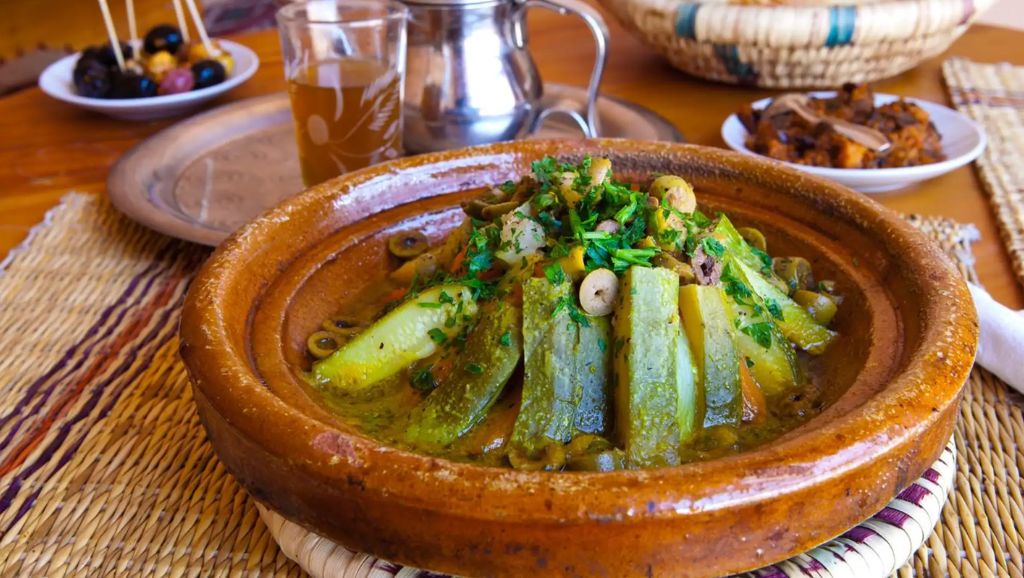
Tagine is the dish most visitors associate with Morocco and for good reason. This slow-cooked stew takes its name from the conical clay pot it’s prepared in. Meat or vegetables simmer for hours with spices until everything becomes tender and the sauce reduces to perfection.
Lamb tagine with prunes and almonds appears on most traditional menus Cooking classes culinary experiences in Tangier The sweetness from dried fruit balances savory spices in a way that surprises first-timers. Chicken with preserved lemons and olives offers a tangier profile while vegetable tagines with carrots, zucchini and chickpeas satisfy plant-based eaters.
Couscous traditionally appears on Friday as families gather after mosque. The tiny semolina grains are steamed and served with vegetables and meat in a rich broth. Some restaurants serve couscous daily but Friday couscous feels more authentic and ceremonial.
Harira is a tomato-based soup thick with lentils, chickpeas and sometimes meat. Moroccans traditionally break the Ramadan fast with harira but cafes serve it year-round especially during cooler months. The warming spices and hearty texture make it perfect for foggy Tangier evenings.
Pastilla deserves mention even though it’s more common in other Moroccan cities. This savory-sweet pie layers flaky pastry with spiced pigeon or chicken, almonds, eggs and a dusting of cinnamon and powdered sugar. The flavor combination sounds bizarre but works brilliantly.
Street food and quick bites
Street food in Tangier offers the most authentic and affordable eating experiences. Vendors set up around the Grand Socco and throughout the medina serving foods that have sustained locals for generations.
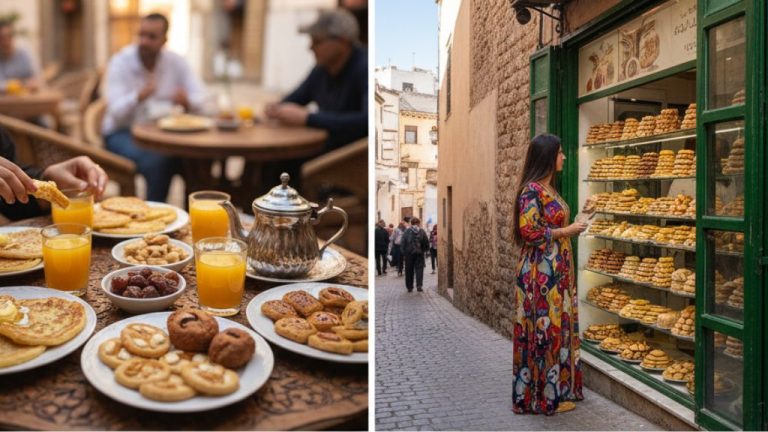
Msemen are square flatbreads cooked on griddles and folded into layers A Sweet Day in Tangier: One Day to Discover the Best Pastry Shops. Vendors prepare them fresh throughout the morning and serve them plain or stuffed with cheese, honey or vegetables. A msemen with mint tea makes a perfect breakfast for about 10 dirhams.
Bocadillos reflect Tangier’s Spanish influence. These sandwich shops pack fresh baguettes with grilled meats, fried fish, vegetables and spicy harissa sauce. The result is messy and delicious. Look for shops near the port where workers grab quick lunches.
Fresh orange juice vendors squeeze fruit to order creating vibrant drinks without added sugar. A large glass costs 5-7 dirhams and provides instant refreshment during hot days exploring the medina.
Snail soup might not appeal to everyone but locals swear by it. Vendors ladling broth from huge pots station themselves around busy areas. The snails swim in a spiced broth served in small bowls with toothpicks for extracting the meat. Try it if you’re adventurous.
Medina restaurants
Restaurant Ahlen sits deep in the medina serving traditional Moroccan food in a casual setting. The tagines are consistently good and prices remain reasonable despite the tourist location. Expect to pay 60-80 dirhams for a main course.
Le Saveur du Poisson specializes in seafood prepared with Moroccan and Mediterranean techniques. The set menu changes based on the daily catch but usually includes multiple fish courses, salads and dessert. This is a local favorite that tourists often miss. Reservations help especially for dinner.
Dar Lidam occupies a restored riad with an elegant dining room and rooftop terrace. The menu leans upscale with refined versions of classic dishes. This works well for special occasions when you want atmosphere and excellent service. Budget 200-300 dirhams per person with drinks.
El Morocco Club blends Moroccan and international cuisine in a sophisticated space. The bar serves creative cocktails and the wine list features Moroccan and European bottles. This is where Tangier’s expat community and wealthy locals dine. Expect to spend 300-400 dirhams for a full meal.
Ville nouvelle dining
Cafe de Paris anchors Place de France and has served as a Tangier institution since 1920. Writers and artists gathered here during the city’s international zone era. The food is decent cafe fare but you come for the history and people watching. Coffee and pastries on the terrace makes a perfect afternoon break.
Anna e Paolo serves authentic Italian food in a cozy space. The pasta is handmade and the pizza comes from a proper wood-fired oven. When you need a break from Moroccan spices this hits the spot. Mains run 80-120 dirhams.
Le Nabab offers upscale Moroccan dining in an Art Deco building. The presentation is artistic without being fussy and the flavors stay true to tradition while feeling refined. The wine list is strong and the service is professional. Plan for 250-350 dirhams per person.
Rif Kebdani grills meat and vegetables over charcoal in an open kitchen. The smoke and sizzle create an appealing atmosphere. Order mixed grills to sample different preparations. This is quality Moroccan grilling without pretension for 70-100 dirhams.
Seafood spots
The fishing port area hosts simple restaurants serving whatever came off the boats that morning. These places have minimal decor and sometimes questionable hygiene standards but the seafood is undeniably fresh.
Restaurant Populaire du Port exemplifies this category. Point to the fish you want displayed on ice and they’ll grill it simply with oil, salt and lemon. Pair it with Moroccan salad and bread for a satisfying meal under 100 dirhams.
El Reducto occupies a better position along the corniche with water views and slightly more polish. The seafood remains the star but the dining room feels more comfortable. This represents a middle ground between port grills and upscale restaurants at 120-180 dirhams per person.
Breakfast and cafes
Breakfast in Morocco typically involves bread, olive oil, jam, cheese and mint tea. Hotels and riads serve variations on this theme. For more substantial morning meals head to Ville Nouvelle cafes serving croissants and espresso alongside traditional options.
Cafe Hafa deserves another mention for breakfast visits. The morning light over the strait is magical and you’ll have the terraces mostly to yourself. The simple breakfast of bread, butter, jam and tea costs about 25 dirhams.
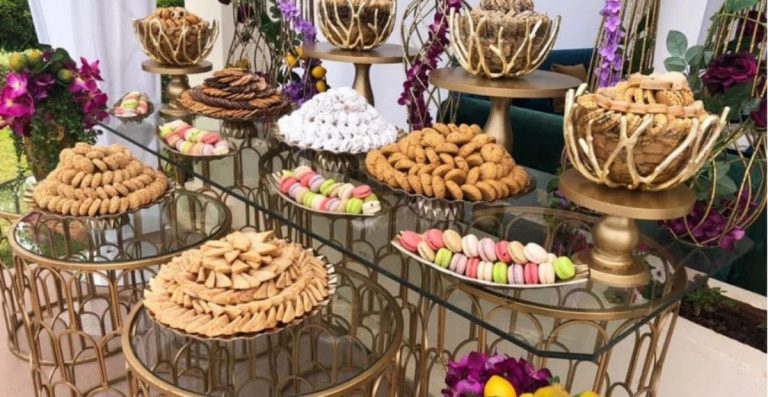
Patisseries throughout the city display cases of Moroccan cookies, French pastries and colorful cakes. These make excellent afternoon snacks with tea. Patisserie Bennis in Ville Nouvelle has a strong local following.
Drinking culture
Morocco is a Muslim country but alcohol is available in licensed restaurants, hotels and some liquor stores. Beer options include local brands like Flag and Casablanca plus imported choices. Moroccan wines from regions near Meknes have improved significantly and deserve trying.
Mint tea remains the national drink served continuously throughout the day. Watching tea being poured from height to create foam is part of the ritual. The sugar content is intense so request less sugar when ordering.
Fresh fruit juices appear on most menus. Avocado shakes blended with milk and sugar are surprisingly popular. Orange juice, banana smoothies and seasonal fruit drinks provide healthy refreshment.
Eating etiquette
Moroccans eat with their right hand when sharing communal dishes like tagine or couscous. Restaurants provide utensils for tourists but embracing the local method enhances the experience. Use bread to scoop food and take from the section of the dish directly in front of you.
Tipping isn’t mandatory but appreciated. Ten percent is generous for good service. In street food situations rounding up to the nearest 5 or 10 dirhams works fine.
Restaurants fill up late by American standards. Lunch service peaks around 1-2pm while dinner crowds arrive after 8pm. Eating earlier means better table selection but less atmosphere.
Markets and self-catering
The central market near the Grand Socco sells fresh produce, meat, fish and spices. Shopping here provides insight into local food culture even if your accommodation lacks cooking facilities. The sensory experience alone justifies a visit.
Vendors will expect some bargaining on produce but prices are already low by Western standards. A kilo of oranges costs maybe 10 dirhams depending on season.
Food tours and cooking classes
Several local guides offer food tours combining market visits, street food tastings and restaurant stops. These provide context and access to places you might not discover independently. Expect to pay 300-500 dirhams for a half-day tour.
Cooking classes teach traditional Moroccan techniques in home or restaurant kitchens. Learning to make tagine or couscous properly creates a skill you can replicate at home. Classes typically include market shopping and lunch for 400-600 dirhams.
My recommendations
Eat street food for breakfast and lunch to save money and experience authentic flavors. Splurge on one nice dinner at a place like Dar Lidam to appreciate refined Moroccan cuisine. Balance tourist-friendly restaurants with local spots where menus might only be in Arabic.
Don’t skip the seafood especially if you’re visiting during summer when fish is most abundant. The port restaurants might look rough but the grilled fish is incredible.
Try dishes you’ve never heard of instead of playing it safe. Moroccan food has depth beyond what most visitors experience and the lesser-known preparations often become favorites.
After exploring Tangier’s Terms & Conditions food scene you’ll want practical information about navigating the city safely and handling logistics like money and transportation. Check out my essential travel tips guide for everything you need to know about making your visit smooth and stress-free.