
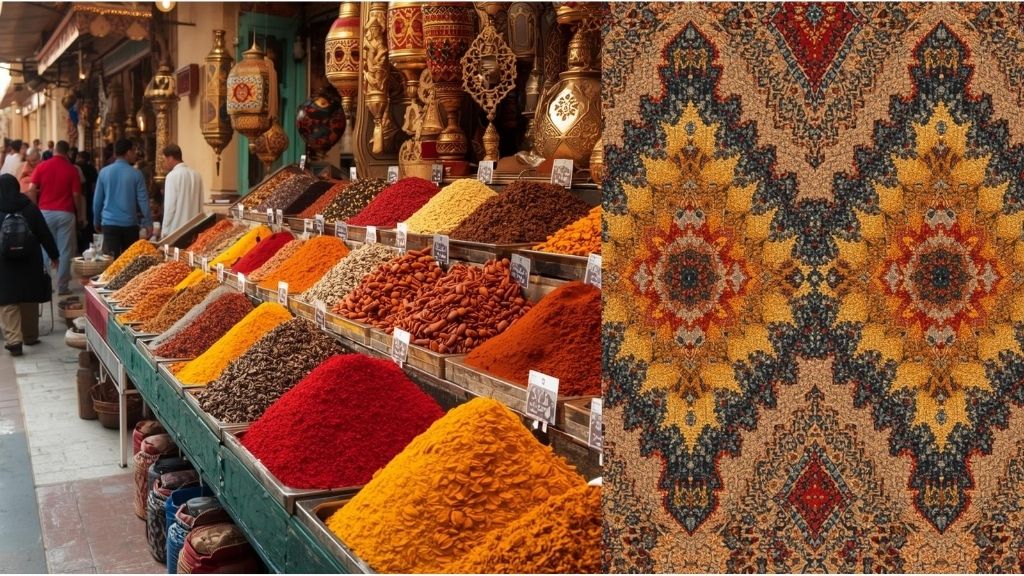
The moment you enter tangier’s spice markets your nose takes over as your primary sense. Heaps of crimson paprika glow next to golden turmeric mounds while the sharp bite of cumin cuts through sweeter cinnamon notes. These markets aren’t just shopping destinations but living museums of culinary tradition where knowledge passes between vendors and customers through haggling and conversation.
The grand socco as your entry point
Grand Socco sits at the edge of the medina where the old city meets the newer ville nouvelle. The market here operates daily but reaches peak energy on thursday and sunday mornings when farmers from surrounding villages arrive with produce and spices. This is where many locals shop because prices stay lower than deeper in the tourist zones.Spice vendors cluster near the archway leading into the medina proper. Their stalls overflow with sacks and baskets of dried goods, each labeled with handwritten arabic signs showing prices per kilo. The vendors know their products intimately and can explain uses and quality differences if you ask.Starting here makes sense because the atmosphere feels less intense than the narrow medina alleys. You can observe how locals shop and get a feel for fair pricing before diving into more chaotic souks. The vendors expect haggling but won’t pressure you as aggressively as in heavily touristed areas.Surrounding the spice vendors you’ll find fresh produce sellers, butchers, and small cafes where porters and shoppers drink mint tea. This context shows how spices fit into the larger food ecosystem. Watching someone buy vegetables then move to the spice stall to get seasonings for that night’s tagine demonstrates the direct farm to table connection still alive in tangier.
Essential spices every Moroccan kitchen needs
Cumin appears in nearly every savory moroccan dish. The seeds get toasted then ground releasing an earthy warmth that forms the backbone of tagines, couscous, and grilled meats. Moroccan cumin tastes more intense than what you might find in western supermarkets because it’s fresher and the climate where it grows concentrates the oils.Paprika comes in sweet and hot varieties. The sweet version adds color and mild pepper flavor without heat. Hot paprika brings genuine spice though it’s not as fiery as cayenne. Many dishes use both types to build layers of pepper flavor. The deep red color indicates quality since faded paprika has lost potency.Saffron represents luxury in moroccan cooking. The thin red threads come from crocus flowers and workers must hand pick the stigmas making it the world’s most expensive spice by weight. Real saffron has a distinctive floral taste and turns liquids golden yellow. A tiny pinch goes into special occasion dishes like wedding couscous or high end tagines. Vendors sell it by the gram and prices vary wildly based on quality.Ginger appears both fresh and dried. The dried ground version goes into spice blends while fresh ginger gets grated into tagines and soups. Moroccan recipes often call for both forms in the same dish creating different layers of ginger heat. Fresh ginger root should feel firm and have tight skin without wrinkles.Cinnamon sticks and ground cinnamon serve different purposes. Sticks get added to slow cooked dishes where they infuse gradually. Ground cinnamon finishes pastries and gets dusted on top of sweet tagines with fruit. The best cinnamon comes from ceylon and has a delicate sweet taste rather than the sharp bite of cheaper cassia.Turmeric provides earthy flavor and bright yellow color. It’s less prominent in moroccan cooking than in indian cuisine but appears in preserved lemon recipes and some fish preparations. The powder should be vibrant orange yellow not pale or dull.
Ras el hanout deserves special attention
This spice blend’s name translates roughly to head of the shop meaning the best spices a vendor has. Each spice seller makes their own version so no two taste exactly alike. The blend typically contains twenty or more spices including cardamom, nutmeg, mace, cinnamon, coriander, cumin, and sometimes rose petals or lavender.The complexity of ras el hanout means it works in dishes where you want depth without adding ten individual spices. Vegetable tagines benefit from it as do couscous broths and some meat preparations. A little goes far because the flavors are concentrated.Buying Ras el hanout from a spice vendor who grinds it fresh means better flavor than pre-packaged versions. Watch them combine spices from different containers and grind everything together in a large mortar. The scent that rises during grinding tells you about quality. It should smell fragrant and complex not flat or dusty.
Some vendors offer to customize the blend to your taste. If you prefer more cinnamon or less heat they’ll adjust proportions. This personal service represents the kind of interaction that makes market shopping memorable. Taking time to discuss what you’re cooking and how you’ll use the blend turns a transaction into an exchange of culinary knowledge.
Preserved lemons and other prepared ingredients
Preserved lemons sit in large jars at many stalls packed in salt and their own juices. The preservation process takes at least a month and transforms the lemons completely. The bitterness mellows while the peel becomes soft and intensely flavored. You use only the peel in cooking, discarding the flesh.These lemons are essential for proper chicken tagine with olives. They add a brightness that regular lemon juice can’t match. You can buy them by the piece or by weight. Look for lemons that are fully soft without any remaining firmness in the peel.Olives come in dozens of varieties with different curing methods. Purple olives cured with herbs work well in tagines. Green olives preserved with lemon appear in many dishes. Dry cured black olives get eaten as snacks. Vendors let you taste before buying so try several to understand the range.Dried fruits include dates, figs, apricots, and raisins. These go into sweet tagines or get eaten as desserts. Quality varies significantly with the best dried fruit remaining plump and not overly hard or sugary. Dates from the sahara regions south of tangier are particularly prized.Argan oil comes from trees that grow only in Morocco. The nutty flavored oil gets used for finishing dishes or in amlou, a spread made with almonds and honey. Cold pressed argan oil costs more but tastes better than refined versions. A small bottle lasts months since you use it sparingly.
Navigating the medina spice souks
Inside the medina the alleys narrow and shops stack floor to ceiling with goods. The spice souk concentrates on a few streets where multiple vendors compete side by side. This competition generally keeps prices fair though tourists still pay more than locals.Vendors call out as you pass trying to draw you into their shops. Acknowledging them with a nod but continuing if you’re not ready to buy is perfectly acceptable. When you do want to purchase, visiting several shops to compare quality and prices makes sense.The lighting in medina shops can be dim so bring a small flashlight if you’re serious about examining spices. Look for vibrant colors, strong scents, and products free from dust or debris. Stale spices smell weak and look faded. Fresh spices practically glow and the scent hits you immediately.Packaging matters for getting spices home. Most vendors have plastic bags but those don’t seal well. Bringing small jars or asking for better containers helps preserve what you buy. Whole spices keep longer than ground so consider buying whole and grinding at home if you have the tools.
Spice shopping strategy and etiquette
Start by observing rather than buying. Walk through the markets and see what catches your attention. Note which vendors have customers and which sit alone. Busy vendors usually offer better quality because locals know where to shop.When you’re ready to buy, engage the vendor in conversation. Ask about origins of the spices and how locals use them. Most vendors enjoy sharing knowledge especially if you show genuine interest. This conversation often leads to better prices without aggressive haggling.Smelling and examining products before purchasing is expected. Vendors will open containers and let you inspect. Don’t be shy about asking to see or smell multiple options. This is how shopping works in the souk culture.Haggling follows certain patterns. The vendor states a price usually inflated for tourists. You offer less, maybe sixty percent of their price. They counter higher, you go slightly higher, and eventually you meet somewhere in the middle. The process should feel friendly not confrontational. If you can’t agree on a price, thank them and move to another vendor.Buying multiple items from one vendor gives you leverage for better overall pricing. Bundle your purchases and negotiate a total rather than haggling over each item separately. This saves time and often results in better deals.Cash is essential since card readers don’t exist in traditional souks. Small bills help because making change for large notes can be difficult. Count your change carefully before leaving since mistakes happen in the bustle of busy markets.
What to actually buy and bring home
Ras el hanout makes an excellent gift or personal purchase since it’s distinctly moroccan and versatile. Buy it fresh ground and store it in an airtight container. It keeps several months and brings tangier into your kitchen every time you cook with it.Saffron is worth buying if you can verify quality. The price should seem expensive because real saffron costs a lot everywhere. Tiny amounts go far so even a gram provides many uses. Keep it away from light in a sealed container.Cumin seeds stay fresh longer than ground cumin. Buy whole seeds and toast them yourself before grinding. The flavor difference compared to pre-ground cumin is dramatic.Preserved lemons travel well if packed carefully. Wrap the jar in clothing to prevent breaking. They last indefinitely since the salt preserves them. Having a jar at home means you can make authentic tagines anytime.Argan oil makes sense only if you buy quality cold pressed versions. Cheap argan oil often gets mixed with other oils and doesn’t taste right. A reputable vendor will let you taste it. The oil should taste nutty and rich not bland or rancid.
Connecting spices to dishes
Understanding which spices go into specific dishes helps you shop with purpose. For tagines you need cumin, ginger, saffron or turmeric for color, and possibly ras el hanout. Paprika adds depth without heat or you can use hot paprika for spice.Couscous benefits from a complex broth seasoned with ras el hanout, saffron, black pepper, and sometimes cinnamon for sweetness. The spices should enhance not overpower the vegetables and meat.Harira soup relies on coriander, cumin, ginger, and black pepper. Fresh herbs like cilantro and parsley add brightness but the dried spices form the flavor foundation that develops during long simmering.Chermoula for fish combines cumin, paprika, and sometimes saffron with fresh herbs, garlic, and lemon. The spices should be fresh enough that their oils blend smoothly with the olive oil base.Grilled meats get rubbed with cumin, paprika, and salt. Simple preparations let quality spices shine without complicated blends. The heat of the grill releases the spice oils creating aromatic smoke.
Beyond spices in the markets
Herb sellers offer fresh cilantro, parsley, and mint by the bunch. These herbs appear in nearly every moroccan meal. The cilantro has a more intense flavor than what you might find elsewhere and vendors pick it fresh daily.Nut vendors roast almonds, walnuts, and peanuts on site. The smell of roasting almonds draws you from streets away. Almonds go into pastries and some tagines. Buying them freshly roasted and still warm makes a great snack while continuing your market exploration.Honey stalls display different varieties from mountain wildflower to orange blossom. Moroccan honey tends toward dark and strongly flavored. It gets drizzled on msemen or mixed with butter for a breakfast spread. Vendors let you taste before committing to a purchase.Tea shops sell various grades of green tea which forms the base for moroccan mint tea. The best tea comes in decorative boxes and costs more but the flavor justifies it. Dried mint and other herbs for tea sit nearby in large sacks.
Timing your market visit
Early morning from eight to ten offers the best selection before popular items sell out. The markets feel calmer then with mostly local shoppers doing their daily provisioning. Vendors are alert and willing to spend time with customers.Late morning into early afternoon gets crowded especially in the medina souks. Tourists flood in around ten thirty and the energy shifts. Prices might inflate slightly and vendors become more aggressive about selling.Thursday and sunday mornings at the grand socco bring the biggest variety since rural vendors arrive with specialty items not available other days. This is when you’ll find unusual herbs, wild honey, and seasonal products.Friday mornings see fewer vendors since it’s the muslim holy day though markets still operate. Some vendors close early to attend mosque for friday prayers. Shopping thursday gives you better options.Markets generally wind down by early afternoon especially in summer when heat makes the souks uncomfortable. Evening markets don’t really exist in the traditional souks though some modern markets operate later.
Tangier’s spice markets connect you directly to the ingredients that define moroccan cooking. The colors, scents, and interactions with knowledgeable vendors transform grocery shopping into cultural immersion. Every pinch of ras el hanout or preserved lemon you bring home carries the medina’s energy and centuries of culinary tradition. To see how these ingredients come together on the plate, check out the hidden street food vendors throughout Tangier’s medina who turn simple spices into unforgettable meals.