
Successful travel to Tangier hinges on practical knowledge beyond sightseeing itineraries. Understanding how to exchange currency without excessive fees, navigating taxi negotiations, respecting local customs during Ramadan, and staying safe in crowded Medina alleys makes the difference between frustration and smooth exploration. Morocco’s gateway city welcomes American visitors warmly, but cultural differences require awareness and adaptation. From dress codes at religious sites to tipping etiquette at restaurants, these essential insights prepare you for authentic interactions while planning your memorable North African adventure.
Safety reality check
The safety question comes up constantly with travelers nervous about visiting Morocco. The honest answer is that Tangier is generally safe for tourists who take reasonable precautions. Violent crime against visitors is rare but petty theft and scams exist like any tourist destination.
The medina feels overwhelming at first with its narrow streets and aggressive vendors. Some travelers interpret this intensity as danger when it’s really just unfamiliar. Stay aware of your surroundings and trust your instincts but don’t let fear prevent you from exploring.
Pickpocketing happens in crowded areas like the Grand Socco and busy medina streets. Keep valuables in front pockets or bags you can see. Don’t flash expensive jewelry or pull out thick wads of cash. These are basic precautions you’d take in Paris or Barcelona too.
Women traveling alone or in groups attract more attention than in Western cities. The harassment usually involves catcalls or marriage proposals rather than physical threats. Dressing modestly helps reduce unwanted attention. Long pants or skirts past the knee plus shirts covering shoulders and chest show cultural respect and make your day easier.
Walking alone late at night in deserted medina areas isn’t wise regardless of gender. Stick to well-lit streets with other people around after dark. The medina empties out significantly after 10pm making it easy to get disoriented.
Money matters
Morocco’s currency is the dirham abbreviated MAD or DH. The exchange rate fluctuates but generally hovers around 10 dirhams to one US dollar. You can’t obtain dirhams before arriving in Morocco because exporting the currency is restricted.
Airport currency exchange counters offer poor rates but provide enough cash for initial needs like taxi fare. Better rates come from ATMs which accept most international cards. Withdraw larger amounts to minimize ATM fees that add up quickly.
ATMs are plentiful in Ville Nouvelle and near the Grand Socco. The medina has fewer machines so withdraw cash before venturing deep into the old town. Most ATMs have English language options and dispense 200 dirham notes.
Notify your bank before traveling to Morocco or your card might get blocked for suspicious activity. I learned this the hard way standing at an ATM with no access to funds. A quick phone call usually resolves blocks but having backup cards provides peace of mind.
Credit cards work at upscale hotels, some restaurants and tourist-oriented shops. Cash dominates everywhere else especially in the medina and for street food. Budget travelers should plan on using cash for 80 percent of expenses.
Bargaining is expected in souks and with unofficial taxi drivers. Start at 40-50 percent of the initial asking price and negotiate from there. Fixed price stores display signs saying “prix fixe” where bargaining isn’t appropriate. Restaurants and official taxis with meters don’t involve negotiation.
Tipping practices vary by situation. Round up taxi fares to the nearest 5 or 10 dirhams. Leave 10 percent at restaurants for good service. Hotel staff appreciate 10-20 dirhams for carrying bags or providing helpful service. Street food vendors don’t expect tips beyond rounding up small amounts.
Getting around
Taxis come in two colors with different rules. Small blue taxis operate within Tangier city limits and must use meters. Larger white grand taxis handle longer routes to other cities and negotiate fares in advance.
Always insist that petit taxi drivers use the meter. The phrase “avec le compteur s’il vous plaît” requests this politely in French. Some drivers claim the meter is broken or try to negotiate fixed prices that are always higher. Simply exit and find another taxi if they refuse.
Taxi fares within central Tangier rarely exceed 20-30 dirhams during daytime. Night rates between 8pm and 6am increase by 50 percent. Drivers sometimes try to charge tourists inflated rates so knowing approximate costs helps you push back on overcharging.
Ride sharing apps like Uber don’t operate in Tangier. You’re working with traditional taxis which means some negotiation is part of the process. Don’t let this stress you out because taxis are still cheap by American standards even when paying slightly more than locals.
Walking is my preferred way to explore Tangier especially within the medina where cars can’t access most streets. Comfortable shoes matter because cobblestones and hills are constant. Download offline maps before arrival since mobile data can be unreliable in narrow medina passages.
Buses serve local neighborhoods but navigating the system requires patience and usually some Arabic or French. Most tourists skip buses entirely in favor of taxis and walking.
Phone and internet
International roaming charges from US carriers get expensive quickly. Better options include purchasing a Moroccan SIM card or relying on wifi at hotels and cafes.
Maroc Telecom, Orange and Inwi sell prepaid SIM cards with data packages. Bringing an unlocked phone allows you to swap in a local SIM for 50-100 dirhams including several gigabytes of data. Passport is required for purchase due to registration requirements.
Wifi quality varies dramatically. Upscale hotels and modern cafes provide reliable connections while budget accommodations and older riads struggle with weak signals. The medina’s thick walls don’t help wifi penetration.
WhatsApp works well for staying in touch with hotels, tour guides and drivers. Most Moroccan businesses use WhatsApp as their primary communication method. Having the app ready with your Moroccan number simplifies logistics.
Dress code and cultural sensitivity
Morocco is relatively liberal compared to some Muslim countries but modest dress shows respect and reduces hassles. Men can wear shorts but long pants look more appropriate especially when visiting mosques or conservative neighborhoods.
Women should cover shoulders, chest and knees as a baseline. Loose-fitting clothing works better than tight or revealing items. A light scarf provides versatility for entering religious sites or covering up when needed.
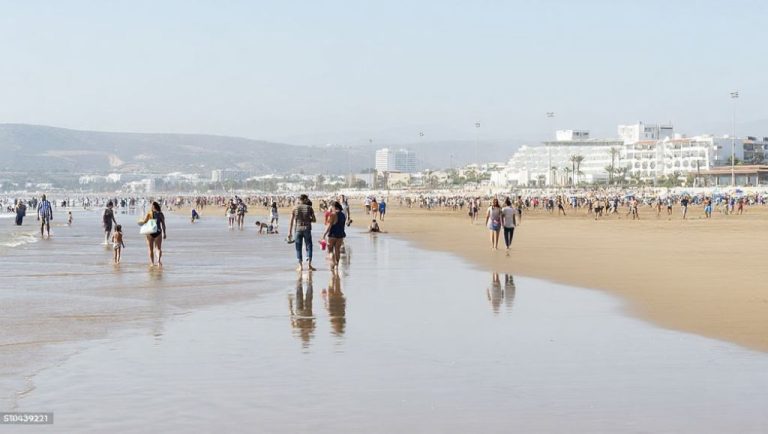
Beaches have their own rules with swimwear acceptable in designated swimming areas. Walking through town in beach clothes attracts negative attention. Change at your hotel or beach club.
Public displays of affection make Moroccans uncomfortable. Hand holding is generally fine but kissing or embracing should wait for private spaces.
Religious considerations
The call to prayer sounds five times daily from mosques throughout the city. The first call comes before dawn which surprises light sleepers. Earplugs help if you’re sensitive to noise.
Friday is the Muslim holy day when businesses may close during midday prayers. Shopping and dining remain available but expect reduced hours at some establishments.
Ramadan transforms the city’s rhythm with restaurants closed during daylight hours and vibrant activity after sunset. Traveling during Ramadan requires flexibility but offers unique cultural insights. Eating, drinking or smoking in public during fasting hours is disrespectful though hotels serve guests normally.
Non-Muslims cannot enter mosques in Morocco with rare exceptions. Admire them from outside and photograph exteriors but don’t attempt entry.
Language basics
Arabic and French are Tangier’s primary languages. English appears in tourist areas but drops off quickly outside central zones. Learning basic French phrases dramatically improves your experience.
“Bonjour” for hello, “merci” for thank you, “s’il vous plaît” for please and “combien” for how much covers essential interactions. Even badly pronounced French shows effort that Moroccans appreciate.
Many older Tangier residents speak Spanish due to the city’s history. “Hola”, “gracias” and “cuánto cuesta” sometimes work when French fails.
Numbers are worth learning in Arabic or French for price negotiations and taxi fares. Having them written in your phone helps when verbal communication breaks down.
Health and hygiene
Tap water isn’t safe to drink in Morocco. Bottled water costs 5-7 dirhams for 1.5 liters and is available everywhere. Brush teeth with bottled water and skip ice in drinks unless you’re at upscale hotels.
Stomach issues affect many visitors adjusting to new bacteria and different food hygiene standards. Pack anti-diarrheal medication and rehydration salts just in case. Most cases resolve within 24-48 hours but having medication provides peace of mind.
Pharmacies marked with green crosses sell medications often available over the counter that require prescriptions in the US. Pharmacists typically speak French and sometimes English if you need medical advice for minor issues.
Healthcare facilities exist but quality varies. Travel insurance covering medical evacuation is smart for serious situations though most visits involve nothing more dramatic than mild stomach upset.
Shopping and souvenirs
Medina shopping requires bargaining skills and patience. Vendors start with inflated prices expecting negotiation. Don’t buy unless you’re genuinely interested because aggressive sales tactics make walking away after extended negotiations uncomfortable.
Quality leather goods, traditional ceramics, argan oil products and spices make good souvenirs. Examine items carefully before purchasing because cheap imports masquerading as Moroccan handicrafts are common.
Fixed price cooperatives exist where artisans sell directly without bargaining. Prices may be slightly higher but quality is guaranteed and the pressure-free environment appeals to shoppers who hate negotiating.
Export restrictions apply to antiques over 100 years old. Most items tourists purchase don’t qualify but be aware if buying older pieces. Reputable shops handle paperwork if needed.
Practical essentials
Power outlets use European-style plugs with 220V electricity. Bring adapters for charging electronics. Most hotels have adapters available but bringing your own ensures availability.
Toilet paper isn’t always provided in public restrooms. Carry tissues or small toilet paper packs. Squat toilets appear in older areas though Western-style toilets dominate tourist zones.
Sunscreen and sunglasses are essential year-round due to intense sun exposure. The ocean breeze can mask how strong the sun actually is.
Final thoughts
Tangier rewards visitors who embrace its quirks and cultural differences. The city won’t conform to Western expectations but that’s exactly why it remains fascinating. Arrive with flexibility, patience and openness to new experiences.
Safety concerns shouldn’t prevent you from visiting but reasonable precautions make sense. Handle money intelligently, dress appropriately and stay aware of your surroundings. These basics allow you to explore confidently and focus on the incredible experiences Tangier offers.
Now that you have the practical foundation you need it’s time to start planning your complete Tangier adventure. Head back to my comprehensive traveling to Tangier guide to tie everything together and build an itinerary that matches your interests and travel style perfectly.