
Ordering pastries in Essaouira may seem intimidating for American travelers who don’t speak Arabic, but a few practical tips transform this experience into an authentic and enjoyable moment. Here’s everything you need to know to fully enjoy local sweets without stress.
Key Phrases in Darija (Moroccan Arabic)
Mastering a few simple expressions greatly facilitates your purchases in traditional pastry shops. “Salam alaykoum” (Hello), “Bghit…” (I would like…), “Bchhal?” (How much?), and “Choukran” (Thank you) constitute the essential basic vocabulary. To order an assortment, say “Kilo mshaltet” (one kilo mixed) or simply point at the pastries that tempt you behind the display case.
Pricing and Quantity System
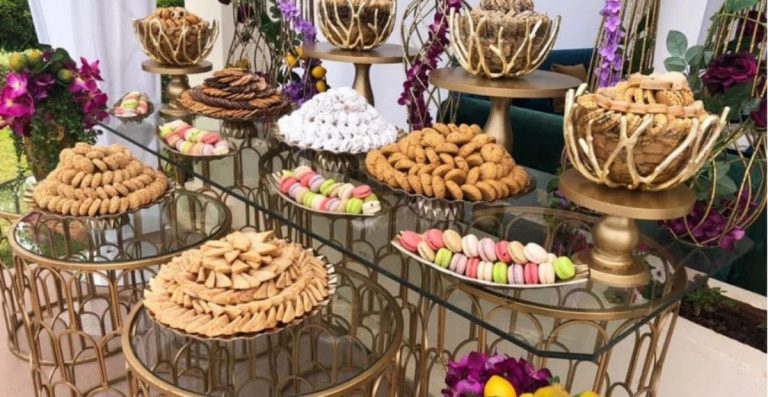
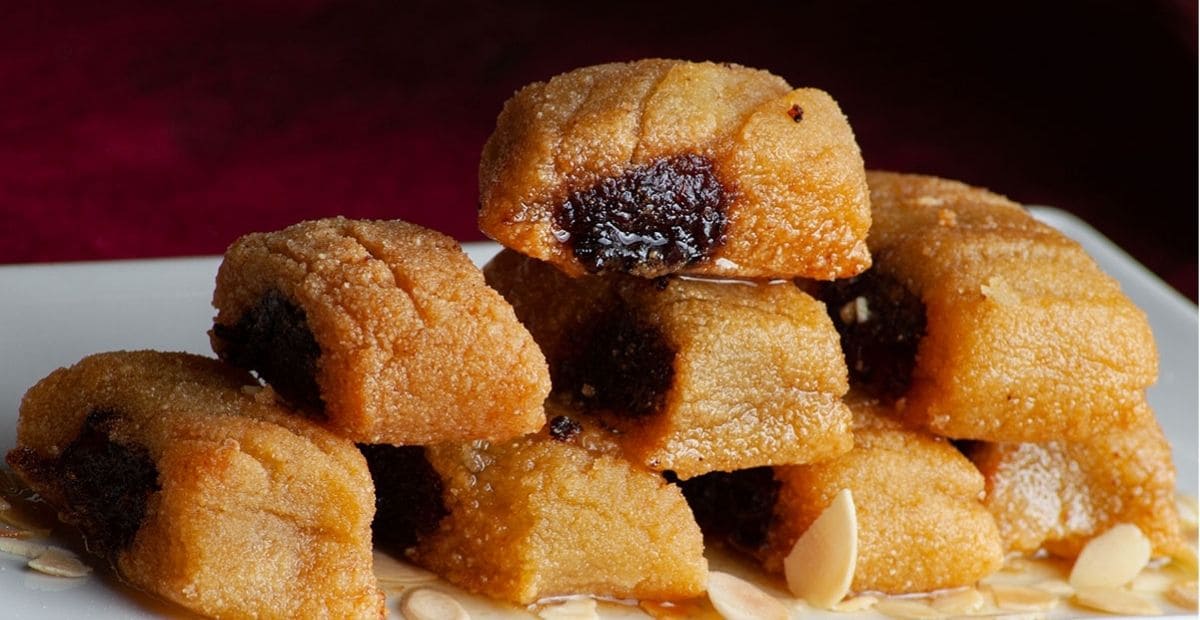
Moroccan pastries are generally sold by the kilo (between 80 and 150 MAD depending on quality), by the piece (5-15 MAD), or in prepared platters. At Pâtisserie Driss, expect to pay around 100-120 MAD for a quality kilo assortment including gazelle horns, ghriba, and fekkas. Msemen at Miloud’s cost only 3-5 MAD per piece, making this street-food experience ultra-accessible. Never haggle in established pastry shops, as displayed prices are fixed and already very reasonable.
Average Traveler Budget
Plan for 50-100 MAD (5-10 USD) for a generous tasting allowing you to try 4-5 different specialties accompanied by mint tea. For a substantial souvenir purchase (1-2 kilos to bring back), expect 150-250 MAD (15-25 USD). These rates defy all competition compared to Moroccan pastries sold in the United States, often 3 to 4 times more expensive.
Etiquette and Cultural Codes
Always pay in Moroccan dirhams (MAD) rather than euros or dollars to get the local rate and avoid unfavorable exchange rates. In traditional establishments like Pâtisserie Driss, it’s common to sit in the tea salon after purchasing your pastries at the counter. You can consume on-site without additional charges by simply ordering a drink (tea 5-8 MAD, juice 10-15 MAD).
Hygiene and Food Safety Tips
The pastry shops recommended in this guide (Driss, La Bienvenue) maintain high hygiene standards suitable for Western stomachs. Prefer pastries in refrigerated display cases rather than those exposed in the open air in the medina. Avoid pastries filled with pastry cream in summer if you have a sensitive stomach, and prefer dry versions (fekkas, ghriba) that keep better.
Best Times to Indulge
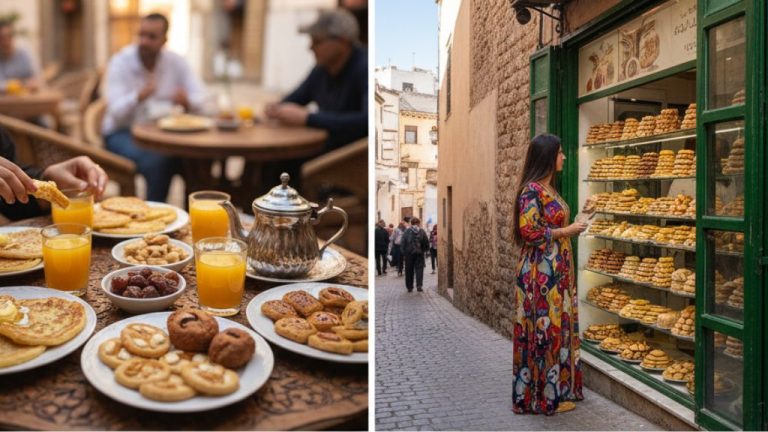
Moroccan breakfast time (7am-10am) is ideal for tasting freshly prepared msemen and baghrir at street artisans. Tea time (4pm-6pm) in the salons of Pâtisserie Driss or La Bienvenue offers the most authentic atmosphere to savor gazelle horns and chebakia. Avoid peak hours (12pm-1pm, 7pm-8pm) to enjoy more attentive service and more varied choices.
Packaging and Transport
All good pastry shops offer professional packaging in reinforced cardboard boxes perfect for transport. To bring your purchases back to the hotel or to America, ask “Ghlfouh mzyan” (Pack it well please) and the pastry chefs will add parchment paper between layers to prevent pastries from sticking. Fekkas and ghriba particularly withstand transatlantic travel well in your carry-on luggage.