
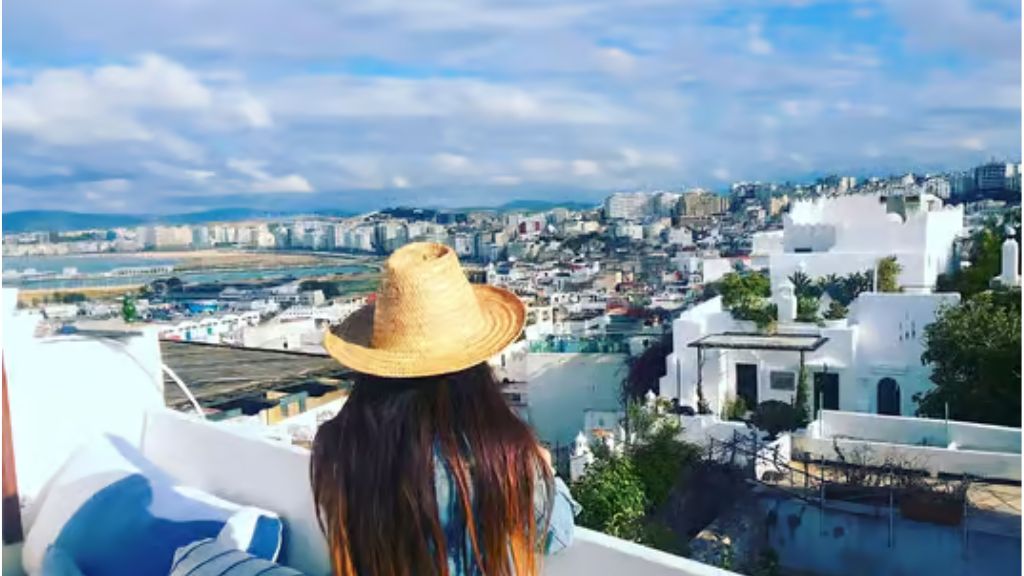
Planning a trip to Tangier feels a bit different from booking a city break in Europe. The city sits right where Africa leans toward Europe, with Spain visible across the water on a clear day. That geography shapes everything from the weather to the culture and even the food on your plate.
I’m Eveline, a 40 year old travel blogger with a soft spot for cities that sit at crossroads. Tangier is one of those places that stays with you. It can feel chaotic on day one then strangely familiar by the time you leave. The call to prayer, the sea breeze, the whitewashed houses stacked up the hill, the voices in Arabic, French and Spanish drifting through the streets. It all blends into a rhythm that makes you want to come back.
If you are thinking about traveling to Tangier from the United States you probably have a lot of practical questions mixed with a bit of curiosity and maybe some worries. Is Tangier safe. When should you go. Where should you stay. What is actually worth doing once you get there. How do you move around the city without feeling lost.
My goal here is to give you a clear roadmap. We will look at when to go, how to get there, where to sleep, what to do, what to eat and how to handle the practical details without stress. Throughout, I will point you toward more detailed pieces such as a full weather and seasons guide for Tangier when you need to dive deeper. By the end you should be able to turn that vague idea of “maybe Tangier one day” into an actual trip.
Best time to visit Tangier
One of the first decisions when traveling to Tangier is timing. The city has a mild coastal climate but seasons still matter a lot. The weather will shape how much you enjoy the medina, whether you spend time at the beach and how crowded the streets feel.
Spring and fall are usually the sweet spot. From March to May and September to early November temperatures tend to sit between 60 and 75°F. That is ideal wandering weather. You can climb through the Kasbah, stroll the corniche and linger at outdoor cafes without melting in the heat or shivering in the wind.
Spring brings fresh green hills around the city and a softer light that makes photos look beautiful. You might catch a few showers in March or early April but they rarely last all day. By May the sea is still cool for swimming but everything on land feels close to perfect. If you like city walking, photography and day trips this is a great season.
Fall gives you something similar with slightly warmer water and a different mood. September still feels like late summer, especially during the day, but the tourist crowds start thinning out after the first half of the month. October offers warm but comfortable days, cooler evenings and sea temperatures that still work for a quick dip. November can be more changeable but remains much milder than early winter in most of the United States.
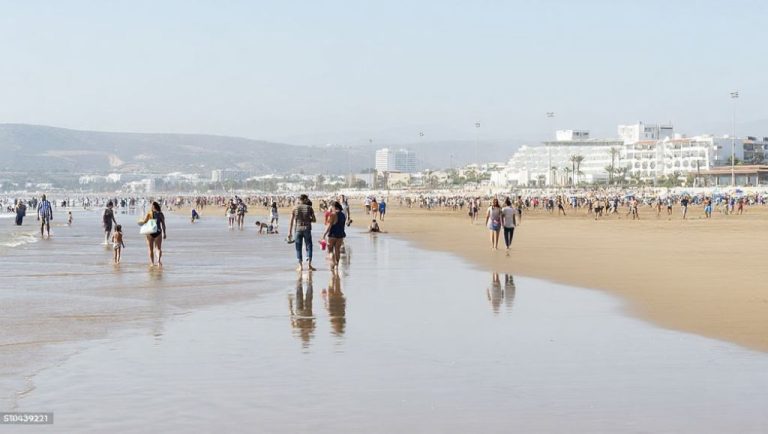
Summer, from June through August, is all about energy and the sea. Daytime temperatures push into the low to mid 80s. It is rarely unbearable thanks to the ocean breeze but the sun feels strong. The beaches fill with locals and domestic tourists, traffic increases and the medina feels more hectic. If your vision of traveling to Tangier involves long beach days and late nights at seaside cafes, this period delivers. Just be ready for crowds and higher prices.
Winter is cooler and quieter. Daytime temperatures hover around the 50s and low 60s, nights can feel chilly, and rain becomes more common, especially in January. Most days are still walkable with a light jacket. The big advantage is the atmosphere. The city returns to a more local rhythm, prices drop and major sights are less busy. If you travel on a budget, prefer moodier light and do not mind packing layers, winter can work.
There is also the question of cultural timing. Ramadan shifts each year and changes the daily rhythm. Daytime might feel quieter, with more shuttered restaurants, but evenings come alive when families break the fast. Some people love that experience, others find it inconvenient. Checking when Ramadan falls is part of choosing your moment. You can always dig into a more detailed best time to visit Tangier and weather overview if climate and seasons are your main deciding factor.
In short, if you want a safe bet for your first trip, aim for April, May, late September or October. Those months balance pleasant weather, manageable crowds and fair prices in a way that makes traveling to Tangier feel smooth and enjoyable.
Getting to Tangier from the united states
No airline currently flies nonstop from the United States to Tangier. That means your journey involves at least one connection and possibly two depending on where you start. The total travel time usually runs between 12 and 16 hours including layovers which is manageable but requires some planning.
Tangier Ibn Battouta Airport is your arrival point. It is a modern facility about 15 kilometers from the city center. The airport expanded in recent years and handles both international and domestic flights smoothly. Immigration rarely takes more than 30 minutes unless several flights land at the same time.
Your main routing options involve connecting through a European hub. Madrid stands out as one of the easiest paths. Iberia and Royal Air Maroc both operate frequent flights between Madrid and Tangier with flight times around 90 minutes. If you are flying from the East Coast cities like New York, Boston or Washington DC have good connections to Madrid. The layover usually gives you enough time to stretch your legs and grab a meal without feeling rushed.
Paris is another solid choice especially from East Coast departure points. Air France and Royal Air Maroc service the Paris to Tangier route multiple times daily. Charles de Gaulle Airport is large and can feel confusing but signage is clear and transit between terminals works well. Just allow at least three hours between flights because immigration lines can slow down.
Lisbon has become increasingly popular for travelers heading to Morocco. TAP Air Portugal runs a convenient schedule and the flight from Lisbon to Tangier takes just over an hour. The Lisbon airport is more compact than Paris or Madrid which makes connections less stressful. If you have a longer layover the city center is only a short metro ride away.
Barcelona works if you already plan to spend time in Spain or if you find a good fare. Budget carriers like Vueling fly this route affordably though they sometimes use different terminals which complicates connections if you book separate tickets.
Another option is flying into Casablanca Mohammed V Airport which has more international connections. From there you can take a domestic flight to Tangier or ride the Al Boraq high speed train. The train journey takes about two hours and costs around 200 dirhams for second class. Some travelers prefer this route because they enjoy seeing Moroccan countryside and the train station connects directly to the Casablanca airport terminal.
When booking flights I always recommend purchasing your entire journey as one ticket rather than separate legs. If your first flight delays and you miss your connection the airline handles rebooking. Separate tickets leave you responsible for finding new flights and covering extra costs. Royal Air Maroc offers decent routing through Casablanca from several US cities if you want to simplify the process with one carrier.
Start searching for flights about three to four months before your planned departure. Prices fluctuate but booking too early or too late usually costs more. Tuesday and Wednesday departures tend to be cheaper than weekend flights. Flexibility with your travel dates can save hundreds of dollars.
US passport holders do not need a visa for tourist visits to Morocco under 90 days. Your passport must be valid for at least six months beyond your planned departure date from Morocco. Immigration officials check this requirement strictly so renew your passport early if it is close to expiring.
Once you land and clear immigration the next step is getting into central Tangier. Official taxis wait right outside arrivals. The fare to most hotels in the medina or Ville Nouvelle runs 150 to 200 dirhams which is roughly 15 to 20 dollars. Always agree on the price before getting in the car. Some drivers claim the meter is broken or try inflated rates. Politely insist on the agreed fare or find another taxi.
Many hotels and riads offer airport pickup for 200 to 300 dirhams. This costs slightly more but eliminates negotiation and provides peace of mind especially if you arrive late at night or feel uncertain about navigating a new city after a long flight.
Rental cars are available at the airport through major international companies. I do not recommend renting a car just for Tangier city itself because parking is challenging and taxis are cheap. But if you plan to explore the Rif Mountains, drive to Chefchaouen or tour the northern coast a rental makes sense.
The journey to Tangier requires effort compared to easier international destinations but once you arrive the investment pays off. If you want a deeper look at routing options, connection strategies and airport logistics check out my complete guide on flights and transportation to Tangier which covers everything in detail including tips for smooth connections and handling unexpected delays.
Where to stay when you travel to Tangier
Choosing where to stay is one of the most important decisions when you are traveling to Tangier. The city is not huge but its neighborhoods feel very different from each other. Your base will shape what you see when you step out the door, how noisy your nights are and how easy it is to reach the places you care most about.
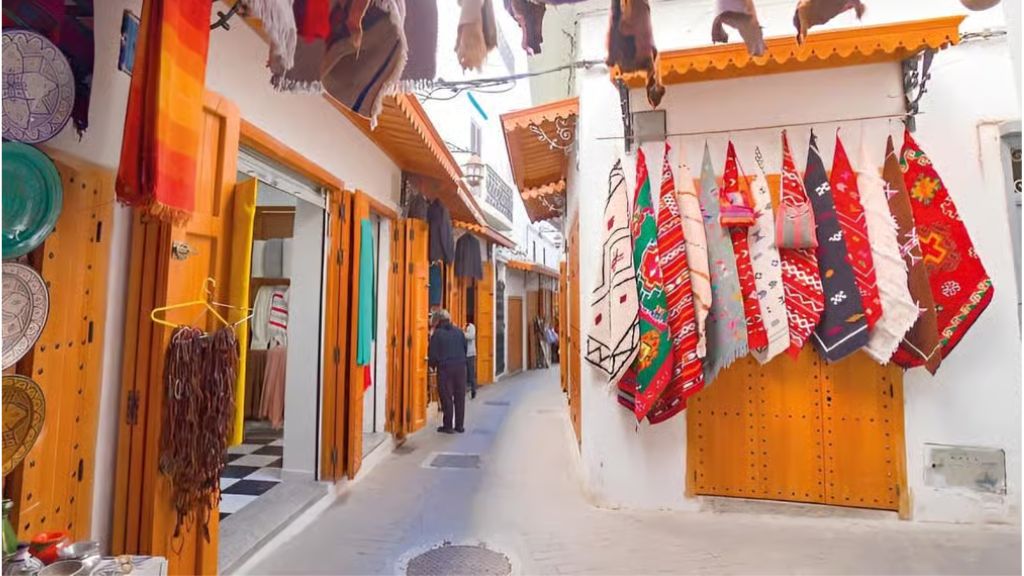
The medina is the historic heart of Tangier and the most atmospheric place to stay. Narrow alleys twist between whitewashed houses, small shops spill into the streets and the call to prayer echoes between the walls. Most accommodation here takes the form of traditional riads, old townhouses wrapped around an inner courtyard. Many have rooftop terraces with views over the medina or out to the water.
Staying in the medina means immersion. You wake up to daily life unfolding around you. But there are tradeoffs. Cars cannot reach many riads so you might need to walk the final stretch with your luggage over cobblestones. The streets can be noisy, especially near busy squares, and navigation feels confusing at first. For your first trip, choosing a riad close to a well known gate or landmark keeps things simpler.
Above the medina sits the Kasbah, the old fortified quarter with higher views and a quieter feel. Here you still get traditional architecture but with a slightly more relaxed pace. Guesthouses and boutique hotels in the Kasbah often lean a bit more upscale and many offer impressive views across the Strait of Gibraltar. The climb up the hill can be tiring but sunsets from a Kasbah terrace are worth the effort.
If you prefer more modern comfort, Ville Nouvelle, the “new city,” might suit you better. This area grew during the French and Spanish protectorate eras and looks more European. Streets are wider, there are proper sidewalks, and you find international style hotels alongside Moroccan ones. Wifi tends to be more reliable, elevators are standard and you are closer to banks, ATMs and larger supermarkets. You are still within walking distance of the medina if you choose a central location near the Grand Socco.
The beachfront zone offers another style of stay. Larger hotels and resorts line the bay with pools, sea views and easy access to the sand. This works well if you want to combine city exploration with downtime by the water. The tradeoff is that you will need taxis or longer walks to reach the medina and Kasbah. If your vision of traveling to Tangier includes both sightseeing and classic beach time, splitting your stay between a medina riad and a seafront hotel can be a smart strategy.
Budget plays a role too. In the medina you can find simple guesthouses starting around 40 to 60 dollars per night and more polished riads in the 80 to 150 dollar range. Kasbah properties and stylish boutique hotels often run higher. Ville Nouvelle offers everything from basic business style hotels to international chains. Beachfront properties can be surprisingly affordable in winter and shoulder seasons then climb sharply in high summer.
Whatever neighborhood you choose, read recent reviews carefully. Look for honest comments about noise, cleanliness, wifi and how easy the place is to find. Pay attention to mentions of staff helpfulness because a good host makes a huge difference in a city like Tangier where first impressions can feel intense.
Communication with your accommodation before arrival is important, especially for medina and Kasbah stays. Many riads will offer to meet you at a known square or gate and walk you in. Save their number on WhatsApp and send a quick message when you leave the airport. That small step can turn a confusing arrival into a smooth welcome.
If you want a deeper breakdown of the main neighborhoods, typical prices and specific types of accommodation for different travel styles, my guide to the best areas and hotels in Tangier walks through the pros and cons of each zone so you can match your base to the kind of trip you want to have.
What to do in Tangier
Once you settle into your accommodation the question becomes what to actually do with your days. Tangier is not a city where you check off a list of major monuments and move on. The experiences here are more about atmosphere, wandering and letting the city unfold at its own pace. That said there are definite highlights you should not skip.
The Kasbah sits at the highest point of the old city and offers sweeping views across the Strait of Gibraltar. Walking through the main gate feels like stepping back in time. The streets inside are quieter and more residential than the lower medina. The Kasbah Museum occupies a former sultan’s palace and displays Moroccan art, artifacts and beautiful courtyard architecture. Even if museums are not usually your thing the building itself and the rooftop views justify the small entrance fee.
Just below the Kasbah the medina spreads out in a tangle of narrow alleys, small squares and endless corners that beg exploration. Getting deliberately lost here is part of the experience. You will stumble across neighborhood bakeries, children playing soccer in tiny plazas, old men sitting in doorways and glimpses into daily life that guidebooks cannot capture. Do not worry too much about navigation. The medina is small enough that you will eventually recognize a familiar street or sign.
The Grand Socco marks the boundary between the medina and Ville Nouvelle. This large open square pulses with energy as locals shop for produce, clothes and household goods. Thursday and Sunday mornings see the most activity when farmers bring in fresh vegetables and the whole space becomes a colorful chaos of vendors and shoppers. Sitting at a cafe on the edge of the Grand Socco with mint tea watching the flow of people is a simple pleasure that costs almost nothing.
Deeper inside the medina the Petit Socco is a smaller square that was once the center of Tangier’s international zone era. Writers, spies and smugglers passed through here in the mid 20th century. Today old men play cards at outdoor cafes and the square maintains a timeless quality. Grab a seat at Cafe Central and watch life unfold around you. The streets radiating from the Petit Socco lead to souks where vendors sell everything from spices to leather bags. Shopping here requires patience and bargaining skills but the atmosphere is authentic.
The American Legation Museum sits near the medina edge and marks an interesting piece of history. This was the first American public property outside the United States and celebrates the long relationship between Morocco and America. The building is beautiful with a traditional courtyard and the staff genuinely enjoys sharing the story. It takes maybe 45 minutes to an hour to explore and the small entrance fee supports the nonprofit maintaining the property.
No visit to Tangier feels complete without time at Cafe Hafa. This legendary spot clings to cliffs overlooking the strait with terraced seating that descends toward the water. Famous musicians and writers spent time here over the decades. Order mint tea, find a terrace spot and watch the light change over the water as afternoon turns to evening. The tea is cheap, the view is priceless and the atmosphere transports you to another era.
About 14 kilometers west of the city the Caves of Hercules open onto the Atlantic Ocean. According to mythology Hercules rested here during his labors. The cave’s natural opening toward the sea forms the rough shape of Africa which makes for iconic photos. The setting is dramatic with waves crashing against rocks. Nearby Cap Spartel marks where the Mediterranean and Atlantic meet. The lighthouse and wild landscape make this a worthwhile half day trip from central Tangier.
Walking the corniche along Tangier’s waterfront offers a different perspective on the city. The wide pedestrian promenade follows the bay from the port through the beach area. Late afternoons and evenings see families, joggers and couples strolling while the sun drops toward the horizon. Beach clubs and cafes line sections of the corniche if you want to stop for a drink or snack.
If you have time for a day trip, Chefchaouen sits about two hours away in the Rif Mountains. The entire medina is painted in shades of blue creating a surreal atmosphere. The mountain setting feels cooler and calmer than coastal Tangier. You can visit in one long day but staying overnight lets you experience the town after tour groups leave.
Shopping in the medina souks can be fun or frustrating depending on your patience for bargaining. Leather goods, ceramics, spices and textiles fill the stalls. Quality varies dramatically so examine items carefully. Expect to negotiate and do not feel pressured to buy. The sensory experience of wandering through the souks matters as much as what you purchase.
Traditional hammams offer a uniquely Moroccan experience if you are open to communal steam baths. The ritual involves different temperature rooms, black soap scrubs and lots of water. Local hammams charge very little while tourist oriented versions in hotels cost more but provide more privacy and English speaking attendants.
Tangier is not a city where you need every hour scheduled. The best moments often come from simply wandering, sitting in cafes and letting the rhythm of the place sink in. If you want a more detailed breakdown of attractions with practical visiting information, opening hours and tips for making the most of each experience, my complete guide to things to do in Tangier covers the top 15 experiences along with some lesser known gems that add depth to your visit.
Eating and drinking in Tangier
Food in Tangier tells a story about the city’s position at a cultural crossroads. Moroccan spices meet Mediterranean ingredients with touches of Spanish and French influence layered on top. The result is a dining scene that ranges from simple street food to elegant restaurants reimagining traditional dishes.
Tagine is the dish most associated with Moroccan cooking and you will find it everywhere in Tangier. The name refers to both the conical clay pot and the slow cooked stew inside. Meat or vegetables simmer for hours with spices until everything becomes tender and the sauce reduces to rich perfection. Lamb tagine with prunes and almonds balances sweet and savory in a way that surprises first timers. Chicken with preserved lemons and olives offers a tangier flavor while vegetable tagines satisfy plant based eaters.
Couscous is traditionally a Friday dish when families gather after mosque but many restaurants serve it daily. The tiny semolina grains are steamed and served with vegetables and meat in a flavorful broth. Eating couscous on Friday feels more authentic and ceremonial if your timing works out.
Harira is a thick tomato based soup loaded with lentils, chickpeas and sometimes meat. Moroccans traditionally break the Ramadan fast with harira but cafes serve it year round especially during cooler months. The warming spices and hearty texture make it perfect for foggy evenings.
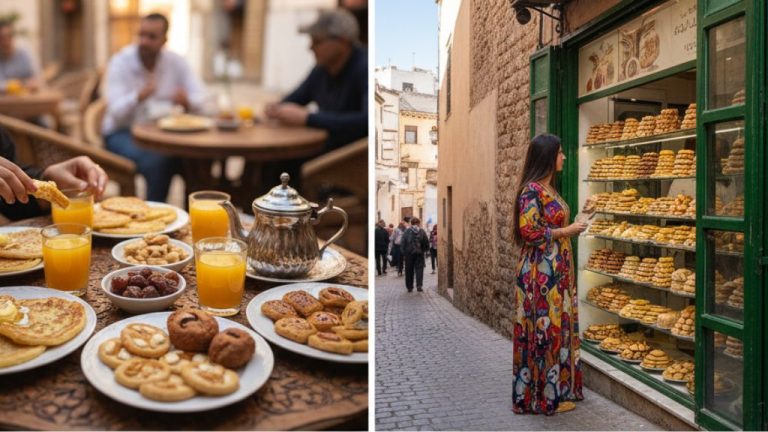
Street food provides some of the most authentic and affordable eating experiences when traveling to Tangier. Vendors around the Grand Socco and throughout the medina serve foods that have sustained locals for generations. Msemen are square flatbreads cooked on griddles and folded into layers. Vendors prepare them fresh each morning and serve them plain or stuffed with cheese, honey or vegetables. A msemen with mint tea makes a perfect breakfast for about a dollar.
Bocadillos reflect Tangier’s Spanish influence. These sandwich shops pack fresh baguettes with grilled meats, fried fish, vegetables and spicy harissa sauce. The result is messy and delicious. Look for shops near the port where workers grab quick lunches.
Fresh orange juice vendors squeeze fruit to order creating vibrant drinks without added sugar. A large glass costs less than a dollar and provides instant refreshment during hot days exploring the medina.
For sit down meals the medina holds several solid options. Restaurant Ahlen serves traditional Moroccan food in a casual setting with consistently good tagines and reasonable prices. Le Saveur du Poisson specializes in seafood prepared with Moroccan and Mediterranean techniques. The set menu changes based on daily catch but usually includes multiple fish courses. This is a local favorite that many tourists miss so reservations help especially for dinner.
Dar Lidam occupies a restored riad with an elegant dining room and rooftop terrace. The menu offers refined versions of classic dishes and works well for special occasions when you want atmosphere and excellent service. El Morocco Club blends Moroccan and international cuisine in a sophisticated space with creative cocktails and a strong wine list.
In Ville Nouvelle, Cafe de Paris has anchored Place de France since 1920. Writers and artists gathered here during Tangier’s international zone era. The food is decent cafe fare but you come for the history and people watching. Coffee and pastries on the terrace makes a perfect afternoon break.
The fishing port area hosts simple restaurants serving whatever came off the boats that morning. These places have minimal decor and sometimes questionable hygiene but the seafood is undeniably fresh. Point to the fish you want displayed on ice and they will grill it simply with oil, salt and lemon. Pair it with Moroccan salad and bread for a satisfying meal.
Morocco is a Muslim country but alcohol is available in licensed restaurants, hotels and some liquor stores. Local beers like Flag and Casablanca plus imported options appear on many menus. Moroccan wines from regions near Meknes have improved significantly and deserve trying.
Mint tea remains the national drink served continuously throughout the day. Watching tea being poured from height to create foam is part of the ritual. The sugar content is intense so request less sugar when ordering if you prefer it milder.
When eating communal dishes like tagine or couscous, Moroccans traditionally use their right hand. Restaurants provide utensils for tourists but embracing the local method enhances the experience. Use bread to scoop food and take from the section of the dish directly in front of you.
Tipping is not mandatory but appreciated. Ten percent is generous for good service. In street food situations rounding up to the nearest five or ten dirhams works fine.
Restaurants fill up late by American standards. Lunch service peaks around one to two in the afternoon while dinner crowds arrive after eight. Eating earlier means better table selection but less atmosphere.
If you want deeper recommendations on specific restaurants, details about Moroccan dishes you should not miss and guidance on navigating dining customs, my complete food and restaurant guide for Tangier covers everything from street food basics to upscale dining so you can eat well throughout your trip.
Practical tips for traveling to Tangier
Beyond the sights and meals, traveling to Tangier requires handling practical details that can frustrate unprepared visitors or become smooth background logistics for those who arrive with the right knowledge. Let me walk through the essentials so you can focus on enjoying the city instead of stressing over money, transportation or cultural missteps.
Safety is usually the first concern for Americans considering Morocco. The honest answer is that Tangier is generally safe for tourists who take reasonable precautions. Violent crime against visitors is rare but petty theft and scams exist like any tourist destination. The medina can feel overwhelming with its narrow streets and pushy vendors. Some travelers interpret this intensity as danger when it is really just unfamiliar energy. Stay aware of your surroundings, keep valuables secure and trust your instincts.
Pickpocketing happens in crowded areas like the Grand Socco and busy medina streets. Keep cash and cards in front pockets or bags you can see. Don’t flash expensive jewelry or pull out thick wads of money. Women traveling alone or in groups attract more attention than in Western cities. Dressing modestly helps reduce unwanted comments. Long pants or skirts past the knee plus shirts covering shoulders show cultural respect and make your day easier.
Money matters require some planning. Morocco’s currency is the dirham and you cannot obtain it before arriving because exporting the currency is restricted. Airport exchange counters offer poor rates but provide enough cash for immediate needs like taxi fare. Better rates come from ATMs which accept most international cards. Withdraw larger amounts to minimize fees that add up quickly.
ATMs are common in Ville Nouvelle and near the Grand Socco but scarce deep in the medina. Load up on cash before venturing into the old town. Most ATMs have English options and dispense 200 dirham notes. Notify your bank before traveling or your card might get blocked for suspicious activity.
Credit cards work at upscale hotels, some restaurants and tourist shops. Cash dominates everywhere else especially in the medina and for street food. Budget travelers should plan on using cash for 80 percent of expenses.
Bargaining is expected in souks and with unofficial taxi drivers. Start at 40 to 50 percent of the initial asking price and negotiate from there. Fixed price stores display signs saying prix fixe where bargaining is not appropriate. Restaurants and official taxis with meters do not involve negotiation.
Getting around Tangier relies heavily on small blue taxis called petit taxis that operate within city limits. Always insist drivers use the meter. The phrase “avec le compteur s’il vous plaît” requests this politely in French. Some drivers claim the meter is broken or try to negotiate fixed prices that are always higher. Simply exit and find another taxi if they refuse.
Taxi fares within central Tangier rarely exceed 20 to 30 dirhams during daytime. Night rates between 8pm and 6am increase by 50 percent. Drivers sometimes try charging tourists inflated rates so knowing approximate costs helps you push back on overcharging. Even when paying slightly more than locals, taxis remain cheap by American standards.
Walking is the best way to explore Tangier especially within the medina where cars cannot access most streets. Comfortable shoes matter because cobblestones and hills are constant. Download offline maps before arrival since mobile data can be unreliable in narrow passages.
International roaming from US carriers gets expensive quickly. Better options include purchasing a Moroccan SIM card or relying on wifi at hotels and cafes. Maroc Telecom, Orange and Inwi sell prepaid SIM cards with data packages. Bringing an unlocked phone allows you to swap in a local SIM for five to ten dollars including several gigabytes of data. Passport is required for purchase.
Wifi quality varies dramatically. Upscale hotels and modern cafes provide reliable connections while budget accommodations and older riads struggle with weak signals. The medina’s thick walls do not help wifi penetration.
Dress code matters in Morocco even though the country is relatively liberal compared to some Muslim nations. Modest clothing shows respect and reduces hassles. Men can wear shorts but long pants look more appropriate especially when visiting mosques or conservative neighborhoods. Women should cover shoulders, chest and knees as a baseline. Loose fitting clothing works better than tight or revealing items.
The call to prayer sounds five times daily from mosques throughout the city. The first call comes before dawn which surprises light sleepers. Earplugs help if you are sensitive to noise. Friday is the Muslim holy day when some businesses close during midday prayers though shopping and dining remain available.
Ramadan transforms the city’s rhythm with restaurants closed during daylight hours and vibrant activity after sunset. Traveling during Ramadan requires flexibility but offers unique cultural insights. Eating, drinking or smoking in public during fasting hours is disrespectful though hotels serve guests normally.
Language presents challenges since Arabic and French dominate while English appears mainly in tourist areas. Learning basic French phrases dramatically improves your experience. Bonjour for hello, merci for thank you, s’il vous plaît for please and combien for how much covers essential interactions. Even badly pronounced French shows effort that Moroccans appreciate.
Tap water is not safe to drink in Morocco. Bottled water costs less than a dollar for 1.5 liters and is available everywhere. Brush teeth with bottled water and skip ice in drinks unless you are at upscale hotels. Stomach issues affect many visitors adjusting to new bacteria and different food hygiene. Pack anti-diarrheal medication just in case though most cases resolve within a day or two.
Power outlets use European style plugs with 220V electricity. Bring adapters for charging electronics. Toilet paper is not always provided in public restrooms so carry tissues or small packs. Sunscreen and sunglasses are essential year round due to intense sun exposure.
If you want more detailed guidance on handling money smartly, staying safe, navigating cultural norms and solving common travel challenges, my complete practical tips guide for Tangier covers everything from currency exchange strategies to mobile phone options so you can handle logistics confidently.