
Marrakech’s food scene reflects its rich multicultural heritage, blending Moroccan tradition with Mediterranean and international influences. From aromatic tagines simmering in centuries-old medina kitchens to fresh seafood grilled in local restaurants, culinary adventures await around every corner.
Street vendors serve crispy msemen for breakfast, while family-run eateries offer hearty harira soup. Upscale establishments reimagine Moroccan classics with a modern twist. Knowing where to find authentic flavors, understanding dining customs, and prioritizing certain dishes enhances your journey through this vibrant city.
Essential Moroccan dishes to try
Tagine is perhaps the most iconic dish associated with Morocco for good reason. This slow-cooked stew is named after the conical clay pot it’s prepared in, featuring a variety of meats or vegetables that simmer for hours with spices until everything is tender and the sauce is reduced to perfection.
A lamb tagine with prunes and almonds is common on traditional menus, where the sweetness of dried fruit balances savory spices in a delightful way. Chicken with preserved lemons and olives offers a tangier profile, while vegetable tagines with carrots, zucchini, and chickpeas cater to plant-based eaters.
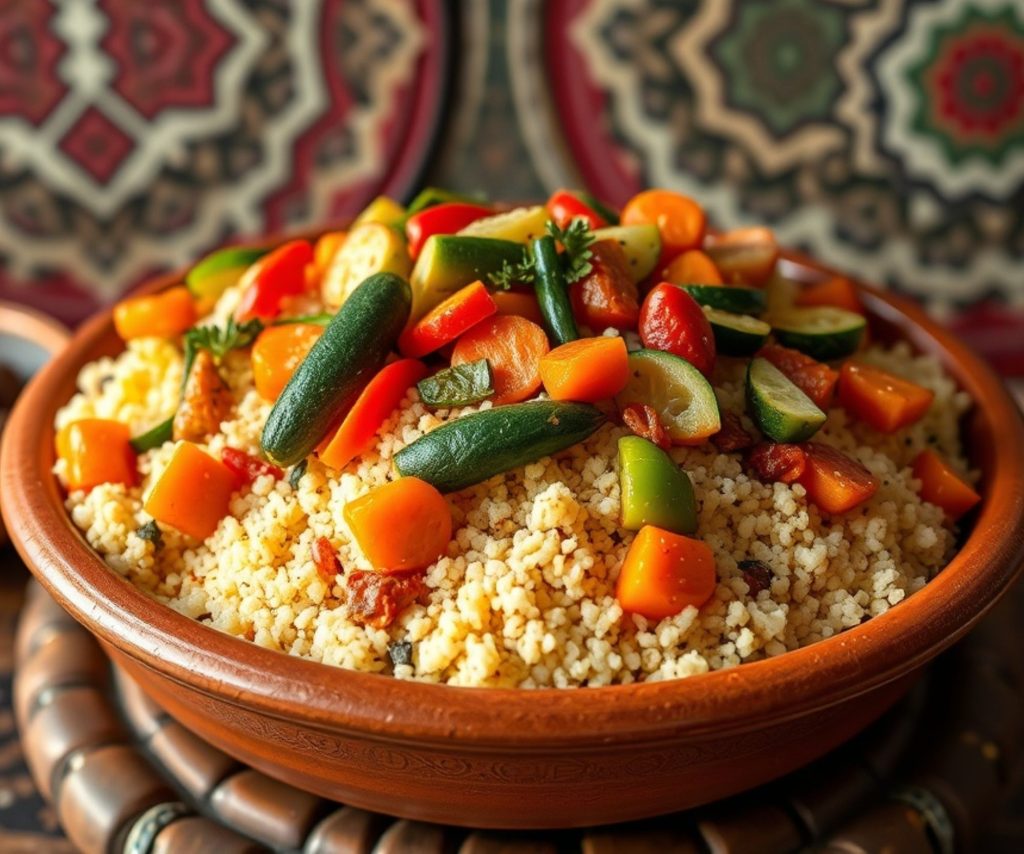
Couscous, traditionally served on Fridays, is another essential dish. The tiny semolina grains are steamed and served with a variety of vegetables and meat in a rich broth. Although some restaurants serve couscous daily, the Friday version feels more authentic and ceremonial.
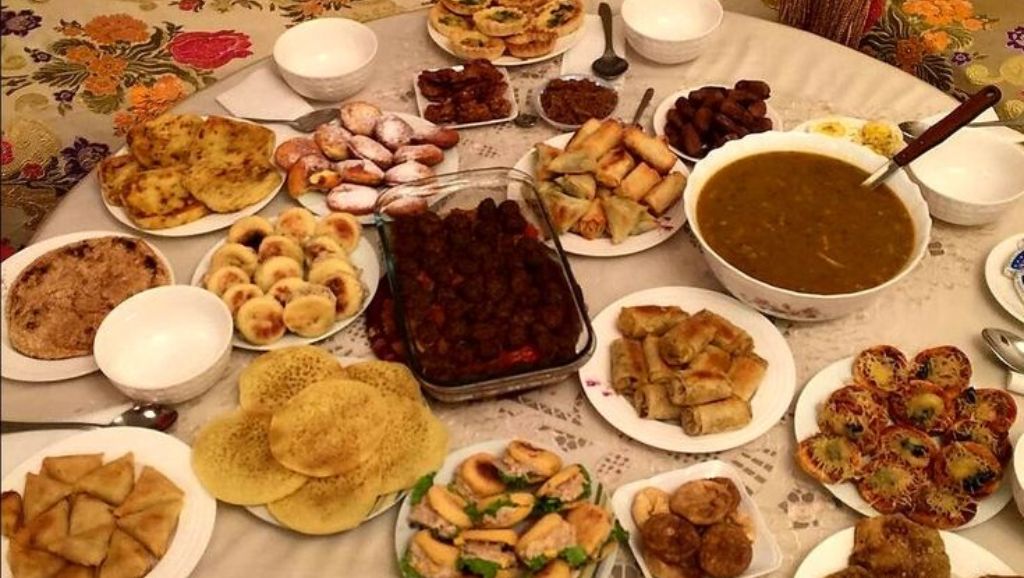
Harira, a tomato-based soup thick with lentils, chickpeas, and sometimes meat, is traditionally consumed to break the Ramadan fast. However, it is enjoyed year-round, especially during cooler months, making it perfect for chilly Marrakech evenings.
Pastilla deserves a mention despite being more common in other Moroccan cities. This savory-sweet pie features layers of flaky pastry stuffed with spiced pigeon or chicken, almonds, and a sprinkle of cinnamon and powdered sugar. The flavor combination may sound strange, but it works remarkably well.
Street food and quick bites
Street food in Marrakech offers some of the most authentic and affordable dining experiences. Vendors cluster around Jemaa el-Fna square, serving foods that have sustained locals for generations.
Msemen are square flatbreads cooked on griddles and folded into layers, served fresh throughout the morning with options for stuffing with cheese, honey, or vegetables. A msemen with mint tea makes for a perfect breakfast at about 10 dirhams.
Skewers of grilled meat reflect the Mediterranean influence and are often served with bread and spicy sauce. Look for stands near the markets where locals grab quick lunches.
Fresh orange juice vendors press fruit to order, creating vibrant drinks without added sugar. A large glass costs 5-7 dirhams, providing much-needed refreshment on hot days.
Medina Restaurants
Restaurant Tobsil is located deep within the medina and serves traditional Moroccan food in a relaxed setting. Known for consistently good tagines, expect to pay around 60-80 dirhams for a main course.
Le Comptoir Darna blends Moroccan and Mediterranean cuisine with a seasonal menu. It’s a popular spot for a memorable dinner, so make reservations.
La Maison Arabe, a restored riad, offers upscale dining with refined versions of classic dishes. Plan to budget 200-300 dirhams per person, including drinks, for an unforgettable culinary experience.
Cafés and breakfast
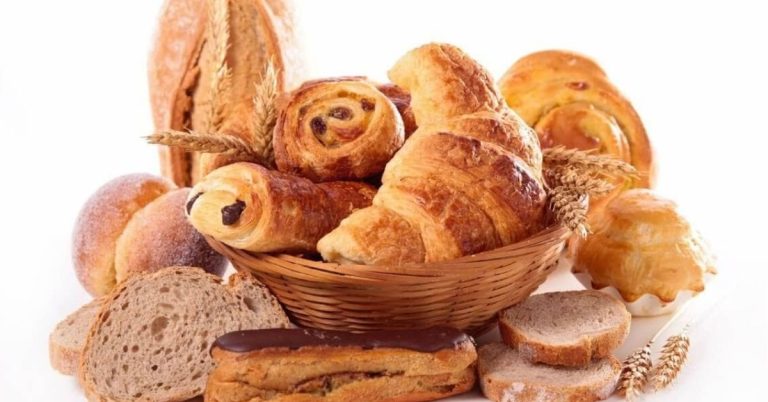
Breakfast in Marrakech typically consists of bread, olive oil, jam, cheese, and mint tea. For a more substantial morning meal, head to Gueliz cafés that serve croissants and espresso alongside traditional options.
Pâtisseries throughout the city showcase a variety of Moroccan cookies, French pastries, and colorful cakes. Pâtisserie Bennis in Gueliz is especially popular for its local specialties.
Drinking culture
While Morocco is a Muslim country, alcohol is available in licensed restaurants, hotels, and some shops. Beer options include local brands like Flag and Casablanca, along with imported choices.
Mint tea remains the national drink, served continuously throughout the day. Watching tea being poured from a height to create foam is part of the ritual. For those who prefer, you can request less sugar.
Dining Etiquette
Moroccans typically eat with their right hand when sharing communal dishes like tagine or couscous. Restaurants provide utensils, but embracing the local method enhances the experience. Use bread to scoop food and take from the section of the dish directly in front of you.
Meals begin later than American standards. Lunch service peaks around 1-2 PM, while dinner crowds arrive after 8 PM. Early dining offers better table selection but less atmosphere.
Markets and self catering
The central market near Jemaa el-Fna sells fresh produce, meat, fish, and spices. Shopping here provides insight into local food culture, even if you can’t cook on-site.
Vendors expect some negotiation on prices, but they remain low compared to Western standards. A kilo of oranges might cost around 10 dirhams, depending on the season.
Food tours and cooking classes
Several local guides offer food tours that combine market visits, street food tastings, and restaurant stops, giving you access to hidden gems. Expect to pay around 300-500 dirhams for a half-day tour.
Cooking classes teach traditional Moroccan techniques in home or restaurant kitchens, allowing you to learn how to make tagines or couscous to replicate at home. Courses typically include market shopping and lunch for 400-600 dirhams.
My Recommendations
Savor street food for breakfast and lunch to save money and experience authentic flavors. Treat yourself to one nice dinner at a place like La Maison Arabe to appreciate refined Moroccan cuisine. Balance tourist-friendly restaurants with local spots where menus may only be in Arabic.
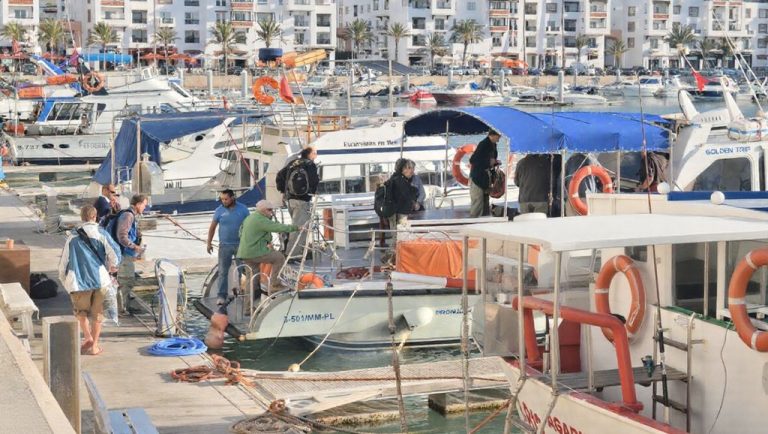
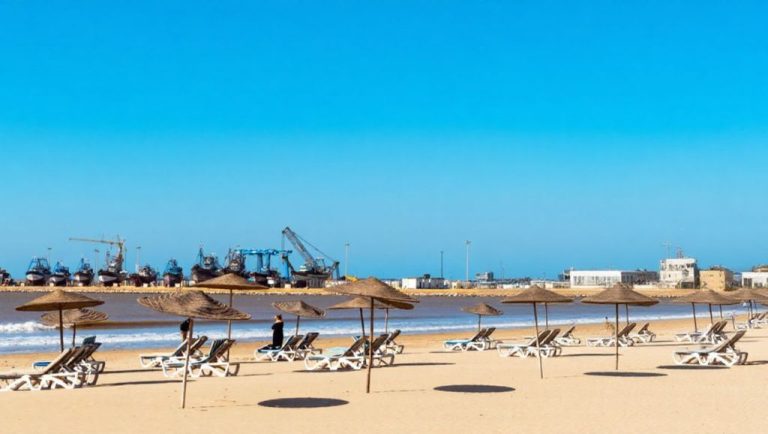
Don’t miss the seafood, especially in summer when it’s most abundant. Port restaurants may look simple, but the grilled fish is exceptional.
Be adventurous and try dishes you haven’t heard of before. Moroccan cuisine has much more depth than what most visitors experience, and lesser-known preparations often become favorites.
After exploring Marrakech’s culinary scene, you’ll want practical tips for navigating the city safely and managing logistics like money and transportation Marrakech travel tips : money, safety, and local customs. Check out for everything you need to know to make your visit smooth and enjoyable.