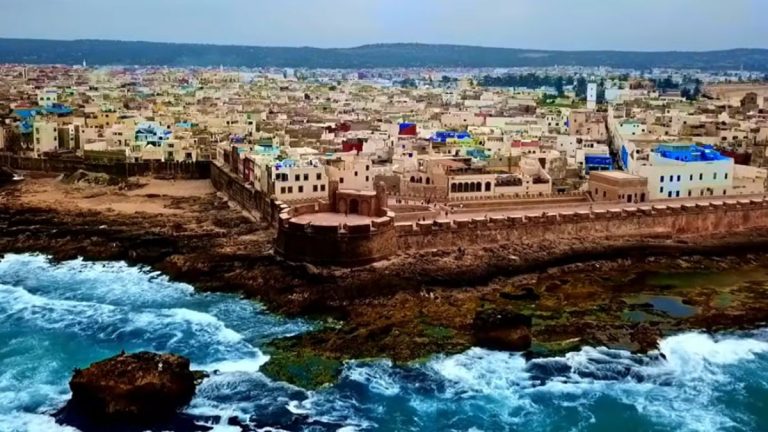

I still remember the first time I felt goosebumps rise on my arms as Gnawa musicians struck their three-stringed guembris under a Moroccan starlit sky. That moment changed how I understood music festivals forever. They’re not just concerts but cultural gateways where melodies dissolve borders and strangers become friends through shared rhythm. If you’re planning your next cultural adventure, exploring a complete travel guide to Essaouira can help you discover how music festivals transform destinations into soul-nourishing experiences. These gatherings offer more than entertainment; they create spaces where heritage breathes and communities celebrate together. Essaouira complete travel guide
Why World Music Festivals Transform Travelers
Most people attend concerts for entertainment, but world music festivals operate on a different frequency entirely. They function as cultural laboratories where ancient traditions meet contemporary expression, creating something neither wholly traditional nor purely modern but vibrantly alive.
I learned this lesson during my first WOMAD festival in England. A grandmother from Rajasthan sang alongside electronic musicians from Iceland, their collaboration creating sounds that shouldn’t have worked together but somehow did. The audience included everyone from teenagers in band t-shirts to retired professors, all moving to rhythms that transcended language.
What makes these festivals powerful isn’t just the music itself but the context they create. You’re not passively consuming art from a distance. You’re standing shoulder to shoulder with people from dozens of countries, all temporarily united by sound. The barriers we construct in daily life dissolve when a drum circle invites participation or a vocalist’s voice cuts straight to your heart regardless of whether you understand the words.
The Gnawa World Music Festival: Where Trance Meets Transcendence
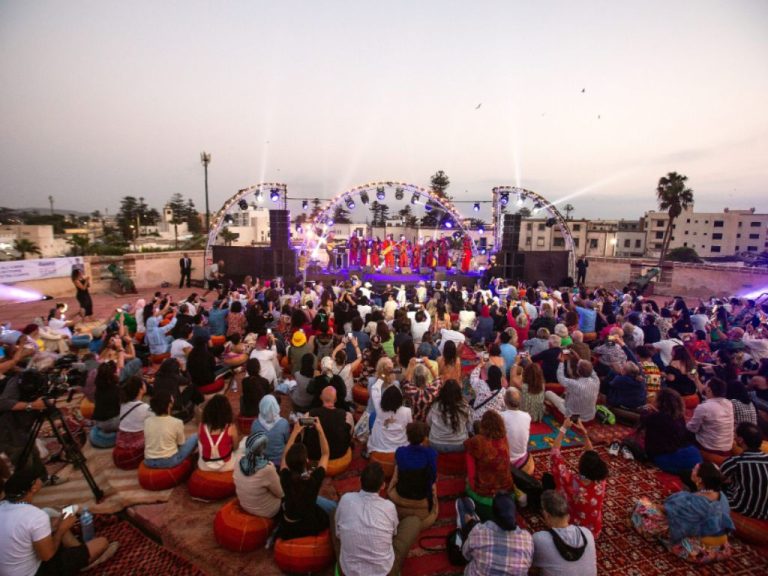
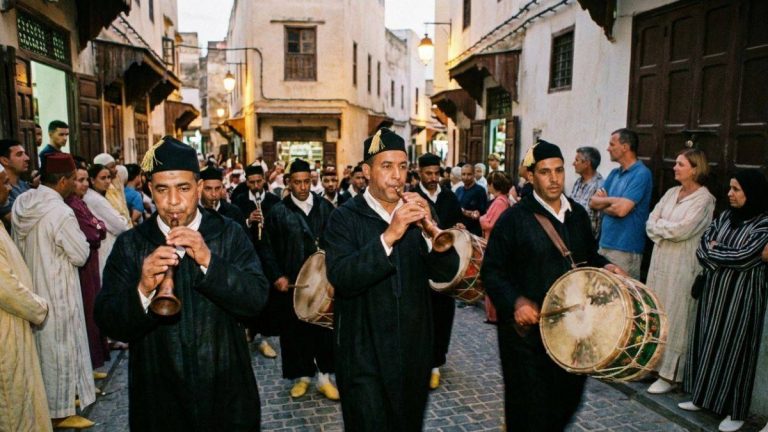
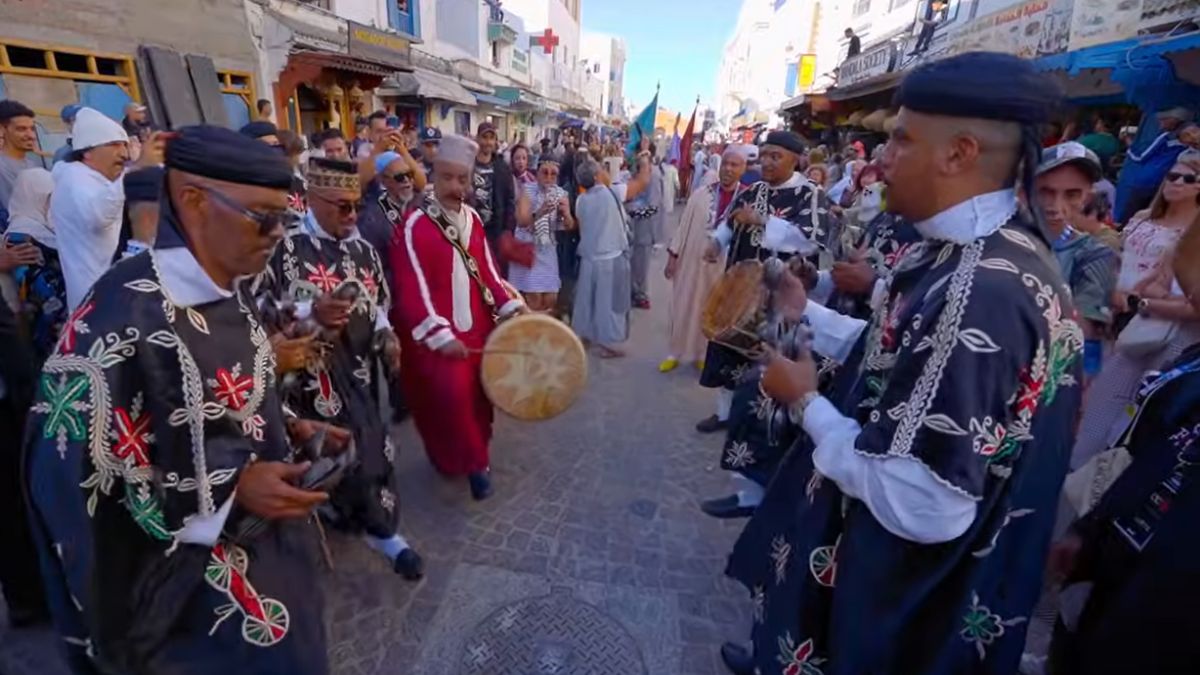
Each June, Essaouira transforms into a sonic pilgrimage site as the Gnawa World Music Festival takes over the medina. The festival celebrates Gnawa music, a centuries-old tradition combining sub-Saharan African, Berber and Arabic influences into hypnotic ceremonial performances.
Walking through the medina during festival days, music pours from every corner. Official stages host headline acts, but equally compelling performances happen spontaneously in squares and cafes. I once stumbled upon a master musician teaching young students in a courtyard, their repetitive phrases building into trance-inducing patterns that made time feel elastic.
The smell of grilling sardines and mint tea mingles with incense as night performances begin. Gnawa ceremonies traditionally serve spiritual healing purposes, and even within the festival context, something profound occurs when musicians enter deep rhythmic states. The metallic clang of krakebs punctuates guembri bass lines that seem to vibrate through your chest cavity rather than just your ears.
What sets this festival apart from typical music events is its integration into community life. Locals don’t just tolerate the annual invasion of international visitors but actively participate, inviting strangers into homes and sharing stories about Gnawa’s role in Moroccan spiritual life. You’re not watching culture from outside but being temporarily woven into its fabric.
The festival also features fusion collaborations that demonstrate how tradition evolves. Jazz musicians jam with Gnawa masters, electronic producers layer modern beats over ancient rhythms, and the results feel innovative without being disrespectful.
WOMAD: The Festival That Launched a Movement
Peter Gabriel founded WOMAD in 1982 with a revolutionary idea that world music deserved the same platform and audience as Western pop and rock. What began as a single event in England has spawned festivals across six continents, each maintaining the founding vision of cultural exchange through music.
I attended WOMAD Charlton Park, and the festival’s design immediately impressed me. Multiple stages ensure overlapping performances, but sound engineering prevents them from bleeding into each other. You can wander between a Tuvan throat singing workshop and a Congolese soukous band without transition feeling jarring.
The daytime workshops might be WOMAD’s secret weapon. Unlike typical festival meet and greets, these sessions involve genuine teaching. I learned basic tabla rhythms from an Indian master who patiently corrected my hand positioning while explaining how each stroke produces distinct tones. That hour taught me more about music’s cultural specificity than years of passive listening.
Evening performances build from family-friendly early shows to late-night dance parties that defy categorization. The crowd’s diversity mirrors the lineup’s eclecticism. Parents dance with toddlers on shoulders while college students and retirees groove side by side.
Food vendors offer authentic cuisine from performers’ home countries, turning meals into extension of cultural education. Eating Ethiopian injera while watching a performance from Addis Ababa creates fuller sensory immersion than music alone could achieve.
Planning Your World Music Festival Journey
Choosing which festivals to attend depends on what you seek from the experience. Research festival histories and missions before committing. Events founded by local communities differ substantially from commercially organized festivals. The former typically offer deeper cultural immersion while the latter might provide better logistics.
Timing matters beyond just dates. Some festivals coincide with religious or cultural celebrations that enrich the overall experience. Understanding seasonal context helps you appreciate why festivals occur when they do.
Accommodation fills quickly for major festivals, so book early. However, consider staying with local families through homestay programs rather than hotels when possible. These arrangements deepen cultural connections and provide insider perspectives you’d miss otherwise.
Many festivals offer volunteer opportunities that reduce costs while increasing involvement. Working a few hours daily at information booths or helping with setup connects you with other passionate attendees and gives you backstage access.
Pack practically but include items that help you participate fully. Comfortable shoes for dancing, layers for temperature changes and a refillable water bottle are essential. Also bring an open mind and willingness to step outside musical comfort zones.
Learn basic phrases in the host country’s language. Even rudimentary attempts at communication show respect and often lead to richer interactions with locals and performers.
How Music Festivals Nourish Your Soul
The benefits of attending world music festivals extend far beyond the event itself. These experiences create lasting impacts on how you engage with culture and community.
Musical diversity expands your aesthetic range. Returning home after immersion in unfamiliar musical traditions changes what you hear and appreciate. Your playlists diversify, and you start noticing global influences in music you previously considered purely local.
These festivals build intercultural competence through direct experience rather than abstract learning. Dancing alongside people from radically different backgrounds while sharing joy in the same music teaches lessons about human commonality that lectures never could.
You develop relationships that transcend the festival itself. I still exchange messages with a family from Senegal I met at a festival five years ago. These connections make the world feel smaller and more navigable.
The festivals model how cultural exchange can work respectfully. Instead of appropriation or superficial tourism, you witness collaboration and genuine dialogue. This example shapes how you approach cultural difference in all areas of life.
Many attendees report that music festivals catalyze personal transformation. Something about the combination of unfamiliar sounds, diverse community and temporary departure from routine creates space for reflection and growth.
Making the Most of Your Festival Experience
Approaching world music festivals with intention maximizes their impact. Arrive early and stay late. The hours before official programming and after main stages close often offer the most intimate moments.
Prioritize workshops over performances when choosing between overlapping events. Performances entertain, but workshops educate and involve you directly in cultural practices.
Talk to strangers constantly. Festivals create rare social permission to approach anyone and start conversations. Take advantage of this opening to hear diverse perspectives.
Document thoughtfully but don’t let recording replace experiencing. Take some photos and videos for memory’s sake, but spend most of your time fully present rather than viewing everything through a screen.
Support artists directly by purchasing their music and merchandise. These sales often constitute significant income for musicians, especially those from countries where the music industry offers little financial support.
Extend your learning after the festival ends. Research artists you discovered, explore related musical traditions and seek out local communities maintaining similar cultural practices near your home.
If you found this exploration of world music festivals inspiring, you might enjoy learning about traditional harvest festivals celebrating nature’s rhythms which offer similar community connection through different cultural expressions.Traditional Harvest Festivals: Celebrating Nature’s Rhythms
What world music festival speaks to your soul, and what draws you to that particular cultural tradition?