
The iconic tagine pot creates more than just flavorful meals. Its unique cone-shaped design enables slow cooking that breaks down tough fibers and preserves nutrients while allowing spices to fully release their digestive benefits. This cooking method has supported gut health in Morocco for centuries, combining vegetables, legumes and specific spice blends known for their therapeutic properties. Understanding tagine’s wellness aspects reveals a deeper pattern in Moroccan food culture where cooking methods and ingredients work together intentionally. Every element serves both taste and health.
The science behind slow cooking
Slow cooking in a tagine creates conditions that maximize both digestibility and nutrient availability. The low steady heat breaks down complex carbohydrates and proteins into simpler forms that your digestive system processes more easily. Tough vegetable fibers soften without losing their beneficial structure, making nutrients more accessible while maintaining the fiber your gut microbiome needs.The extended cooking time also allows enzymes naturally present in foods to remain active longer, pre-digesting components before they even reach your stomach. This enzymatic action reduces the work your digestive system must perform, leaving more energy for other bodily functions. People with compromised digestion often find tagine-cooked foods easier to tolerate than the same ingredients prepared quickly at high heat.The moist cooking environment prevents nutrients from oxidizing or breaking down as happens with dry heat methods like grilling or roasting. Water-soluble vitamins remain in the cooking liquid which becomes part of the dish rather than being poured away. Fat-soluble vitamins absorb into the small amount of oil used, ensuring they reach your system rather than being lost.
How the tagine design works
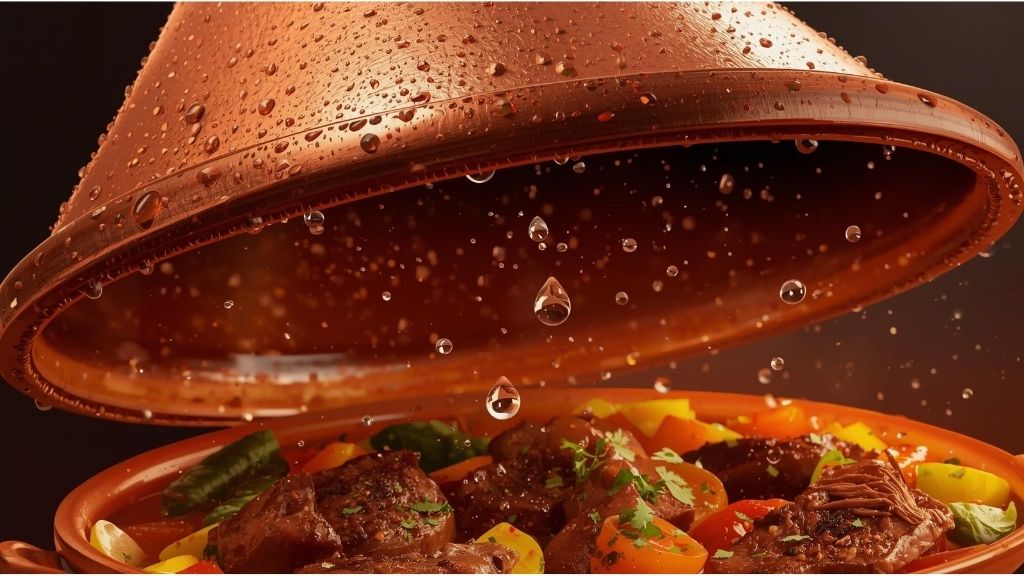
The conical lid of a traditional tagine creates a unique self-basting system that keeps food moist without requiring excessive liquid. As steam rises from cooking food, it hits the cool interior surface of the cone and condenses, dripping back down onto the ingredients below. This constant moisture circulation prevents drying while concentrating flavors.This design emerged from practical necessity in regions where water scarcity made every drop precious. Moroccan cooks developed a pot that minimized liquid requirements while maximizing flavor development and nutrient retention. The clay or ceramic material distributes heat evenly, preventing hot spots that can char food and create compounds difficult for digestion.The sealed cooking environment also traps aromatic compounds that might otherwise evaporate. These volatile molecules include many of the therapeutic components in spices and herbs. By keeping them contained, the tagine ensures these beneficial compounds infuse into your food rather than dissipating into the air. You receive maximum benefit from every ingredient added to the pot.
Vegetables and fiber benefits
Tagine cooking typically features abundant vegetables that provide fiber essential for healthy gut function. The slow moist heat softens vegetable cell walls without completely destroying their structure. This partial breakdown makes fiber more tolerable for sensitive digestive systems while maintaining enough integrity to feed beneficial gut bacteria.Carrots, turnips, squash and other root vegetables common in tagines contain both soluble and insoluble fiber. Soluble fiber dissolves in water and forms a gel-like substance that slows digestion and helps stabilize blood sugar. Insoluble fiber adds bulk to stool and promotes regular bowel movements. The combination supports optimal digestive function from multiple angles.The vegetables also release their nutrients into the cooking liquid which becomes a flavorful sauce you consume along with the solids. This ensures nothing valuable gets wasted. The sauce contains vitamins, minerals and phytonutrients extracted from vegetables during cooking, making every spoonful nutritionally dense and supportive of gut health.
Legumes for gut microbiome
Many tagines incorporate chickpeas, lentils or fava beans that provide prebiotic fiber feeding beneficial bacteria in your gut. These legumes contain resistant starches that pass through your small intestine undigested and arrive in your colon where gut bacteria ferment them. This fermentation produces short-chain fatty acids that reduce inflammation and support intestinal barrier function.The slow cooking process makes legumes more digestible by breaking down oligosaccharides that commonly cause gas and bloating. While quick-cooked beans might produce digestive discomfort, tagine-cooked legumes cause fewer issues because extended heat exposure reduces these problematic compounds. People who typically avoid beans due to digestive problems often tolerate tagine preparations better.Legumes also provide plant-based protein that diversifies your gut microbiome. A varied diet creates a more resilient bacterial community capable of handling different foods and stressors. The combination of protein, fiber and resistant starch makes legumes one of the most valuable ingredients for long-term gut health.
Spice blends for digestion

The specific spices used in tagine cooking target digestive function deliberately. Cumin stimulates enzyme production and has carminative properties that reduce gas formation. Ginger contains compounds that accelerate stomach emptying and reduce nausea. Turmeric provides anti-inflammatory benefits that calm intestinal irritation. Each spice serves a therapeutic purpose beyond adding flavor.The slow cooking allows these spices to release their active compounds gradually into the dish. Quick cooking at high heat can destroy delicate therapeutic molecules, but tagine’s gentle heat preserves them. The oil present in most tagines also helps extract fat-soluble compounds from spices, making them more bioavailable when you eat the finished dish.Cinnamon commonly used in sweet tagines helps regulate blood sugar spikes that can disrupt gut bacteria balance. Coriander seeds contain oils that support healthy bile production necessary for fat digestion. Black pepper increases absorption of other beneficial compounds, particularly curcumin from turmeric. The synergistic effects of combined spices exceed what any single ingredient could provide.
Meat and protein considerations
Traditional tagines often feature lamb, chicken or fish cooked until tender enough to fall off the bone. This extended cooking breaks down connective tissues and makes protein more digestible. The collagen in meat converts to gelatin during slow cooking, creating a substance that actually soothes and heals the gut lining.Bone broth forms naturally when cooking meat tagine-style with bones included. This broth contains amino acids like glutamine that support intestinal barrier integrity and reduce inflammation. The minerals extracted from bones during cooking provide calcium, magnesium and phosphorus in forms your body absorbs easily. Traditional Moroccan cooks understood these benefits intuitively long before science explained the mechanisms.The fat that renders from meat during cooking aids absorption of fat-soluble vitamins and spice compounds. Moderate amounts of quality animal fat also support hormone production and cell membrane health. The key lies in using meat from well-raised animals and consuming appropriate portions rather than making meat the dominant element of every meal.
Olive oil and healthy fats
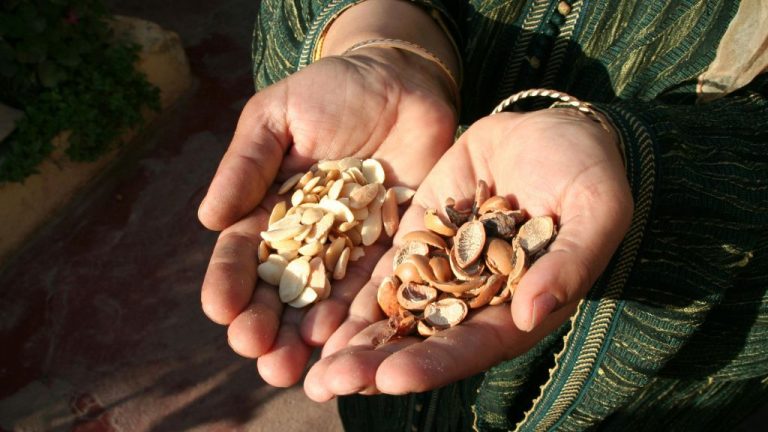
Most tagines begin with olive oil used to sauté aromatics and create the flavor base. Olive oil contains oleic acid and polyphenols that reduce gut inflammation and support the growth of beneficial bacteria. The monounsaturated fats help absorb fat-soluble vitamins and phytonutrients from vegetables and spices cooked in the tagine.The low cooking temperature preserves olive oil’s delicate compounds that higher heat would destroy. Extra virgin olive oil loses many benefits when heated past its smoke point, but tagine cooking stays well below that threshold. The oil essentially becomes infused with the therapeutic properties of everything cooked in it, creating a medicine-like sauce.Some regions of Morocco use argan oil in tagines, particularly for special occasions. Argan oil contains even more polyphenols than olive oil and has been shown to positively influence gut bacteria composition. The slightly nutty flavor adds complexity while delivering concentrated antioxidants that protect intestinal cells from damage.
Preserved lemons and fermentation

Preserved lemons frequently appear in tagines, adding complex citrus notes and important probiotics. The fermentation process that preserves lemons creates beneficial bacteria similar to those in yogurt or sauerkraut. These probiotics colonize your gut and support digestive function while crowding out harmful bacteria.The fermentation also pre-digests some components of the lemon, making nutrients more accessible. The soft rind contains high concentrations of vitamin C and bioflavonoids that support immune function and reduce inflammation. The salt used in preservation provides electrolytes and helps maintain proper digestive enzyme activity.Fermented foods like preserved lemons also contain postbiotics, the beneficial compounds that bacteria produce during fermentation. These substances have anti-inflammatory effects and support the intestinal barrier even without live bacteria being present. Adding just a small amount of preserved lemon to a tagine delivers significant gut health benefits.
Onions and garlic as foundation
Almost every tagine starts with sautéed onions and garlic that form the flavor foundation. These allium vegetables contain prebiotic compounds that feed beneficial gut bacteria. They also have antimicrobial properties that help control harmful bacteria without disrupting the good ones. The balance they provide supports a healthy microbiome.Onions contain inulin, a type of fiber that specifically nourishes Bifidobacteria, one of the most important beneficial bacterial groups in your gut. These bacteria produce vitamins, support immune function and help maintain intestinal barrier integrity. Regular consumption of onions through tagines and other dishes helps maintain robust populations of these protective organisms.Garlic provides allicin and other sulfur compounds with powerful antimicrobial and anti-inflammatory properties. These compounds help control pathogenic bacteria, yeast overgrowth and parasites that can disrupt gut health. The slow cooking mellows garlic’s harsh bite while preserving enough active compounds to deliver therapeutic benefits.
Tomatoes and lycopene
Many tagines feature tomatoes that provide lycopene, a powerful antioxidant particularly beneficial for gut health. Cooking tomatoes actually increases lycopene availability because heat breaks down cell walls and makes this compound easier to absorb. The oil present in tagines further enhances absorption since lycopene is fat-soluble.Lycopene reduces oxidative stress in intestinal cells and may help prevent damage that can lead to inflammatory bowel conditions. It also supports the mucus layer that protects gut lining from direct contact with bacteria and food particles. This protective function becomes especially important as we age and natural mucus production declines.Tomatoes also provide vitamin C, potassium and various other antioxidants that work synergistically with lycopene. The acidity of tomatoes helps create an environment that enhances mineral absorption from other ingredients in the tagine. This combination makes tomato-based tagines particularly valuable for overall digestive wellness.
Herbs for additional support
Fresh herbs added near the end of cooking provide additional digestive support and nutrient density. Cilantro helps eliminate heavy metals from the body and provides antioxidants that protect gut cells. Parsley offers chlorophyll that supports detoxification and provides vitamins K and C important for tissue repair. These herbs also add vibrant color and fresh flavor that makes tagines more appealing.Mint sometimes appears in tagines, particularly those featuring lamb or vegetables. The menthol in mint relaxes digestive tract muscles and can relieve cramping or discomfort. It also stimulates bile flow necessary for fat digestion. A small amount of fresh mint transforms the entire sensory experience while delivering measurable therapeutic benefits.The timing of herb addition matters because their delicate compounds degrade quickly at high temperatures. Adding them in the final minutes of cooking preserves volatile oils and vitamins while still allowing flavors to meld with the dish. This technique reflects the sophisticated understanding Moroccan cooks have about ingredient handling.
Eating patterns and timing
The way Moroccans consume tagine contributes to its digestive benefits as much as the ingredients and cooking method. Tagine typically appears as the main course after starter salads that prepare the digestive system with raw vegetables and stimulating spices. This progression from raw to cooked follows digestive logic, beginning with foods easiest to break down.Moroccans eat tagine slowly, often sharing from a communal platter and using bread to scoop up bites. This measured pace allows proper chewing and gives satiety signals time to reach the brain before overeating occurs. The social nature of shared meals also creates a relaxed atmosphere that supports optimal digestion by keeping the nervous system calm.The practice of eating the largest meal at midday rather than evening gives the body adequate time to digest before sleep. Digestion requires significant energy and works most efficiently when you’re upright and active. Evening tagines tend to be lighter than midday versions, showing intuitive understanding of how meal timing affects digestive comfort.
Adapting tagine for individual needs
The flexibility of tagine cooking allows adaptation for various digestive sensitivities and health conditions. Someone with irritable bowel syndrome might prepare a version emphasizing easily digested vegetables like zucchini and carrots while limiting gas-producing ingredients. People recovering from illness can make brothier tagines that provide nutrition without requiring much chewing or digestive work.Those managing diabetes benefit from tagine variations that emphasize vegetables and legumes over starches, using the natural thickening from vegetables rather than adding extra carbohydrates. The slow cooking and fiber content help prevent blood sugar spikes that stress both metabolism and gut bacteria. Cinnamon and other blood-sugar-regulating spices enhance this effect.Athletes or people with high energy needs can increase the protein content and add energy-dense ingredients like dried fruits or nuts. The balanced nutrition in well-constructed tagines supports recovery and performance while maintaining digestive health. The versatility means almost anyone can find a tagine variation that meets their specific requirements.
Making tagine part of your life
Incorporating tagine-style cooking into your regular routine doesn’t require moving to Morocco or buying specialized equipment. A heavy pot with a tight-fitting lid can approximate traditional tagine function well enough to deliver most benefits. The key lies in adopting the slow cooking approach and thoughtful ingredient combinations rather than having the perfect pot.Start with simple vegetable tagines that require fewer ingredients and less time. Build confidence with basic preparations before attempting more complex versions with multiple components. Keep quality spices on hand so you can recreate authentic flavors and access their therapeutic properties. Source the best vegetables you can afford since their quality directly impacts both taste and nutrition.Consider making tagine your go-to method for cooking legumes and tougher cuts of meat that benefit most from slow moist heat. The hands-off nature of tagine cooking makes it practical for busy schedules since the pot does most of the work while you handle other tasks. A few hours of slow cooking transforms simple ingredients into something nourishing for both body and soul.
The bigger picture
Understanding tagine’s digestive benefits opens awareness to how traditional cooking methods often embody wisdom that science is only now beginning to validate. Cultures that developed over centuries created food preparation techniques serving both practical and health purposes. The knowledge didn’t come from laboratories but from generations of observation and experience.This perspective encourages respect for culinary traditions worldwide and recognition that indigenous food knowledge deserves preservation and study. Modern convenience often sacrifices nutrition and digestibility for speed. Rediscovering slower, more intentional cooking methods like tagine preparation offers a path back to food that truly nourishes rather than just filling stomachs.The gut health benefits of tagine cooking ultimately reflect broader principles about how we should eat. Whole foods, diverse plants, beneficial spices, adequate fiber and appropriate cooking methods all contribute to digestive wellness. Tagine exemplifies these principles in one delicious, culturally rich package that feeds multiple dimensions of health simultaneously.If you’re inspired to explore the full context of Moroccan food wisdom beyond just tagine preparation, learning about traditional Moroccan spices and their ancient wellness secrets provides foundational knowledge about the ingredients that make tagine so therapeutically powerful for digestive health and overall wellbeing.