
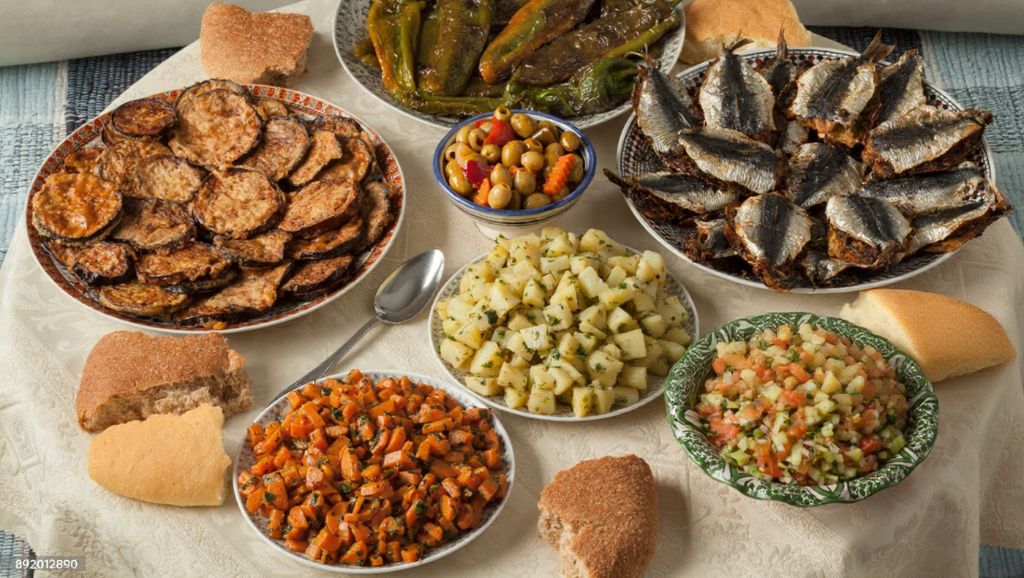
In Essaouira, food is closely tied to the city’s identity and way of life. Meals are not rushed, flavors are not exaggerated, and eating is rarely separated from social connection. The city’s cuisine reflects its character: shaped by the Atlantic, rooted in tradition, and gradually enriched by modern influences.
Rather than offering a single culinary style, Essaouira presents a layered food culture. Here, fishermen, home cooks, and creative chefs all contribute to a shared culinary landscape that values simplicity, freshness, and authenticity. you can explore our complete destination guide to Essaouira, Morocco : a complète destination guide
Seafood and atlantic flavors
The Atlantic Ocean is the most influential ingredient in Essaouira’s cuisine. Seafood defines daily menus and eating habits, not as a luxury but as a natural resource deeply integrated into local life. Fish is consumed fresh, often on the same day it is caught, reinforcing the city’s direct relationship with the sea.
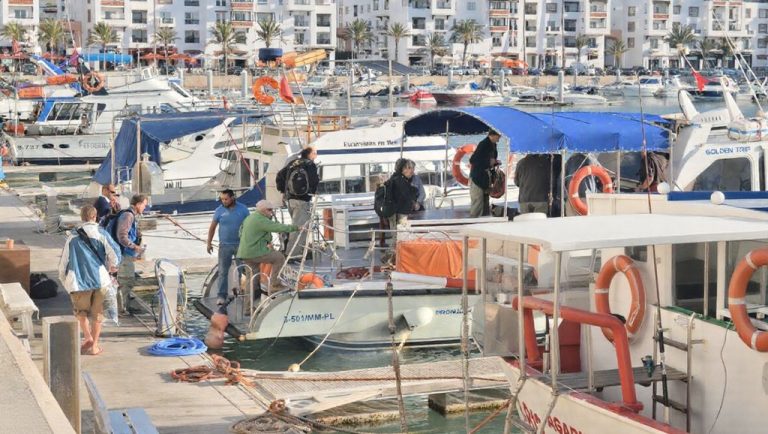
The fishing port plays a central role in this ecosystem. Its activity determines what appears on plates across the city. Sardines, mackerel, sea bream, sole, and shellfish are prepared using straightforward techniques that prioritize natural flavor. Grilling over charcoal remains one of the most common methods, accompanied by minimal seasoning.
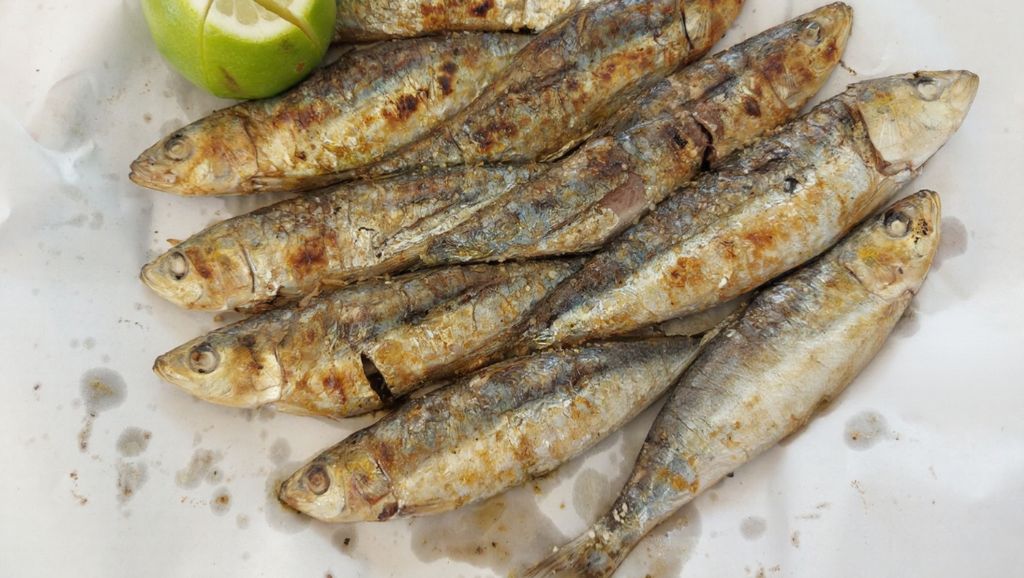
What distinguishes Atlantic flavors in Essaouira is restraint. Recipes do not aim to impress through complexity. Instead, they respect balance, allowing the texture and taste of the fish to remain dominant. Meals often feel informal and communal, reinforcing the idea that seafood is part of everyday nourishment rather than a special occasion.
For visitors, seafood meals become a sensory connection to the ocean, the port, and the rhythm of local life.
Traditional Moroccan dishes
Beyond the sea, Essaouira maintains a strong foundation of traditional Moroccan cuisine. These dishes are deeply connected to family life, hospitality, and shared rituals. Cooking is often slow, intentional, and guided by knowledge passed down through generations.
Tagines remain central to this culinary tradition. Prepared with vegetables, meat, spices, and patience, they reflect a philosophy of care and balance. Couscous, often prepared for specific occasions or weekly gatherings, symbolizes unity and continuity.
What makes traditional food in Essaouira distinctive is its subtlety. Spices enhance rather than overpower. Ingredients are chosen based on availability and season rather than abundance. Meals are meant to comfort and sustain rather than impress.
Eating traditional Moroccan dishes offers insight into social values such as generosity, patience, and respect for time. These meals connect visitors to the everyday realities of local households.
Modern cafés and creative cuisine
Alongside tradition, Essaouira has embraced a modern and creative food scene that reflects its artistic and international community. Cafés and small restaurants offer contemporary interpretations of both Moroccan and global cuisine, often influenced by travel, creativity, and wellness culture.
These spaces focus on atmosphere as much as food. Menus often include light meals, vegetarian options, and modern presentations that remain aligned with the city’s relaxed pace. Innovation is present, but never excessive.
Creative cuisine in Essaouira does not replace tradition; it coexists with it. Local ingredients are often reimagined in new formats, bridging past and present. These cafés also serve as social spaces where locals and visitors interact naturally.
Eating in modern cafés becomes part of the city’s creative lifestyle rather than a break from it.
Food as a cultural experience
In Essaouira, food extends beyond nourishment. It is a cultural language that expresses belonging, memory, and connection. Meals are moments where relationships are built, stories are shared, and time slows down.
Markets, bakeries, tea rituals, and shared tables form an invisible network that sustains the city’s social life. Food accompanies celebrations, daily routines, and informal gatherings, reinforcing a sense of continuity.

For travelers, approaching cuisine as a cultural experience changes the way the city is explored. Instead of seeking novelty, visitors learn to appreciate repetition, familiarity, and ritual. This perspective allows for deeper engagement with local life.
Food in Essaouira teaches travelers that authenticity lies not in variety, but in meaning.To understand how food and cuisine reflect the broader lifestyle of the city.
The cuisine of Essaouira reflects the city’s broader identity: grounded, open, and shaped by both tradition and evolution. From Atlantic seafood to family recipes and creative cafés, food becomes a gateway to understanding how the city lives and breathes.
Rather than offering spectacle, Essaouira offers connection. Through its cuisine, travelers are invited to slow down, share, and experience the city in a way that is both nourishing and memorable.